
Master Index of Dutch Americans


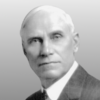
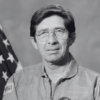
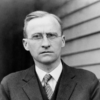
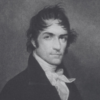

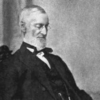
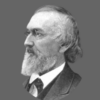
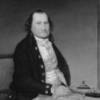
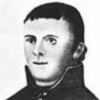
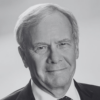
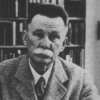
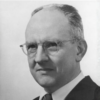
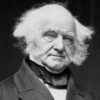




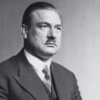

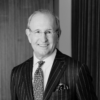

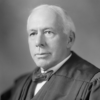
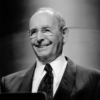
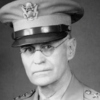




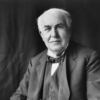

























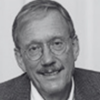

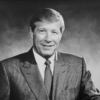

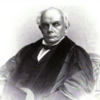
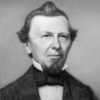


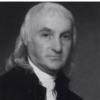
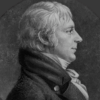
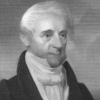

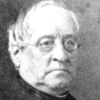

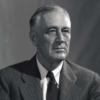
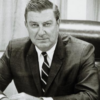
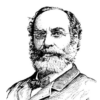
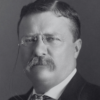



















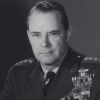
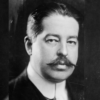
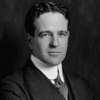

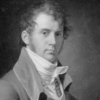

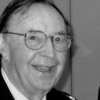







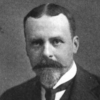





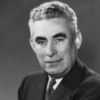

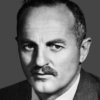

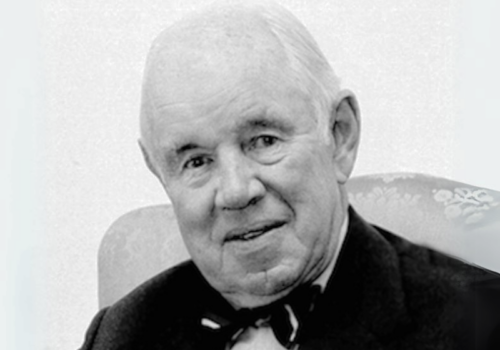
James Van Alen, founder of the International Tennis Hall of Fame, was also a poet, publisher, civic leader, and champion tennis player with deep knowledge of the game.
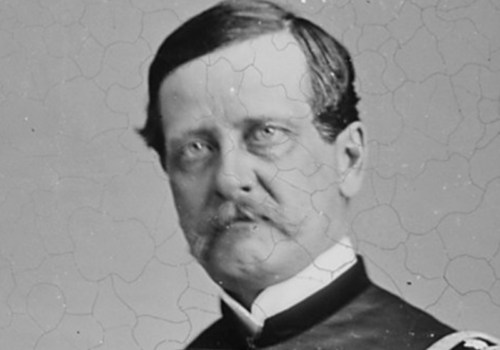
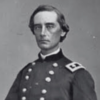
James Henry Van Alen, a wealthy New Yorker, financed and equipped the Third New York Cavalry, earning appointment as colonel while the unit defended Washington in 1861.
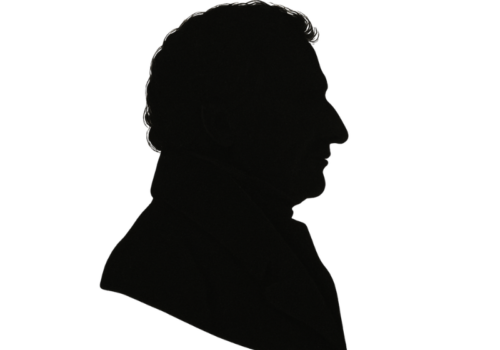
James Isaac Van Alen, baptized Jacobus, was a New York congressman and half-brother of President Martin Van Buren, born 1772.
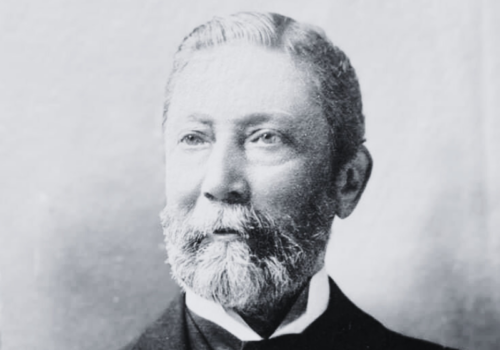
James John Van Alen, heir to Civil War officer James Henry Van Alen, funded Cleveland’s campaign but twice declined ambassadorships to Italy and Great Britain.
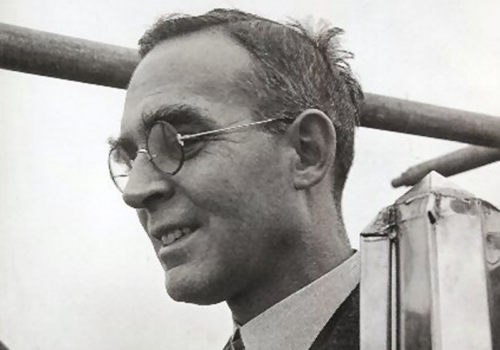
William Van Alen, a respected New York architect, worked on the Hotel Astor and studied in Paris after winning the 1908 Paris Prize, later designing the iconic Chrysler Building.
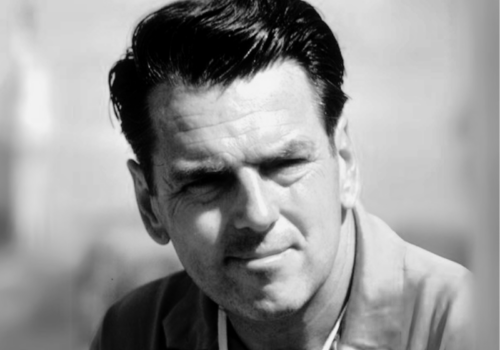
George Allen was a successful NFL coach who turned two struggling teams, including the Los Angeles Rams, into winners. He was named Coach of the Year in 1967 before being dismissed.
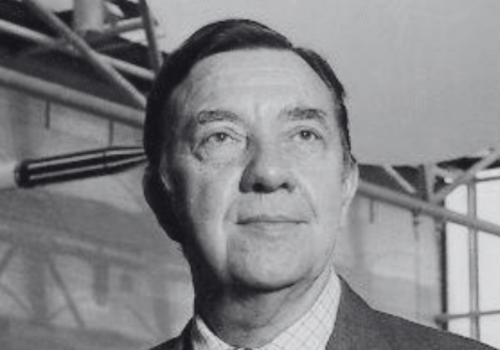
James Van Allen, American physicist and space scientist, discovered Earth's radiation belts — named the Van Allen Belts — through experiments on early satellites, launching modern space science.
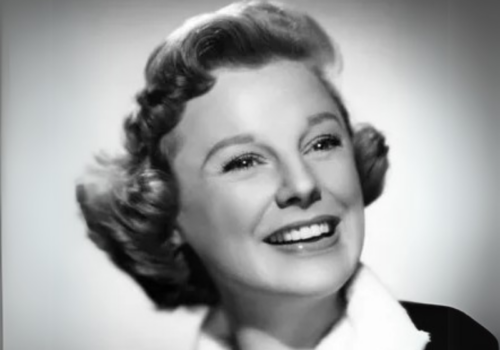
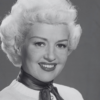
Unlike pinup star Betty Grable, June Allyson built a lasting career with over 100 roles, performing actively into her late 80s.
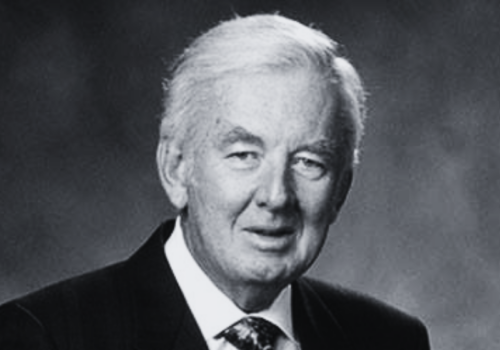
Jay Van Andel and Richard DeVos co-founded Amway, a network sales company distributing household products through multi-level dealer recruitment and sales.
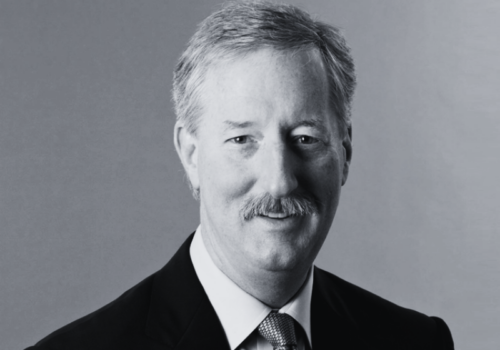
Steve Van Andel, son of Amway co-founder Jay Van Andel, helps lead the global network sales company distributing household and personal products.
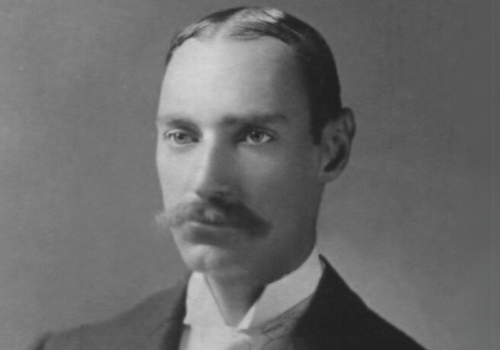
Colonel John Astor, Titanic victim and hotel magnate, co-founded New York’s Waldorf Astoria and died tragically during his 1912 honeymoon.
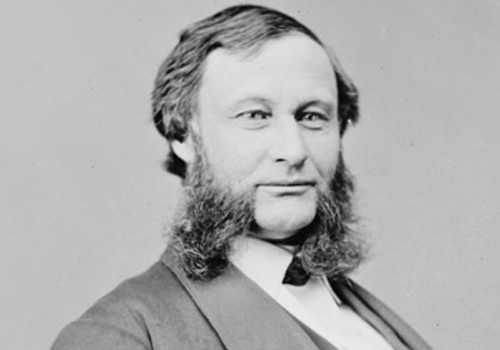
Daniel Myers Van Auken, a Pennsylvania lawyer and Democrat, served two terms in Congress from 1867 to 1871 representing Pike County.
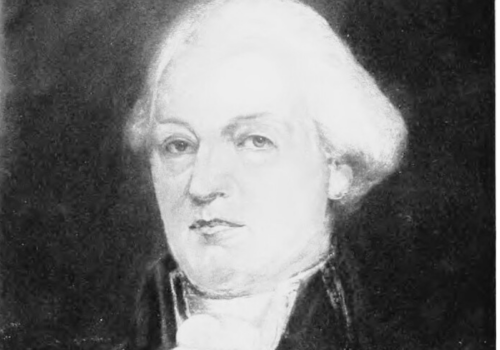
Theodorus Bailey served as U.S. Representative, briefly U.S. Senator, and New York City Postmaster for 24 years, and rose to Brigadier General after Revolutionary War service and militia leadership service.
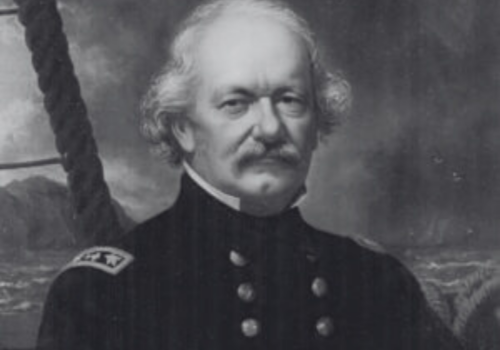
Theodorus Bailey joined the U.S. Navy at 13, rose to Rear Admiral, captured New Orleans in 1862, served 48 years, and was later honored with three Navy ships named for him.
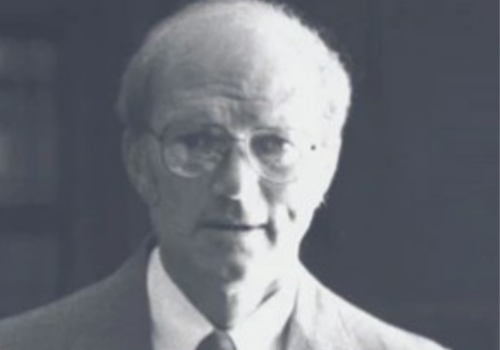
Herman Baker founded Baker Book House in 1939 in Grand Rapids, Michigan, later Baker Publishing Group, which expanded from religious bookselling into seven divisions publishing religious, academic, and general-interest titles.
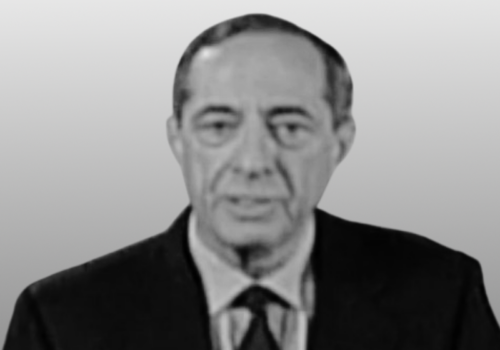
Erik Barnouw, Dutch-born American media historian, helped launch University Players, led wartime radio education, taught at Columbia, headed the Library of Congress media division, and authored landmark broadcasting histories works.
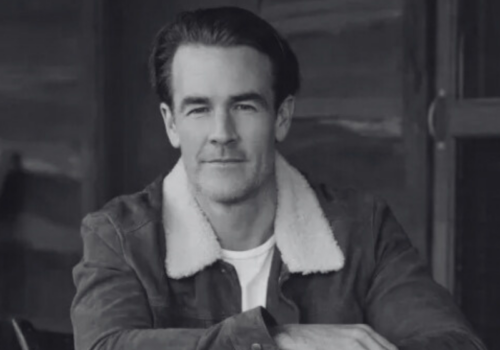
James Van Der Beek is an American actor best known as Dawson Leery on Dawson’s Creek, which launched his career, later including film roles and a self-parody on Don’t Trust the B---- in Apartment 23.
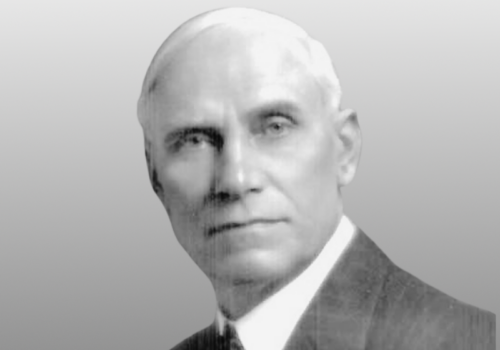
Martin Bekins founded Bekins Van Lines in Sioux City, Iowa, in 1891, leading its early growth as chief executive into a major North American and international moving company today worldwide.
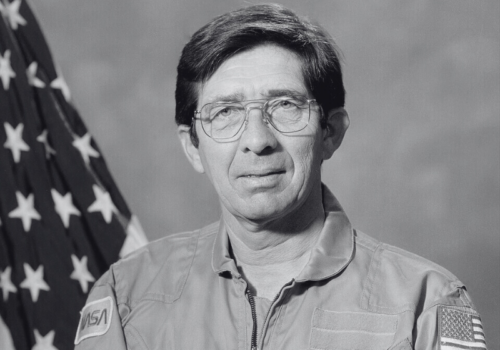
Lodewijk van den Berg was a Dutch-American payload specialist who flew aboard Spacelab-3 in 1985, spending 168 hours in space, selected as a scientist turned astronaut for efficiency by NASA.
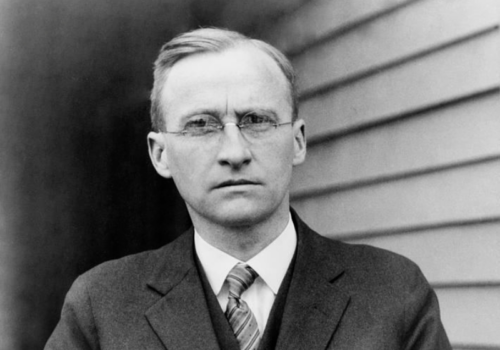
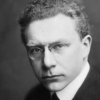
George David Birkhoff was a leading American mathematician, renowned for foundational work in dynamical systems and the ergodic theorem, and a longtime Harvard professor influential in twentieth-century mathematics.
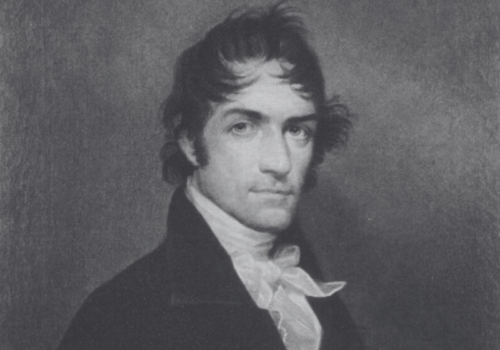
Harmanus Bleecker of Albany lawyer and Dutch American statesman, served as a Federalist congressman from New York (1811–1813) and later as U.S. chargé d’affaires to the Netherlands (1837–1842).
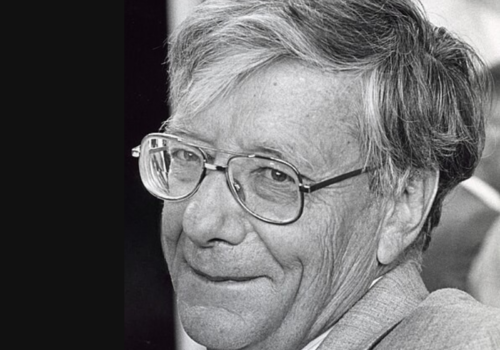
Nicolaas Bloembergen was a Dutch-American physicist and longtime Harvard professor, awarded the 1981 Nobel Prize in Physics for pioneering contributions to laser and electron spectroscopy.
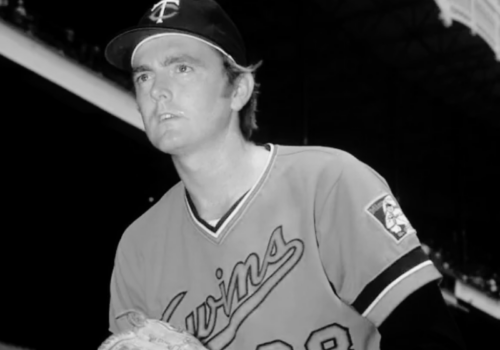
Bert Blyleven is a Dutch-born Major League Baseball pitcher who starred for six teams over 22 seasons, won two World Series, recorded 3,000 strikeouts, and was inducted into the Hall of Fame.
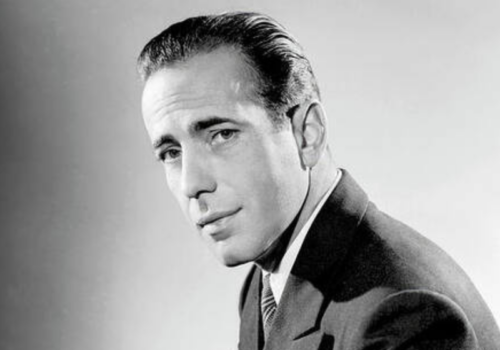
Humphrey Bogart was a legendary twentieth-century screen actor, born in New York City to an elite Dutch American family, educated at prestigious schools, and renowned for defining classic Hollywood cinema.
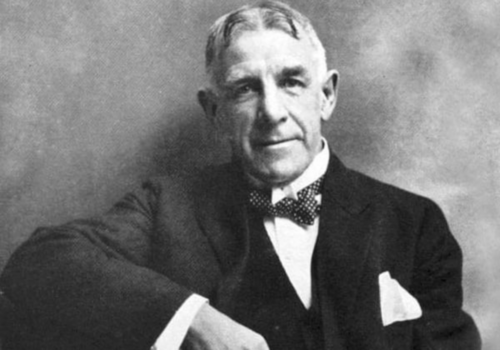
Edward W. Bok (1863–1930), Dutch-born American editor, rose from immigrant office boy to influential editor of Ladies’ Home Journal. He later wrote a Pulitzer Prize–winning autobiography and founded Florida’s Bok Tower Gardens.
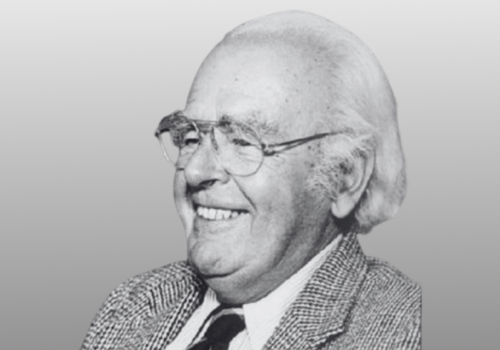
Bart Jan Bok was a Dutch-born astronomer trained at Leiden, who earned his doctorate in 1928 and spent decades at Harvard University, collaborating closely with his wife Priscilla Fairfield Bok.
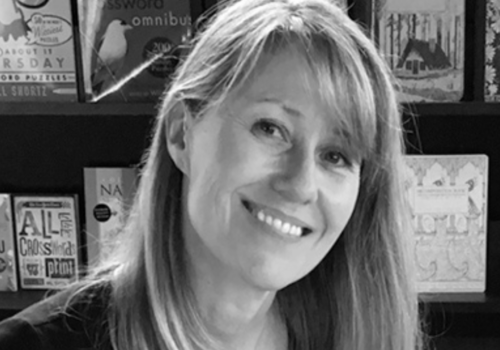
Emilie Boon is an illustrator and author of children’s books. She was born in the Netherlands and was educated at the Royal Academy of Art where she majored in graphic design from 1976 to 1981.
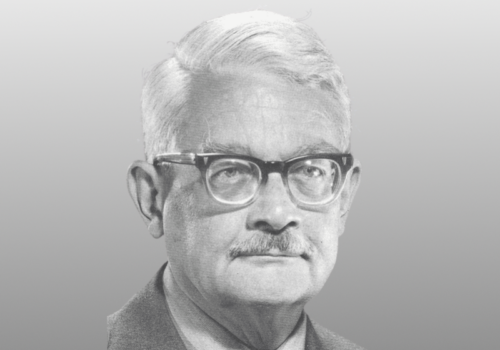
William J. Bouwsma was a leading twentieth-century Renaissance historian, renowned for studies of humanism, Calvin, and early modern European culture.
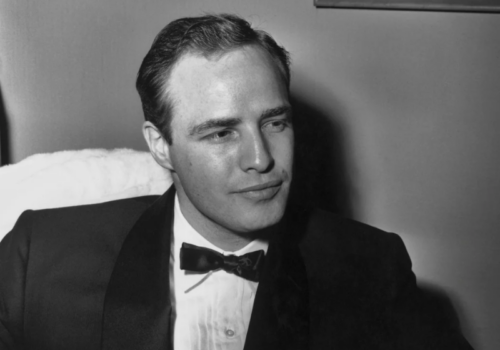
Marlon Brando, one of the great and most enigmatic stage and screen actors of the second half of the twentieth century was born in Omaha, Nebraska on April 3, 1924.
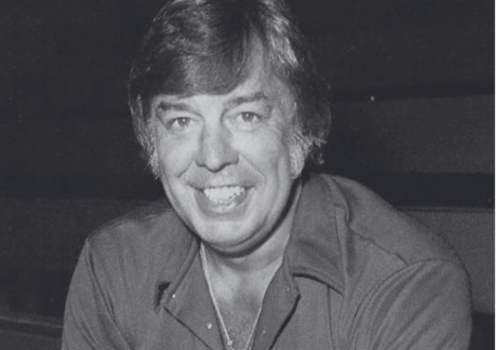
William J. Bouwsma was a leading twentieth-century Renaissance historian, renowned for studies of humanism, Calvin, and early modern European culture.
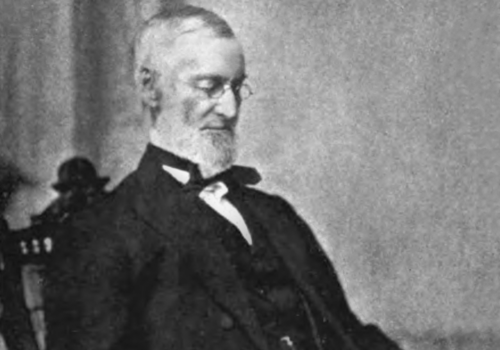
Henry Roelif Brinkerhoff, War of 1812 militia officer and New York assemblyman, later served as a Democratic U.S. congressman from Ohio (1843–1844). He died in office and was buried in Plymouth, Ohio.
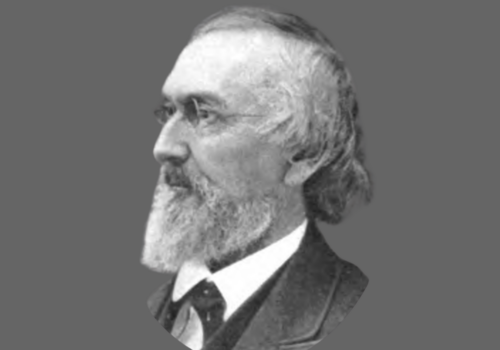
Jacob Brinkerhoff, New York–born lawyer and politician, served as a U.S. congressman (1843–1847), authored the antislavery Wilmot Proviso, and later served as a justice of the Ohio Supreme Court.
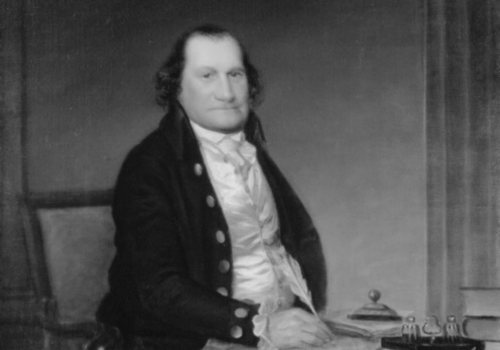
Abraham Ten Broeck (1734–1810), prominent Albany merchant, militia general, and mayor, managed the Van Rensselaer estate, served in colonial government, and led local forces during the Revolutionary era.
Abraham Ten Broeck (1734–1810), prominent Albany merchant, militia general, and mayor, managed the Van Rensselaer estate, served in colonial government, and led local forces during the Revolutionary era.
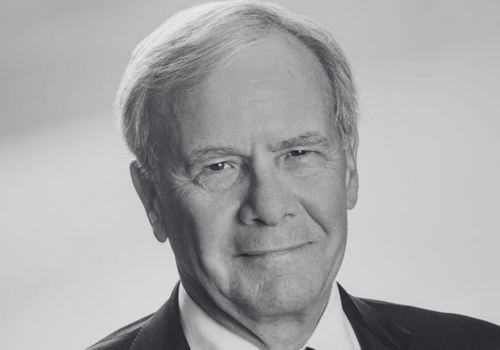
Tom Brokaw, longtime NBC Nightly News anchor, became one of America’s most trusted journalists, covering major events from Watergate to the fall of the Berlin Wall and authoring The Greatest Generation.
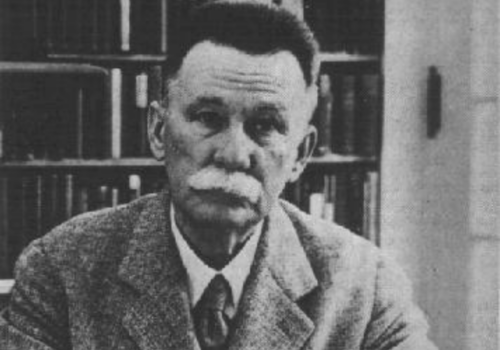
Van Wyck Brooks was an American literary critic and historian known for chronicling nineteenth-century American literature. His Makers and Finders series, including The Flowering of New England, helped revive interest in major American authors.
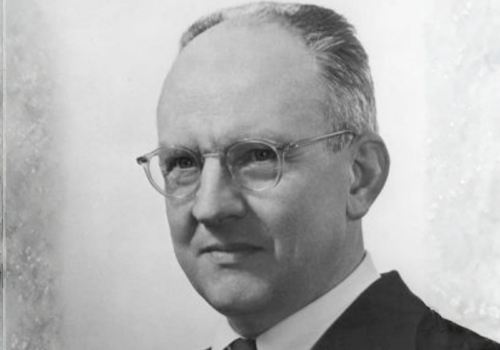
Dirk Brouwer was a Dutch-American astronomer and celestial mechanician known for advancing the study of planetary and satellite motion. A Yale professor and longtime Astronomical Journal editor, he developed orbital calculation methods and helped introduce computers to astronomical computation.
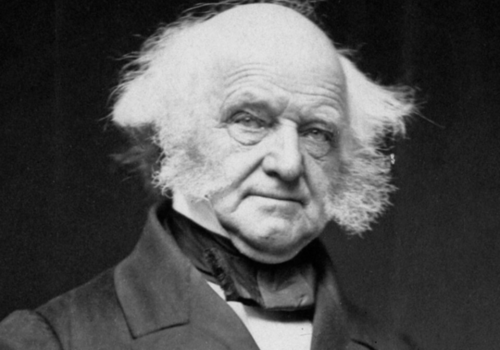
Martin Van Buren, eighth U.S. president, was a skilled political organizer who helped shape the modern Democratic Party. Born in Kinderhook, New York to Dutch-American parents, he rose through law and politics to become president.
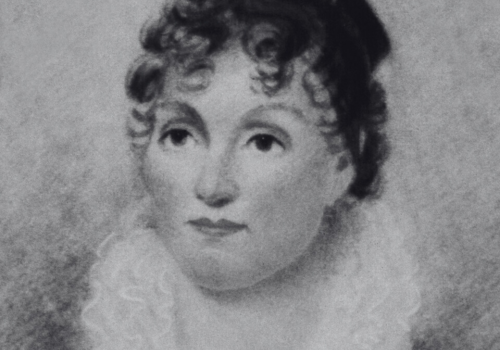
Hannah Hoes Van Buren was the wife of future U.S. president Martin Van Buren. Raised in the Dutch community of Kinderhook, New York, she died young from tuberculosis, years before her husband became president.
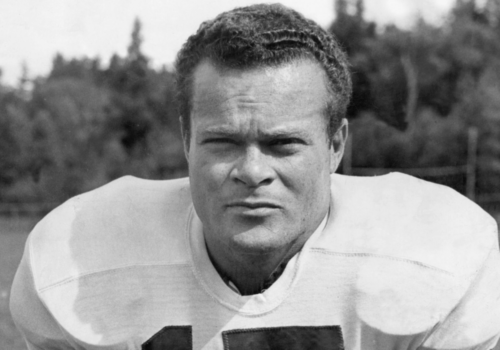
Steve Van Buren was a Hall of Fame running back for the Philadelphia Eagles and one of the NFL’s early rushing stars. He led the league in rushing four times and helped the Eagles win two championships.
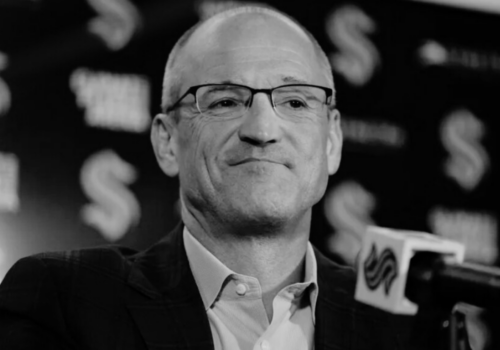
Dan Bylsma transformed the struggling Pittsburgh Penguins midseason, leading them to an improbable 2009 Stanley Cup victory, becoming an NHL legend despite limited coaching experience that shocked fans.
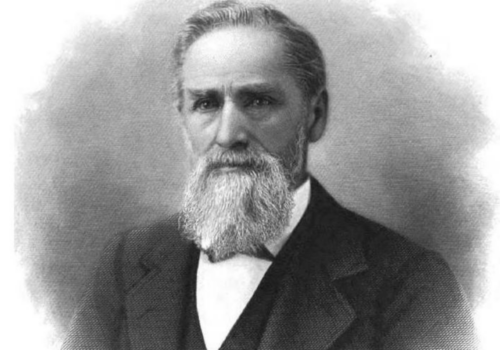
Gilbert Van Camp, Sr. was an American food entrepreneur who pioneered canned vegetables and popularized canned pork and beans during the Civil War era. His innovations led to the Van Camp brand, later connected to Stokely-Van Camp and Chicken of the Sea.
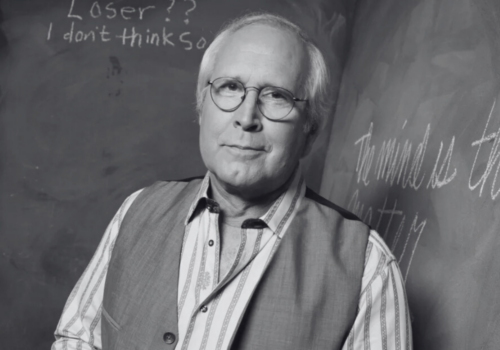
Chevy Chase is an American comedian, actor, and writer known for his work on Saturday Night Live and in films such as Caddyshack, Fletch, and the National Lampoon’s Vacation series. His ancestry traces to early Dutch settlers of New Amsterdam.
Angelica Schuyler Church was the daughter of Revolutionary War General Philip Schuyler and sister-in-law of Alexander Hamilton. Known for her intelligence and social influence, she moved in prominent political circles in America and Europe.
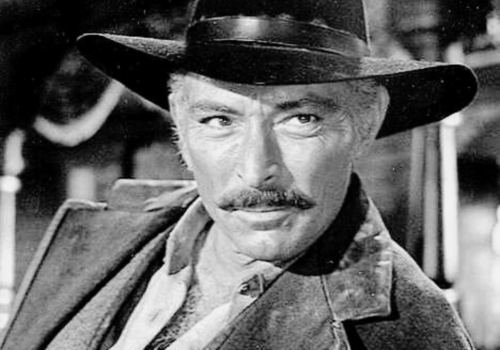
Lee Van Cleef was an American actor best known for portraying villains in Western films. After World War II service, he began acting on stage and gained fame in films such as High Noon and The Good, the Bad and the Ugly.
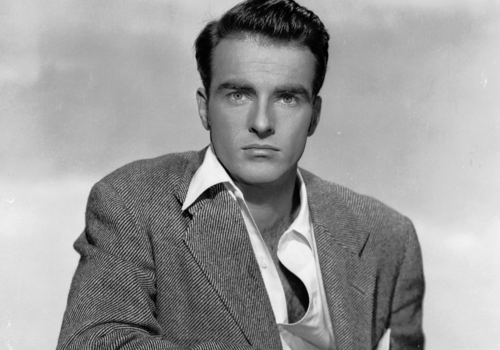
Montgomery Clift was an American stage and film actor known for intense, emotionally complex performances. He earned multiple Academy Award nominations for films including The Search, A Place in the Sun, and From Here to Eternity.
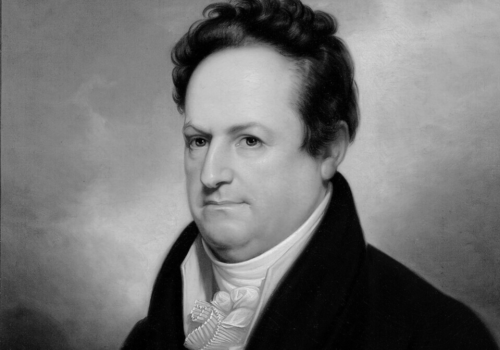
DeWitt Clinton was a prominent New York statesman who served as mayor of New York City, U.S. senator, and governor of New York. He is best remembered as the driving force behind the construction of the Erie Canal.
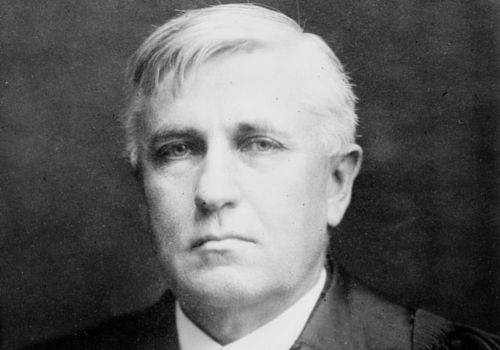
Aaron Van Schaick Cochrane was a New York lawyer, judge, and congressman. A Yale graduate, he served in the U.S. House of Representatives before becoming a justice of the New York Supreme Court and later presiding justice of its Appellate Division.
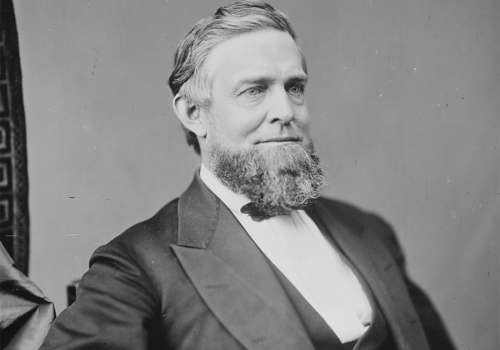
Schuyler Colfax rose from poverty to become a newspaper editor, U.S. congressman, and Speaker of the House. A strong opponent of slavery, he later served as vice president of the United States under Ulysses S. Grant.
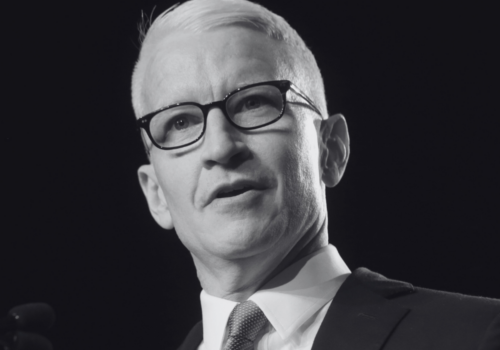
Schuyler Colfax rose from poverty to become a newspaper editor, U.S. congressman, and Speaker of the House. A strong opponent of slavery, he later served as vice president of the United States under Ulysses S. Grant.
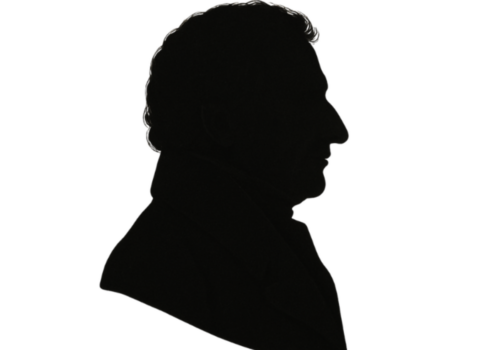
Jacobus Van Cortlandt was a New York merchant and civic leader who served twice as mayor of New York City. A member of the prominent Dutch colonial family, his family lands later became Van Cortlandt Park in the Bronx.
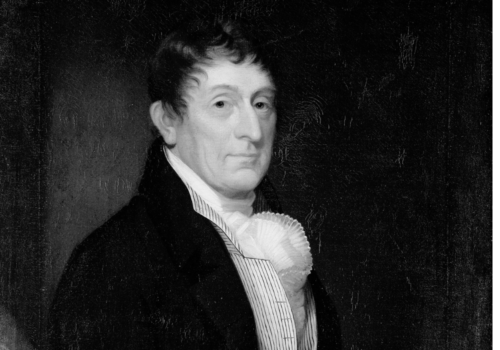
Philip Van Cortlandt was a Continental Army officer during the American Revolution and later a U.S. congressman from New York. A member of the prominent Dutch-American family, he also served in the New York State Assembly and Senate.
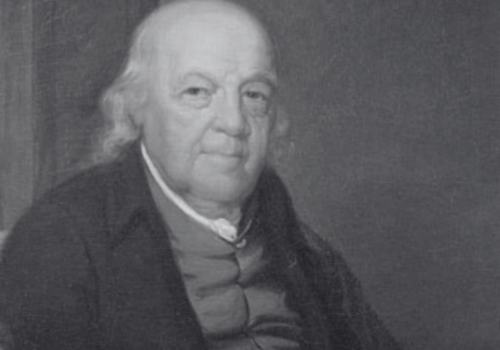
Pierre Van Cortlandt was a Revolutionary-era statesman and a founding figure in New York State government. He presided over the convention that drafted the state constitution and served as New York’s first lieutenant governor.
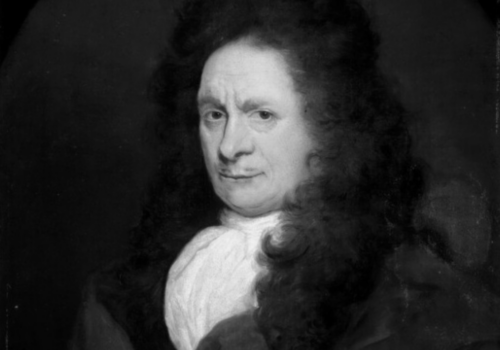
Oloff Van Cortlandt was an early Dutch settler of New Netherland who arrived in 1638 and became a successful merchant, brewer, and civic leader in New Amsterdam. His sons later established the influential Van Cortlandt family in New York.
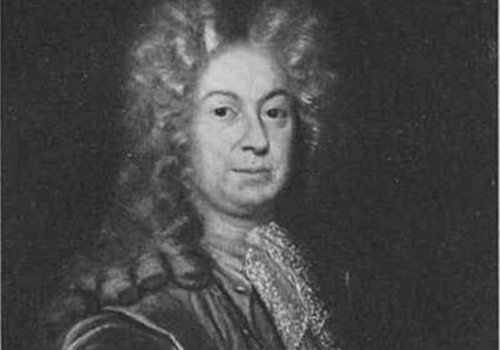
Stephanus Van Cortlandt was the first native-born mayor of New York City, serving two terms in the late seventeenth century. A prominent colonial leader, he also held judicial and administrative offices in early New York government.
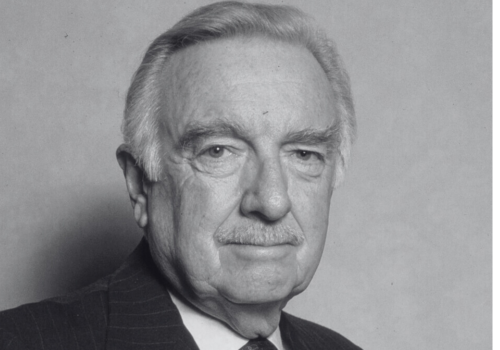
Walter Cronkite was a pioneering American broadcast journalist and longtime anchor of the CBS Evening News. Widely trusted by the public, he reported major events including the Vietnam War, the moon landing, and Watergate.
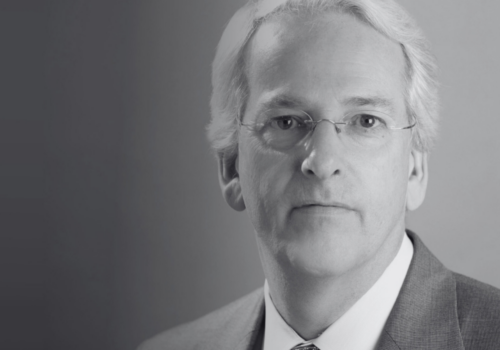
Ivo Daalder is a Dutch-American foreign policy expert specializing in European security and transatlantic relations. He served on the U.S. National Security Council and later as the United States ambassador to NATO.
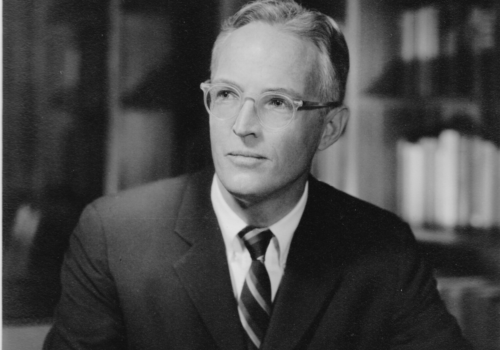
J. Dewey Daane was an American economist and Federal Reserve governor appointed by President Kennedy. An expert in monetary policy and international finance, he later taught for decades at Vanderbilt University’s Owen Graduate School of Management.
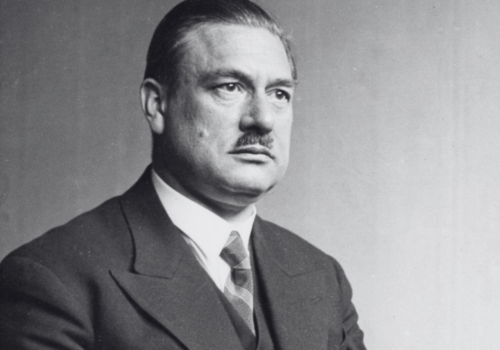
Peter Debye was a Dutch-American physicist and chemist who won the Nobel Prize in Chemistry for his work on molecular structure, including dipole moments and X-ray diffraction. He later taught and conducted research at Cornell University.
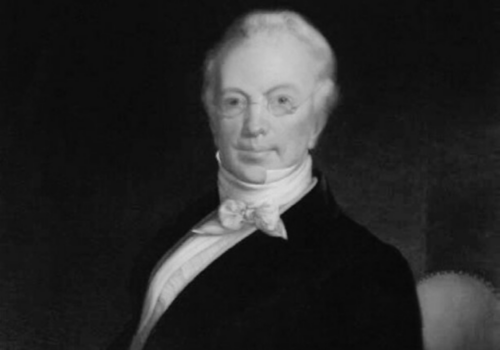
John Isaac De Graff was a New York merchant, War of 1812 veteran, and public official. He served two terms in the U.S. House of Representatives and also held office as mayor of Schenectady.
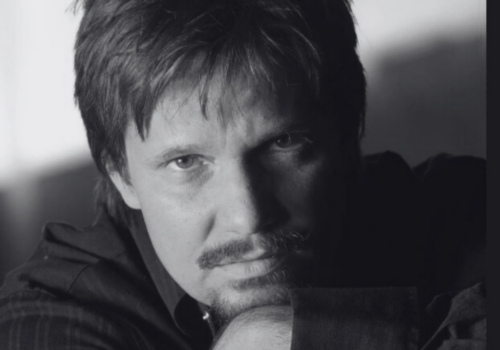
Ted Dekker is a New York Times bestselling author known for suspense, fantasy, and thriller novels that explore themes of good and evil. A prolific writer, he has published dozens of books and sold millions of copies worldwide.
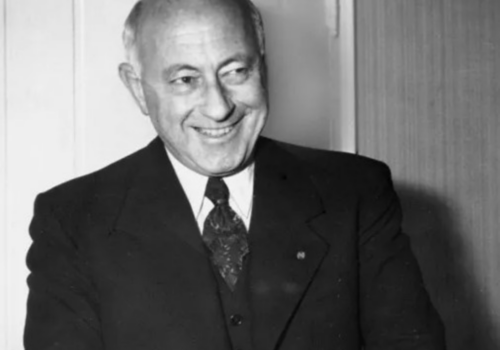
Cecil B. DeMille was a pioneering American film director and producer who helped establish Hollywood’s motion picture industry. Famous for epic films such as The Ten Commandments and The Greatest Show on Earth, he directed and produced major productions for more than fifty years.
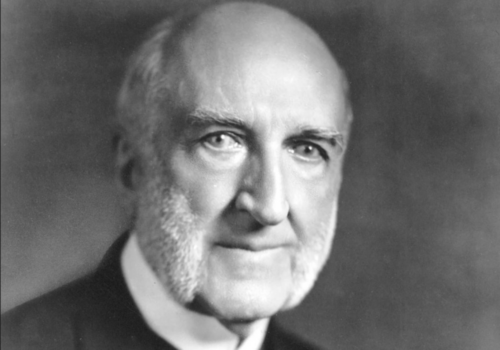
Cecil B. DeMille was a pioneering American film director and producer who helped establish Hollywood’s motion picture industry. Famous for epic films such as The Ten Commandments and The Greatest Show on Earth, he directed and produced major productions for more than fifty years.
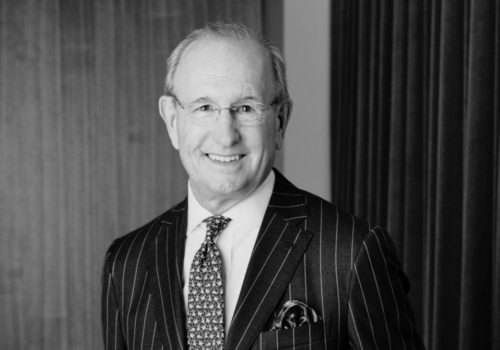
Dick DeVos is an American businessman and political figure, the eldest son of Amway co-founder Richard DeVos. He served as president of Amway and later Alticor, managed the Orlando Magic, led the Windquest Group, and ran for Michigan governor in 2006.

Doug DeVos is an American businessman and co-chief executive officer of Amway. Son of co-founder Richard DeVos, he also serves as president of Alticor and has held senior leadership roles in Amway’s global operations.
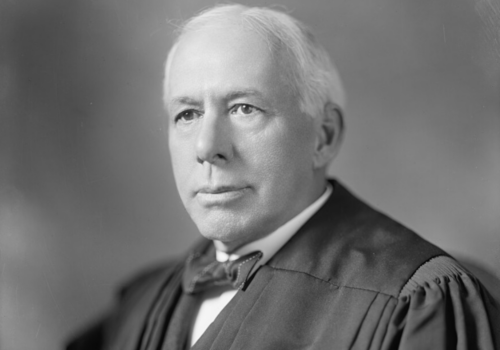
Willis Van Devanter was a United States Supreme Court Justice appointed in 1910 by President William Howard Taft. Of Dutch American descent, he previously served as chief justice of the Wyoming Territory and later as a federal appellate judge.
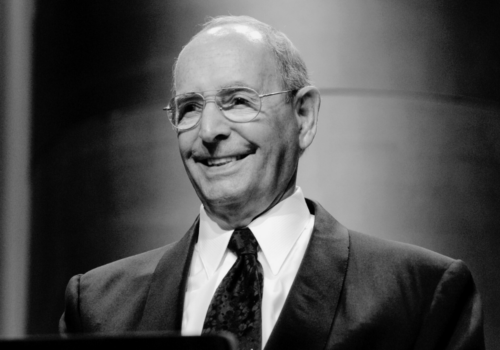
Richard DeVos Sr. was an American entrepreneur who co-founded Amway with Jay Van Andel. Their company pioneered network marketing of household and personal products. DeVos later became owner of the Orlando Magic and a prominent philanthropist.
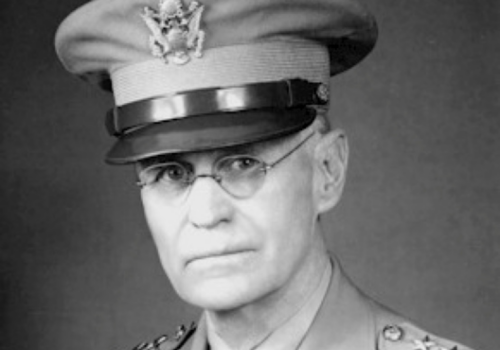
John Lesesne DeWitt was a United States Army officer who served nearly fifty years, reaching the rank of lieutenant general. During World War II he commanded the Western Defense Command and recommended the evacuation and internment of Japanese Americans from the West Coast.
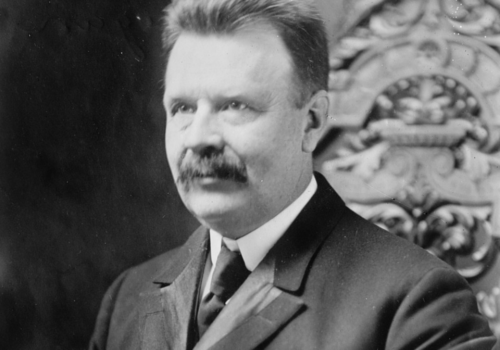
Gerrit Diekema was a Dutch American lawyer and politician from Michigan. He served as mayor of Holland, a U.S. Representative, and later United States ambassador to the Netherlands, where his Dutch heritage and language proved valuable.
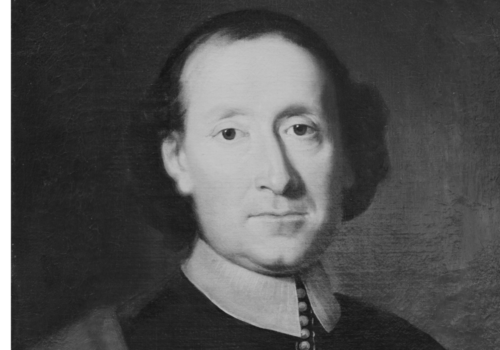
Adriaen van der Donck was an early Dutch colonial leader in New Netherland and one of the colony’s best-educated settlers. A lawyer trained at Leiden University, he advocated for colonists’ rights and established an estate that later gave the city of Yonkers its name.
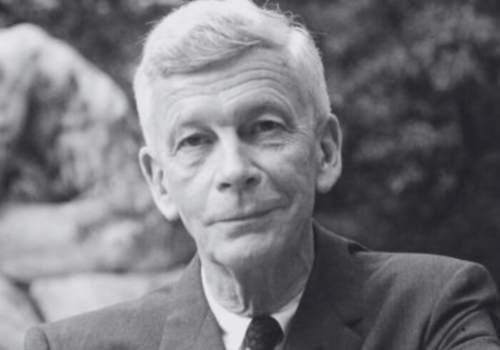
Mark Van Doren was an American poet, critic, and professor at Columbia University. He won the 1940 Pulitzer Prize for Collected Poems and was a respected teacher and literary scholar who wrote widely on poetry, literature, and Shakespeare.
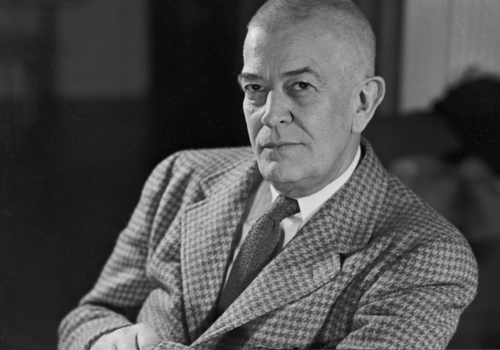
Carl Van Doren was an American literary critic, historian, and professor at Columbia University. He won the 1939 Pulitzer Prize for his biography Benjamin Franklin and was an influential editor, scholar, and writer on American literature.
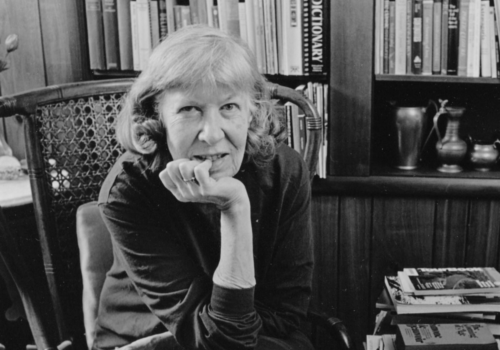
Mona Van Duyn was an American poet and educator who won the 1991 Pulitzer Prize for Near Changes. A respected literary figure, she also received the National Book Award and served as the first woman U.S. Poet Laureate.
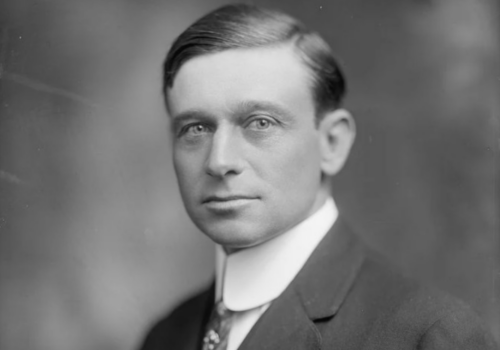
Dow Henry Drukker was a Dutch-born American businessman, newspaper publisher, and politician who served as a U.S. Representative from New Jersey from 1914 to 1919. He later supported relief efforts for the Netherlands and was honored by Queen Juliana.
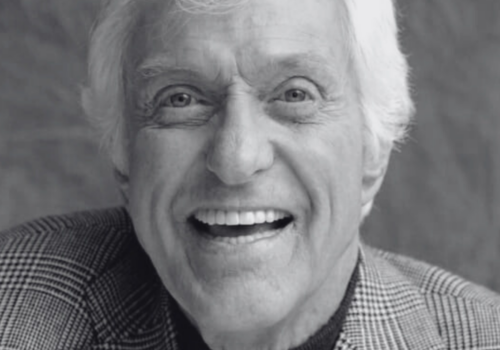
Dick Van Dyke is an American actor, comedian, and television star best known for The Dick Van Dyke Show, Mary Poppins, and Diagnosis: Murder. His long career in television and film made him one of the most recognizable entertainers of the modern era.
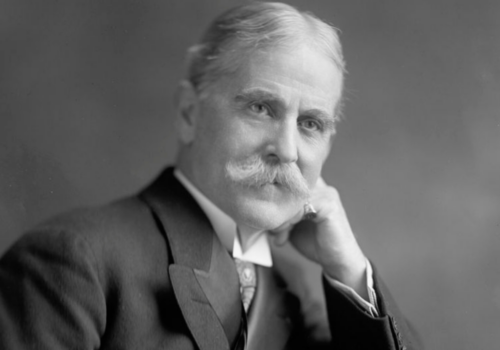
Henry van Dyke was an American author, poet, clergyman, and diplomat. A professor at Princeton University, he also served as U.S. ambassador to the Netherlands and Luxembourg. His writings often explored religion, literature, and moral themes.
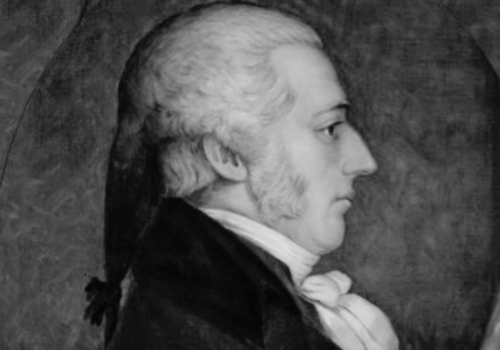
Nicholas Van Dyke was an American lawyer and Federalist politician from Delaware. He served in the U.S. House of Representatives and later as a U.S. Senator from 1817 until his death in 1826, continuing a family tradition of public service.
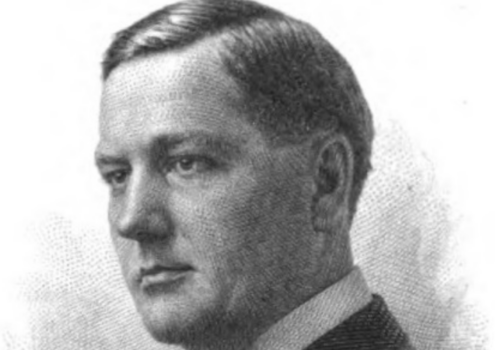
Carl Chester Van Dyke was an American politician and veteran of the Spanish-American War. He served as a U.S. Representative from Minnesota from 1917 until his death in 1919 and was also admitted to the Minnesota bar during his congressional career.

Amy Van Dyken is an American Olympic swimmer who won six gold medals in the 1996 and 2000 Olympic Games. Despite severe childhood asthma, she became one of the most successful U.S. female swimmers in Olympic history
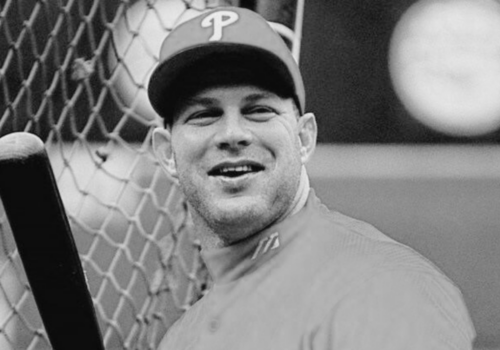
Lenny Dykstra was an American Major League Baseball outfielder who played for the New York Mets and Philadelphia Phillies. A key player in the Mets’ 1986 World Series victory, he was known for strong hitting and multiple All-Star selections.
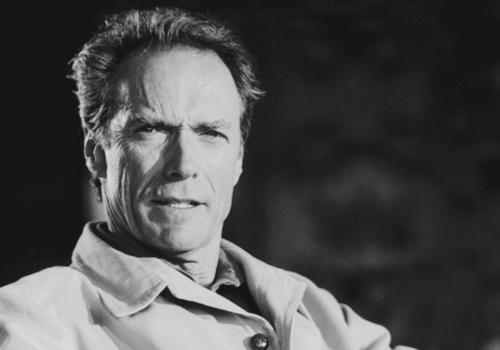
Clint Eastwood is an American actor, filmmaker, and former mayor of Carmel-by-the-Sea, California. Rising to fame in Rawhide and western films, he later became an acclaimed director, winning Academy Awards for Unforgiven and Million Dollar Baby.
Clint Eastwood is an American actor, filmmaker, and former mayor of Carmel-by-the-Sea, California. Rising to fame in Rawhide and western films, he later became an acclaimed director, winning Academy Awards for Unforgiven and Million Dollar Baby.

John Van Eck was a pioneer in international mutual fund investing and founder of International Investors Incorporated in 1955, later known as Van Eck Global. A Williams College and Harvard MBA graduate, he helped popularize global equity and gold investing.
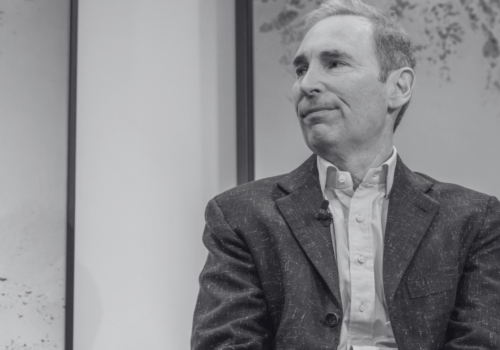
Derek Van Eck was an American investment manager and commodities trader who co-managed Van Eck Global with his brother Jan. A Williams College and Northwestern graduate, he helped guide the family investment firm before his death in 2010.
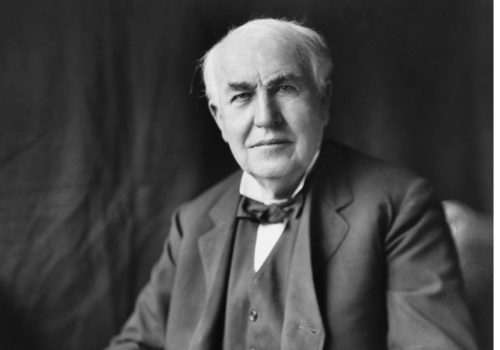
Steve Van Buren was a Hall of Fame running back for the Philadelphia Eagles and one of the NFL’s early rushing stars. He led the league in rushing four times and helped the Eagles win two championships.
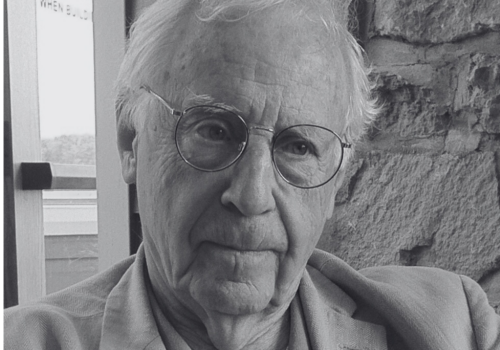
William B. Eerdmans, a Dutch immigrant arriving in 1902, founded the William B. Eerdmans Publishing Company in Grand Rapids. Beginning as a theological bookseller, he built a leading Calvinist publishing house known for influential biblical scholarship.
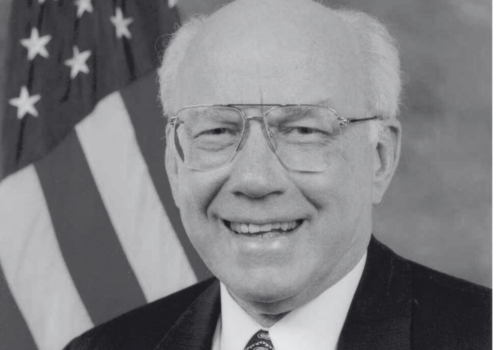
Vernon Ehlers, a physicist and educator, served Michigan’s Third Congressional District in the U.S. House from 1993. Formerly a professor at Calvin College and UC Berkeley, he succeeded President Gerald R. Ford’s Grand Rapids seat.
Lucas Conrad Elmendorf (1758–1843) of Kingston, New York, was a lawyer and Princeton graduate who served three terms in the U.S. Congress (1797–1803). He later held offices in the New York Assembly, Senate, and Ulster County courts.
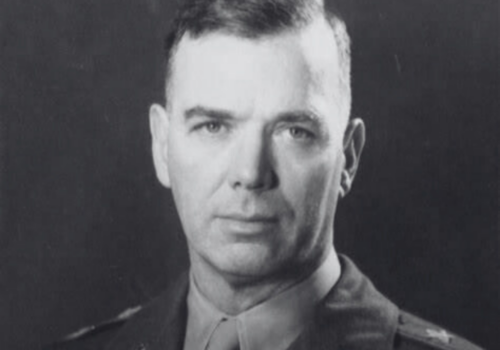
General James A. Van Fleet (1892–1992) was a U.S. Army officer who served in World War I, World War II, and the Korean War. A West Point graduate and classmate of Eisenhower, he later commanded the Eighth Army and U.N. forces in Korea.
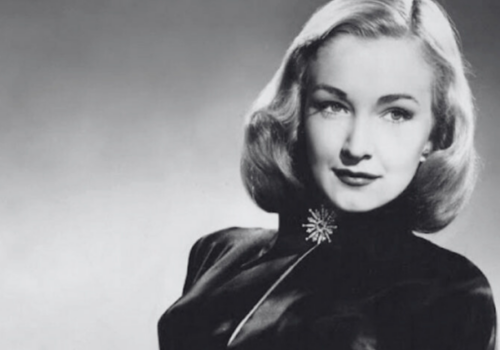
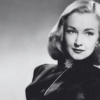
Nina Foch (1924–2008), born in Leiden, Netherlands, was a Dutch-American actress nominated for an Academy Award for An American in Paris. After a prolific film career in the 1940s–50s, she became a respected acting and directing instructor at USC and the American Film Institute.
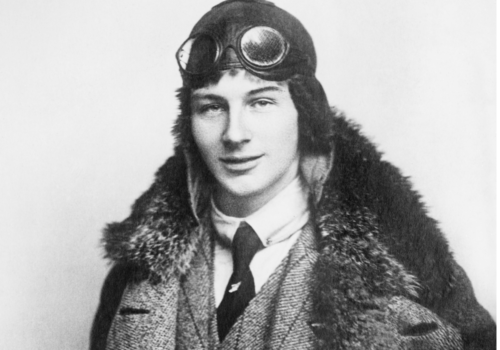
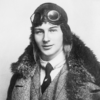
Anthony Fokker (1890–1939), born in the Dutch East Indies, was a pioneering aircraft designer whose innovations shaped early aviation. His Fokker tri-motor passenger planes dominated 1920s air travel and were used by explorers such as Richard Byrd and Amelia Earhart.
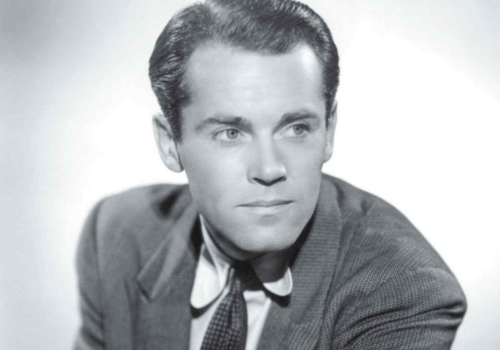
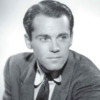
Henry Fonda (1905–1982) was an acclaimed American actor known for films such as The Grapes of Wrath, 12 Angry Men, and On Golden Pond. Descended from early Dutch settlers of New York, he became one of Hollywood’s most respected performers.
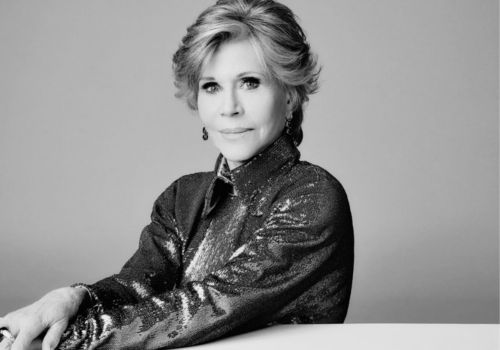
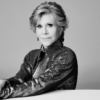
Jane Fonda (born 1937) is an acclaimed American actress, producer, and activist. The daughter of Henry Fonda, she won two Academy Awards for Klute and Coming Home and later gained fame for bestselling fitness videos and political activism.
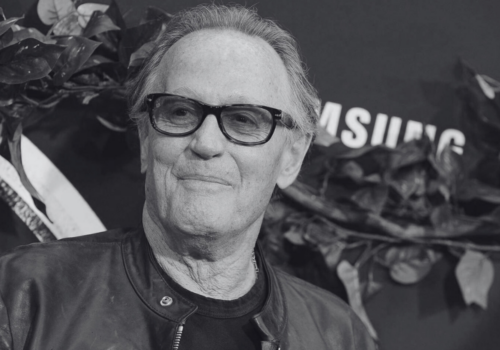
Peter Fonda (1940–2019) was an American actor, writer, and director, best known for co-writing and starring in Easy Rider. Son of Henry Fonda and brother of Jane Fonda, he continued the family’s distinguished acting legacy in film.
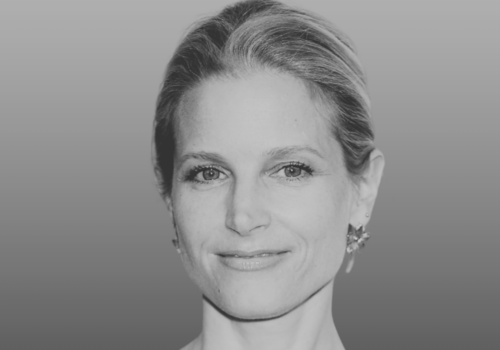
Bridget Fonda (born 1964) is an American actress from the renowned Fonda acting family, daughter of Peter Fonda and granddaughter of Henry Fonda. Known for films such as Single White Female, Point of No Return, and Jackie Brown, she later retired from acting.
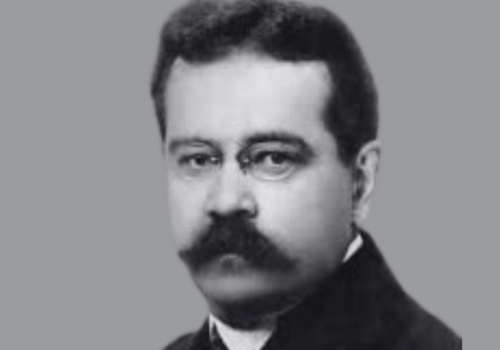
Charles Fort (1874–1932) was an American writer and researcher known for collecting unexplained phenomena that science often ignored. His influential books, including The Book of the Damned, blended satire and skepticism, giving rise to the term “Fortean” for anomalous events.
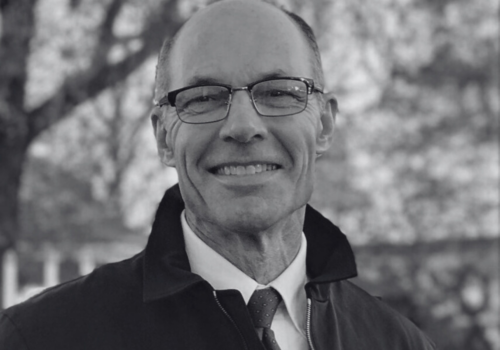
Rear Admiral Michael Franken, a University of Nebraska engineering graduate and ROTC cadet, built a distinguished U.S. Navy career commanding destroyers and task forces. In 2011 he became Commander of Combined Joint Task Force–Horn of Africa at Camp Lemonnier, Djibouti.
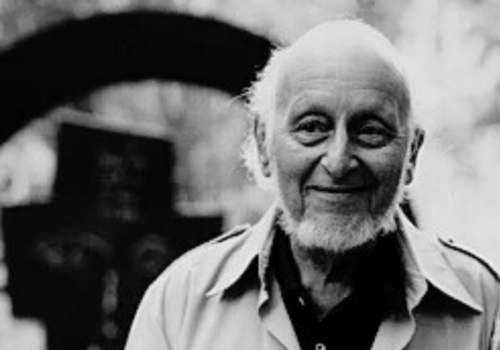
Frederick Franck (1909–2006) was a Dutch-American artist, dentist, and author known for blending art, spirituality, and humanitarian work. Founder of the Pacem in Terris sanctuary in Warwick, New York, he wrote over thirty books, including the widely read The Zen of Seeing.
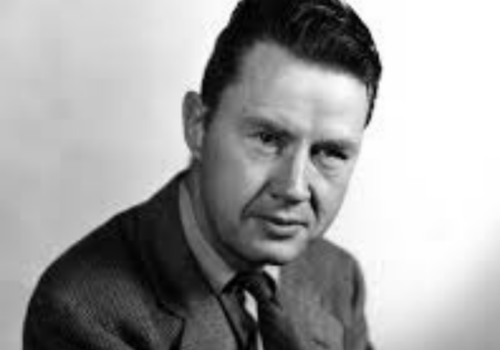
William K. Frankena (1908–1994) was a University of Michigan philosopher known internationally for his work in moral philosophy and the history of ethics. Author of the influential textbook Ethics (1963), he also served as president of the American Philosophical Association.
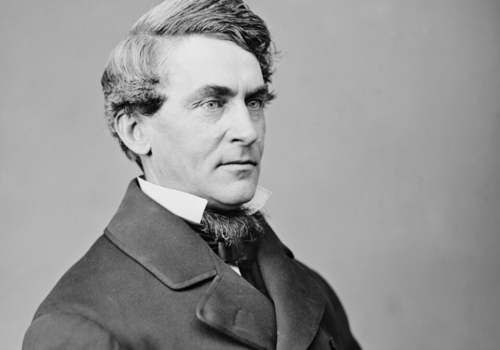
Frederick Theodore Frelinghuysen (1817–1885) was a New Jersey lawyer, U.S. Senator, and U.S. Secretary of State under President Chester A. Arthur. A member of the prominent Frelinghuysen political dynasty, he also served as New Jersey Attorney General.
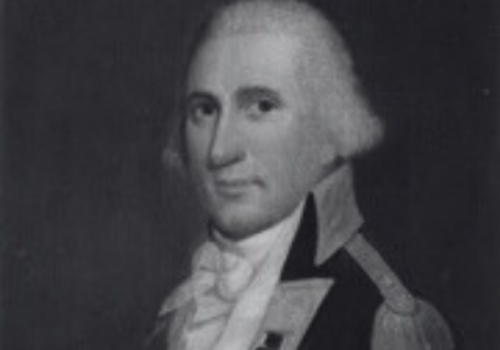
Frederick Frelinghuysen (1753–1804) was a Revolutionary War officer, lawyer, and U.S. Senator from New Jersey. Rising to Major General, he later helped ratify the Constitution and founded a political dynasty that produced several prominent American statesmen.
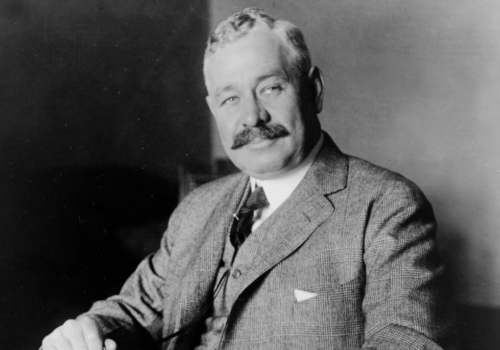
Joseph Sherman Frelinghuysen (1869–1948) was a New Jersey Republican politician and the last U.S. senator from the prominent Frelinghuysen political dynasty. He served in the U.S. Senate from 1917 to 1923 after earlier service in the New Jersey State Senate.
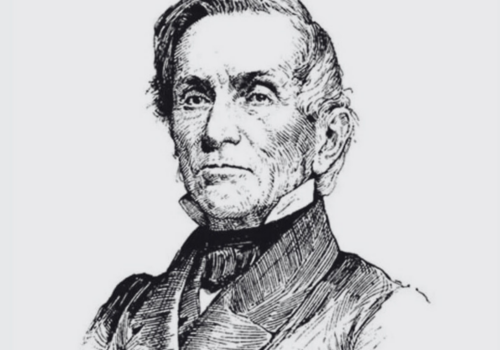
Theodore Frelinghuysen (1787–1862) was a New Jersey lawyer, U.S. senator, and educator who later served as president of Rutgers College. A prominent Whig leader, he opposed the Indian Removal Act and was the 1844 vice-presidential candidate with Henry Clay.
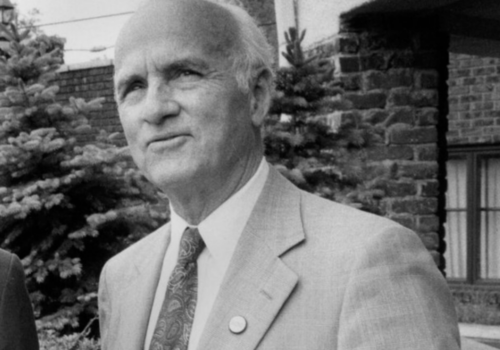
Peter Hood Ballantine Frelinghuysen Jr. (1916–2011) was a Republican congressman from New Jersey who served in the U.S. House of Representatives from 1953 to 1975. A member of the Frelinghuysen political dynasty, he also served in the Office of Naval Intelligence during World War II.
John F. Frelinghuysen (1776–1833) was a New Jersey lawyer, militia officer in the War of 1812, and state legislator. The son of U.S. Senator Frederick Frelinghuysen, he also served in the New Jersey Legislative Council representing Somerset County.
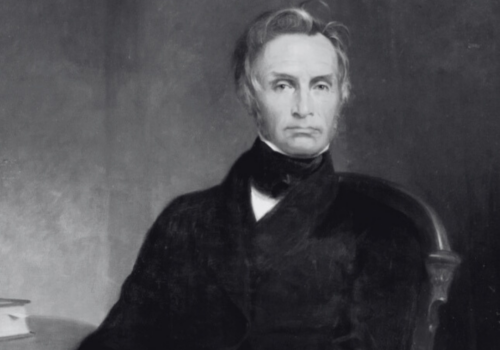
Theodorus Jacobus Frelinghuysen (1691–1747) was a Dutch Reformed minister who arrived in New Jersey in 1720 and became a leading revivalist preacher in the Raritan Valley. He was the patriarch of the Frelinghuysen family political dynasty.
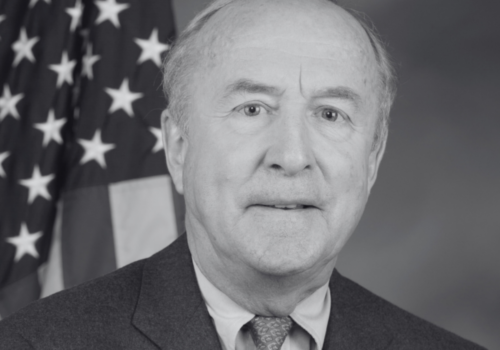
Rodney P. Frelinghuysen (born 1946) is a New Jersey Republican who served in the U.S. House of Representatives from 1995 to 2019. A member of the Frelinghuysen political dynasty, he previously served in the New Jersey General Assembly and as a Morris County freeholder.
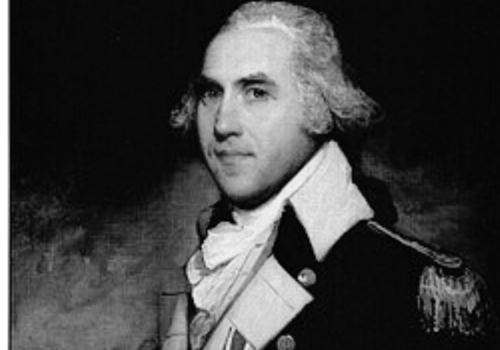
Peter Gansevoort (1749–1812) was a Continental Army officer during the American Revolution, best known for defending Fort Stanwix in 1777 against a larger British force. He later served as a brigadier general in both the New York militia and the U.S. Army.
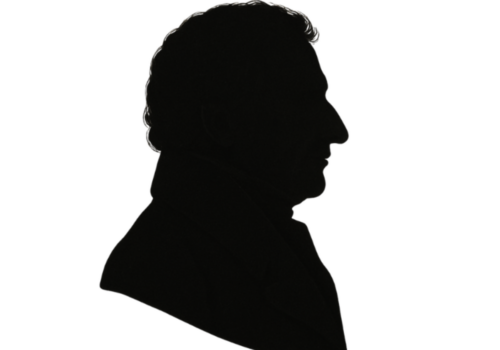
Barent Gardenier (c.1776–1822) was a New York lawyer and Federalist who served in the U.S. House of Representatives from 1807 to 1811. Known as a strong orator, he survived a duel with Congressman George W. Campbell in 1808.
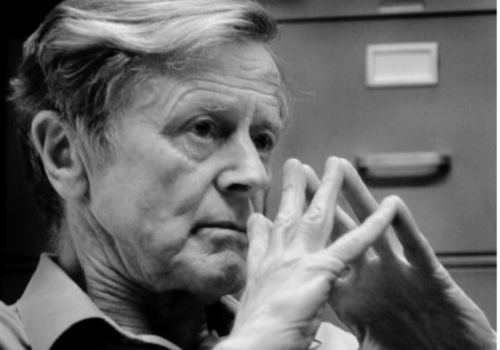
Barent Gardenier (c.1776–1822) was a New York lawyer and Federalist who served in the U.S. House of Representatives from 1807 to 1811. Known as a strong orator, he survived a duel with Congressman George W. Campbell in 1808.
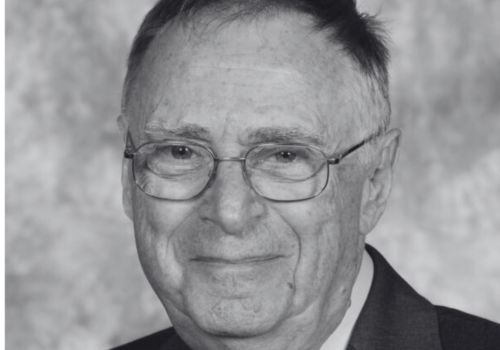
Rudy Van Gelder (1924–2016) was a pioneering American recording engineer known for shaping the sound of modern jazz. Working with labels such as Blue Note, Prestige, and Impulse!, he engineered classic recordings by artists including Miles Davis and John Coltrane.
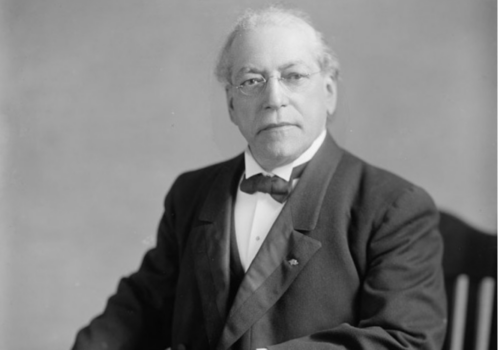
Samuel Gompers (1850–1924) was a labor leader and founding president of the American Federation of Labor (AFL). Serving for nearly four decades, he helped shape the American labor movement by advocating higher wages, safer working conditions, and organized collective bargaining.
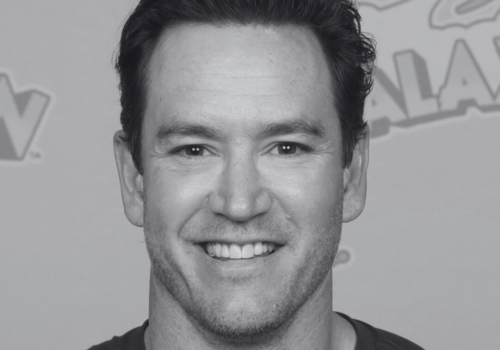
Mark-Paul Gosselaar (born 1974) is a Dutch American television actor best known for his role as Zack Morris on Saved by the Bell. He later starred in series including NYPD Blue and Raising the Bar.
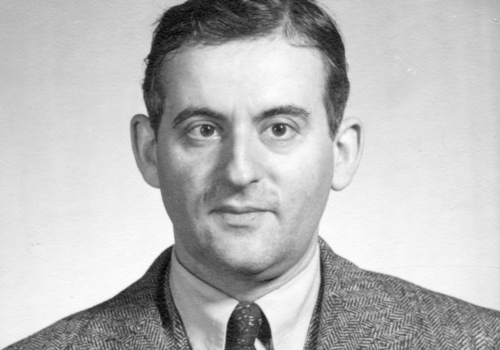
Samuel A. Goudsmit (1902–1978) was a Dutch American physicist who, with George E. Uhlenbeck, discovered electron spin in 1925. He later worked in the United States, contributing to atomic physics and serving in scientific intelligence during World War II.
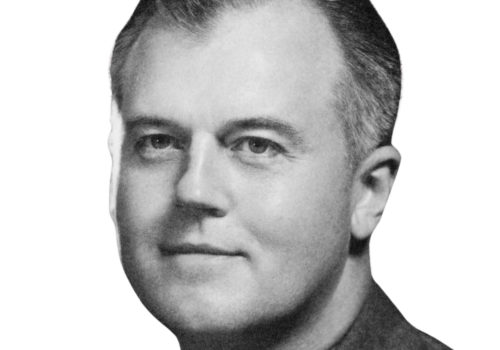
Robert J. Van de Graaff (1901–1967) was an American physicist and engineer best known for inventing the Van de Graaff generator, a high-voltage electrostatic device used in nuclear physics research and particle acceleration. He spent much of his career at MIT.
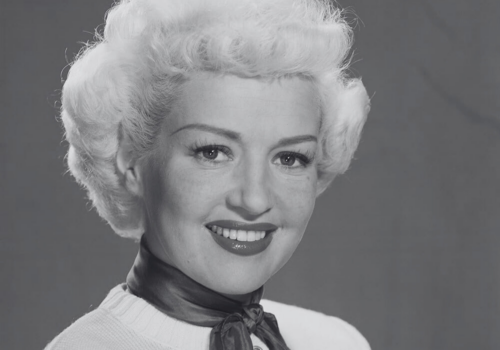
Betty Grable (1916–1973) was an American film star, singer, and dancer who became one of Hollywood’s most popular actresses of the 1940s. A leading musical-comedy star at Twentieth Century Fox, she was also the top World War II pin-up girl.
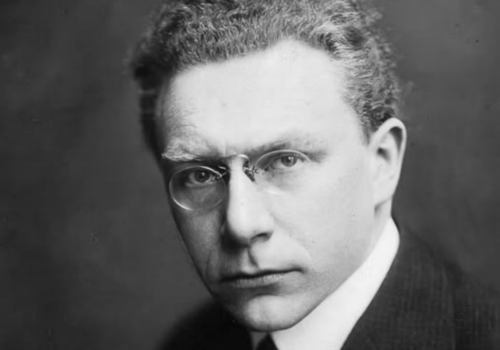
Richard Hageman (1881–1966) was a Dutch American pianist, conductor, and composer who served as a conductor at the Metropolitan Opera and later composed film scores in Hollywood. He shared an Academy Award for the music of John Ford’s film Stagecoach (1939).
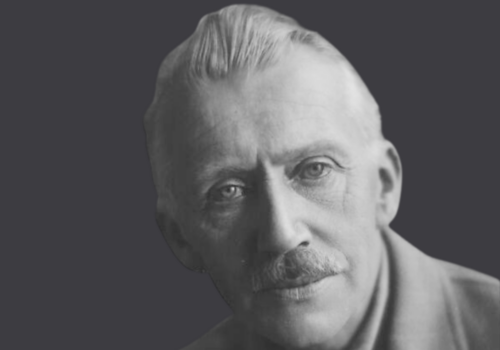
Johan Hagemeyer (1884–1962) was a Dutch American photographer associated with early twentieth-century artistic photography. Encouraged by Alfred Stieglitz and Edward Weston, he produced thousands of images, many preserved today at the Bancroft Library and the Center for Creative Photography.
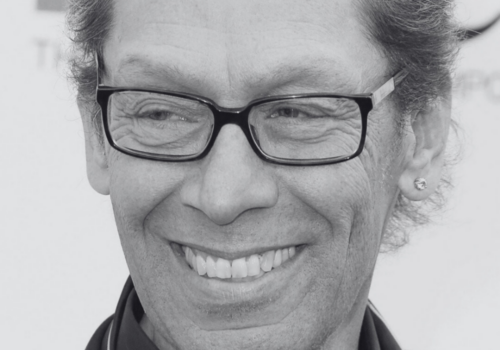
Alex Van Halen (born 1953) is a Dutch American musician and co-founder of the rock band Van Halen. As the band’s drummer, he helped shape its powerful sound alongside his brother, guitarist Eddie Van Halen.
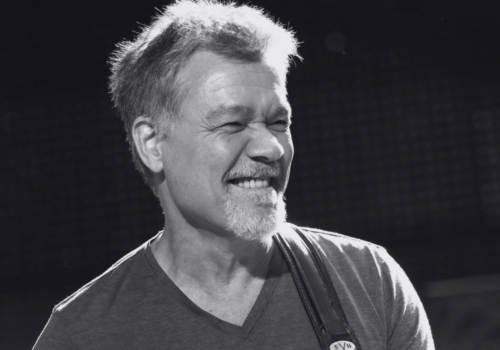
Eddie Van Halen (1955–2020) was a Dutch American rock guitarist and co-founder of the band Van Halen. Renowned for his innovative “two-handed tapping” technique, he is widely regarded as one of the most influential guitarists in rock history.
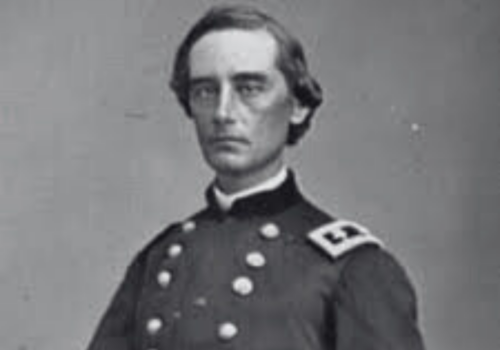
Schuyler Hamilton (1822–1903) was a Union Army general during the American Civil War and a grandson of Alexander Hamilton. A West Point graduate, he rose rapidly in rank and commanded Union forces in several Western campaigns before retiring due to ill health.
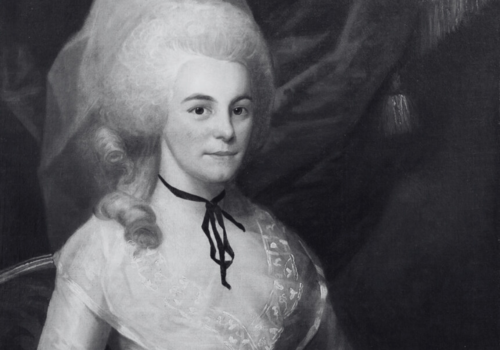
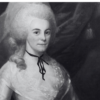
Elizabeth Schuyler Hamilton (1757–1854) was the wife of founding father Alexander Hamilton and a daughter of Revolutionary War general Philip Schuyler. After her husband’s death, she devoted much of her life to philanthropy and preserving Hamilton’s legacy.
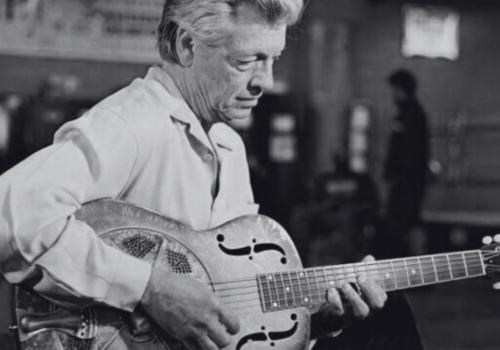
John P. Hammond (born 1942) is an American blues singer and guitarist known for his acoustic style and barrelhouse vocals. Recording since the early 1960s, he has released dozens of albums and was inducted into the Blues Hall of Fame.
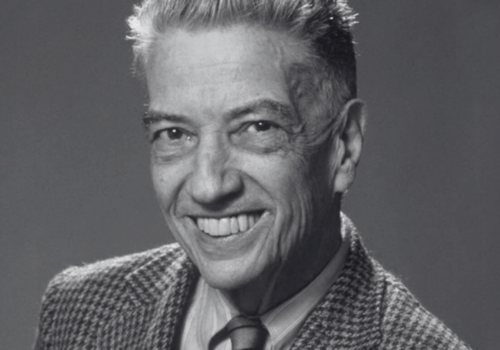
John Hammond (1910–1987) was an influential American music producer, talent scout, and civil rights advocate. Associated with Columbia Records, he helped launch the careers of artists such as Billie Holiday, Count Basie, Bob Dylan, and Bruce Springsteen.
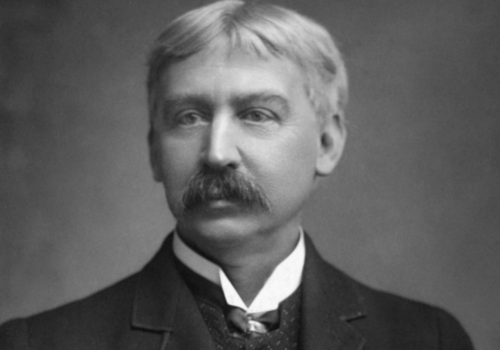
Bret Harte (1836–1902) was an American author and poet known for stories about California Gold Rush towns and frontier life. His story The Luck of Roaring Camp brought him national fame and helped shape early Western literature.
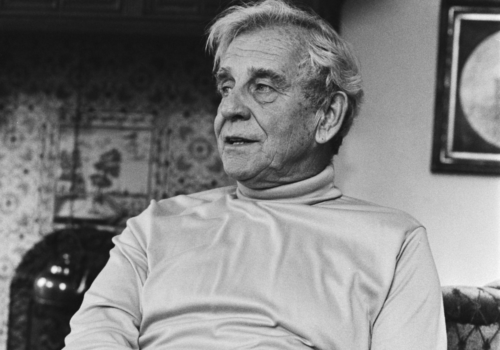
Jan de Hartog (1914–2002) was a Dutch American novelist and playwright whose works were written in both Dutch and English. Best known for Holland’s Glory, The Fourposter, and The Captain, he produced dozens of novels, plays, and films during a long literary career.
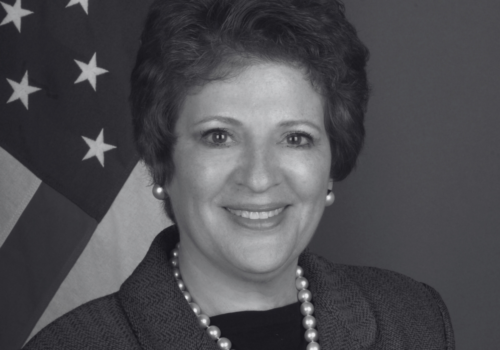
Fay Hartog-Levin (born 1948) is an American lawyer and diplomat who served as U.S. Ambassador to the Netherlands from 2009 to 2013, appointed by President Barack Obama. She previously worked in law, public affairs, and museum leadership in Chicago.
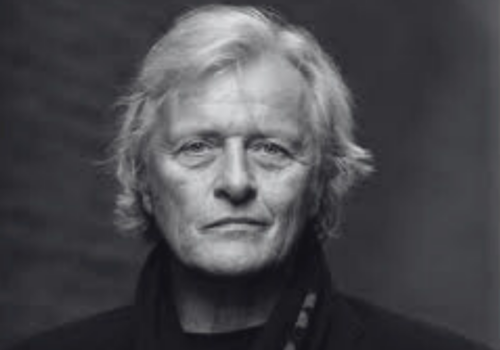
Rutger Hauer (1944–2019) was a Dutch actor who achieved international fame for roles in films such as Blade Runner, Nighthawks, and Turkish Delight. Celebrated for his distinctive presence on screen, he worked extensively in Dutch, American, and international cinema.
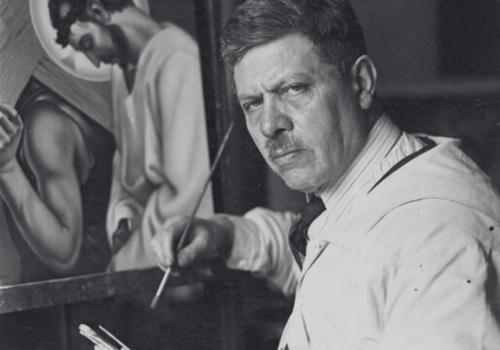
Anthony Heinsbergen (1894–1981) was a Dutch American muralist and decorative artist known for creating murals in hundreds of theaters and public buildings across the United States. His work appeared in landmarks such as Los Angeles City Hall and numerous historic theaters.
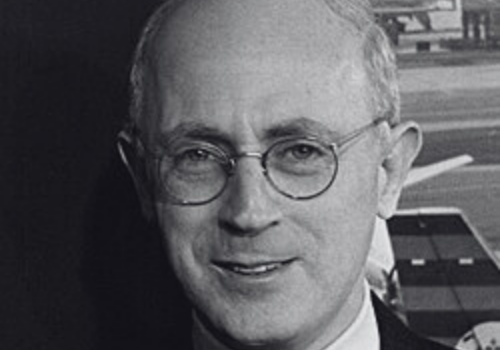
Hendrik S. Houthakker (1924–2008) was a Dutch-born American economist and Harvard professor known for his work on consumer behavior and revealed preference theory. A survivor of World War II in the Netherlands, he later advised President Richard Nixon.
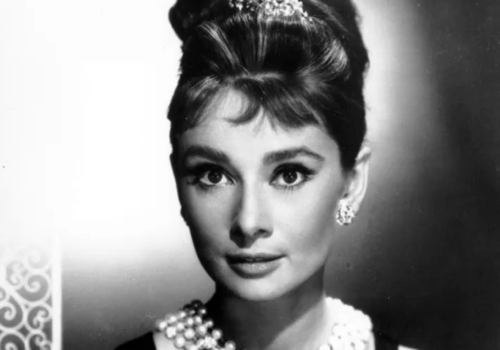
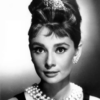
Audrey Hepburn (1929–1993) was a British-Dutch actress and humanitarian who became one of the most iconic film stars of the twentieth century. Known for films such as Roman Holiday, Breakfast at Tiffany’s, and My Fair Lady, she later served as a UNICEF Goodwill Ambassador advocating for children worldwide.
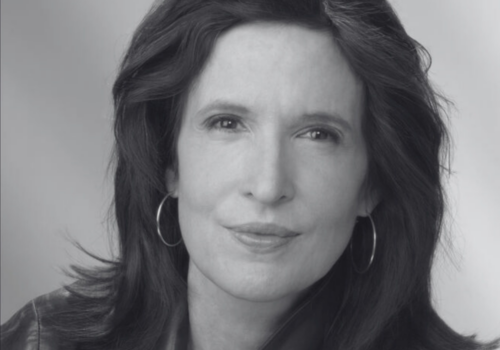
Katrina vanden Heuvel (born 1959) is an American editor, publisher, and political commentator. She has served as editor and later publisher of The Nation magazine and is known as a prominent voice of liberal political commentary in the United States.
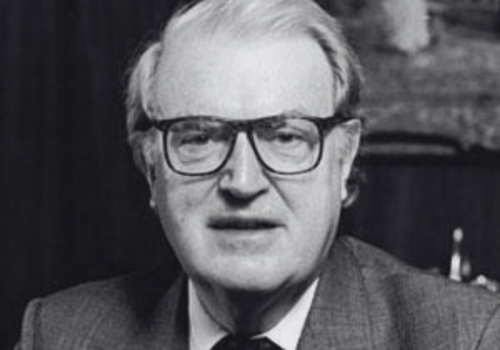
William J. vanden Heuvel (1930–2021) was an American diplomat, lawyer, and public servant who served as U.S. Ambassador to the United Nations European Office in Geneva and later as Deputy U.S. Representative to the United Nations, while also leading several major international organizations.
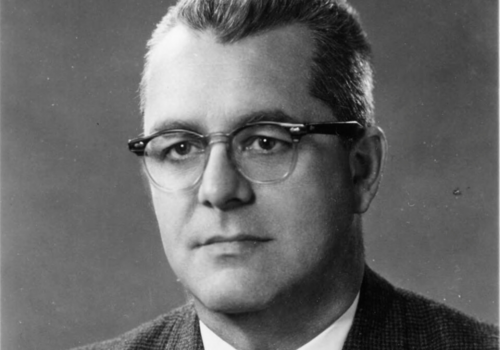
Roger W. Heyns (1918–1995) was an American psychologist and university administrator who served as chancellor of the University of California, Berkeley from 1965 to 1971 during a period of intense student activism. He later led the American Council on Education.
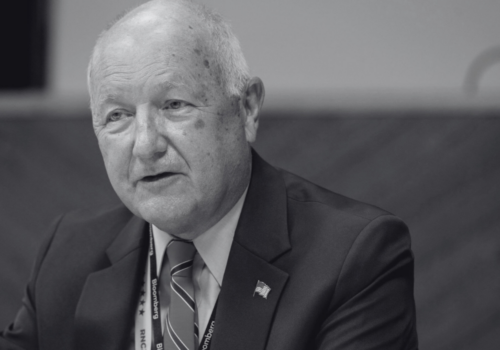
Peter Hoekstra (born 1953) is a Dutch-born American politician who served as a Republican member of the U.S. House of Representatives from Michigan from 1993 to 2011. He also chaired the House Permanent Select Committee on Intelligence.
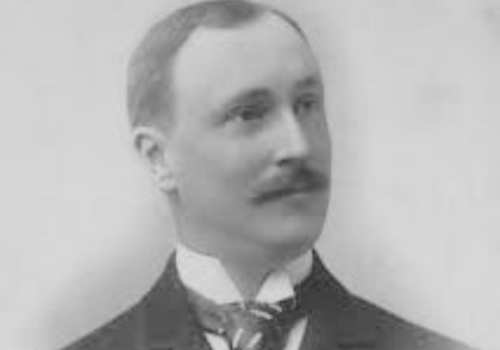
William S. Hofstra (1861–1932), son of a Dutch immigrant from Friesland, was a successful lumber businessman whose Hempstead, Long Island estate later became the site of Hofstra University, established through a memorial trust created by his widow, Kate Mason Hofstra.
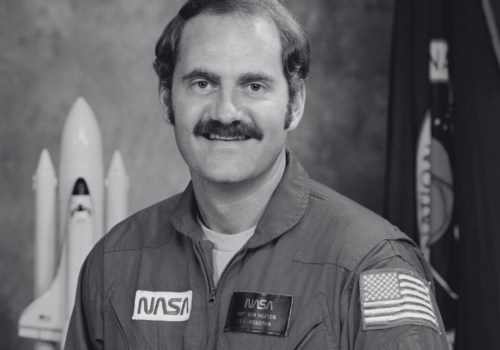
James A. Van Hoften (born 1944) is a former NASA astronaut and engineer who flew on two Space Shuttle missions, STS-41-C (1984) and STS-51-I (1985), serving as a mission specialist and performing satellite repair and spacewalk operations.
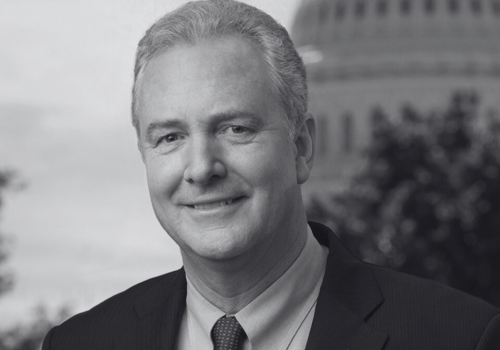
Chris Van Hollen (born 1959) is an American politician who served as a U.S. Representative from Maryland from 2003 to 2017 and later became a U.S. Senator. He previously chaired the Democratic Congressional Campaign Committee and has focused on economic and public policy issues.
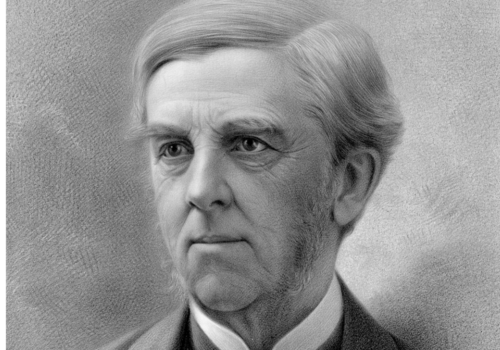
Oliver Wendell Holmes Sr. (1809–1894) was an American physician, professor, poet, and essayist associated with the Fireside Poets, best known for works such as Old Ironsides and the Breakfast-Table essays. His son, Oliver Wendell Holmes Jr. (1841–1935), became one of the most influential justices of the U.S. Supreme Court.
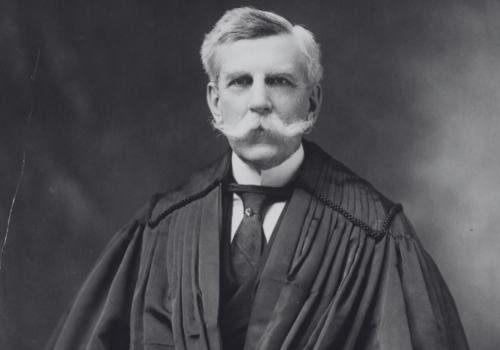
Oliver Wendell Holmes Jr. (1841–1935) was a U.S. Supreme Court Justice appointed by Theodore Roosevelt in 1902 and served until 1932. A veteran of the American Civil War and former professor at Harvard Law School, he became one of the most influential jurists in American history and authored the landmark legal work The Common Law (1881).
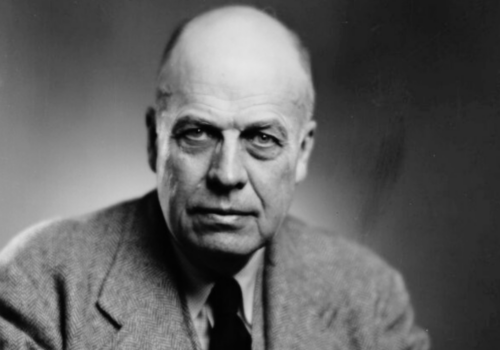
Edward Hopper (1882–1967) was an American realist painter known for evocative scenes of urban and small-town life. His iconic painting Nighthawks captured the mood and isolation of twentieth-century America through stark light, quiet streets, and solitary figures.
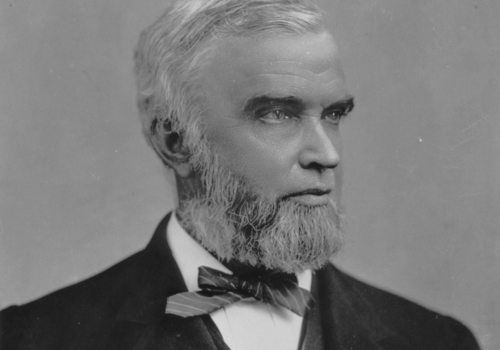
Burt Van Horn (1823–1896) was a New York farmer, textile manufacturer, and Republican politician who served in the U.S. House of Representatives during the Civil War era. He later worked as Collector of Internal Revenue in Rochester.
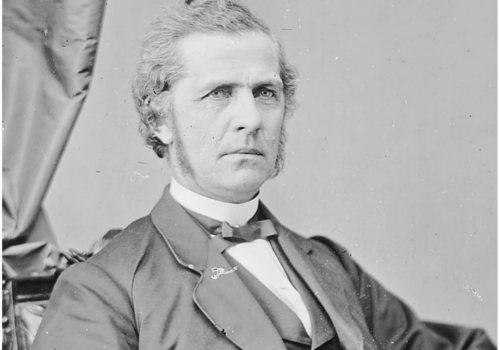
Burt Van Horn (1823–1896) was a New York farmer, textile manufacturer, and Republican politician who served in the U.S. House of Representatives during the Civil War era. He later worked as Collector of Internal Revenue in Rochester.
Archibald Van Horne (d. 1817) was a Maryland politician who served in the U.S. House of Representatives from 1807 to 1811. He also served in the Maryland House of Delegates and State Senate and chaired the House Committee on the District of Columbia.
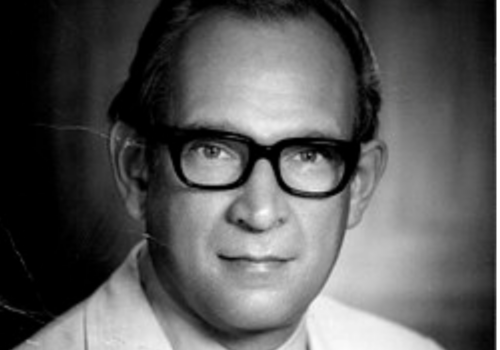
John Hospers (1918–2011) was an American philosopher and political figure who became the Libertarian Party’s first presidential candidate in 1972. A longtime professor at the University of Southern California, he wrote extensively on philosophy, art, and libertarian political theory.
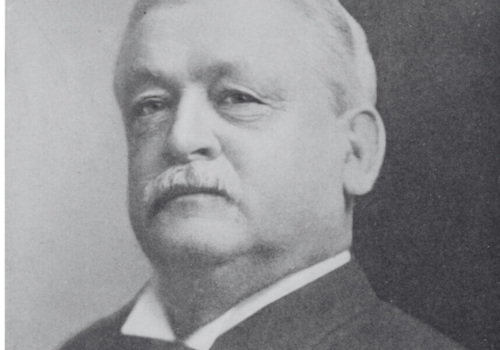
Henry Shippen Huidekoper was a Civil War officer who commanded a regiment at the Battle of Gettysburg and later received the Medal of Honor after being severely wounded in combat. A graduate of Harvard University, he later served as postmaster of Philadelphia and held executive positions with the Bell Telephone Company.
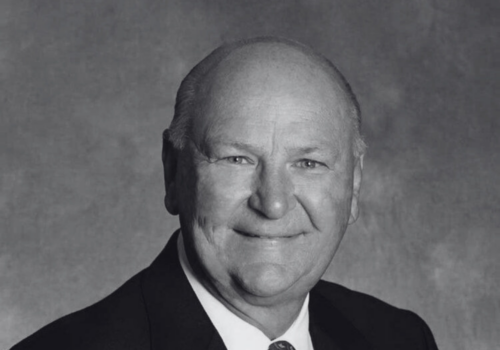
Wayne Huizenga (1937–2018) was an American entrepreneur who built several major corporations, including Waste Management, Inc., Blockbuster LLC, and AutoNation. Known for acquiring and expanding fragmented service industries, he became one of the most successful business builders in modern American corporate history.
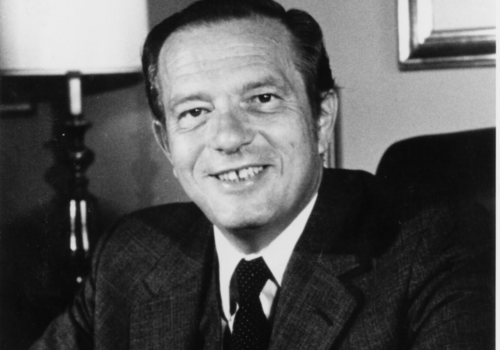
Guy Vander Jagt (1931–2007) was a Michigan Republican who served 26 years in the U.S. House of Representatives. A Hope College graduate, he later helped establish Dutch American Heritage Day and was honored by the Netherlands.
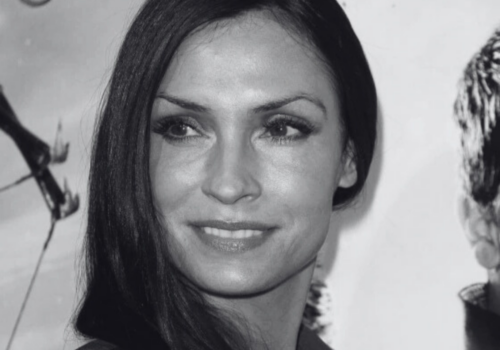
Famke Janssen (born 1965) is a Dutch actress and former fashion model who gained international fame as a Bond villain in GoldenEye and as Jean Grey in the X-Men film series. She has also directed films.
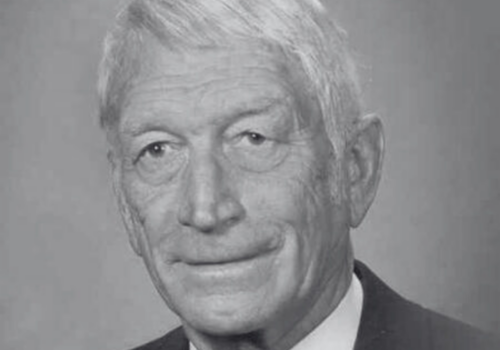
Henry “Hank” Jansen (d. 2002) was a transportation entrepreneur who founded Lynden Transport and pioneered commercial trucking between the Pacific Northwest and Alaska after construction of the Alaska Highway, building Lynden into a major logistics company.
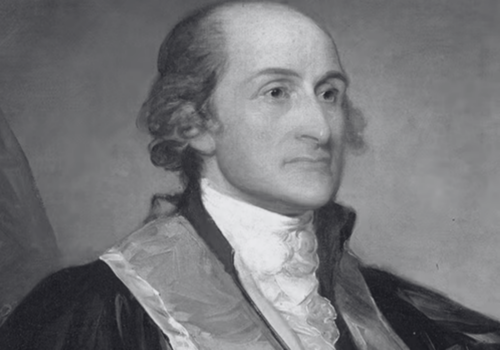
John Jay (1745–1829) was a Founding Father, diplomat, jurist, and statesman who served as president of the Continental Congress, first Chief Justice of the United States, and governor of New York, shaping the early republic.
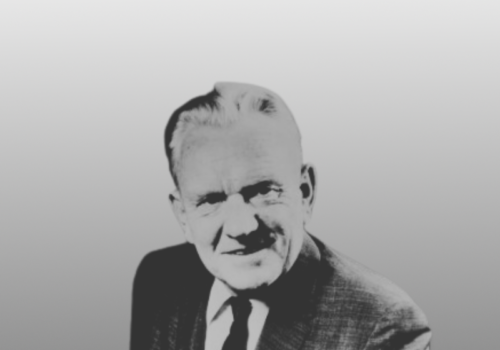
Meindert De Jong (1906–1991) was a Dutch-born American author of children’s books who won the Newbery Medal for The Wheel on the School and the Hans Christian Andersen Medal for his lasting contributions to children’s literature.
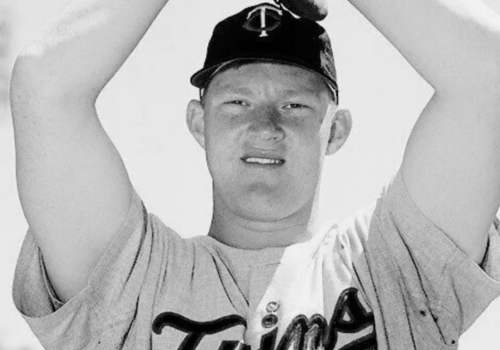
Jim Kaat (born 1938) is a Dutch American former Major League Baseball pitcher and broadcaster. Over a 25-year career he won 16 Gold Glove Awards and later became an Emmy-winning baseball analyst for NBC, ESPN, and the Yankees Network.
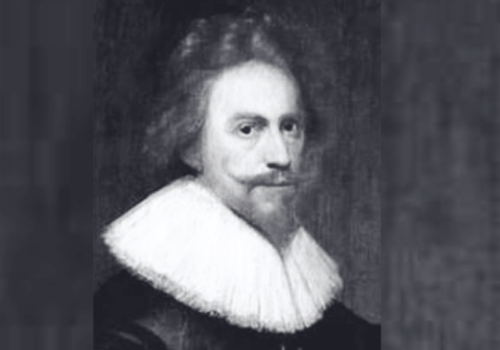
Willem Kieft (c.1597–1647) served as Director of New Netherland from 1638 to 1647. His authoritarian leadership and conflicts with settlers and Native Americans sparked Kieft’s War, leading to his recall by Dutch authorities.
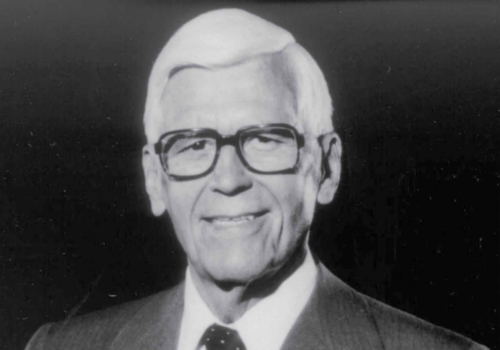
Peter Kiewit (1900–1979) was an American construction executive who transformed his family’s Omaha contracting firm into the global Kiewit Corporation. Under his leadership, the company built major infrastructure projects and became one of North America’s largest construction firms.
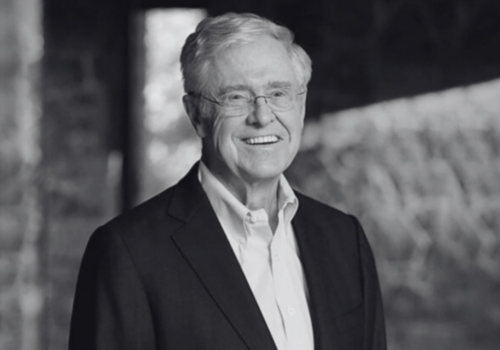
Charles G. Koch (born 1935) is an American businessman and chairman of Koch Industries. Under his leadership, the company grew into the world’s largest privately held corporation, expanding from oil refining into diverse global industrial operations.
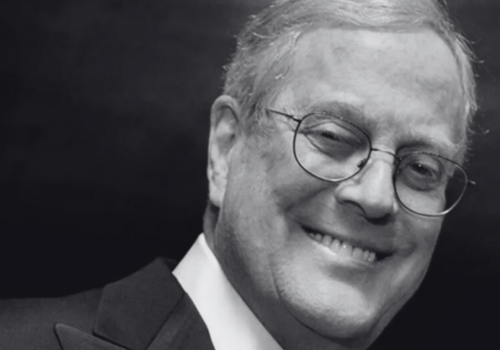
David H. Koch (1940–2019) was an American businessman, philanthropist, and executive vice president of Koch Industries. A co-owner of the company, he became widely known for major charitable donations supporting medical research, education, and cultural institutions.
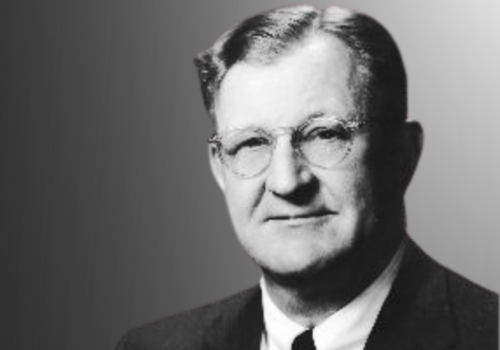
Fred C. Koch (1900–1967) was an American chemical engineer and entrepreneur who developed innovative oil refining processes and founded businesses that evolved into Koch Industries, which later became the largest privately held corporation in the United States.
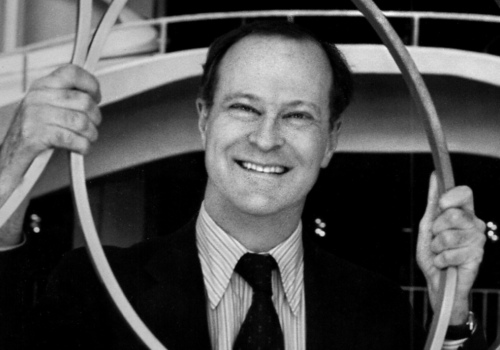
Frederick R. Koch (1932–2020) was an American collector, philanthropist, and eldest son of Koch Industries founder Fred C. Koch. Unlike his brothers, he pursued the arts, building major collections of rare books, manuscripts, and drawings.
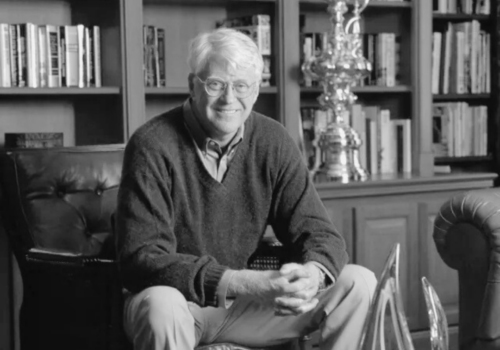
William I. Koch (born 1940) is an American businessman and entrepreneur who founded the Oxbow Group after selling his stake in Koch Industries. He is also known for financing the winning 1992 America’s Cup sailing team.
Harry Koch (1867–1942) was a Dutch immigrant, printer, and newspaper publisher in Quanah, Texas. He founded the Quanah Tribune-Chief and was the father of Fred C. Koch and grandfather of industrialists Charles and David Koch.
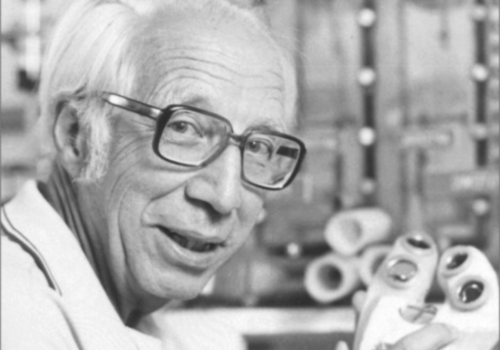
Willem J. Kolff (1911–2009) was a Dutch-born physician and biomedical pioneer who invented the first practical artificial kidney and helped develop artificial organs, including early artificial heart technology, saving countless patients suffering from kidney and heart failure.
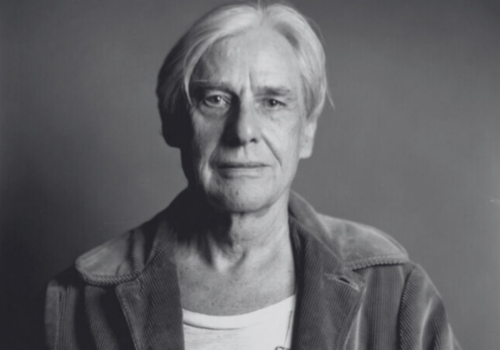
Willem de Kooning (1904–1997) was a Dutch-born American painter and leading figure in Abstract Expressionism. Known for powerful, expressive works such as his Woman series, he became one of the most influential artists of the twentieth century.
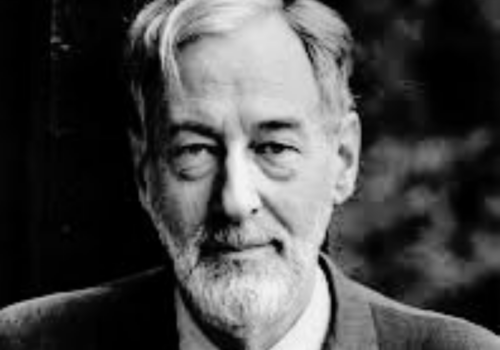
Tjalling C. Koopmans (1910–1985) was a Dutch-born American economist who won the 1975 Nobel Prize in Economics for work on optimal resource allocation and linear programming, helping establish the field of mathematical economics.
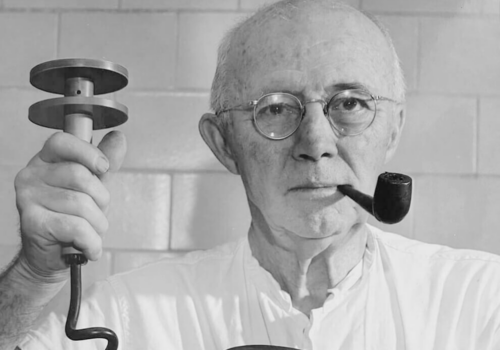
William B. Kouwenhoven (1886–1975) was an American electrical engineer and researcher whose work led to the development of the cardiac defibrillator and modern cardiopulmonary resuscitation (CPR), revolutionizing emergency treatment for cardiac arrest.
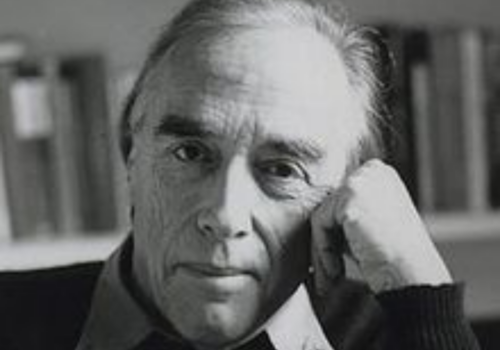
Hans Koning (1921–2007), born Hans Koningsberger, was a Dutch-born American novelist, journalist, and screenwriter. A former member of the Dutch resistance during World War II, he later wrote widely for major magazines and newspapers.
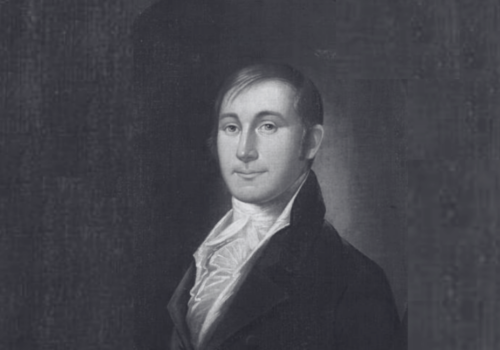
Herman Knickerbocker (1779–1855) was a New York lawyer, Federalist politician, and U.S. congressman who represented the Albany region from 1809 to 1811. A descendant of early Dutch settlers, he later managed the Knickerbocker family estate.
Louis Kregel (1888–1939) and his son Robert Kregel (1919–2011) were Dutch American booksellers and publishers who built Kregel Books in Grand Rapids, Michigan into a leading distributor and publisher of Christian literature.
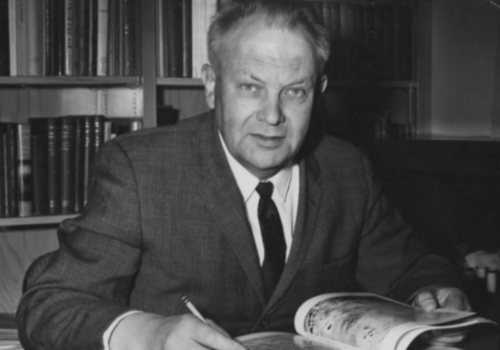
Gerard Kuiper (1905–1973) was a Dutch-born astronomer and pioneer of modern planetary science. He discovered several planetary satellites and atmospheres and proposed the Kuiper Belt, a distant region of icy bodies beyond Neptune believed to be the source of many comets.
Peter Kuyper and his wife Lucille acquired the Rolscreen window screen company in 1925 and moved it to Pella, Iowa. Their firm evolved into the Pella Corporation, a major manufacturer of windows and doors.
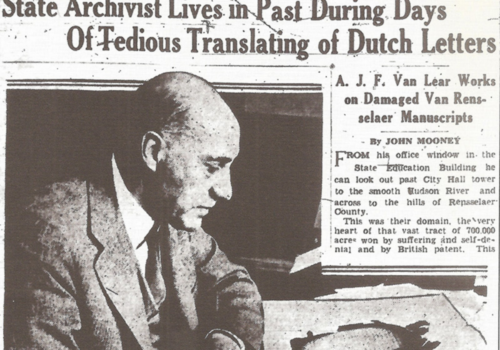
A.J.F. Van Laer (1869–1955) was a Dutch American archivist and historian who translated and edited early Dutch records of New Netherland and Albany, preserving key seventeenth-century colonial documents despite major losses in the 1911 New York Capitol fire.
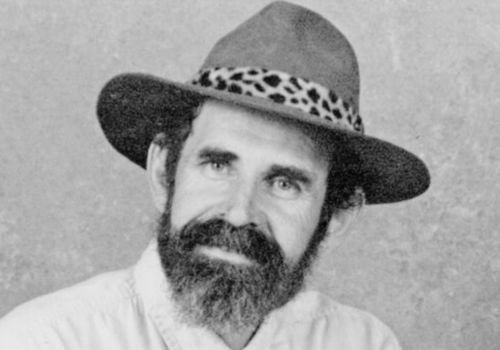
Jessica Lange (born 1949) is an American actress who rose to prominence after early struggles, later winning two Academy Awards for Tootsie (1982) and Blue Sky (1994) and earning acclaim across film, television, and theater.
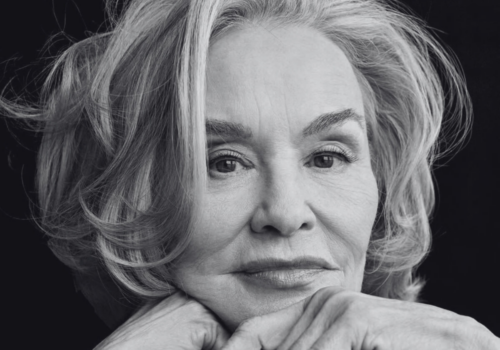
Jessica Lange (born 1949) is an American actress who rose to prominence after early struggles, later winning two Academy Awards for Tootsie (1982) and Blue Sky (1994) and earning acclaim across film, television, and theater.
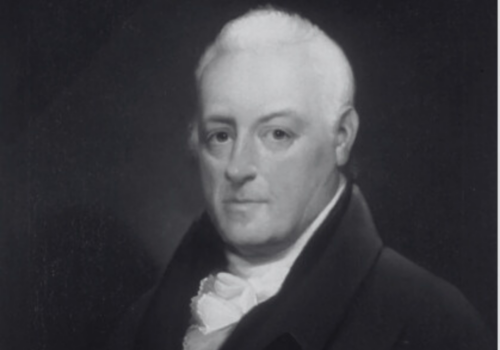
John Lansing Jr. (1754–1829) was a New York jurist and political leader who served in the Continental Congress and attended the Constitutional Convention of 1787. Though he declined to sign the Constitution, he later became Chief Justice and Chancellor of New York.
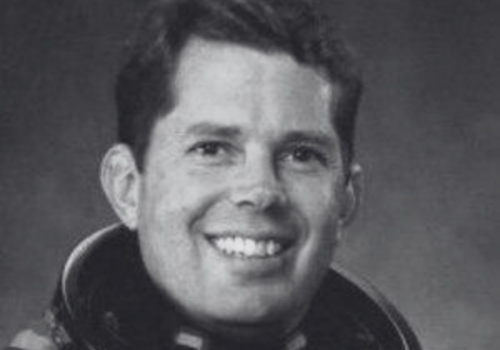
David Leestma (born 1949) is a Dutch American astronaut and U.S. Navy aviator who flew on three Space Shuttle missions between 1984 and 1992, later serving in senior NASA leadership roles overseeing astronaut operations and flight crew activities.
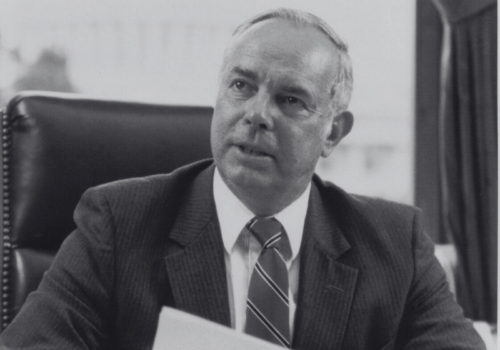
Norman F. Lent Jr. (1931–2012) was a Long Island congressman who served in the U.S. House from 1971 to 1993. A moderate Republican, he helped shape environmental legislation including the Superfund law and Clean Air Act amendments.
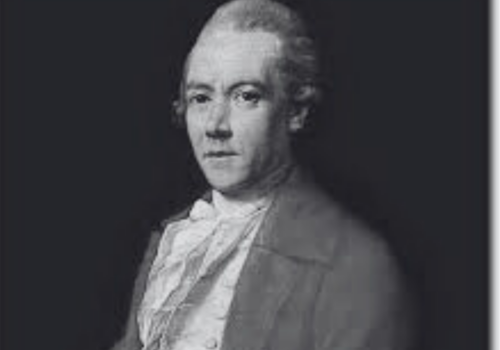
Philip Livingston (1716–1778) was a New York merchant, political leader, and signer of the Declaration of Independence. A member of the prominent Livingston family, he served in the Continental Congress and helped support the American Revolution.
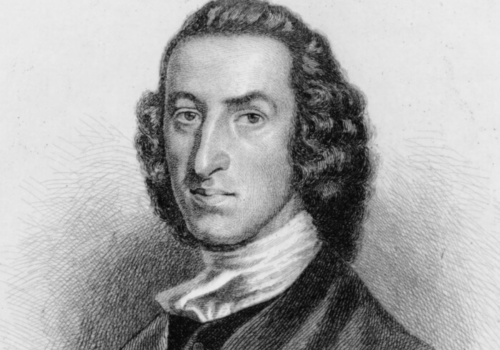
William Livingston (1723–1790) was a lawyer, patriot, and the first elected governor of New Jersey. A signer of the U.S. Constitution, he also served in the Continental Congress and supported the American cause during the Revolution.
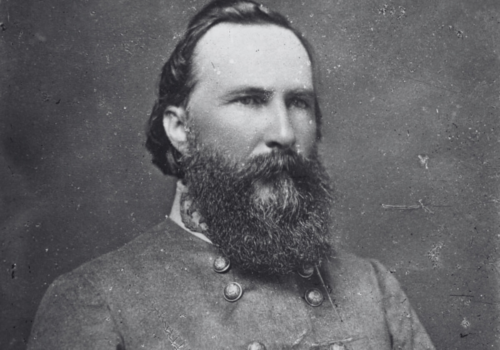
James Longstreet (1821–1904) was a senior Confederate general during the American Civil War and a principal commander under Robert E. Lee. After the war he served in several U.S. government posts and later wrote memoirs defending his wartime actions.
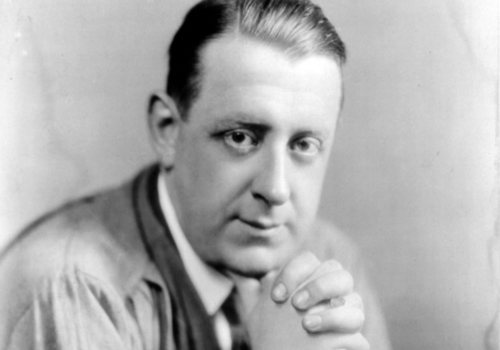
Hendrik Willem van Loon (1882–1944) was a Dutch American historian, writer, and illustrator best known for The Story of Mankind, which won the 1922 Newbery Medal and made world history accessible to younger readers.
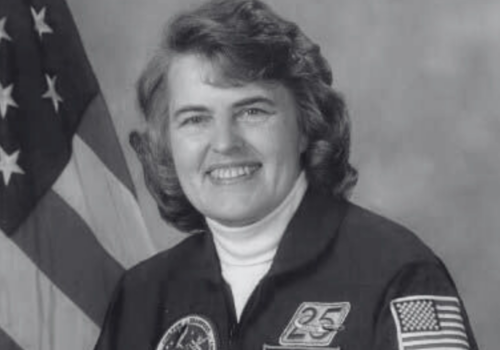
Shannon Lucid (born 1943) is an American astronaut and biochemist who flew on five NASA missions and spent 188 days aboard the Russian space station Mir in 1996, then a record for the longest spaceflight by a woman.
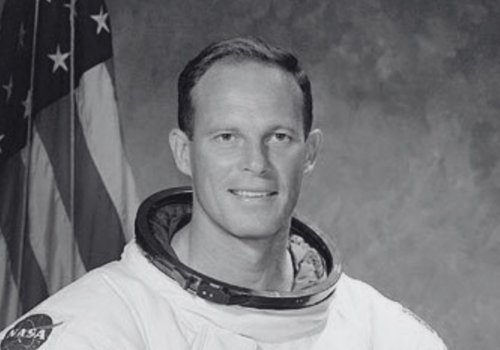
Jack R. Lousma (born 1936) is a U.S. Marine Corps aviator and NASA astronaut who flew on Skylab-3 in 1973 and commanded Space Shuttle Columbia’s STS-3 mission in 1982, logging over 1,600 hours in space.
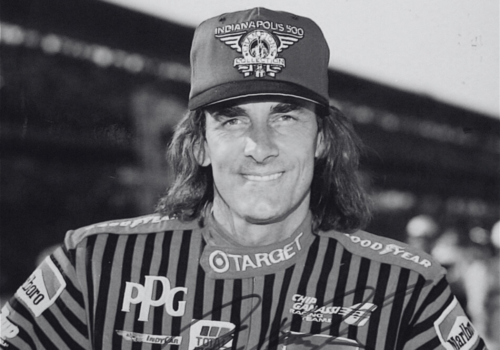
Arie Luyendyk (born 1953) is a Dutch-American race car driver and two-time Indianapolis 500 champion, winning in 1990 and 1997. A former Formula Ford champion, he later competed successfully in IndyCar and major endurance races.
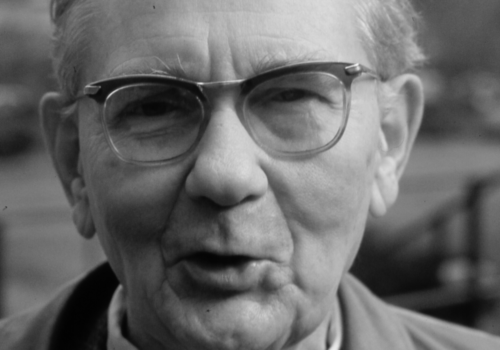
Willem Jacob Luyten (1899–1994) was a Dutch American astronomer at the University of Minnesota who became the leading authority on stellar proper motion, cataloging over 200,000 stars and discovering many nearby stars including the well-known Luyten’s Star.
Frederick Manfred (1912–1994), born Frederick Feikes Feikema VII, was a regional American novelist of Dutch Frisian heritage who wrote about the northern Plains. Over four decades he published about forty books, including the acclaimed frontier novel Lord Grizzly.

Leighton Meester (born 1986) is an American actress and singer best known for playing Blair Waldorf on the television series Gossip Girl (2007–2012). She has also appeared in films including Country Strong, Monte Carlo, and The Roommate.

Doug Meijer is an American businessman and co-chairman of the Meijer retail chain. The grandson of founder Hendrik Meijer, he helped lead the family-owned supercenter company’s expansion across the Midwest alongside his brothers.
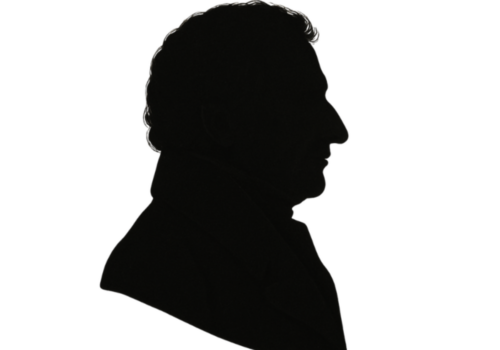
Hendrik Meijer (1883–1964) was a Dutch American entrepreneur who founded the Meijer grocery business in Michigan in 1934. His company pioneered the American supercenter retail concept and later expanded into a major Midwestern retail chain.
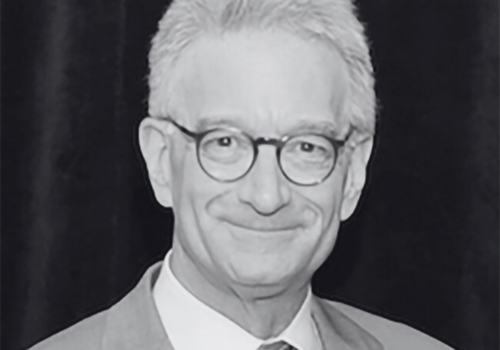
Hank Meijer is an American businessman and author who serves as co-chairman of the Meijer supercenter retail chain. Grandson of founder Hendrik Meijer, he helped lead the family company’s expansion while also writing historical biographies.
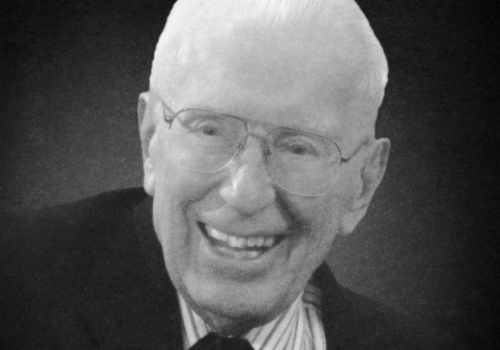
Frederik “Fred” Meijer (1919–2011) was an American retail executive who expanded the Meijer family grocery business into a major Midwestern supercenter chain. He pioneered the supercenter retail concept and later supported cultural and educational philanthropy in Michigan.
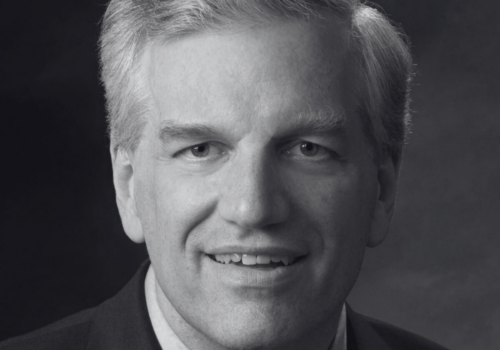
Mark Meijer is an American businessman and president of the Meijer supercenter retail chain. The grandson of founder Hendrik Meijer, he joined his brothers in managing the family company while also developing a major regional emergency medical services business.
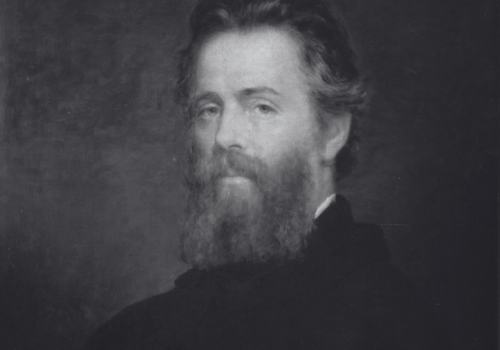
Herman Melville (1819–1891) was an American novelist and sailor best known for Moby-Dick (1851). Drawing on his seafaring experiences, he wrote influential maritime fiction that later secured his reputation as a major figure in American literature.
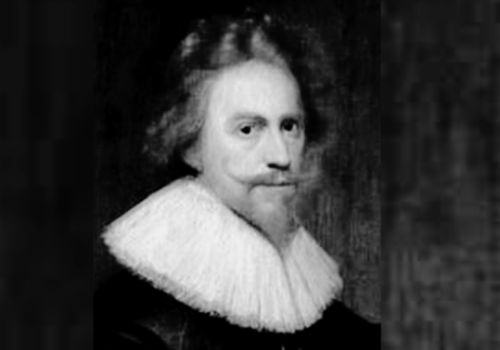
Cornelius Jacobsen Mey (fl. early 1600s) was the first director of New Netherland in 1624, appointed by the Dutch West India Company. A seasoned explorer and trader, he led early Hudson and Delaware expeditions. Cape May, New Jersey, was named in his honor.
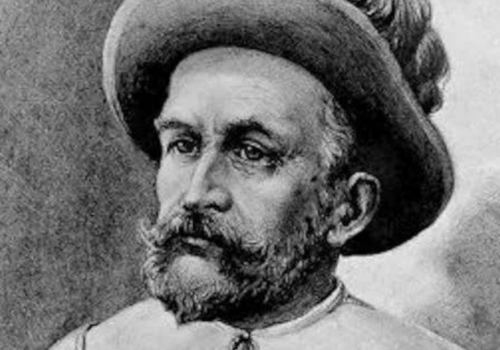
Peter Minuit (c.1580–1638), a Walloon-born merchant and diamond cutter, served as Director-General of New Netherland from 1626 to 1631. He is best known for purchasing Manhattan from the Lenape for 60 guilders. Later, he helped establish the Swedish colony of New Sweden.
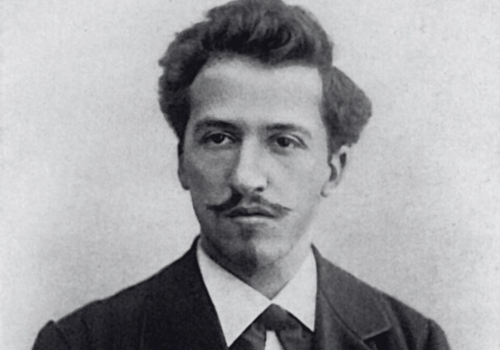
Piet Mondrian (1872–1944) was a Dutch modernist painter and co-founder of De Stijl. After fleeing war-torn Europe, he spent his final years in New York, where he created some of his most celebrated abstract works.
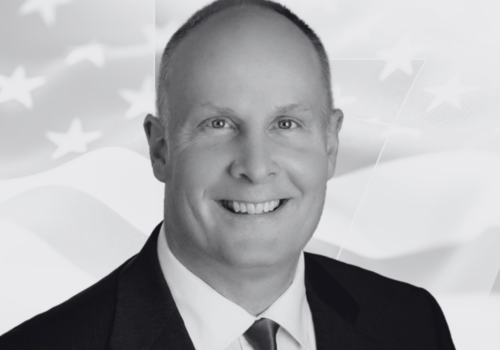
John Moolenaar (b. 1961) is a Republican U.S. Representative from Michigan’s 4th Congressional District, first elected in 2014. A former Michigan state legislator, he serves on the Agriculture, Budget, and Science, Space and Technology committees and advocates for Great Lakes protection and small business growth.
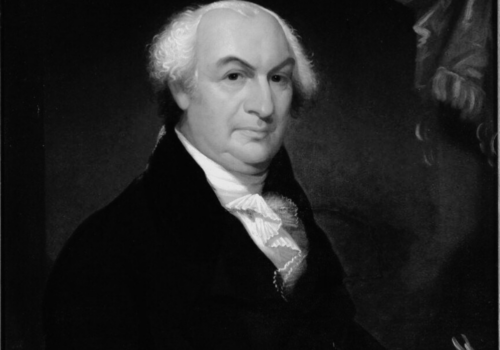
Gouverneur Morris (1752–1816) was an American statesman, diplomat, and Founding Father who helped draft the U.S. Constitution and is credited with writing its famous preamble, “We the People.” A New York delegate, he later served as U.S. senator and diplomat to France.
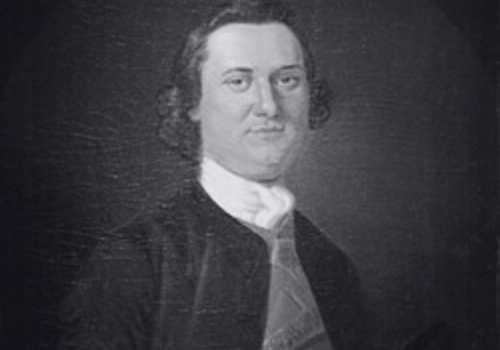
Lewis Morris III (1726–1798) was a New York statesman and one of the signers of the Declaration of Independence. A delegate to the Continental Congress, he came from the prominent Morris family of Morrisania and had deep Dutch ancestry through the Staats family.
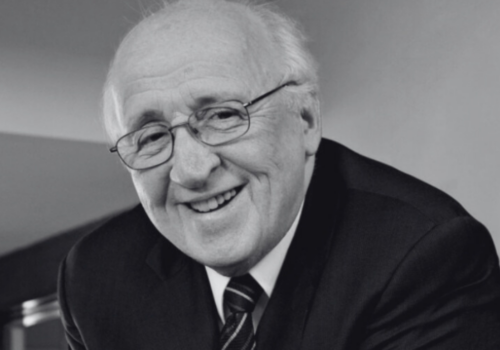
Richard J. Mouw (b. 1940) is an American philosopher and theologian who served as president of Fuller Theological Seminary. A leading evangelical thinker, he has written extensively on Christian philosophy, culture, and interfaith dialogue.
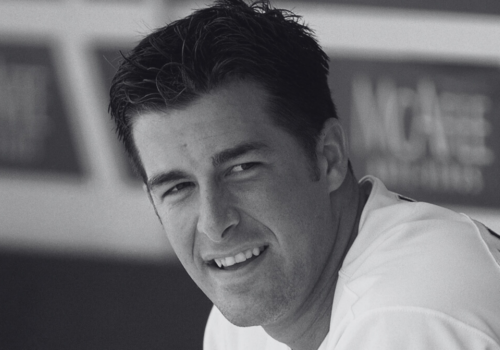
Mark Mulder (b. 1977) is a former Major League Baseball pitcher best known for his years with the Oakland Athletics and St. Louis Cardinals. A two-time All-Star, he led the American League with 21 wins in 2001 and was one of baseball’s top pitchers in the early 2000s.
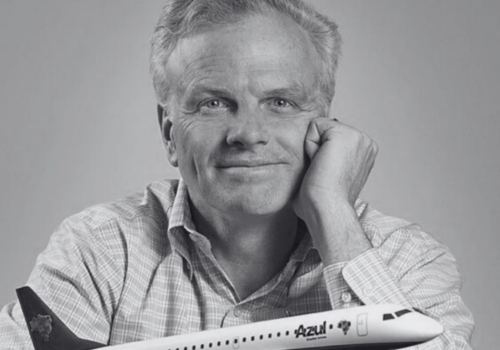
David Neeleman (b. 1959) is a Brazilian-born American entrepreneur and airline executive best known as the founder of JetBlue Airways. A pioneer of low-cost airline models, he previously co-founded Morris Air and later helped launch several international airlines.
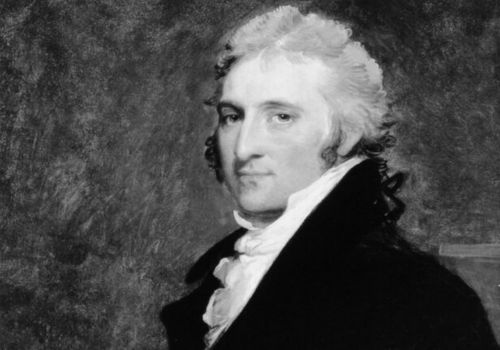
John Peter Van Ness (1770–1846) was an American politician, soldier, and civic leader who served briefly in the U.S. House of Representatives from New York. After moving to Washington, D.C., he became a militia general and later served as mayor of Washington from 1830 to 1834.
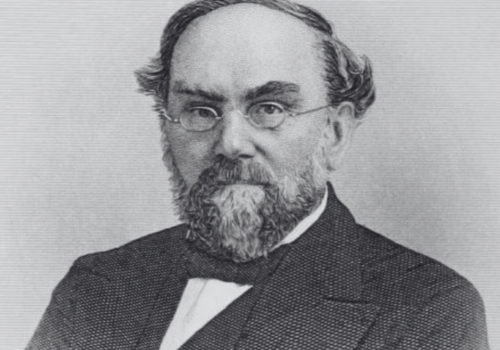
David Van Nostrand (1811–1886) was an American publisher and bookseller who founded the D. Van Nostrand Company in New York in 1848. The firm became a leading publisher of scientific, engineering, and technical works throughout the nineteenth and twentieth centuries.
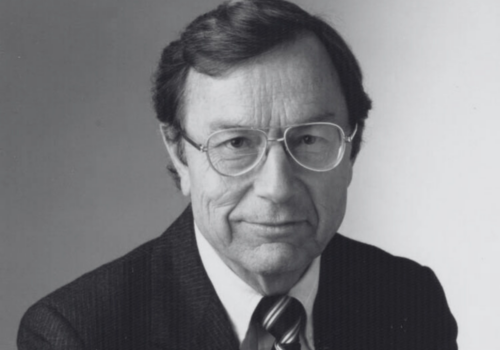
Ray Noorda (1924–2006) was an American technology executive and entrepreneur known as the “Father of Network Computing.” As CEO of Novell from 1982 to 1994, he transformed the struggling company into a global leader in network software with its NetWare operating system.
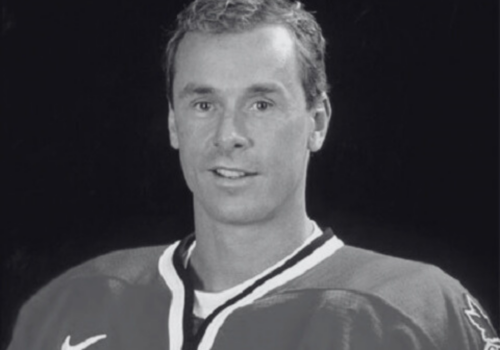
Joe Nieuwendyk (b. 1966) is a Canadian-born professional ice hockey player of Dutch descent who starred in the NHL. A prolific goal scorer, he won three Stanley Cups with three different teams and the 1999 Conn Smythe Trophy.
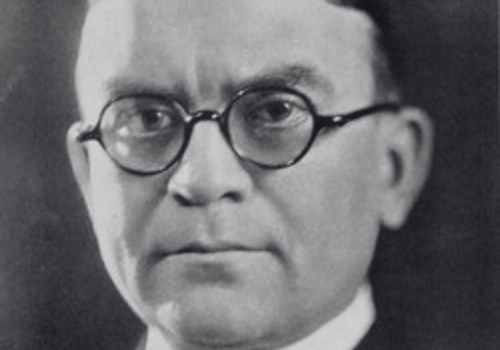
Frederick Van Nuys (1874–1944) was an American lawyer and Democratic politician who served as a United States Senator from Indiana from 1933 until his death in 1944. Previously a state senator and U.S. attorney, he became a prominent Midwestern political figure during the Roosevelt era.
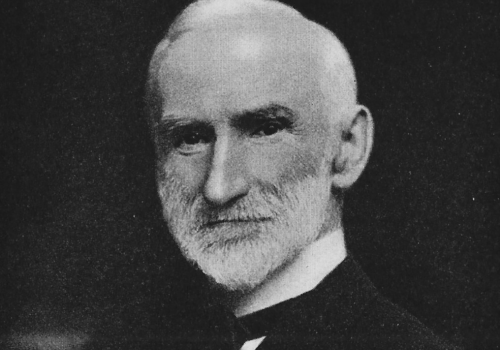
Isaac Newton Van Nuys (1836–1912) was a California rancher, banker, and entrepreneur who helped develop the San Fernando Valley and founded the community that became Van Nuys, California. His investments in agriculture, milling, and real estate helped shape early Los Angeles growth.
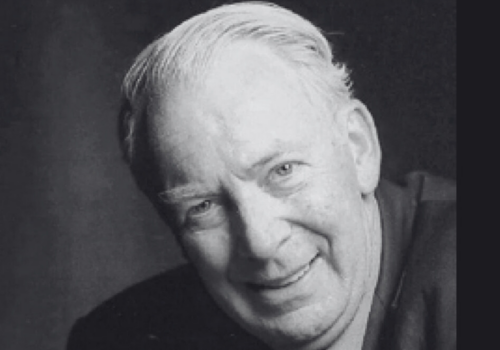
Heiko A. Oberman (1930–2001) was a Dutch-American historian and theologian known for his scholarship on the Reformation and late medieval theology. His influential biography Luther: Man Between God and the Devil reshaped modern understanding of Martin Luther and the Reformation.
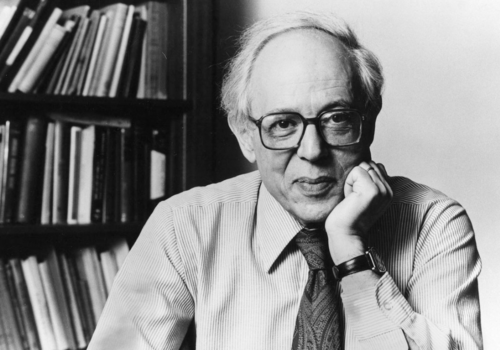
Abraham Pais (1918–2000) was a Dutch-American theoretical physicist and science historian who made important contributions to particle physics and later became known for his influential biographies of leading physicists, including Albert Einstein and J. Robert Oppenheimer.
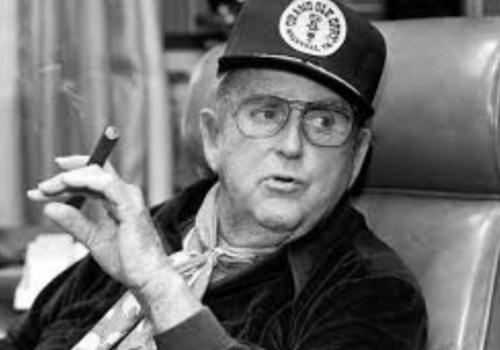
Colonel Tom Parker (1909–1997), born Andreas Cornelis van Kuijk in the Netherlands, was the longtime manager of Elvis Presley and one of the most influential figures in popular music management. His aggressive promotion helped turn Presley into a global superstar.
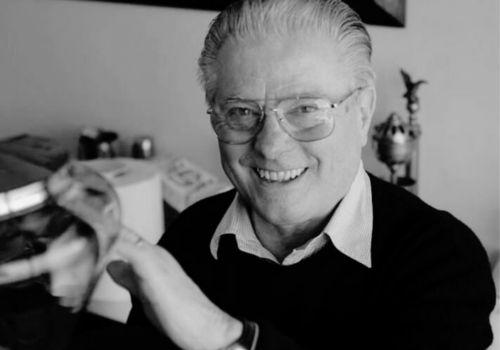
Alfred Peet (1920–2007) was a Dutch-American coffee roaster and entrepreneur who helped launch the American specialty coffee movement. Founder of Peet’s Coffee & Tea in Berkeley in 1966, he influenced the founders of Starbucks and transformed U.S. coffee culture.
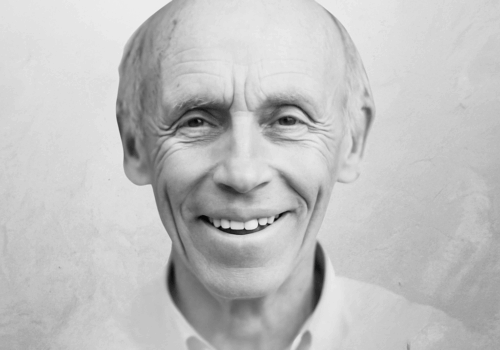
C. Carl Pegels was a Dutch-born American academic and writer focused on Dutch American heritage
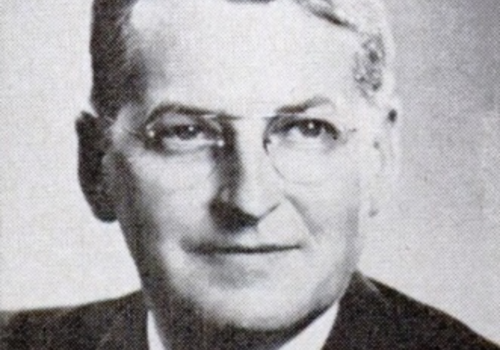
William Kaiser Van Pelt (1905–1996) was an American businessman and Republican politician who represented Wisconsin in the U.S. House of Representatives from 1951 to 1965. Before his congressional career, he owned and operated the City Fuel Company in Fond du Lac, Wisconsin.
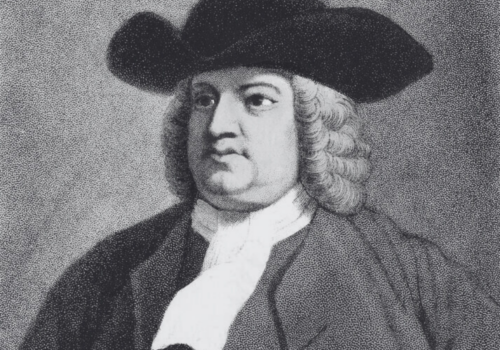
William Penn (1644–1718) was an English Quaker leader and colonial proprietor who founded the Province of Pennsylvania and the city of Philadelphia. His colony became known for religious freedom, democratic governance, and peaceful relations with Native Americans.
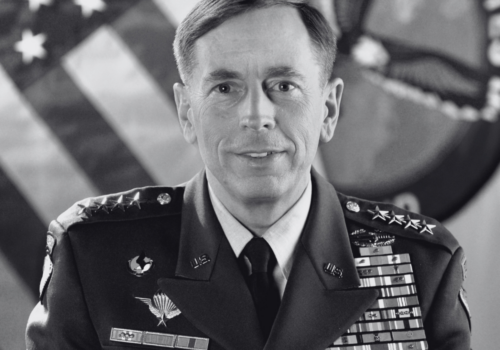
David H. Petraeus (b. 1952) is a retired four-star U.S. Army general and former Director of the CIA. He commanded coalition forces in Iraq and Afghanistan and is known for shaping modern counterinsurgency strategy during the Iraq War.
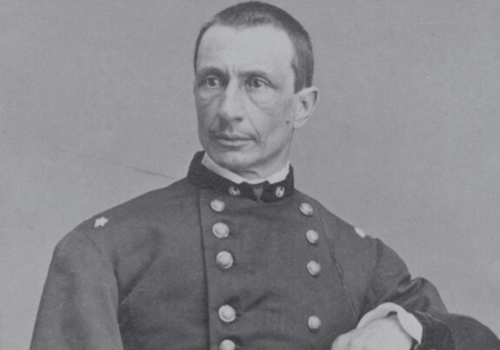
John Watts de Peyster (1821–1907) was an American military historian, philanthropist, and New York militia officer who was later breveted major general. Though not a battlefield commander, he influenced Civil War tactics through his writings and supported many historical and educational institutions.
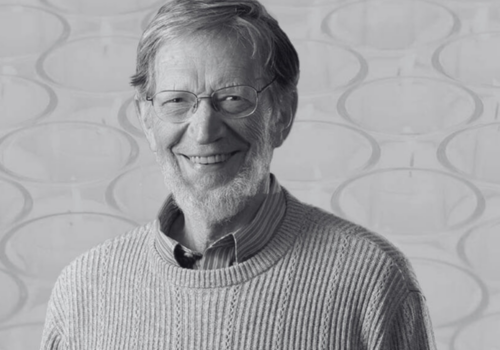
Alvin Plantinga (b. 1932) is an American philosopher known for influential work in philosophy of religion, epistemology, and metaphysics. A longtime professor at the University of Notre Dame, he is widely regarded as one of the most important contemporary Christian philosophers.
Leon Plantinga (b. 1935) is an American musicologist and pianist known for his scholarship on eighteenth- and nineteenth-century European music. A longtime professor at Yale University, he authored the influential textbook Romantic Music and studies on Clementi, Schumann, and Beethoven.
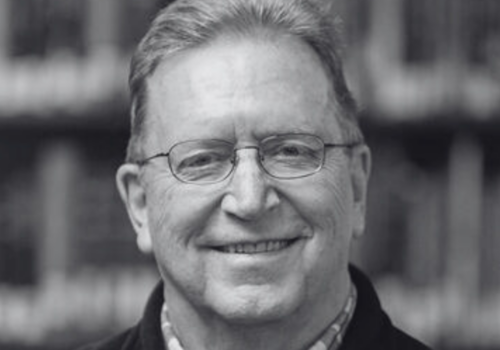
Cornelius Plantinga Jr. (b. 1946) is an American theologian and scholar of Reformed theology who served as president of Calvin Theological Seminary in Grand Rapids, Michigan. He is known for influential writings on sin, Christian worship, and theology.
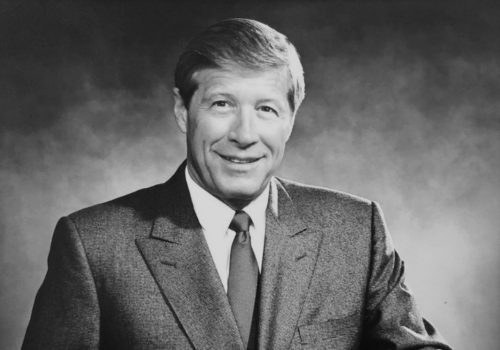
Edgar Prince (1931–1995) was an American engineer and entrepreneur who founded Prince Manufacturing in Holland, Michigan. His company became a major supplier of automotive components, particularly die-cast parts and lighted sun visors, before being sold to Johnson Controls.
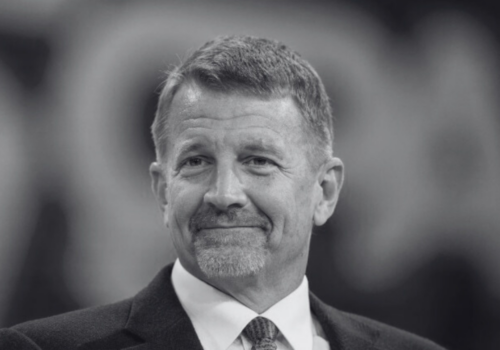
Erik Prince (b. 1969) is an American businessman and former U.S. Navy SEAL best known as the founder of the private military contractor Blackwater Worldwide (later Xe Services and Academi). His company became a major security contractor for the U.S. government during the Iraq War.
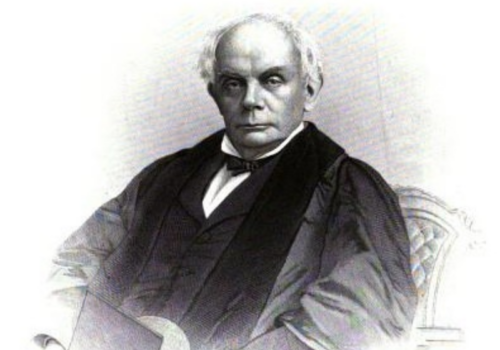
John Van Schaick Lansing Pruyn (1811–1877) was a New York lawyer, politician, and educator who served in the U.S. House of Representatives during the Civil War era and later became Chancellor of the University of the State of New York.
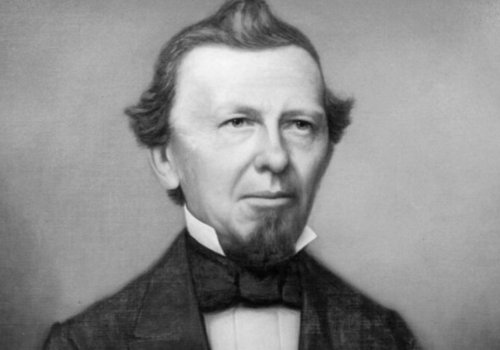
Albertus Christiaan Van Raalte (1811–1876) was a Dutch Reformed minister and immigrant leader who founded Holland, Michigan, and led nineteenth-century Dutch settlement in western Michigan.

Sarah Rapalje (1625–1685) was the first recorded European female child born in New Netherland. Born at Fort Orange (later Albany), she became the matriarch of a large colonial family, marrying twice and bearing fifteen children whose descendants spread widely throughout early New York society.
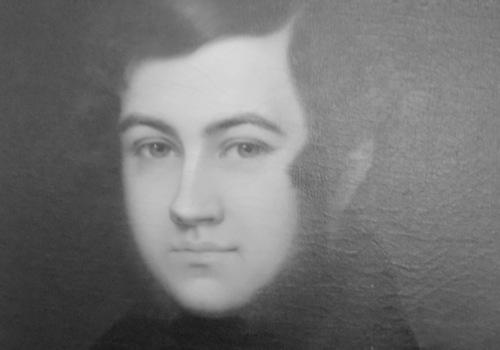
Henry Bell Van Rensselaer (1809–1864) was a U.S. congressman, farmer, and Union Army officer during the Civil War. A graduate of West Point and son of patroon Stephen Van Rensselaer III, he later served as a brigadier general and inspector general before his death in 1864.
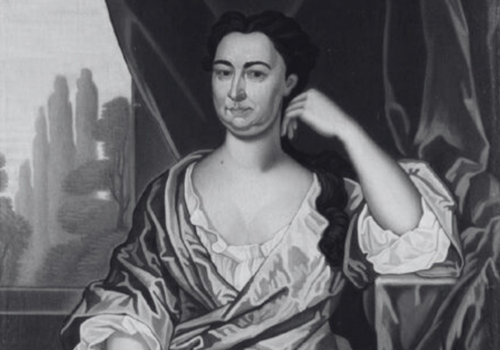
Maria Van Cortlandt Van Rensselaer (1645–1688) effectively governed the vast Rensselaerswyck estate after the death of her husband, Jeremias Van Rensselaer. For thirteen years she managed the patroonship’s farms, mills, finances, and tenants, preserving the estate for the Van Rensselaer family during a difficult period in colonial New York.
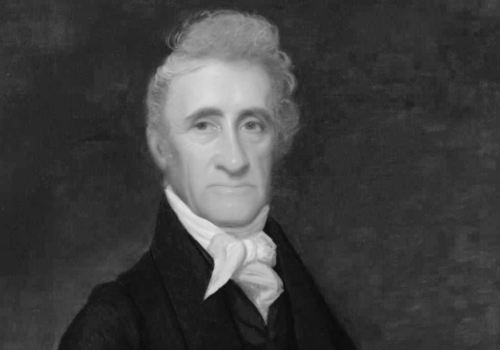
Stephen Van Rensselaer III (1765–1839) was the eighth patroon of Rensselaerswyck, a prominent New York politician, militia general in the War of 1812, and a leading supporter of education and infrastructure, including the Erie Canal and the founding of Rensselaer Polytechnic Institute.
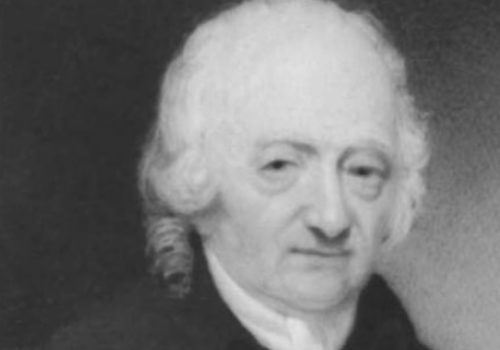
Jeremiah Van Rensselaer (1738–1810) was an early American politician, merchant, and banker who served in the First U.S. Congress and later as Lieutenant Governor of New York. A member of the prominent Van Rensselaer family, he was also active in Revolutionary War service and Albany civic life.

Henry Kiliaen Van Rensselaer (1744–1816), also known as Hendrick Kiliaen Van Rensselaer, was a Revolutionary War officer who served as a colonel in the New York militia and played a key role in the 1777 fighting near Fort Anne during the Saratoga campaign.
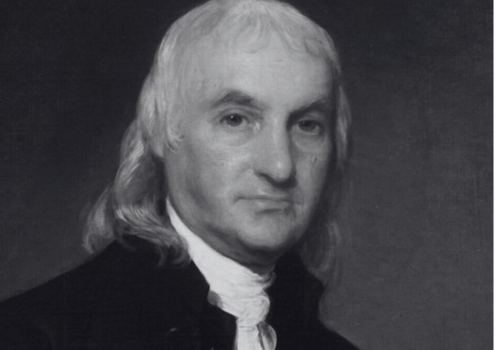
Isaac Roosevelt (1726–1794) was an American merchant, industrialist, and politician in colonial New York. A sugar refiner and cofounder of the Bank of New York, he also served in the New York Provincial Congress and State Senate and was an ancestor of President Franklin D. Roosevelt.
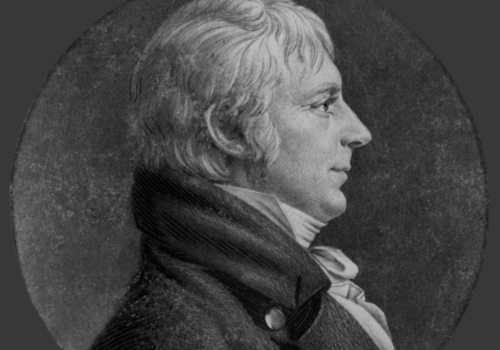
Killian K. Van Rensselaer (1763–1845) was a New York lawyer and Federalist politician who served five terms in the U.S. House of Representatives between 1801 and 1811, representing several New York congressional districts during the early years of the republic.
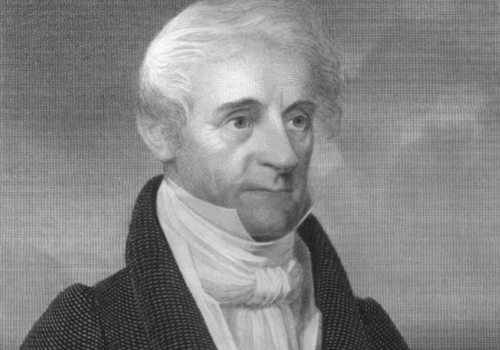
Solomon Van Vechten Van Rensselaer (1774–1852) was a New York military officer and politician who served in the War of 1812 and later represented New York in the U.S. House of Representatives from 1819 to 1822 before becoming Albany’s long-serving postmaster.

Robert Van Rensselaer (1740–1802) was a Revolutionary War militia officer and New York political leader. Serving as a brigadier general in the Albany County Militia, he participated in campaigns around Fort Ticonderoga and the Battle of Klock’s Field while also serving in the New York Provincial Congress and State Assembly.
Stephen Van Rensselaer IV (1789–1868) was the ninth and final patroon of the vast Rensselaerswyck estate in New York. Educated at Princeton, he ended the centuries-old patroonship by selling the estate’s farms to tenant farmers during the Anti-Rent movement of 1839.
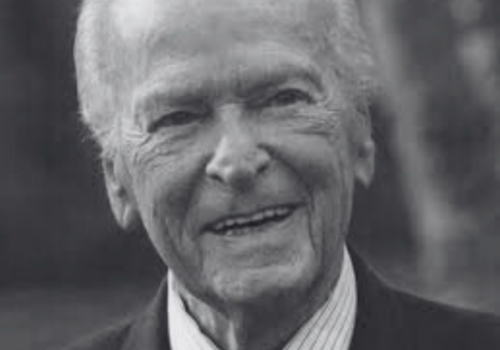
Erik Hazelhoff Roelfzema (1917–2007) was a Dutch resistance hero, RAF pilot, and writer best known for his wartime exploits during World War II and for his bestselling memoir The Soldier of Orange, later adapted into an acclaimed film.
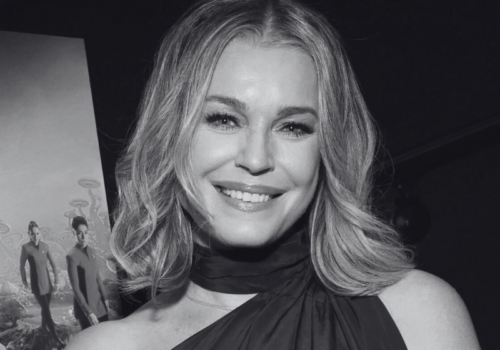
Rebecca Romijn (born 1972) is a Dutch American actress and former model best known for portraying Mystique in the X-Men films and for television roles such as Alexis Meade in Ugly Betty. Her career began in fashion modeling before moving into film and television.
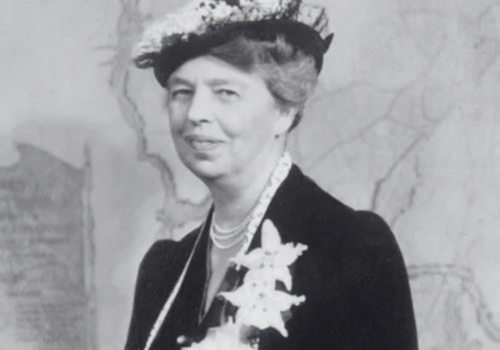
Eleanor Roosevelt (1884–1962) was a transformative First Lady of the United States, humanitarian, and diplomat. As the wife of President Franklin D. Roosevelt, she championed civil rights, women’s equality, and social reform, later helping draft the United Nations’ Universal Declaration of Human Rights.
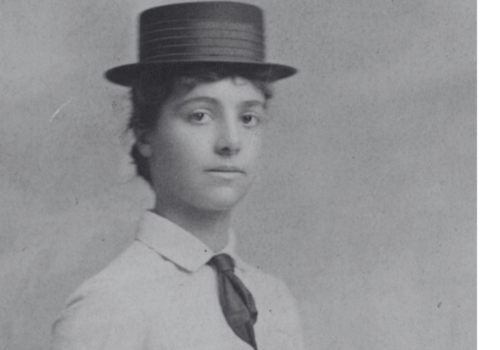
Ellen Roosevelt (1868–1954) was an early American tennis champion and cousin of President Franklin D. Roosevelt. She won the U.S. Women’s Singles Championship in 1890 and also captured the women’s doubles title with her sister Grace Roosevelt.
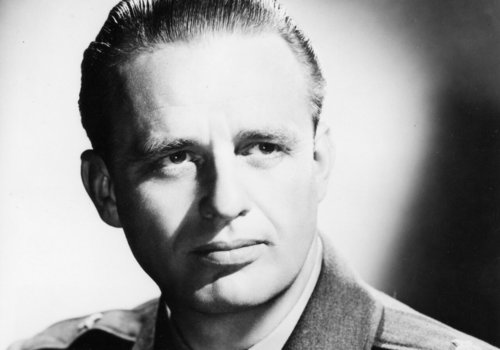
Elliott Roosevelt (1910–1990) was an American military officer, businessman, and author, and the son of President Franklin D. Roosevelt and Eleanor Roosevelt. During World War II he served in the U.S. Army Air Forces, rising to brigadier general and working in reconnaissance, intelligence, and international wartime coordination.
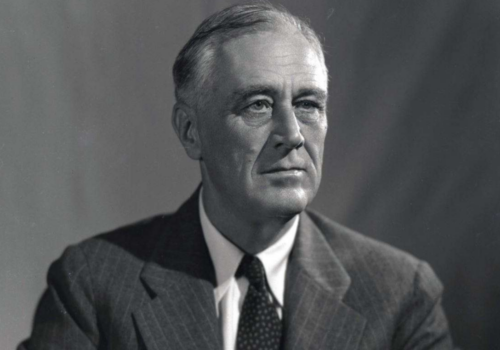
Franklin Delano Roosevelt (1882–1945), the 32nd President of the United States, led the nation through the Great Depression and most of World War II. Serving four terms, he created the New Deal programs to revive the economy and played a central role in the Allied victory during the war.
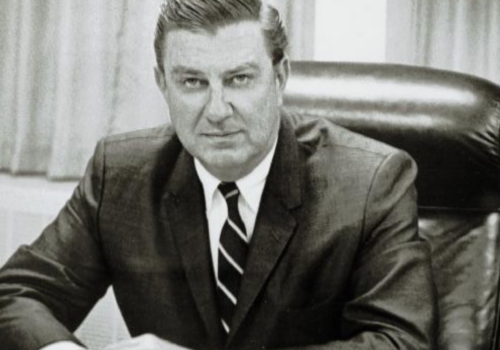
Franklin D. Roosevelt Jr. (1914–1988) was an American naval officer, lawyer, and politician, and the son of President Franklin D. Roosevelt and Eleanor Roosevelt. A decorated World War II veteran, he later served four terms in the U.S. House of Representatives and held a senior post in the U.S. Department of Commerce.
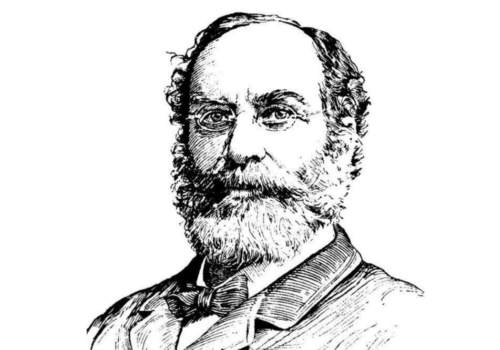
Nicholas Roosevelt (1767–1854) was an American inventor and engineer who helped develop early steamboat technology. He introduced the vertical paddle wheel used on riverboats and worked with Robert Livingston and Robert Fulton on the steamboat New Orleans, helping launch the era of Mississippi River steam navigation.
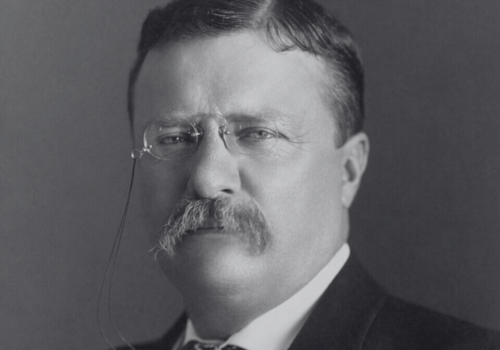
Theodore Roosevelt (1858–1919), the 26th President of the United States, became the youngest president in American history after the assassination of William McKinley in 1901. Known for his energy and reform agenda, he championed conservation, trust-busting, consumer protection, and international diplomacy, and won the Nobel Peace Prize for mediating the Russo-Japanese War.
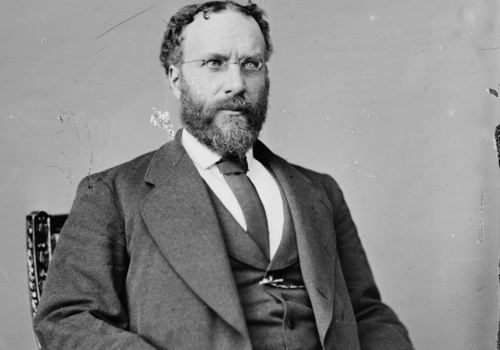
Robert Barnwell Roosevelt (1829–1906) was an American lawyer, conservationist, diplomat, and politician. An uncle of President Theodore Roosevelt, he served one term in the U.S. House of Representatives and later became U.S. Minister to the Netherlands, while also advocating for conservation and the protection of waterways.
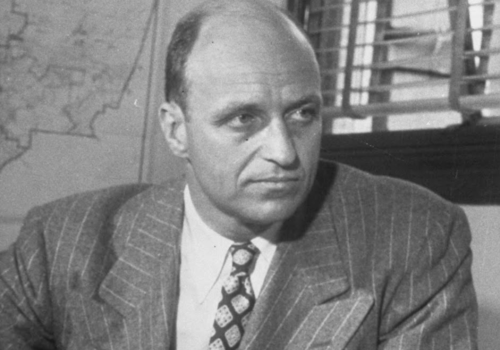
James Roosevelt (1907–1991) was an American Marine Corps officer, businessman, and politician, and the eldest son of President Franklin D. Roosevelt and Eleanor Roosevelt. A decorated World War II Marine and Navy Cross recipient, he later served five terms in the U.S. House of Representatives representing California.
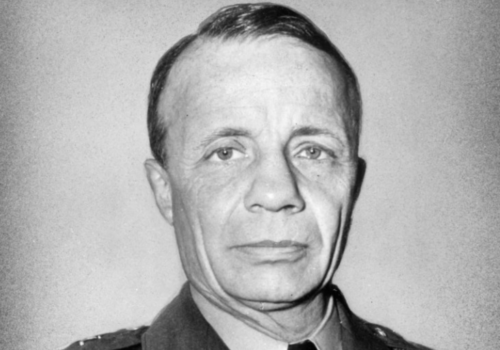
Theodore Roosevelt Jr. (1887–1944), son of President Theodore Roosevelt, was an American military officer, businessman, and public official. A veteran of both World Wars, he earned the Medal of Honor for leadership during the D-Day landings and previously served as Governor of Puerto Rico and Governor-General of the Philippines.
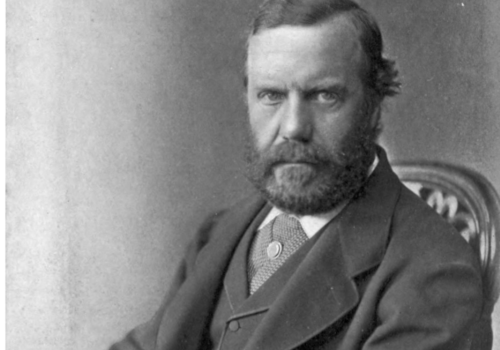
Theodore Roosevelt Sr. (1831–1878) was an American businessman and philanthropist and the father of President Theodore Roosevelt. A leader in charitable reform in New York City, he helped establish major institutions including the American Museum of Natural History and the Metropolitan Museum of Art.

Peter Roskam (born 1961) is an American attorney and Republican politician who served as the U.S. Representative for Illinois’s 6th congressional district from 2007 to 2019. Before entering Congress, he served in both the Illinois House of Representatives and the Illinois Senate.
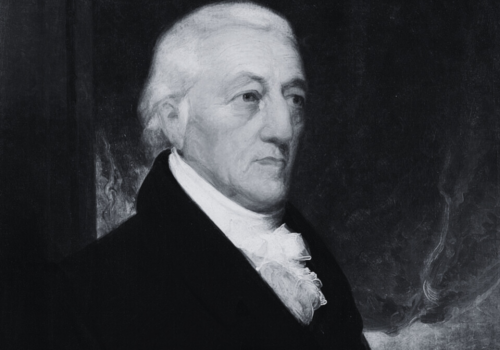
Henry Rutgers (1745–1830) was an American Revolutionary War officer, philanthropist, and civic leader whose support helped preserve Queen’s College in New Jersey. In 1825 the college was renamed Rutgers College in his honor, later becoming Rutgers University.
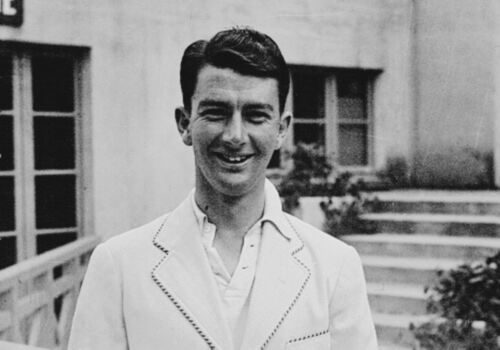
John Van Ryn (1905–1999) was an American tennis player best known for his success in doubles during the 1930s. Partnering primarily with Wilmer Allison, he won multiple U.S. and Wimbledon doubles titles and was later inducted into the International Tennis Hall of Fame.
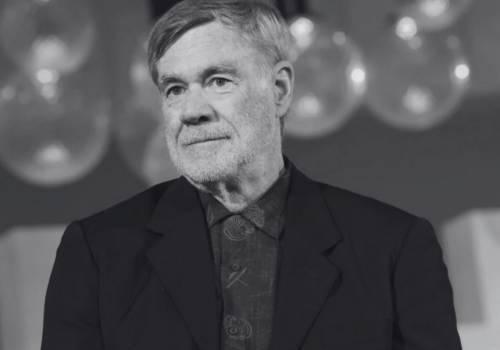
Gus Van Sant (born 1952) is an American film director, screenwriter, photographer, and author known for influential independent films. He received Academy Award nominations for directing Good Will Hunting and Milk, and won the Palme d’Or at the Cannes Film Festival for Elephant.
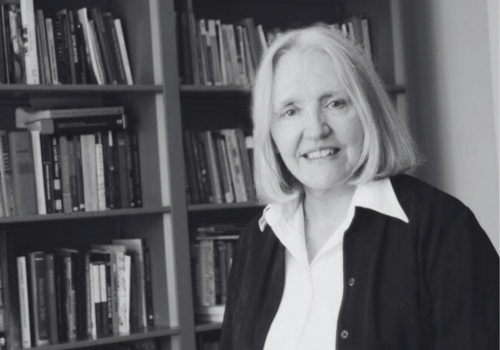
Saskia Sassen (born 1947) is a Dutch-American sociologist and professor at Columbia University known for her research on globalization, immigration, and urban economies. She coined the term “global city” and has written influential works examining how major cities shape the modern world economy.
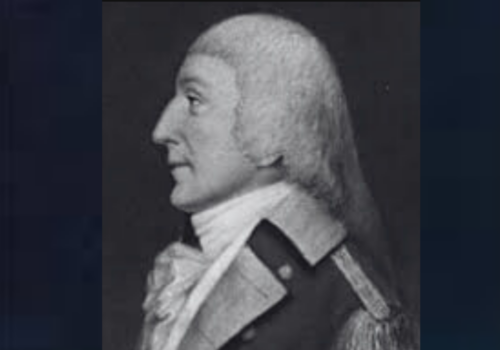
Gozen Van Schaick was an Albany-born soldier who served in colonial wars and the American Revolution, rising to brigadier general. A prominent Van Schaick heir, he also managed family lands and businesses until his death in 1789.
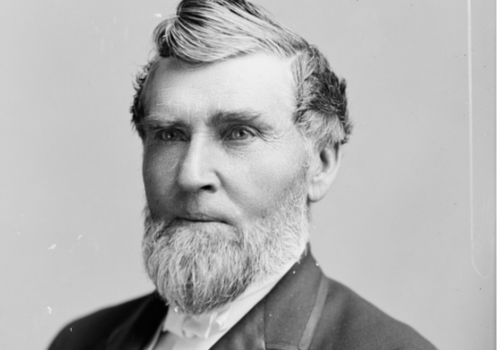
Isaac Whitbeck Van Schaick (1817–1901) was an American businessman and politician who served as a U.S. Representative from Wisconsin. After careers in manufacturing and milling, he became active in Wisconsin politics, serving in the state legislature before two terms in Congress.
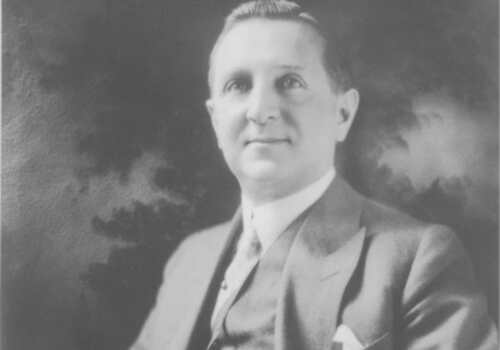
John Theodore Scheepers (1878–1939) was a Dutch-American horticultural entrepreneur known as the “Tulip King” for popularizing tulips in the United States during the early twentieth century. He founded John Scheepers, Inc., a flower bulb importing company that helped expand tulip cultivation and garden culture across North America.
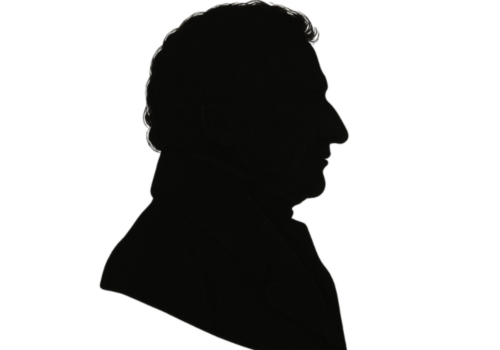
James Findlay Schenck (1807–1882) was a United States Navy officer who rose to the rank of rear admiral and served in both the Mexican–American War and the American Civil War. A veteran naval commander, he later had the destroyer USS Schenck named in his honor.
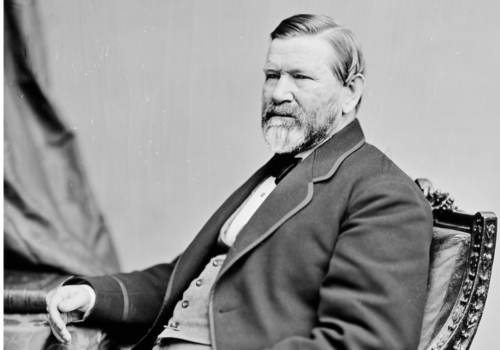
Robert Cumming Schenck (1809–1890) was an American lawyer, politician, and Union Army general. He served multiple terms in the U.S. House of Representatives, rose to major general during the Civil War, and later served as U.S. Minister to the United Kingdom.
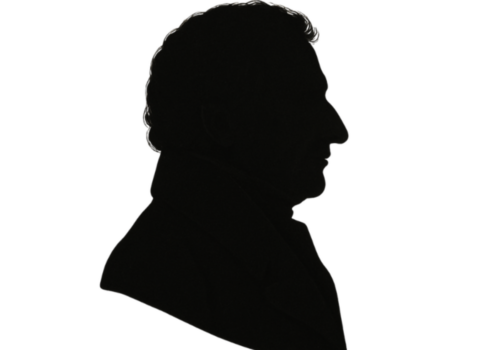
Abraham Maas Schermerhorn (1791–1855) was an American lawyer and politician who served two terms as a U.S. Representative from New York from 1849 to 1853. A Whig, he was also active in Rochester politics, serving as mayor and as a member of the New York State Senate.
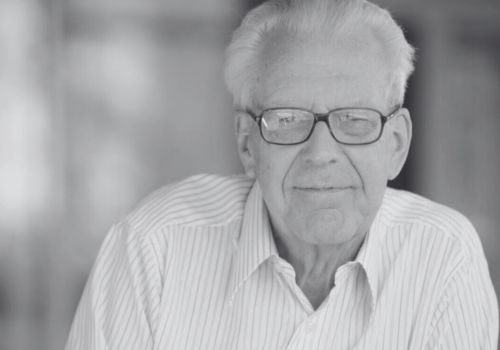
Maarten Schmidt (1929–2022) was a Dutch-American astronomer who identified the first quasar in 1963, revealing that these powerful objects were extremely distant and energetic sources associated with massive black holes. His discovery transformed modern astrophysics and the understanding of the universe.
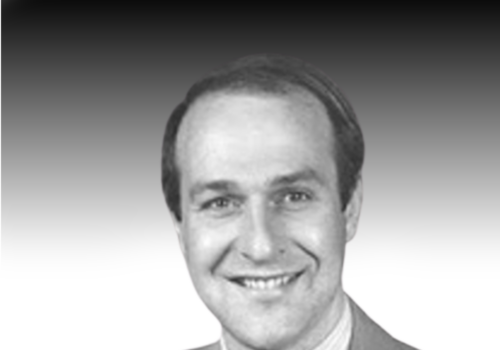
Hubert J. P. Schoemaker (1950–2006) was a Dutch-born American biochemist and biotechnology entrepreneur who co-founded Centocor, one of the pioneering biotechnology companies in the United States. He later founded Neuronyx and helped develop the drug Remicade for autoimmune diseases.
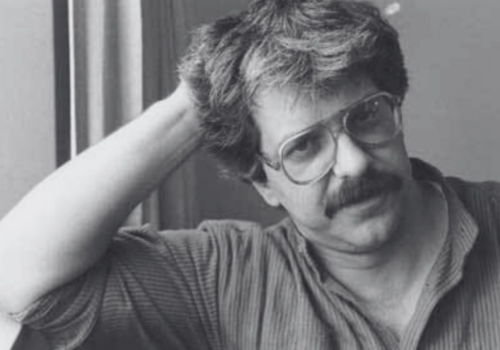
Leonard Schrader (1943–2006) was an American screenwriter, director, and author known for films such as The Yakuza and Kiss of the Spider Woman. Often collaborating with his brother, filmmaker Paul Schrader, he also taught screenwriting and wrote works in both English and Japanese.
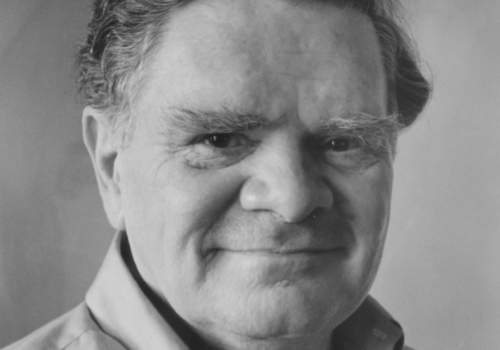
James Schuyler (1923–1991) was an American poet associated with the New York School of poets. Known for his reflective and observational style, he received the 1981 Pulitzer Prize for Poetry for his collection The Morning of the Poem.
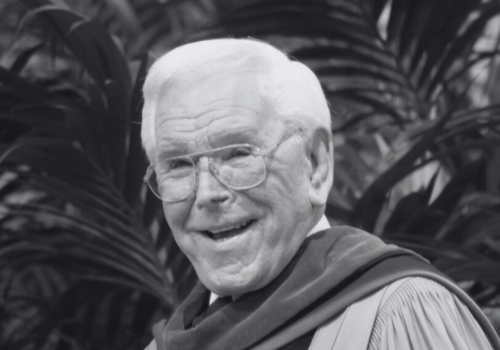
Robert H. Schuller (1926–2015) was an American televangelist and pastor who founded the Crystal Cathedral in Garden Grove, California, and created the global television ministry Hour of Power. Known for his positive-thinking sermons and innovative church leadership, he built one of the most influential megachurch ministries of the twentieth century.
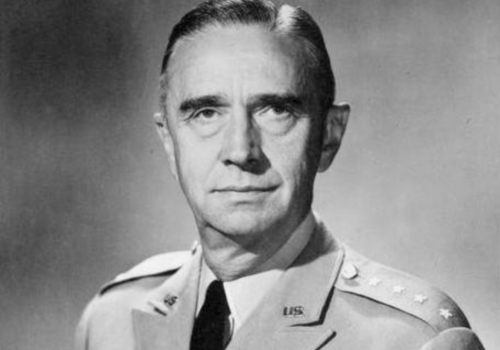
Cortlandt Van Rensselaer Schuyler (1900–1993) was a United States Army general who served in both World War I and World War II and later played a key role in early NATO military planning. Rising to the rank of four-star general, he served as Chief of Staff at SHAPE headquarters in Paris before retiring from active military service in 1959.
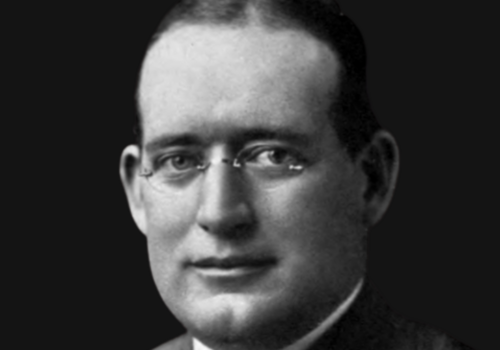
Karl C. Schuyler (1877–1933) was an American lawyer and Republican politician who briefly served as a United States Senator from Colorado from December 1932 to March 1933. His short term filled a vacancy caused by the death of Senator Charles W. Waterman.
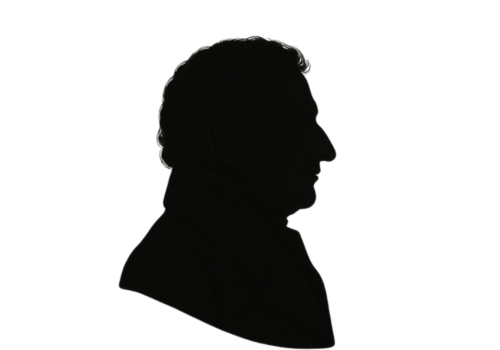
Pieter Schuyler (1657–1724) was a colonial leader in early New York and the first mayor of Albany after the city was incorporated in 1686. A military officer and diplomat with the Haudenosaunee (Iroquois) nations, he later served twice as acting governor of the Province of New York.
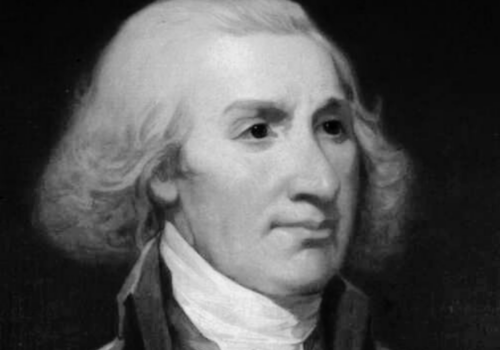
Pieter Schuyler (1657–1724) was a colonial leader in early New York and the first mayor of Albany after the city was incorporated in 1686. A military officer and diplomat with the Haudenosaunee (Iroquois) nations, he later served twice as acting governor of the Province of New York.
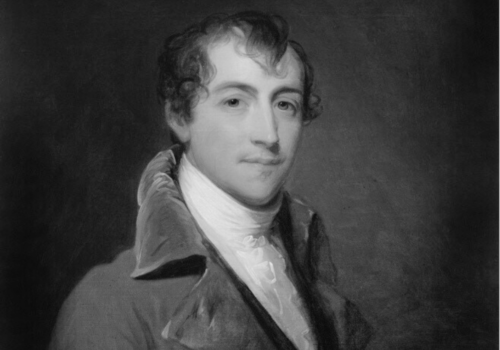
Philip Jeremiah Schuyler (1768–1835) was an American politician and agriculturalist from New York. The son of Revolutionary War general Philip Schuyler, he served one term as a Federalist in the United States House of Representatives from 1817 to 1819.
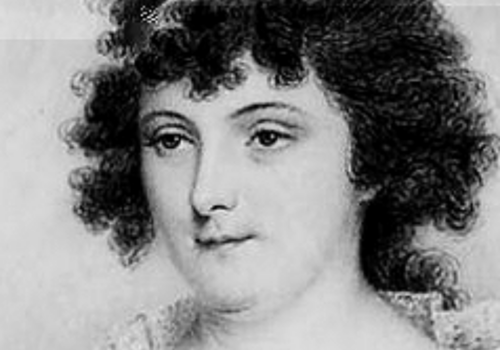
Margarita “Peggy” Schuyler (1758–1801) was a member of the prominent Schuyler family of Albany, New York. She was the daughter of Revolutionary War general Philip Schuyler and the sister of Angelica Schuyler Church and Elizabeth Schuyler Hamilton. Peggy married Stephen Van Rensselaer III, patroon of Rensselaerswyck.
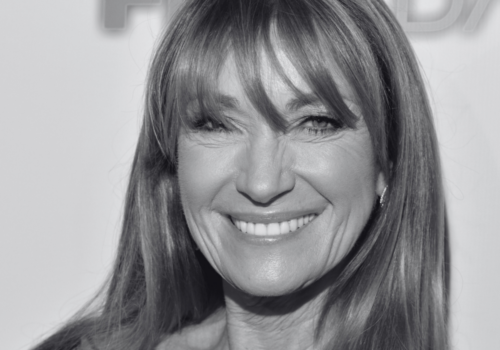
Jane Seymour (born 1951) is a British-American actress best known for her long-running role as Dr. Michaela Quinn in the television series Dr. Quinn, Medicine Woman. Born Joyce Penelope Wilhelmina Frankenberg in England to a Dutch mother, she later became a United States citizen in 2005.

Rik Smits (born 1966) is a Dutch professional basketball player best known for his 12-year career with the Indiana Pacers in the NBA. Nicknamed the “Dunking Dutchman,” the 7-foot-4 center was an NBA All-Star in 1998 and a key member of the Pacers’ successful teams of the 1990s.
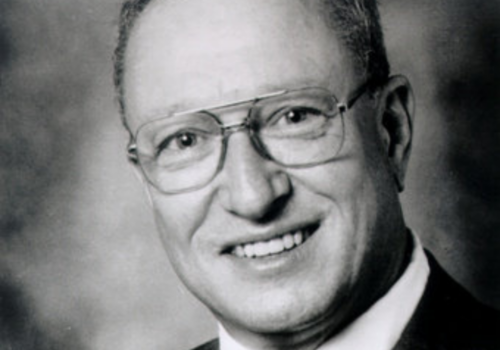
Peter Spier was a Dutch-American author and illustrator of children’s books, best known for richly detailed works such as Noah’s Ark and People. His books earned major awards including the Caldecott Medal.
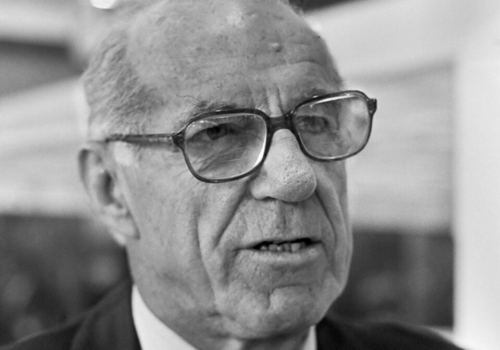
Dr. Benjamin Spock was an American pediatrician whose influential book Baby and Child Care transformed child-rearing practices worldwide. First published in 1946, the guide sold over 50 million copies and shaped generations of parents.
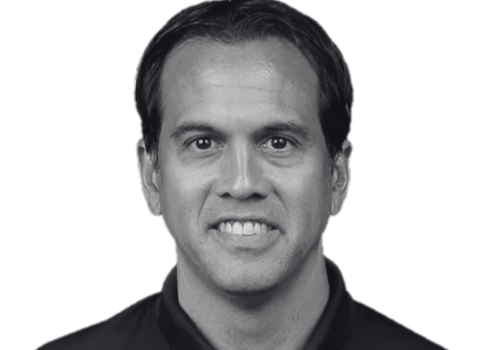
Erik Spoelstra is an American professional basketball coach and longtime head coach of the Miami Heat. Rising from video coordinator to head coach, he led the team to multiple NBA championships.
Watson Spoelstra was an American sportswriter for the Detroit News who covered the Detroit Tigers for decades. A Hope College athlete and writer, he later founded Baseball Chapel and became patriarch of the Spoelstra sports family.
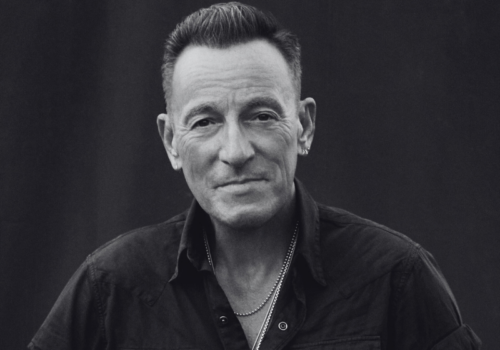
Bruce Springsteen is an American singer-songwriter known as “The Boss.” Rising to fame with the E Street Band, his music captures working-class life in songs such as Born to Run, Born in the U.S.A., and The Rising.

Eric Staal is a Canadian professional ice hockey player and longtime NHL center, best known for his career with the Carolina Hurricanes and for helping the team win the Stanley Cup in 2006.

Jared Staal is a Canadian professional ice hockey player and the youngest of the four Staal brothers who reached the NHL. Drafted by the Phoenix Coyotes in 2008, he later played within the Carolina Hurricanes organization.

Jordan Staal is a Canadian professional ice hockey player and NHL center known for his defensive play and leadership. A Stanley Cup champion with the Pittsburgh Penguins in 2009, he later joined the Carolina Hurricanes.
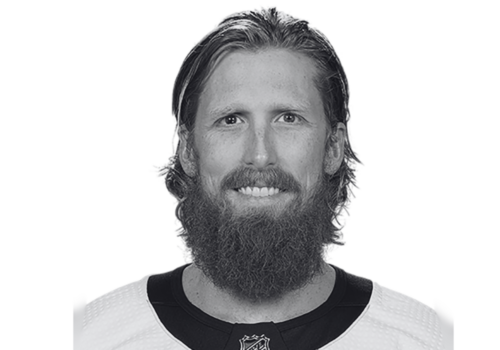
Marc Staal is a Canadian professional ice hockey defenseman known for his years with the New York Rangers in the NHL. A strong defensive player and All-Star selection, he is one of the four Staal brothers.
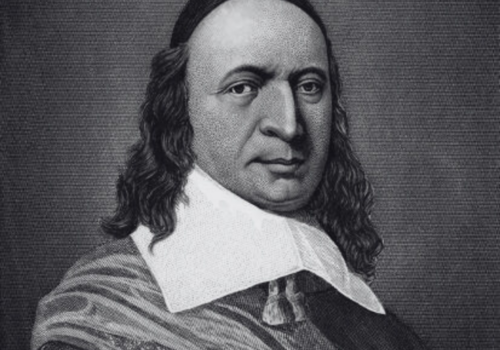
Peter Stuyvesant was the last Dutch Director-General of New Netherland, governing New Amsterdam from 1647 until the British takeover in 1664. Known for his authoritarian rule, he helped expand the colony’s population and strengthen its administration.
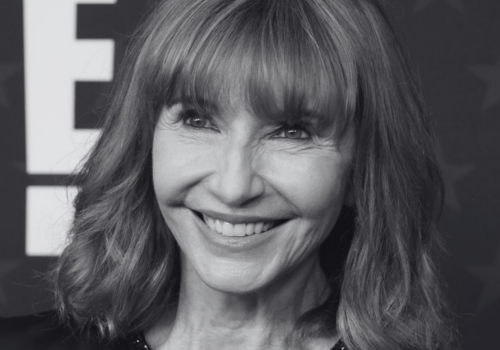
Mary Steenburgen is an American actress and Academy Award winner for Best Supporting Actress for Melvin and Howard (1980). Known for film and television roles, she later appeared in Back to the Future Part III and Elf.
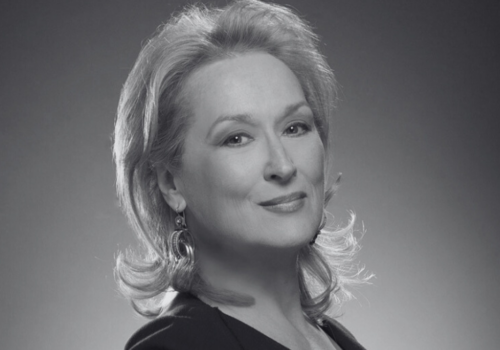
Meryl Streep is an acclaimed American actress widely regarded as one of the greatest of her generation. She has received numerous Academy Award nominations and won Oscars for Kramer vs. Kramer, Sophie’s Choice, and The Iron Lady.
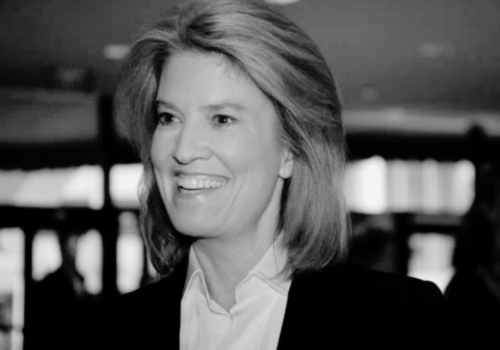
Greta Van Susteren is an American journalist, legal analyst, and television news anchor known for her work on CNN and Fox News. She gained prominence covering the William Kennedy Smith and O. J. Simpson trials.
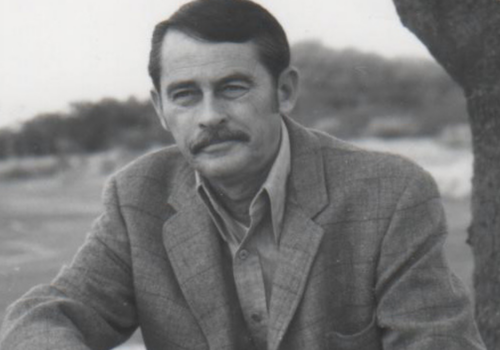
Glendon Swarthout was an American novelist whose books inspired several films, including The Shootist and Where the Boys Are. A Michigan State professor turned full-time writer, he became known for western and historical fiction.
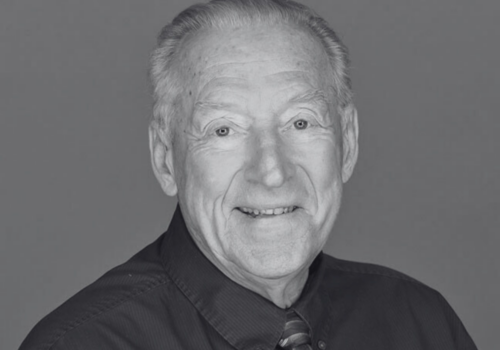
Robert P. Swierenga is an American historian known for his extensive research on Dutch-American immigration and culture. A longtime professor at Kent State University, he authored numerous books documenting the Dutch experience in the Midwest.

Lou Tellegen was a Dutch-born stage and film actor who worked in Europe and the United States during the early twentieth century. A former leading man for Sarah Bernhardt, he appeared in numerous silent films.
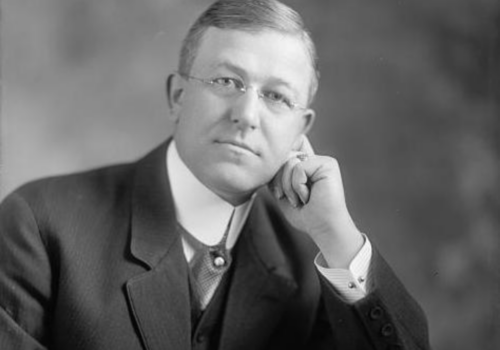
Peter Gansevoort Ten Eyck was an American engineer and politician from New York who served two terms in the U.S. House of Representatives. Before entering politics, he worked in railway signal engineering.
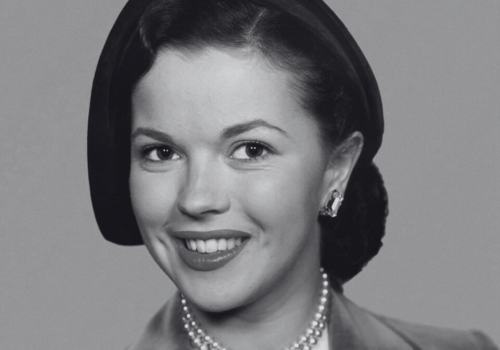
Shirley Temple was an American child film star who became one of Hollywood’s most famous performers of the 1930s. Later she served as a U.S. diplomat, including ambassador to Ghana and Czechoslovakia.

Charlize Theron is a South African–born actress and producer who became one of Hollywood’s leading performers. She won the Academy Award for Best Actress for Monster (2003) and later became an American citizen.
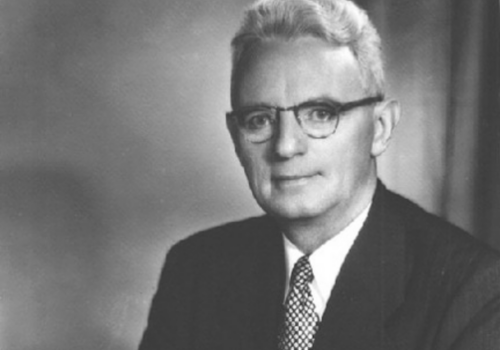
Cornelius van Til was a Dutch-born American theologian and philosopher best known for developing presuppositional apologetics. A longtime professor at Westminster Theological Seminary, he became a major influence in Reformed theology.
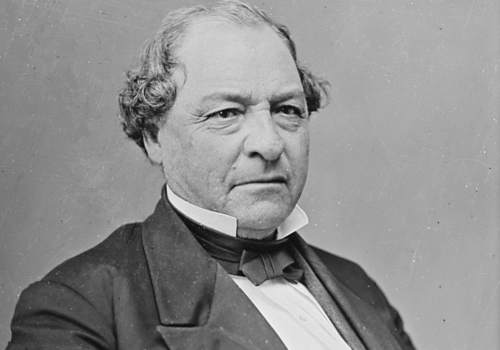
Philadelph Van Trump was an American lawyer, judge, and politician from Ohio who served three terms in the U.S. House of Representatives from 1867 to 1873 after a career in law and journalism.
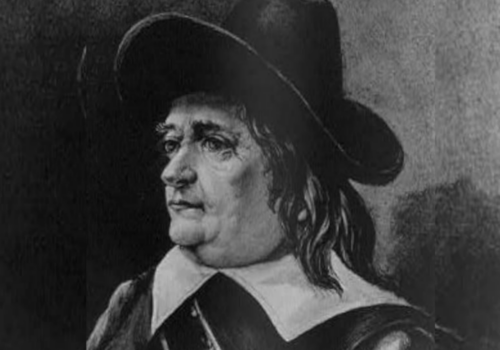
Wouter van Twiller served as Director of New Netherland from 1633 to 1638. His administration expanded trade but was criticized for weak leadership, particularly after the Dutch lost control of territory in Connecticut.
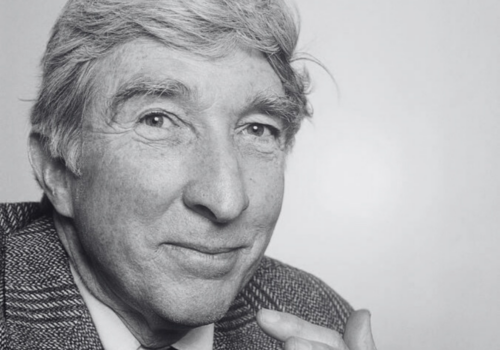
John Updike was a prolific American novelist, poet, and critic best known for the Rabbit series. A two-time Pulitzer Prize winner, he published more than sixty books and was widely regarded as one of America’s leading writers.
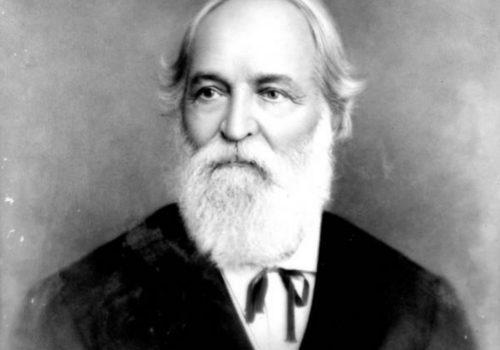
Robert Bruce Van Valkenburgh was an American lawyer, Civil War officer, and politician who served in the U.S. House of Representatives and later as U.S. Minister to Japan before becoming a justice of the Florida Supreme Court.

John Vanbiesbrouck is a former American NHL goaltender who played from 1981 to 2002, most notably with the New York Rangers and Florida Panthers, and won the Vezina Trophy in 1986.
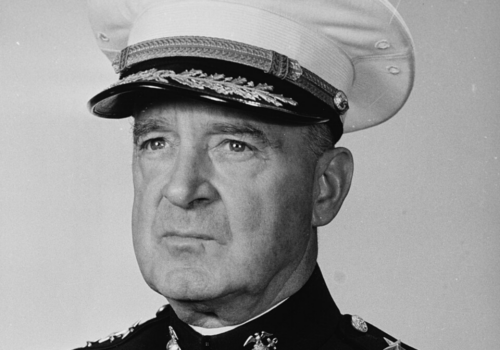
Alexander A. Vandegrift was a U.S. Marine Corps general and Medal of Honor recipient who commanded Marines at Guadalcanal in World War II and later served as the eighteenth Commandant of the Marine Corps.
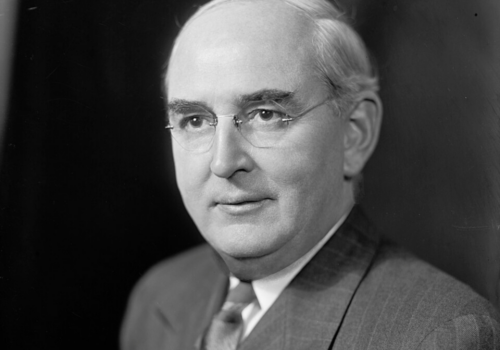
Arthur H. Vandenberg was a U.S. Senator from Michigan (1928–1951) who evolved from an isolationist to a champion of bipartisan foreign policy, supporting the United Nations, Marshall Plan, and NATO after World War II.
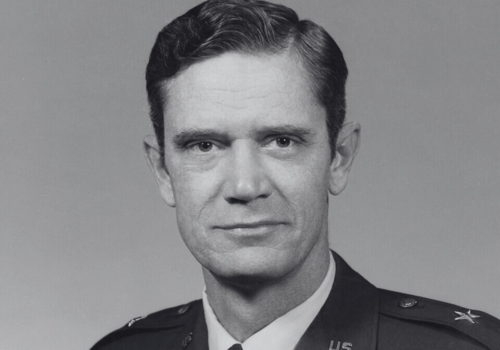
Hoyt S. Vandenberg Jr. was a United States Air Force major general and fighter pilot who served during the Vietnam War and later held leadership roles in training, command, and planning within the Air Force.
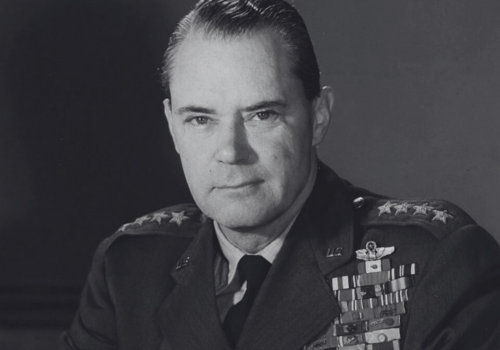
Hoyt S. Vandenberg was a U.S. Air Force general who served as Chief of Staff of the Air Force and earlier directed U.S. military intelligence, playing a key role in Allied air operations during World War II.
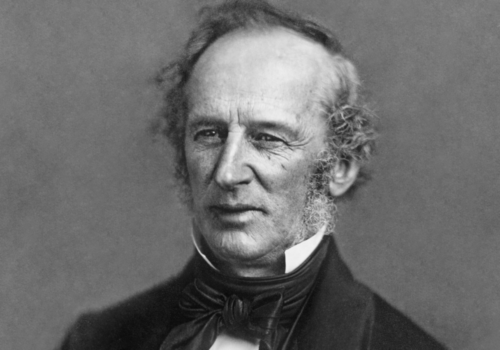
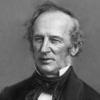
Cornelius Vanderbilt was a nineteenth-century American shipping magnate and railroad tycoon who built the New York Central Railroad empire and became the richest man in the United States upon his death.
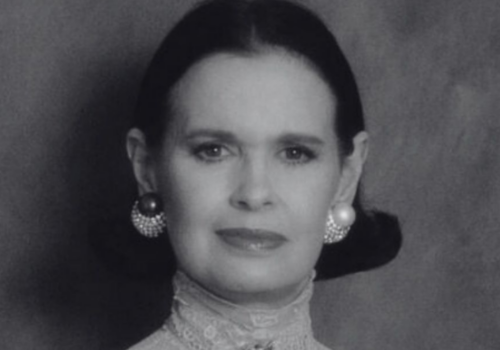
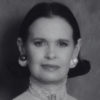
Gloria Vanderbilt was an American artist, author, and fashion designer who built a major lifestyle brand with her designer jeans and products, while remaining a prominent member of the famous Vanderbilt family.
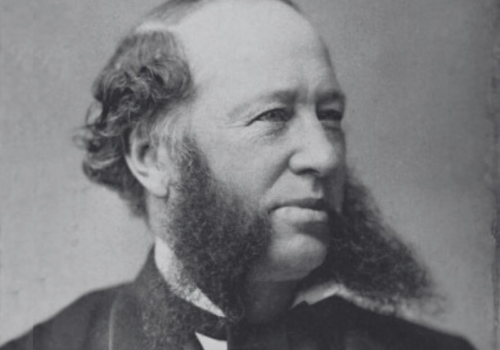
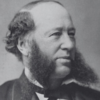
William Henry Vanderbilt was an American railroad magnate who expanded the New York Central system and doubled the Vanderbilt fortune after inheriting his father Cornelius Vanderbilt’s transportation empire in the late nineteenth century.
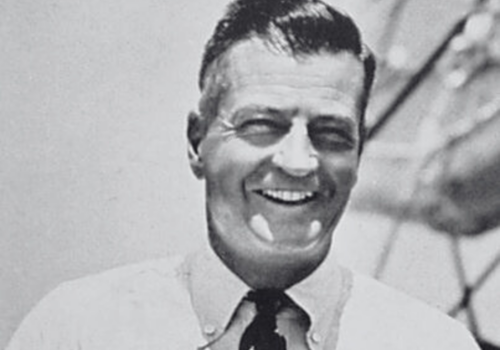
Harold Stirling Vanderbilt was an American businessman and yachtsman who twice won the America’s Cup and created the Vanderbilt Trophy in contract bridge, while also serving as a director of the New York Central Railroad.
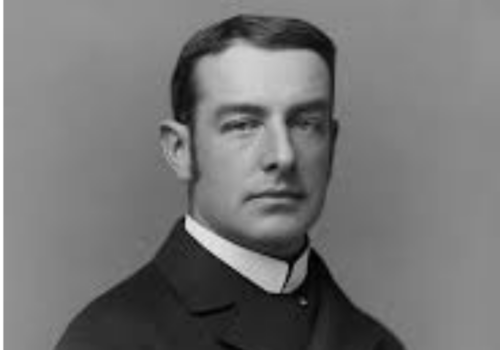
Cornelius Vanderbilt II was an American railroad executive and heir to the Vanderbilt fortune. As president of the New York Central Railroad, he managed the family empire and supported major philanthropic institutions before his death in 1899.
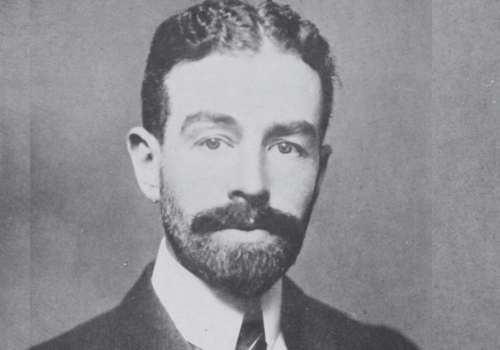
Cornelius Vanderbilt III was an American engineer, inventor, and National Guard officer. A grandson of railroad magnate William H. Vanderbilt, he earned numerous patents, helped advance New York’s subway system, and served as a brigadier general during World War I.
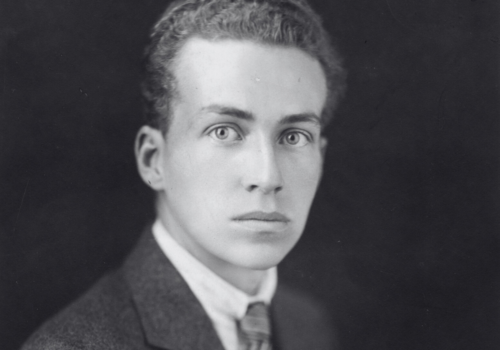
Cornelius Vanderbilt IV was an American newspaperman and great-great-grandson of Commodore Cornelius Vanderbilt. Known for launching several short-lived newspapers and for his seven marriages, he also served in military intelligence and produced an early anti-Nazi documentary.
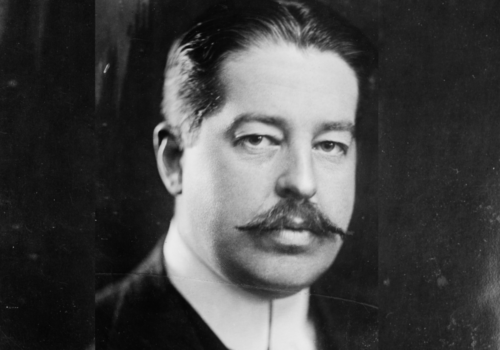
Reginald Claypoole Vanderbilt was an American heir of the Vanderbilt railroad fortune, known for his involvement in equestrian pursuits and as the father of Gloria Vanderbilt and grandfather of journalist Anderson Cooper.
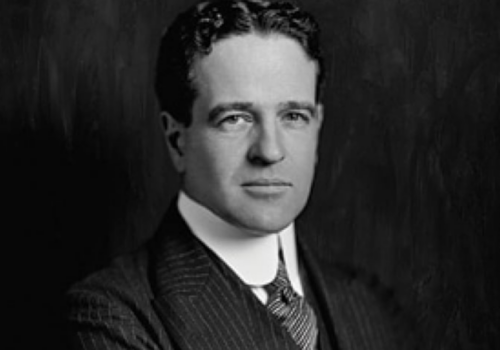
William Kissam Vanderbilt was an American heir to the Vanderbilt railroad fortune who briefly oversaw the New York Central Railroad and became known for his involvement in horse racing, yachting, and international society life.
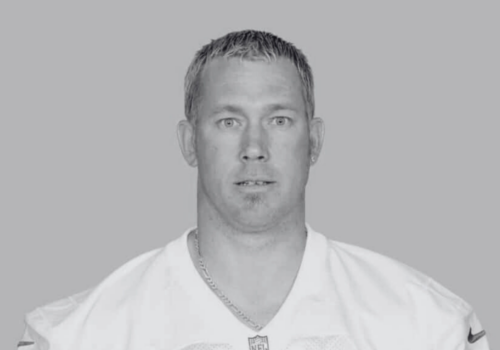
Mike Vanderjagt is a Canadian-born NFL placekicker who played primarily for the Indianapolis Colts and became the most accurate field goal kicker in league history during his career.
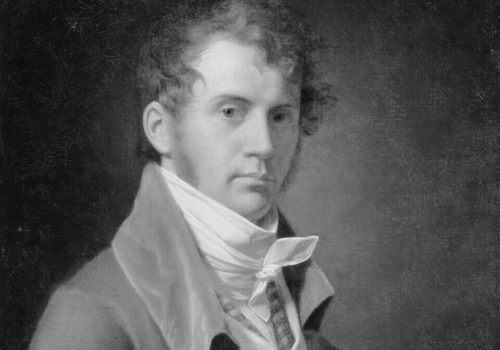
John Vanderlyn was an American neoclassical painter known for portraits and historical works. Trained by Gilbert Stuart and European masters, he painted figures such as James Monroe and produced major works displayed in prominent museums.
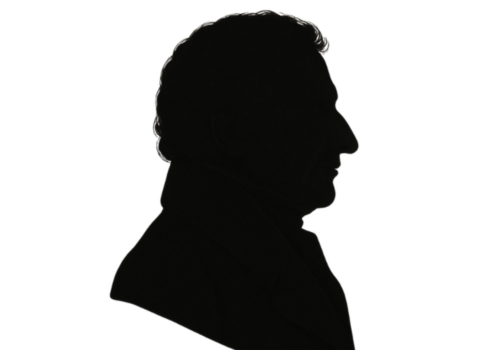
Pieter Vanderlyn was a Dutch-born American painter associated with the mysterious “Gansevoort Limner.” Active in the Hudson Valley during the mid-18th century, his unsigned portraits are preserved in several major American museums.
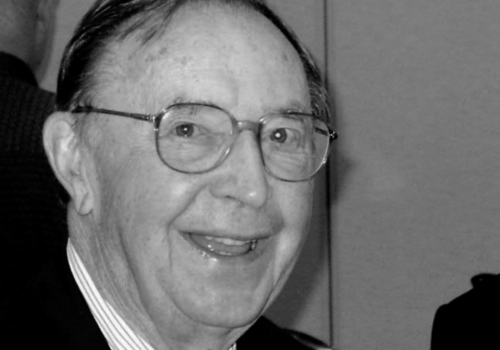
Richard Vander Veen was a Democratic congressman from Michigan who served in the U.S. House of Representatives from 1974 to 1977 after winning a special election to replace Gerald Ford.
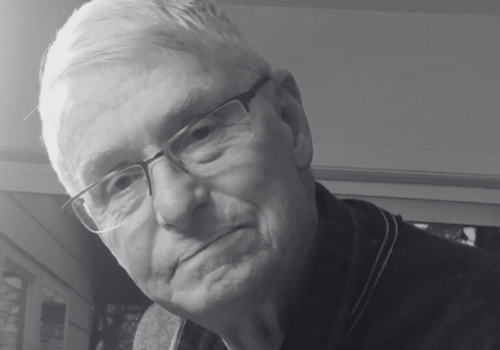
Dale K. Van Kley is an American historian specializing in the religious and political origins of the French Revolution. A professor at Ohio State University, he is known for influential studies on Enlightenment Europe.
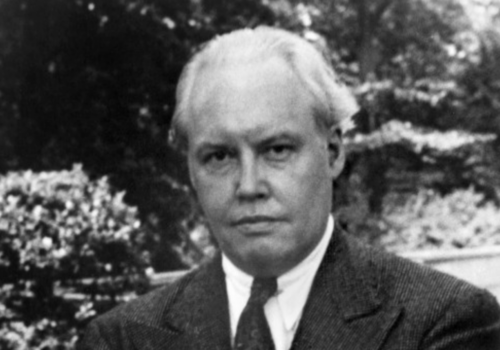
Carl Van Vechten was an American writer, critic, and photographer associated with the Harlem Renaissance. He gained fame for his novel Nigger Heaven and later became a celebrated portrait photographer of major cultural figures.
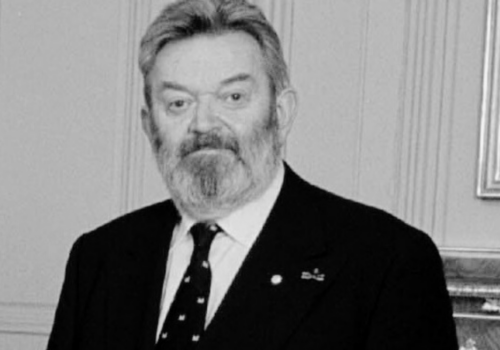
Martinus J. G. Veltman was a Dutch theoretical physicist and Nobel Prize laureate recognized for work on the renormalization of Yang–Mills theory. His research helped shape modern particle physics.
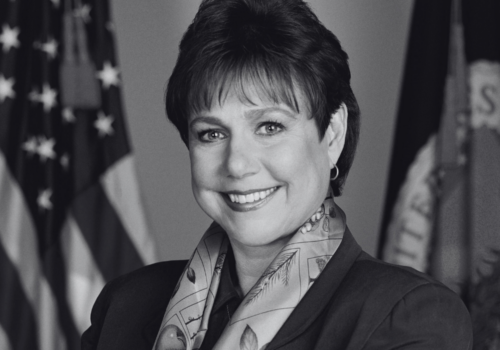
Ann Veneman is an American public official who served as U.S. Secretary of Agriculture and later Executive Director of UNICEF, where she led global programs supporting child health, nutrition, education, and protection.
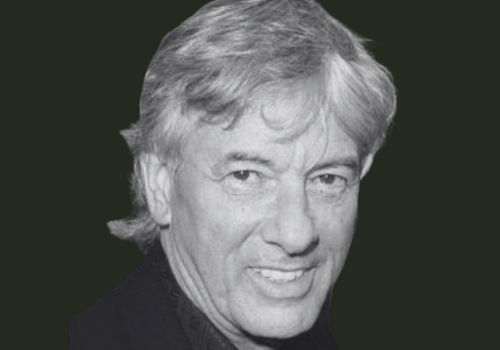
Paul Verhoeven is a Dutch filmmaker known for directing influential films such as RoboCop, Total Recall, and Basic Instinct. His work blends science fiction, satire, and social commentary.
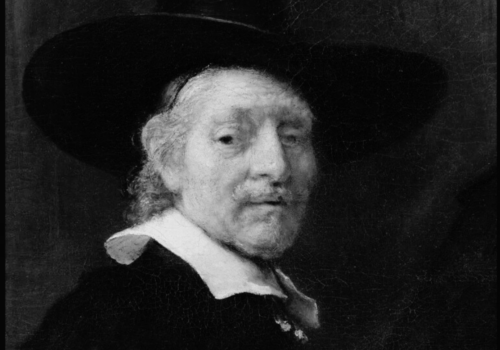
Willem Verhulst was the second director of the Dutch colony of New Netherland, serving in 1625–1626. He oversaw early settlement efforts on Manhattan before being replaced by Peter Minuit.
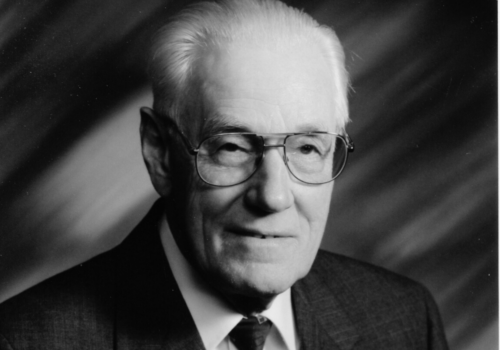
Gary Vermeer was an American entrepreneur who founded Vermeer Manufacturing in Pella, Iowa, in 1948. His innovations in agricultural machinery helped transform modern farming equipment and built a global manufacturing company.
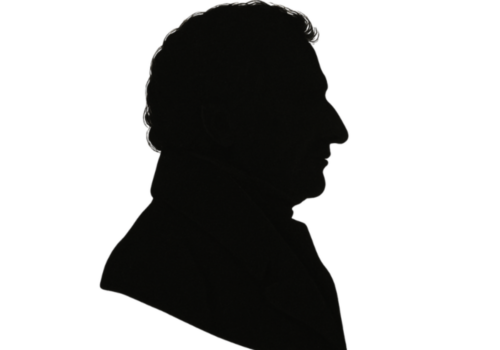
Jan Vigne was among the earliest Europeans born in New Netherland, likely in 1624. The son of Huguenot immigrants, he later became a brewer, landowner, and civic official in New Amsterdam.
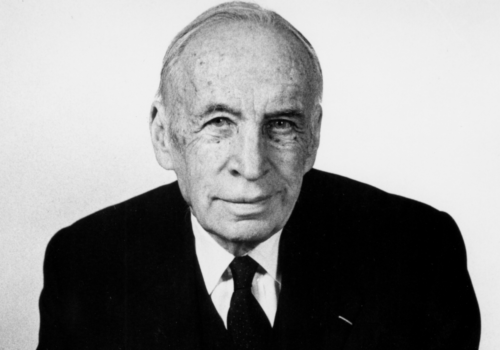
John Hasbrouck Van Vleck was an American physicist and Nobel Prize laureate whose pioneering work in quantum magnetism and electron behavior in solids helped establish the modern theory of magnetism.
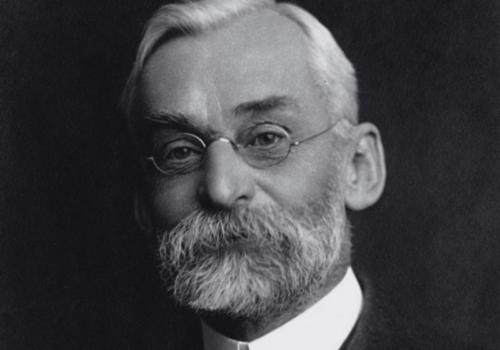
John Hasbrouck Van Vleck was an American physicist and Nobel Prize laureate whose pioneering work in quantum magnetism and electron behavior in solids helped establish the modern theory of magnetism.
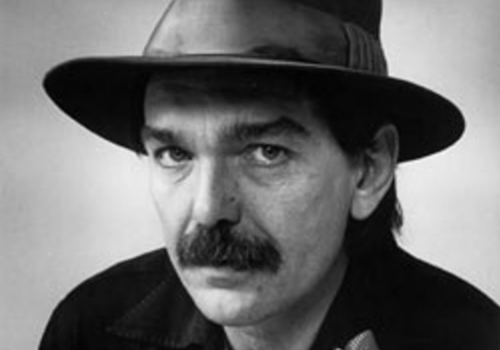
Don Van Vliet (1941–2010), known as Captain Beefheart, was an American experimental rock musician and visual artist who led The Magic Band. After a prolific recording career from 1965–1982, he retired from music to pursue painting.
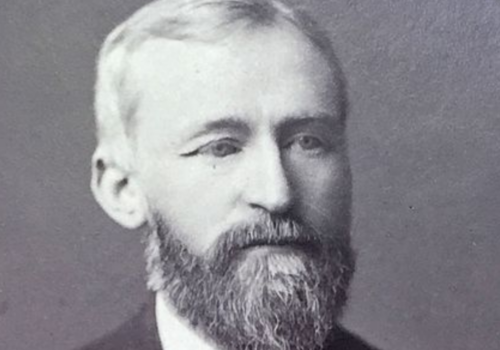
John Monroe Van Vleck was an American astronomer and mathematician who taught at Wesleyan University for decades and began the Van Vleck academic dynasty that later included Nobel Prize–winning physicist John Hasbrouck Van Vleck.
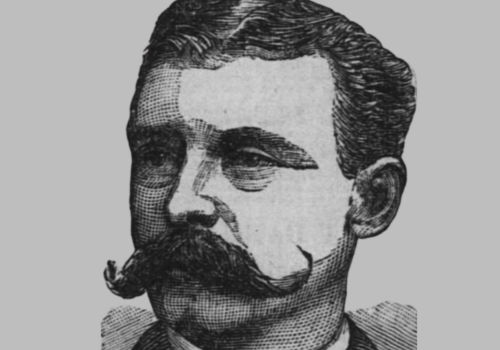
Charles Stewart Voorhees was an Indiana-born lawyer and Democratic politician who represented Washington Territory in the U.S. House of Representatives from 1885 to 1889 before returning to private legal practice.
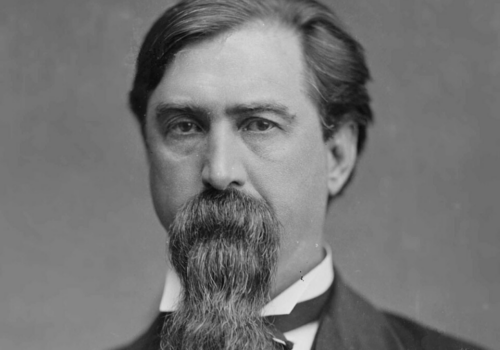
Daniel W. Voorhees (1827–1897) was an Indiana lawyer and Democratic statesman who served in both the U.S. House and Senate, representing Indiana in Congress for thirty-six years and becoming one of the state’s best-known nineteenth-century political figures.
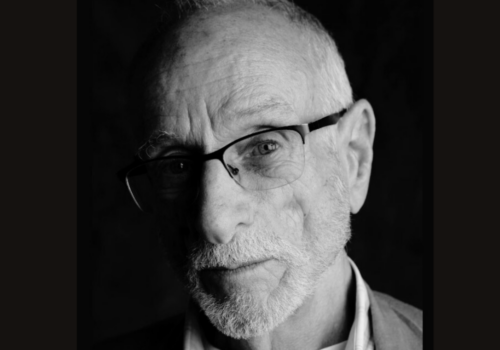
David William Voorhees (b. 1947) is an American historian and documentary editor whose scholarship on New Netherland and Dutch America includes leadership roles with the Jacob Leisler Institute and the Holland Society’s journal De Halve Maen.
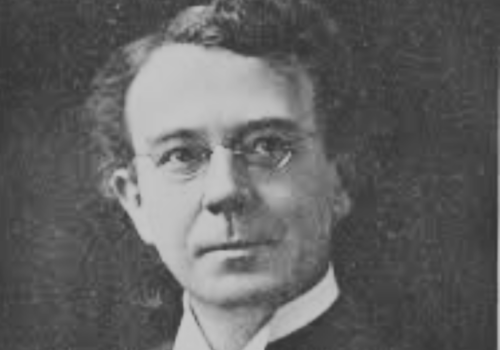
Foster M. Voorhees (1856–1927) was a Republican lawyer and politician who served as the 30th governor of New Jersey from 1899 to 1902 after earlier service in the New Jersey Senate.
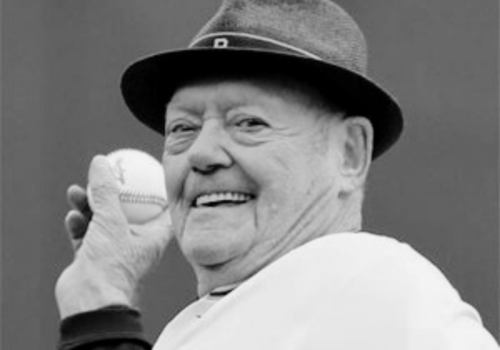
Ralph Whitaker Voorhees (1926–2013) was a Rutgers graduate, civic leader, and philanthropist whose work supported education, healthcare, and community development, especially at Rutgers University, where several programs and landmarks were established in his family’s name.
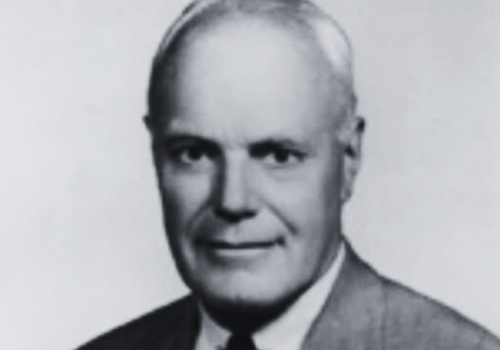
Tracy S. Voorhees (1890–1974) was an American lawyer, military officer, and public administrator who served as U.S. Under Secretary of the Army and later advised the Defense Department while remaining active in Rutgers University leadership.
Daniel Van Voorhis (1878–1956) was a United States Army lieutenant general and pioneer of modern mechanized warfare whose leadership helped shape the development of the Army’s armored forces before and during World War II.
Henry Clay Van Voorhis (1852–1927) was an Ohio lawyer, banker, and Republican politician who represented Ohio in the U.S. House of Representatives from 1893 to 1905 before returning to banking and civic leadership in Zanesville.
Jerry Voorhis (1901–1984) was a Democratic congressman from California who served from 1937 to 1947, known for supporting New Deal policies and for losing his seat to Richard Nixon in the highly contested 1946 election.
Ralph Voorhees (1835–1907) and his wife Elizabeth Rodman Voorhees were philanthropists whose charitable gifts supported education, including the founding of Voorhees College and major donations to Rutgers and several American colleges.
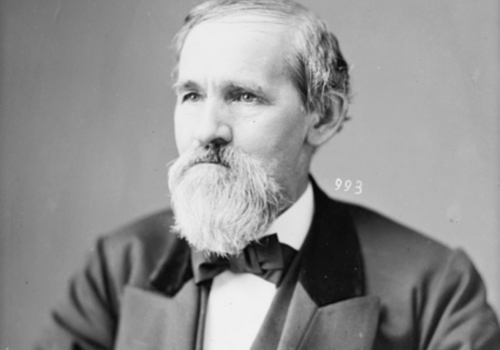
Nelson Holmes Van Vorhes (1822–1882) was an Ohio newspaper editor, Civil War officer, and Republican politician who represented Ohio in the U.S. House of Representatives from 1875 to 1879 after years of service in Ohio state politics.
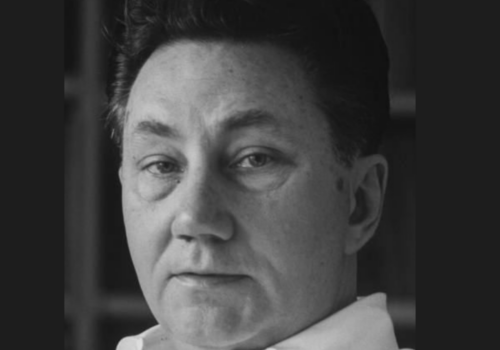
Nelson Holmes Van Vorhes (1822–1882) was an Ohio newspaper editor, Civil War officer, and Republican politician who represented Ohio in the U.S. House of Representatives from 1875 to 1879 after years of service in Ohio state politics.
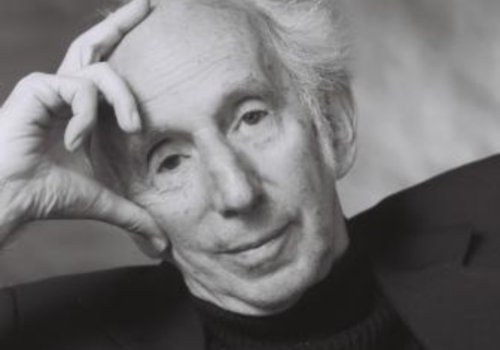
Leo Vroman (1915–2014) was a Dutch-born hematologist and poet who settled in the United States and became one of the most celebrated modern Dutch-language poets while maintaining a distinguished scientific career.
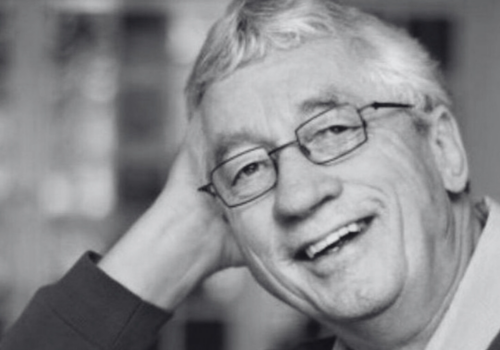
Frans de Waal (1948–2024) was a Dutch-American primatologist and author whose research on chimpanzees and other primates reshaped understanding of empathy, cooperation, and conflict in animal and human behavior.
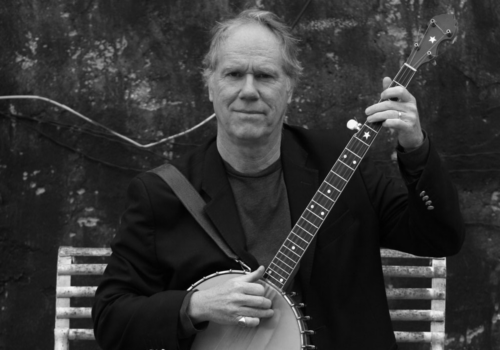
Loudon Wainwright III (b. 1946) is an American folk singer, songwriter, and actor known for humorous and autobiographical songs, including the hit “Dead Skunk,” and for a long recording career spanning dozens of albums.
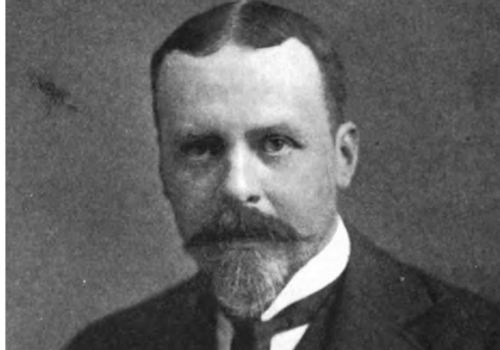
Barrett Wendell (1855–1921) was an American literary scholar and Harvard professor whose teaching and writings on English composition, American literature, and figures such as Cotton Mather shaped late nineteenth-century literary studies.
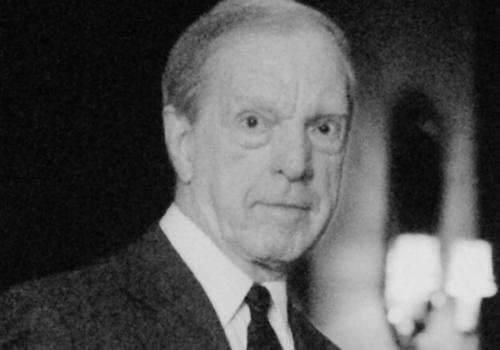
Charles Warner Wendell (1930–2015) was an American professor, historian, and genealogist whose scholarship and leadership helped advance the study of Dutch American history through organizations such as the Holland Society and the New Netherland Institute.
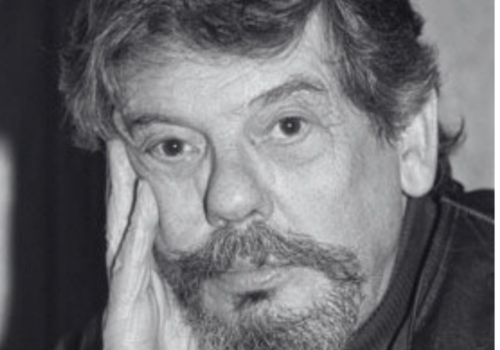
Janwillem van de Wetering (1931–2008) was a Dutch-born novelist and Zen memoirist known for his Amsterdam police detective series and philosophical writings inspired by Zen Buddhism and international experiences.
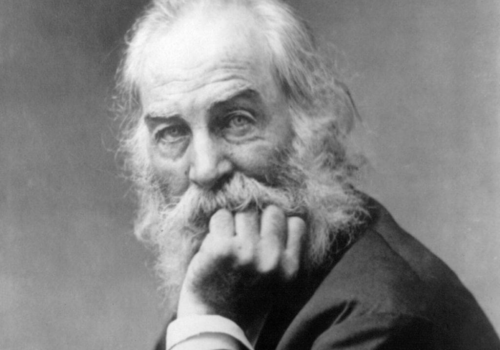
Walt Whitman (1819–1892) was an American poet, journalist, and essayist whose landmark work Leaves of Grass revolutionized modern poetry and established him as one of the most influential voices in American literature.
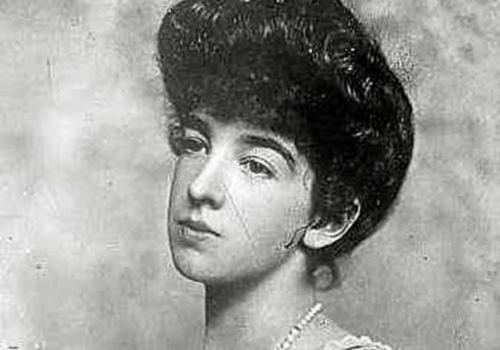
Gertrude Vanderbilt Whitney (1875–1942) was an American sculptor, patron of the arts, and founder of the Whitney Museum of American Art, whose philanthropy and support of emerging artists shaped twentieth-century American art.
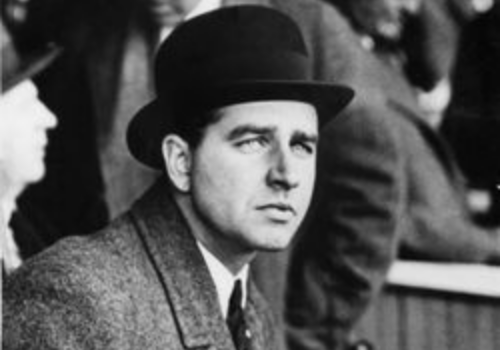
Cornelius Vanderbilt Whitney (1899–1992) was an American businessman, aviation investor, film financier, government official, and philanthropist who helped found Pan American World Airways, built mining enterprises, served in federal posts, and supported major American arts institutions.
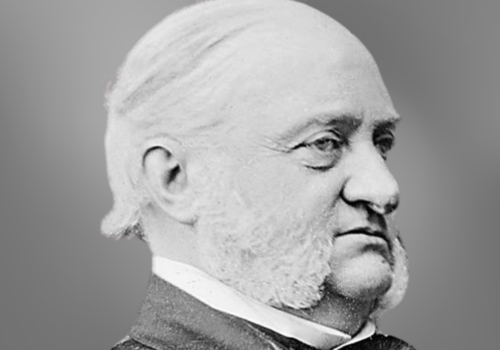
Peter Van Winkle (1808–1872) was a Unionist U.S. Senator from West Virginia during the Civil War and one of the state’s first senators after its 1863 admission, previously serving in Virginia politics and constitutional conventions.
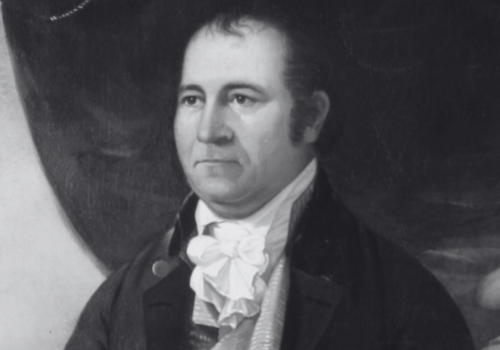
Simeon De Witt (1756–1834) was New York State’s long-serving Surveyor General, a Revolutionary War army geographer, planner of New York City’s grid street system, Erie Canal commissioner, and an early founder and land developer of Ithaca, New York.
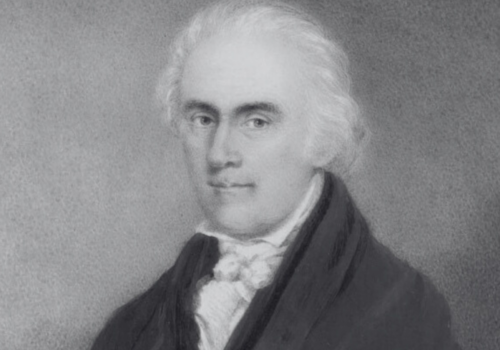
James DeWolf (1764–1837) was a Rhode Island merchant, slave trader, and politician who served as a U.S. senator and state legislator. He amassed great wealth through maritime trade and slavery while also investing in early American cotton manufacturing.k.
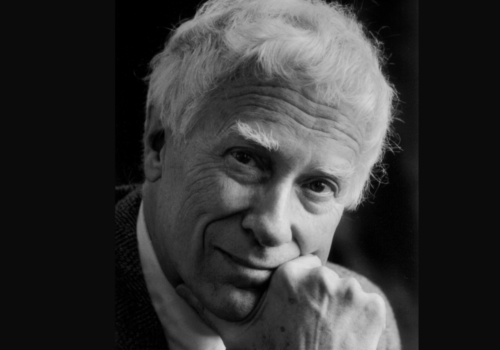
Nicholas Wolterstorff (born 1932) is an American philosopher known for work in epistemology, philosophy of religion, justice, and aesthetics. A longtime Calvin College professor, he later taught philosophical theology at Yale Divinity School.
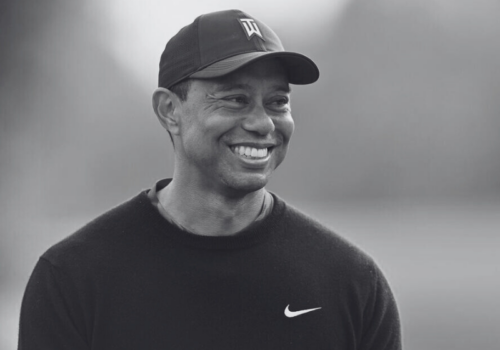
Tiger Woods (born 1975) is an American professional golfer widely regarded as one of the greatest in history. A multiple major champion, he dominated world golf rankings and transformed the sport’s global popularity and commercial success.
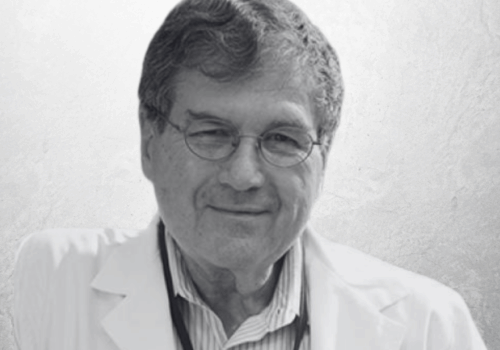
George F. Vande Woude was a pioneering Dutch-American cancer researcher, renowned for discovering the MET oncogene and leading major programs at the Van Andel Institute and National Cancer Institute.
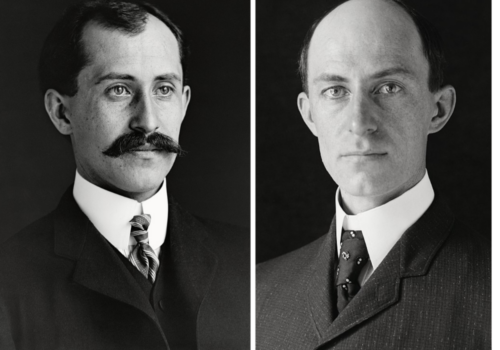
Wilbur (1867–1912) and Orville Wright (1871–1948) were American aviation pioneers who achieved the first successful powered airplane flight in 1903 at Kitty Hawk, developing the three-axis control system that became fundamental to modern aircraft design.
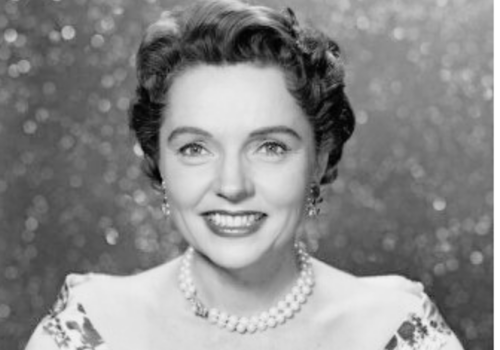
Jane Wyatt (1910–2006) was an American film and television actress best known for portraying Margaret Anderson on the long-running series Father Knows Best, earning three Emmy Awards and appearing in films, Broadway productions, and later television dramas.
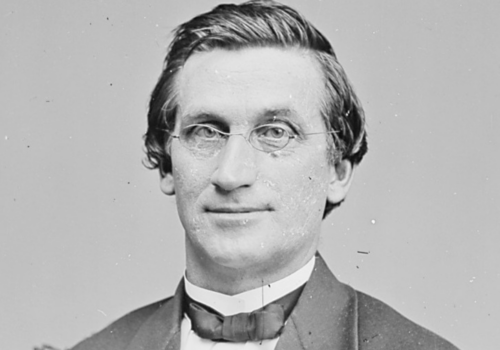
Charles Henry Van Wyck (1824–1895) was an American politician and Civil War officer who served in the U.S. House for New York and later as a U.S. senator from Nebraska, reflecting a long career in public service.
William W. Van Wyck (1777–1840) was a New York farmer and politician who served two terms in the U.S. House of Representatives from 1821 to 1825 and chaired the House Committee on Post Office Expenditures.
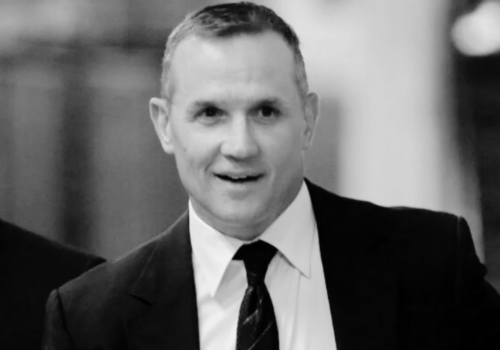
Steve Yzerman (born 1965) is a Canadian hockey legend who captained the Detroit Red Wings to three Stanley Cup championships and became one of the NHL’s greatest scorers, later serving as an executive in professional hockey.
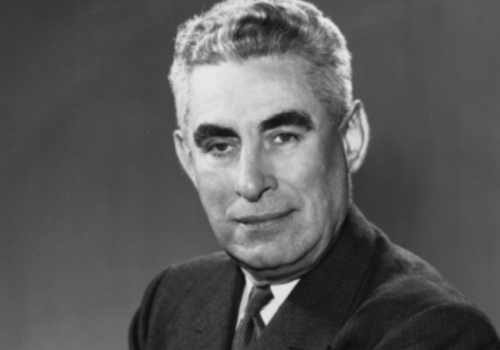
James E. Van Zandt (1898–1986) was a U.S. Navy officer and Pennsylvania congressman who served multiple terms in the House of Representatives, fought in both World Wars, and later rose to rear admiral in the Naval Reserve.
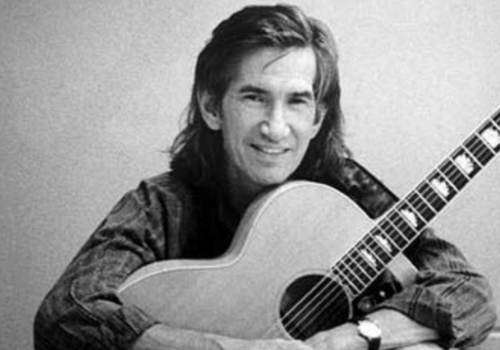
Townes Van Zandt (1944–1997) was an influential American singer-songwriter and poet known for haunting folk and country songs including “Pancho and Lefty” and “If I Needed You,” widely admired by fellow musicians and later generations.
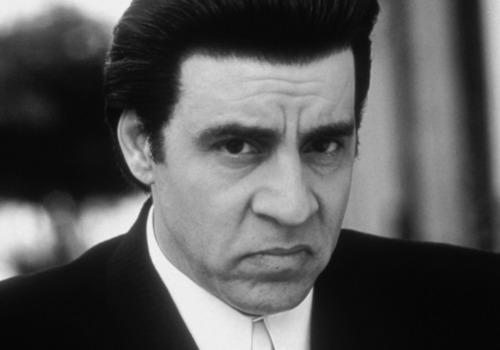
Steven Van Zandt (born 1950) is an American musician, songwriter, and actor best known as guitarist for Bruce Springsteen’s E Street Band and for roles in The Sopranos and Lilyhammer, while also recording solo music.
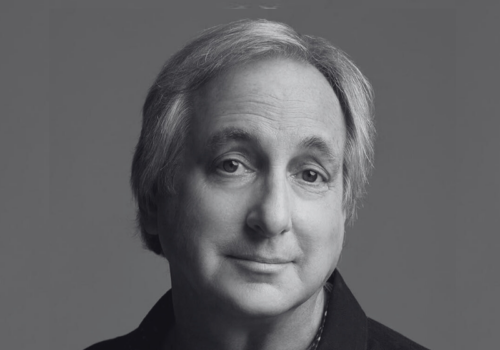
Billy Van Zandt (born 1957) is an American playwright, actor, and director known for numerous stage comedies including Love, Sex and the I.R.S. and for television writing and development, with frequent collaborator Jane Milmore.
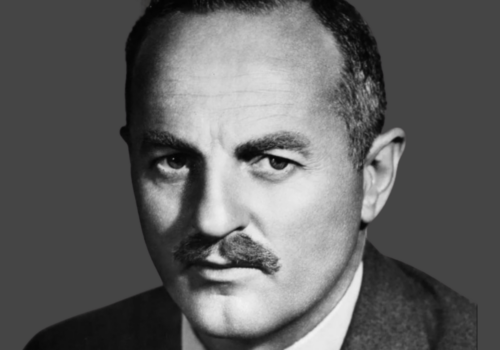
Darryl F. Zanuck (1902–1979) was a pioneering American film producer and studio executive who co-founded Twentieth Century Fox and produced influential films including The Grapes of Wrath, All About Eve, and The Sound of Music.
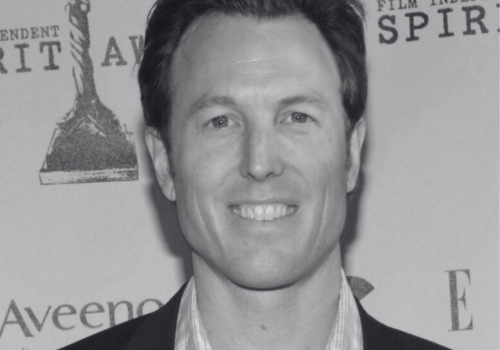
Dean Zanuck (born 1972) is an American film producer and studio executive who continued the Zanuck family’s Hollywood legacy, producing films including Road to Perdition, Get Low, and The Zero Theorem.
Richard D. Zanuck (1934–2012) was an American film producer and studio executive who led production at Twentieth Century Fox and later produced major films including Jaws, Driving Miss Daisy, Big Fish, and Road to Perdition.
Bernard “Bernie” Zondervan (1910–1966) was an American religious book publisher who co-founded Zondervan Corporation with his brother Peter in 1931, building one of the largest Christian publishing houses in the United States.
Peter “Pat” Zondervan (1909–1993) was an American publisher who co-founded Zondervan Corporation with his brother Bernard in 1931, helping build one of the largest Christian publishing houses and producing the influential New International Version Bible.