Exploring Dutch Heritage Through Research 

Exploring Dutch Heritage Through Research 

A Tour of New Netherland

Introduction - Welcome to New Netherland

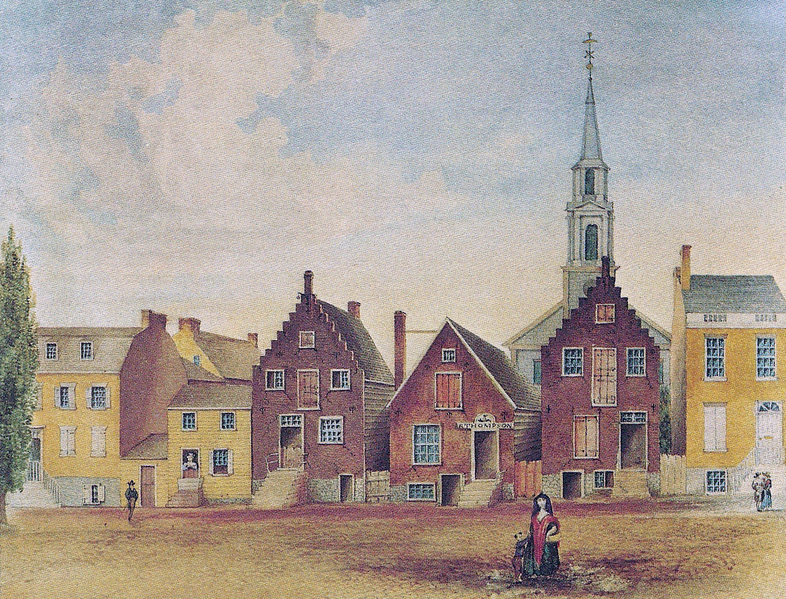
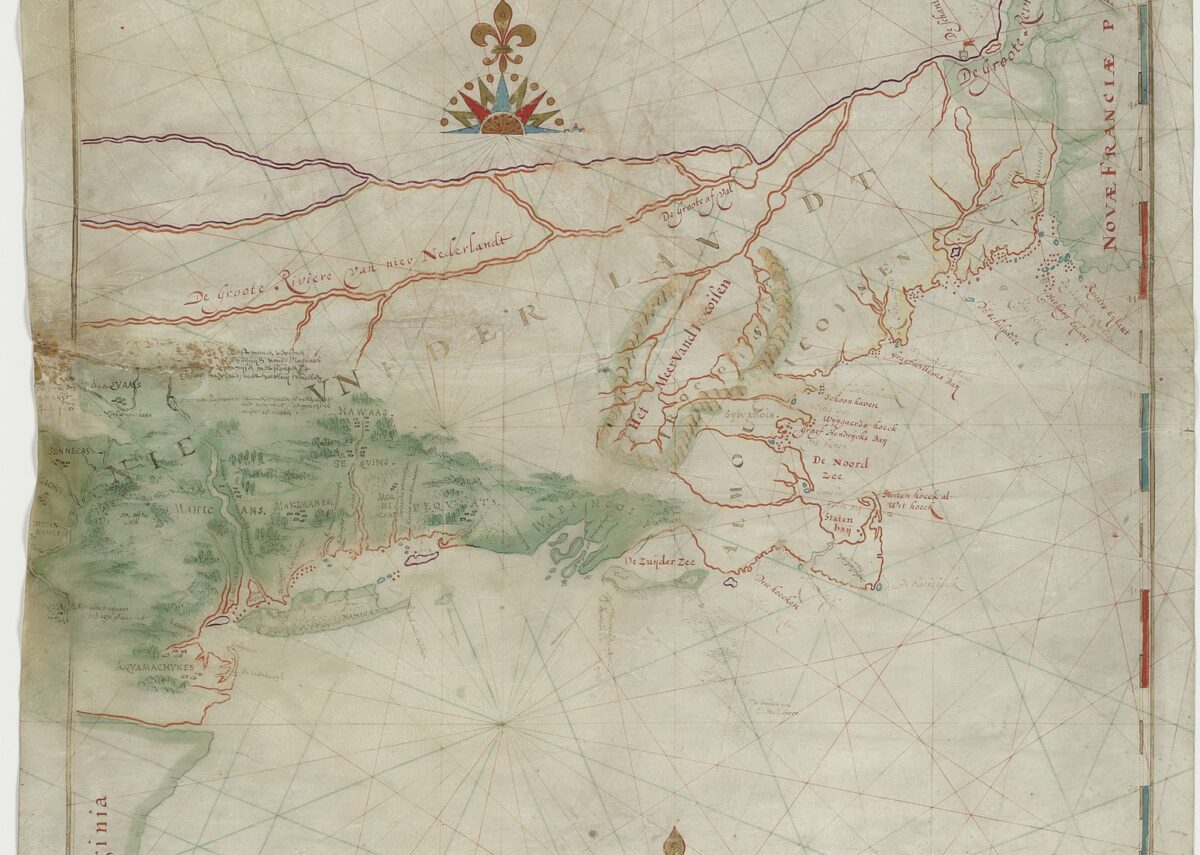
Welcome to New Netherland. If you are a first-time visitor, you are about to enter a lost world. Then again, you may soon discover that you’ve been here before. In fact, you may live here. New Netherland was a colony founded by the Dutch on the east coast of North America in the seventeenth century, which vanished when the English wrested control of it in 1664, turning its capital, New Amsterdam, into New York City. It extended from Albany, New York, in the north to Delaware in the south. It encompassed parts of what are now the states of New York, New Jersey, Pennsylvania, Maryland, Connecticut and Delaware.


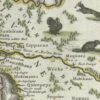
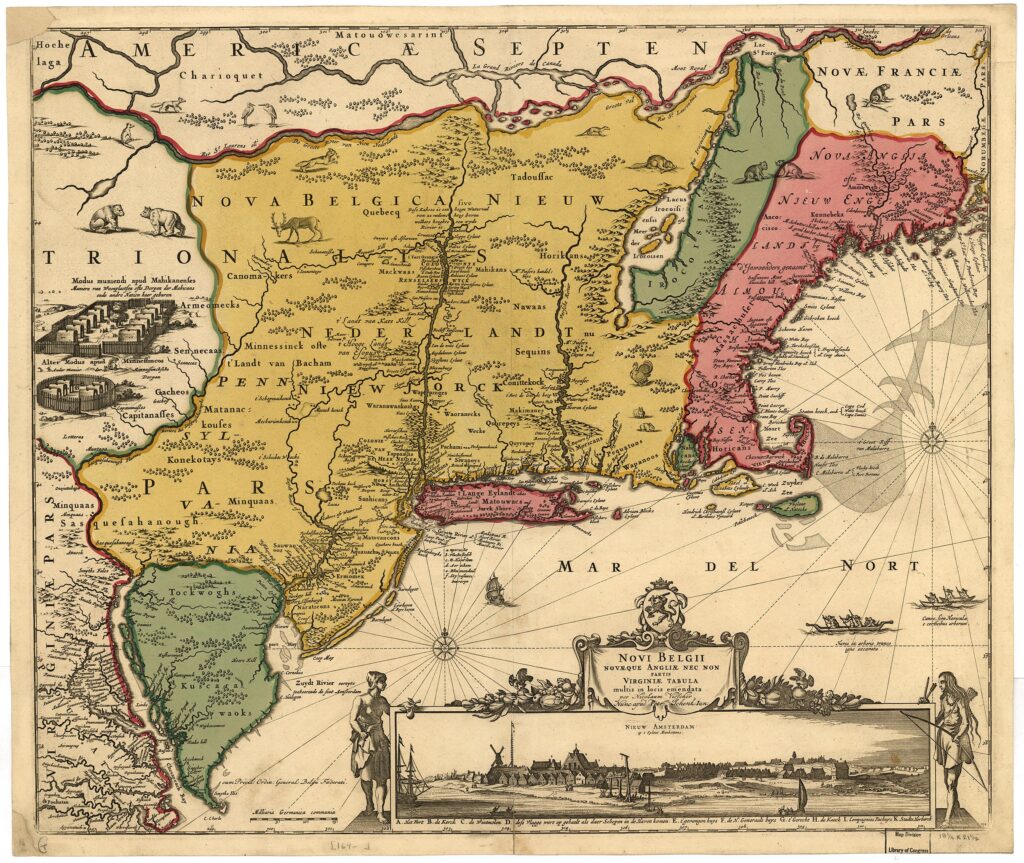
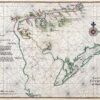
Novi Belgii Novaeque Angliae

Map by N.J. Visscher 1650/51 based on a manuscript map compiled by Adriaen van der Donck in 1648. This is the second state (1652) which added Fort Kasimier. For more on this and similar maps see The Maps of Bert Twaalfhove

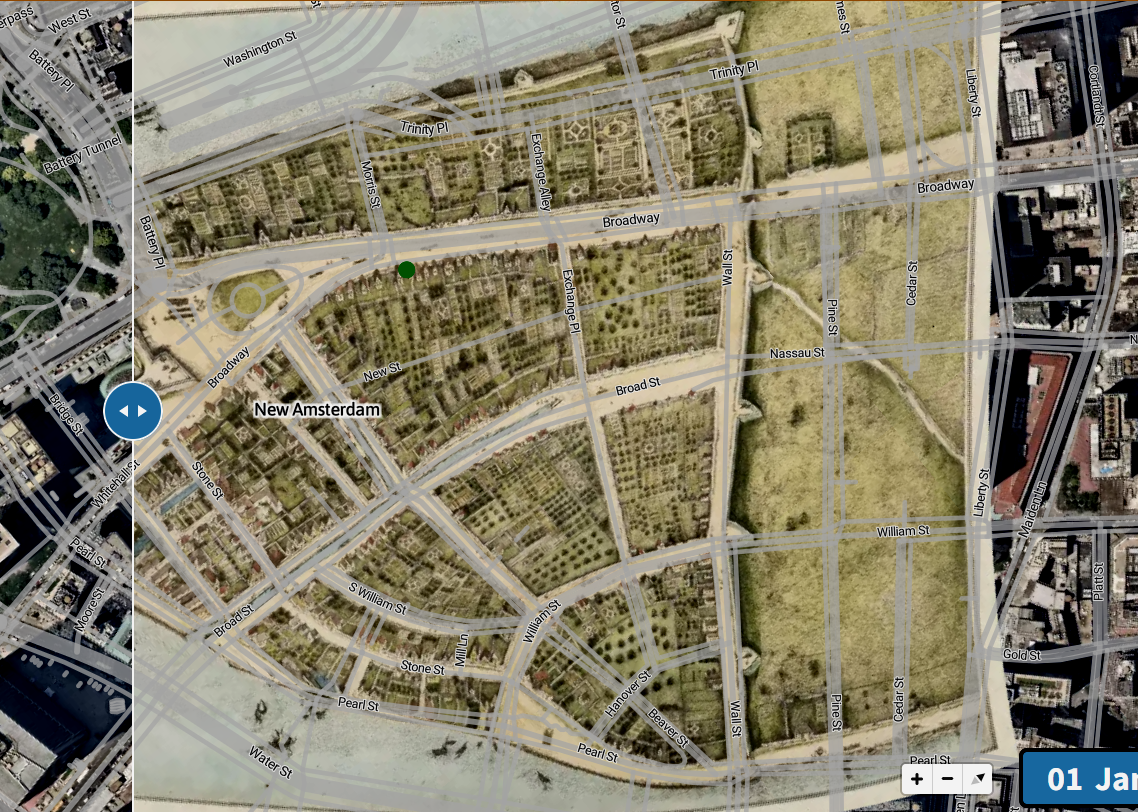
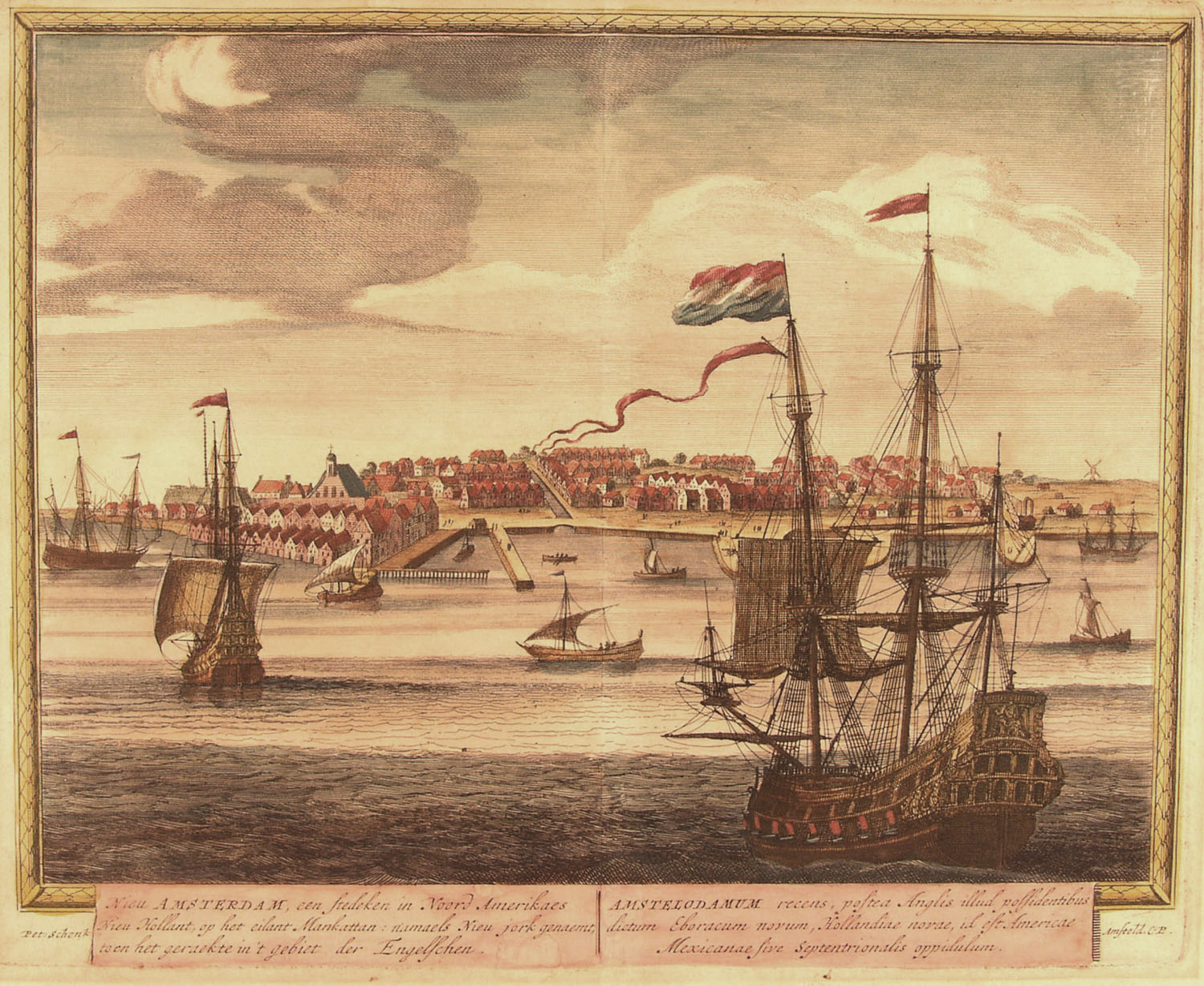
New Netherland got underway at about the same time the Pilgrims were settling Cape Cod and the Jamestown colony was establishing itself in Virginia, but you wouldn’t know that from most history books. To visit New Netherland is to see familiar places in new ways. It is to see Manhattan not as the steel-and-concrete center of the financial world, but a forested island with a tiny, rough-and-ready European settlement clinging to its southern tip. It is to imagine what is now the northeastern United States as a virgin wilderness, inhabited by native Americans and small groups of European settlers, who navigated not by roads or even forest paths but by the watery highways of the region: the Hudson, Delaware, and Connecticut Rivers. In New Netherland you will discover familiar-sounding places: Lang Eylant (Long Island), Breuckelen (Brooklyn), Haarlem, Staten Eylant (Staten Island) (named after the “Staten Generaal” or States General, the governing body in the seventeenth-century Netherlands)–all testaments to the legacy of New Netherland and its contributions to American history and culture.

But place names only scratch the surface of New Netherland’s legacy. From Santa Claus to log cabins, pancakes to cole slaw, multiculturalism to upward mobility, New Netherland influenced American culture in surprising ways.

Exhibit Credits:

Text and research by Russell Shorto, an author and journalist. Mr. Shorto’s books include the best-selling history of New Netherland, The Island at the Center of the World.

Original site design by Howard L. Funk, the designer and webmaster for the original web site of the New Netherland Project and the New Netherland Institute.

Technical consultation by Dr. Charles Gehring, the Director of the New Netherland Research Center.

2012 exhibit redesign by Bill Greer, an NNI trustee and author of The Mevrouw Who Saved Manhattan , and Steve McErleane.
Connecticut

To Dutch explorers, peaceable natives, fur-bearing animals, and navigable waterways meant profit. Adriaen Block, after Hudson’s 1609 voyage, led four expeditions and mapped the region with remarkable accuracy.

01
Fort Good Hope, circa 1639 L. F. Tantillo, 2023 © By Historical Artist, Len...

02

He was the Yonkheer-the squire or "young sir." Adriaen Van der Donck was one...

03

The site of Mason’s massacre of Pequots in 1637 Pequot village diorama, from the...

04

In 1614, Adriaen Block named Rodenbergh after red hills near a promising harbor. Though...

05

In 1633, Dutch forces at House of Hope watched as Englishman William Holmes defied...

The capital city of New York has an unusually patchwork history. Needless to say, the area was under Dutch control before it fell into English hands, but even in the Dutch period there were three distinct entities that vied with one another over territory and rights.

01
For twelve years, Fort Orange, Rensselaerswijck, and Beverwijck coexisted. Beverwijck steadily grew, adding tradesmen,...

02
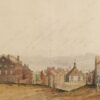
In 1652, a power struggle erupted between Brant Van Slichtenhorst and Petrus Stuyvesant over...

03
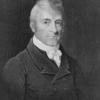
In 1631, Killiaen van Rensselaer founded Rensselaerswijck near Fort Orange, establishing the only successful...

04
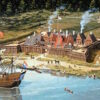
In 1624, the Dutch built Fort Orange on the mainland near Fort Nassau’s site,...

05

In 1614, Dutch traders built Fort Nassau on Castle Island for fur trade with...

Henry Hudson’s 1609 voyage for the Dutch led to the exploration of the Hudson, Connecticut, and Delaware rivers, prompting Dutch claims and shaping New Netherland’s legacy—including New York’s unique character.

01

He was the Yonkheer-the squire or "young sir." Adriaen Van der Donck was one...

02

In the 1650s, settlers from Fort Orange founded Esopus midway up the Hudson River,...

03

Drawn by dreams of Asian trade, the Dutch stayed in North America for beaver...

04

De Halve Maen (The Half Moon) was the name of the ship in which...

05

The Hudson River is known all over the world as the major waterway that...

06

In 1624, thirty Walloon families fleeing Spanish Catholic rule arrived with Cornelis May aboard...

07
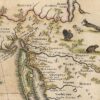
In 1624, thirty Walloon families fleeing Spanish Catholic rule arrived with Cornelis May aboard...

08
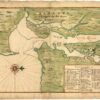
Named for the Dutch States General, Staten Island was purchased in 1630 by Pieter...

Long Island, once called 't Lange Eylandt by the Dutch, became a contested territory between New Netherland and New England. Dutch and English place names reflect its rich, conflicted colonial history.

01
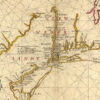
Founded in 1660 by French immigrants, Boswijck quickly grew between Breuckelen and Middleburgh. Amid...

02
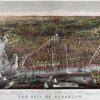
In 1636, Dutch pioneers settled western Long Island, founding Breuckelen in 1646. Farms lined...

03
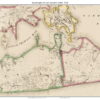
In 1640, English settlers from Massachusetts attempted to settle western Long Island but were...

04
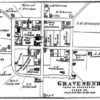
In 1643, Lady Deborah Moody, fleeing religious intolerance, founded a settlement in New Netherland....

05
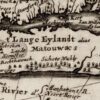
In 1643, English families from Connecticut settled a fertile Long Island plain. Granted permission...

06
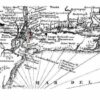
In 1642, English minister Francis Doughty founded Maspeth in Queens under Dutch rule. Expelled...

07

In the 1640s, Dutch settlers avoided a heavily wooded area on Long Island. By...

08

Founded in 1636, Amersfoort grew into a thriving town with farms, magistrates, and taverns....

09
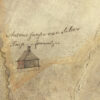
In 1643, Anthony Jansen Van Salee received land on Long Island. Later settled and...

10

The town of Vlissingen, later Flushing, became a center of religious controversy in the...

Manhattan was a natural choice for New Netherland's capital—defensible, well-positioned for trade, and known to natives long before Europeans arrived. Its name, derived from a Delaware word for bow-making wood, endured.
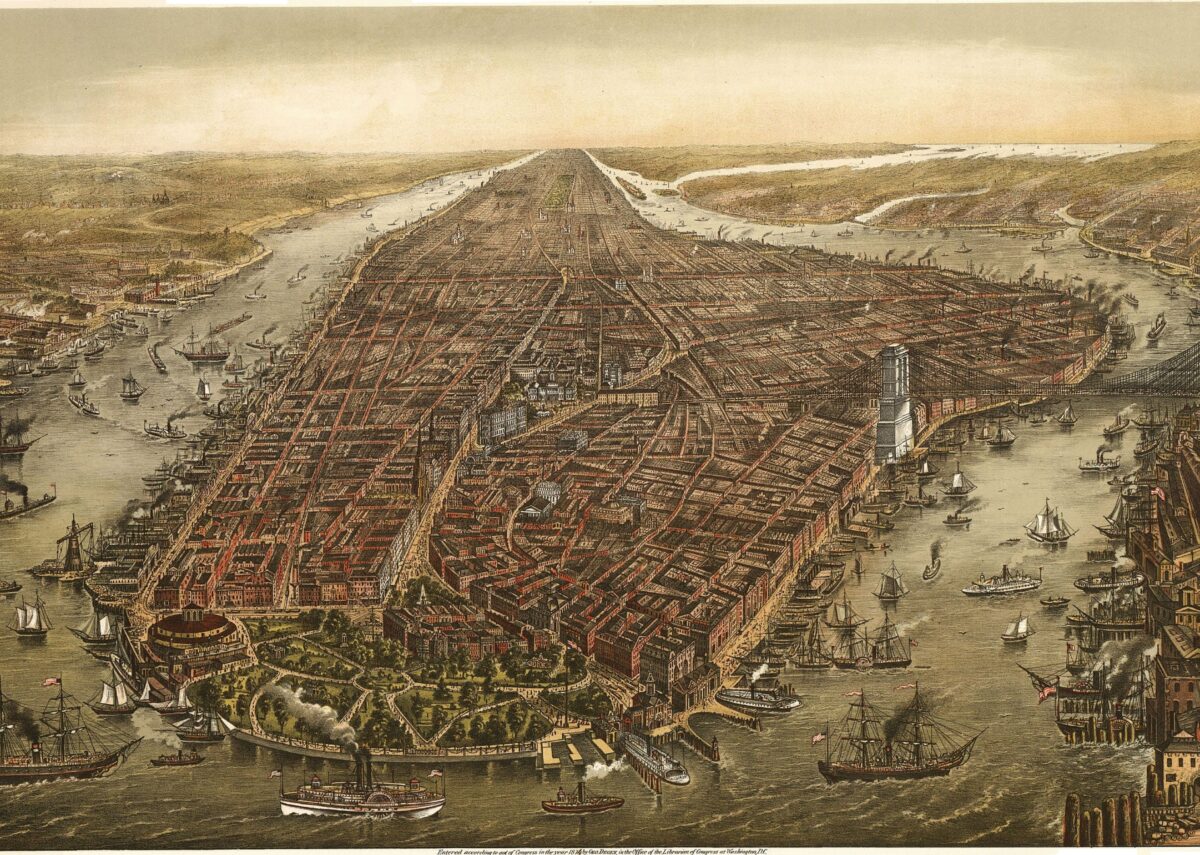
01

The Dutch widened the southern reaches of the trail, making it into a proper...

02

In the seventeenth century, forts were essential for trade and defense. Once Manhattan was...

03
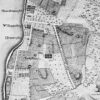
During the Dutch period, the area north of New Amsterdam was called Noortwyck. In...

04

To defend New Amsterdam from northern threats, the Dutch encouraged settlement on Manhattan’s flat...

05
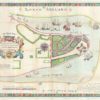
New Amsterdam, the Dutch capital on Manhattan’s southern tip, had just fifteen streets and...

06
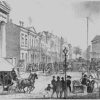
Wall Street takes its name from the wooden wall the Dutch erected in the...

Today’s Delaware River—once the Dutch “South River”—was a key trade route. Cities like Wilmington and Trenton emerged here, and Delaware’s origins trace to the short-lived Dutch settlement of Swaanendael.

01
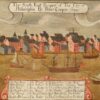
Philadelphia was founded during the English period in 1681 by William Penn, but European...

02
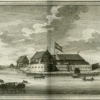
Before choosing Manhattan, the Dutch planned their capital on Burlington Island. Later, Fort Nassau...

03
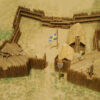
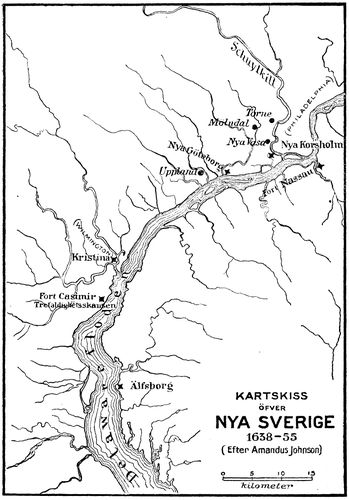
In 1638, Peter Minuit, formerly of New Netherland, led Swedish settlers to the South...

04
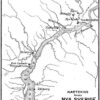
In 1638, the Swedes founded New Sweden in Dutch-claimed territory, triggering a struggle over...

05
ChatGPT said:
In 1631, Dutch investors established the patroonship of Swaanendael on Delaware Bay, hoping...

06
In 1631, Dutch investors established the patroonship of Swaanendael on Delaware Bay, hoping to...

About New Netherland Institute

For over three decades, NNI has helped cast light on America's Dutch roots. In 2010, it partnered with the New York State Office of Cultural Education to establish the New Netherland Research Center, with matching funds from the State of the Netherlands. NNI is registered as a 501(c)(3) non-profit organization. Contributions are tax-deductible to the extent permitted by law.

About New Netherland Institute

For over three decades, NNI has helped cast light on America's Dutch roots. In 2010, it partnered with the New York State Office of Cultural Education to establish the New Netherland Research Center, with matching funds from the State of the Netherlands. NNI is registered as a 501(c)(3) non-profit organization. Contributions are tax-deductible to the extent permitted by law.