Translations & Transitions Govert Loockermans, a Manhattan Merchant’s Correspondence & Papers More → |
Voyages Maritime routes that shaped the Dutch North Atlantic world More → |
Zotero Bibliography Research Source: 17th century scholarly, non-fiction publications More → |
Genealogical Research What’s in a Name? Discover your ancestors’ origins More → |
Translations & Transitions Govert Loockermans, a Manhattan Merchant’s Correspondence & Papers More → |
Voyages Maritime routes that shaped the Dutch North Atlantic world More → |
Zotero Bibliography Research Source: 17th century scholarly, non-fiction publications More → |
Genealogical Research What’s in a Name? Discover your ancestors’ origins More → |

Creator: Rogers Marvel Architects, PLLC
Source: Wikipedia Commons
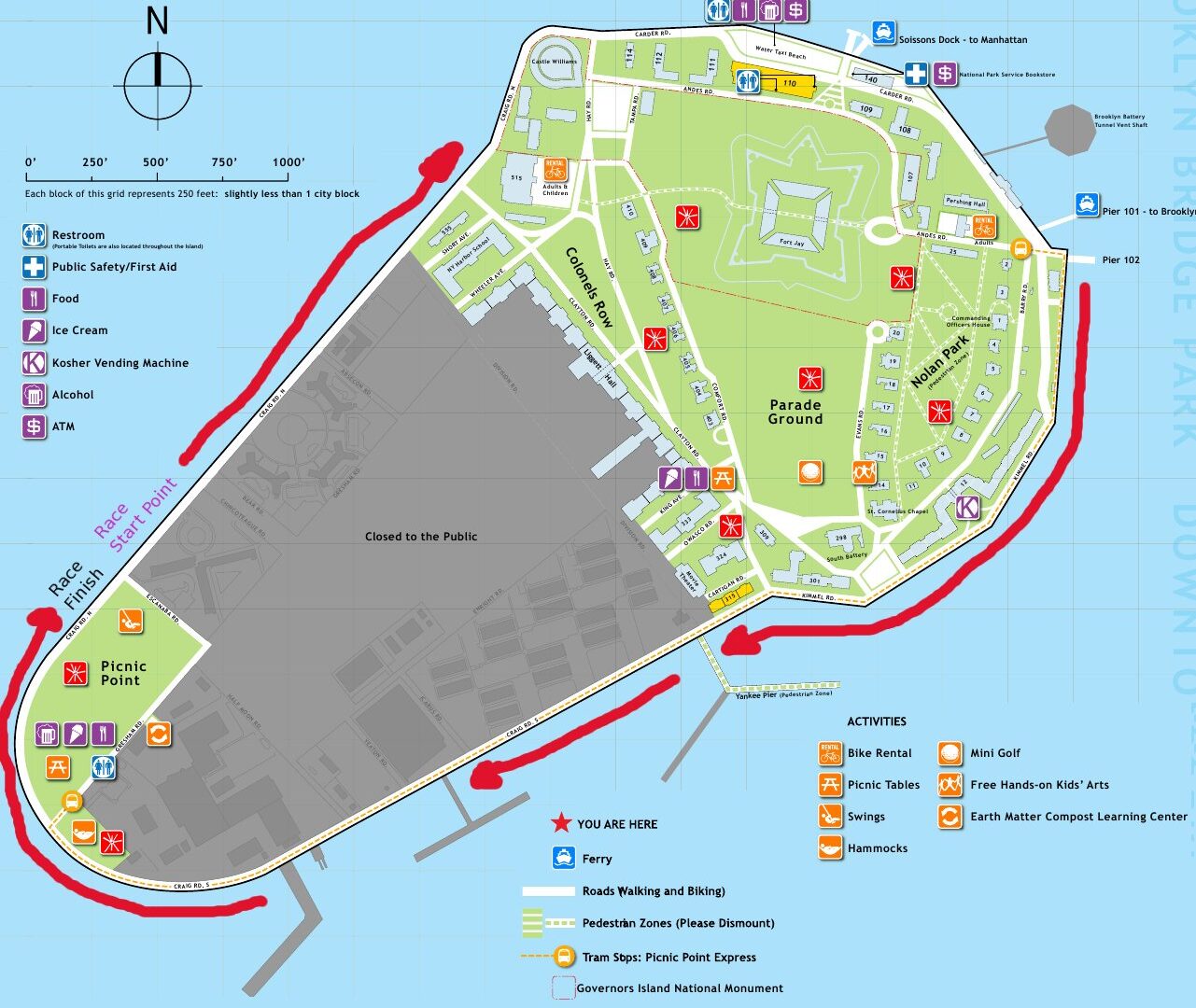
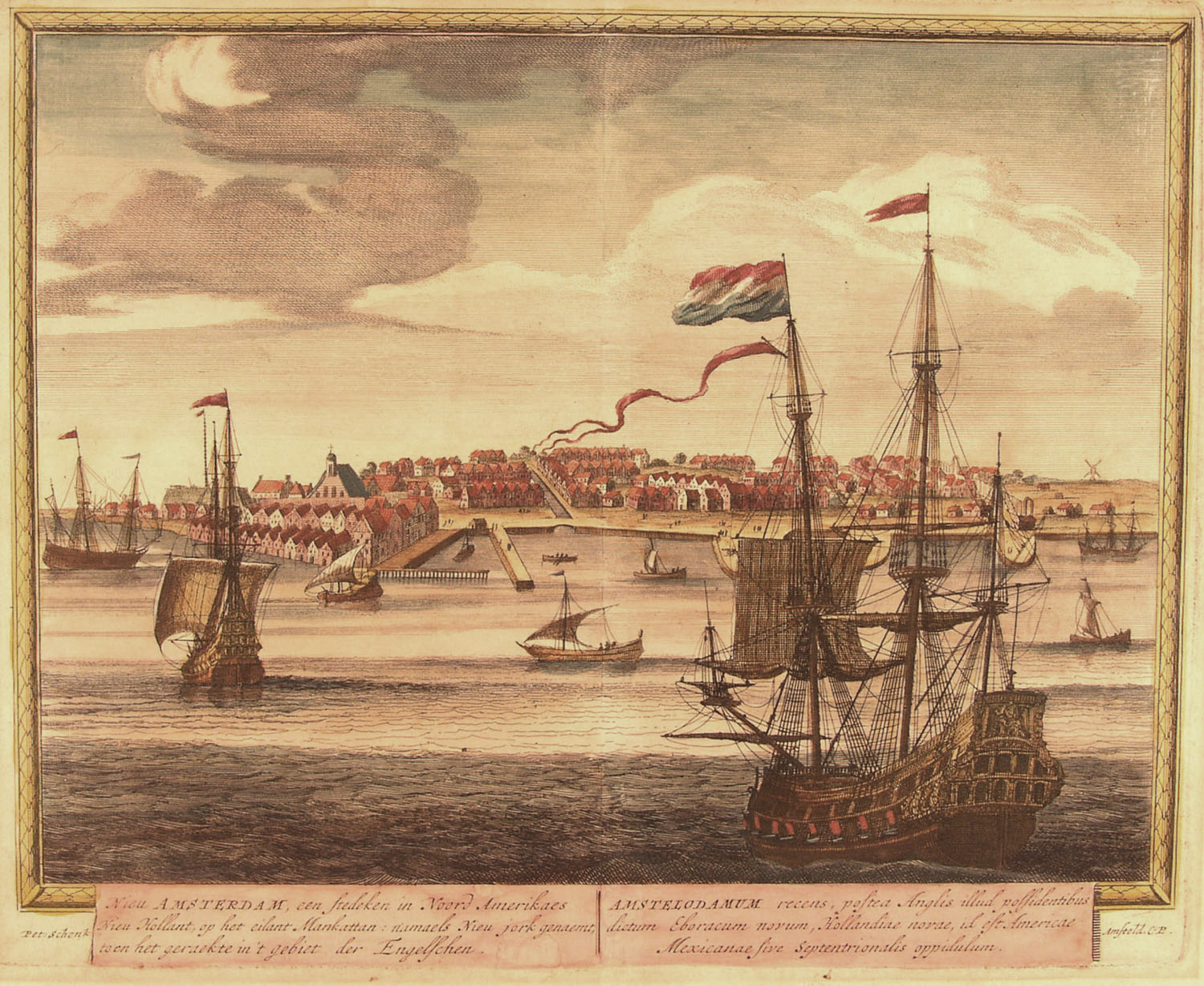
In 1624, the ship Nieu Nederlandt (New Netherland) put in at the island, under the command of Cornelis Jacobsz May. May’s passengers comprised a group of 30 families from an area of the Low Countries or Spanish Netherlands called Wallonia. The Netherlands was in the midst of a long war with Spain, and at the time Wallonia was under Spanish rule. Spain hoped to reconvert the Walloons to Catholicism; thus, along with the Pilgrims who had arrived at Cape Cod just four years earlier, these were among first of what would be droves of refugees coming to America seeking religious freedom. Soon after arriving, most of these settlers were transported further up the Hudson River, to present-day Albany. A party of eight men was left on Nut Island, as the West India Company, their employer, thought to make this the center of its fur-trading operations.
WHAT WAS NEW NETHERLAND?
We use cookies to enhance your experience on our site. By continuing, you agree to our use of cookies. See our privacy policy page for the details.
Welcome! You can explore everything you're looking for in the NNI library. Simply type a keyword into the search bar and press Enter to begin your search.
Sign in to access exclusive features and keep track of your favorite content on NNI!
New membership are not allowed.
For over three decades, NNI has helped cast light on America's Dutch roots. In 2010, it partnered with the New York State Office of Cultural Education to establish the New Netherland Research Center, with matching funds from the State of the Netherlands. NNI is registered as a 501(c)(3) non-profit organization. Contributions are tax-deductible to the extent permitted by law.