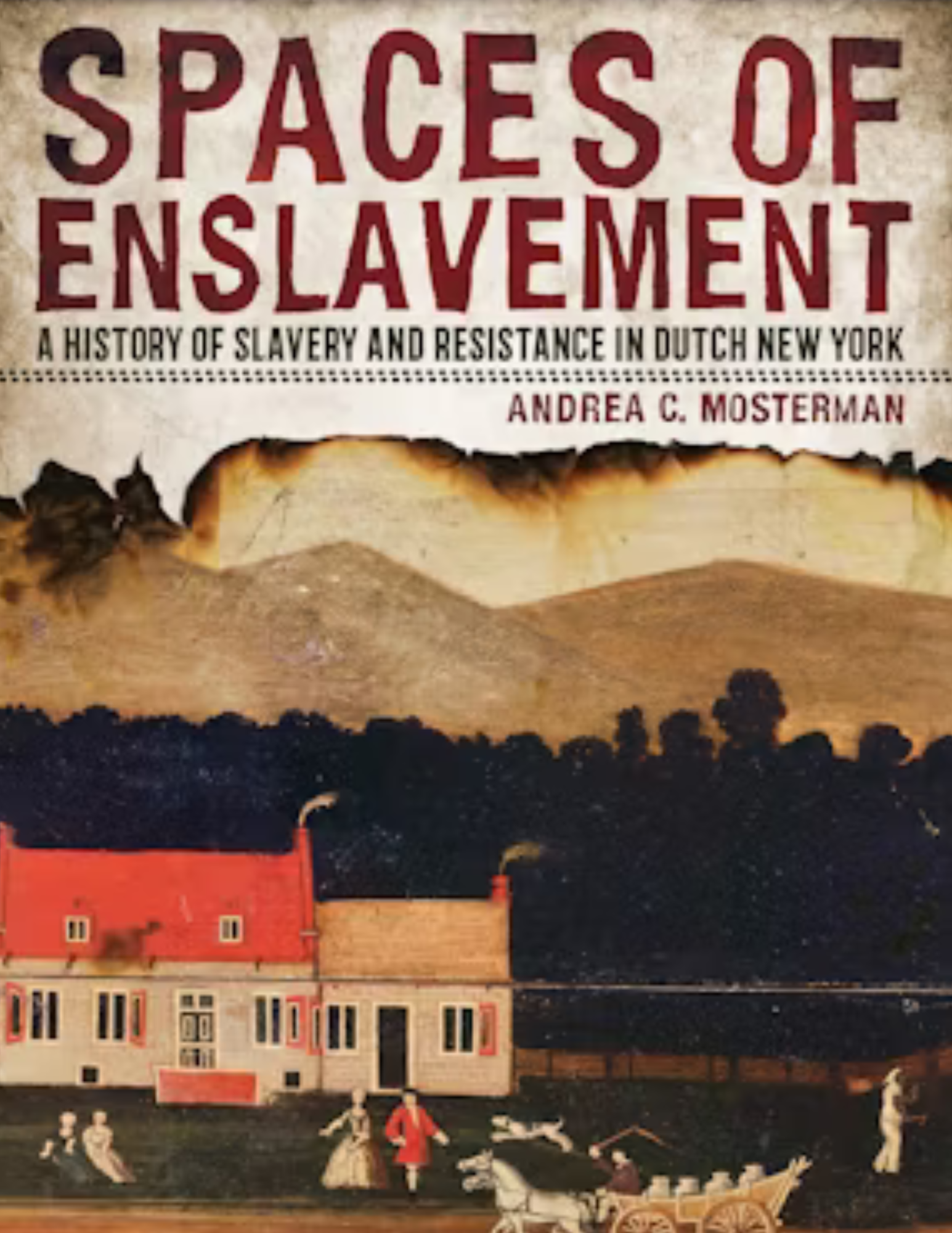
Translations & Transitions Govert Loockermans, a Manhattan Merchant’s Correspondence & Papers More → |
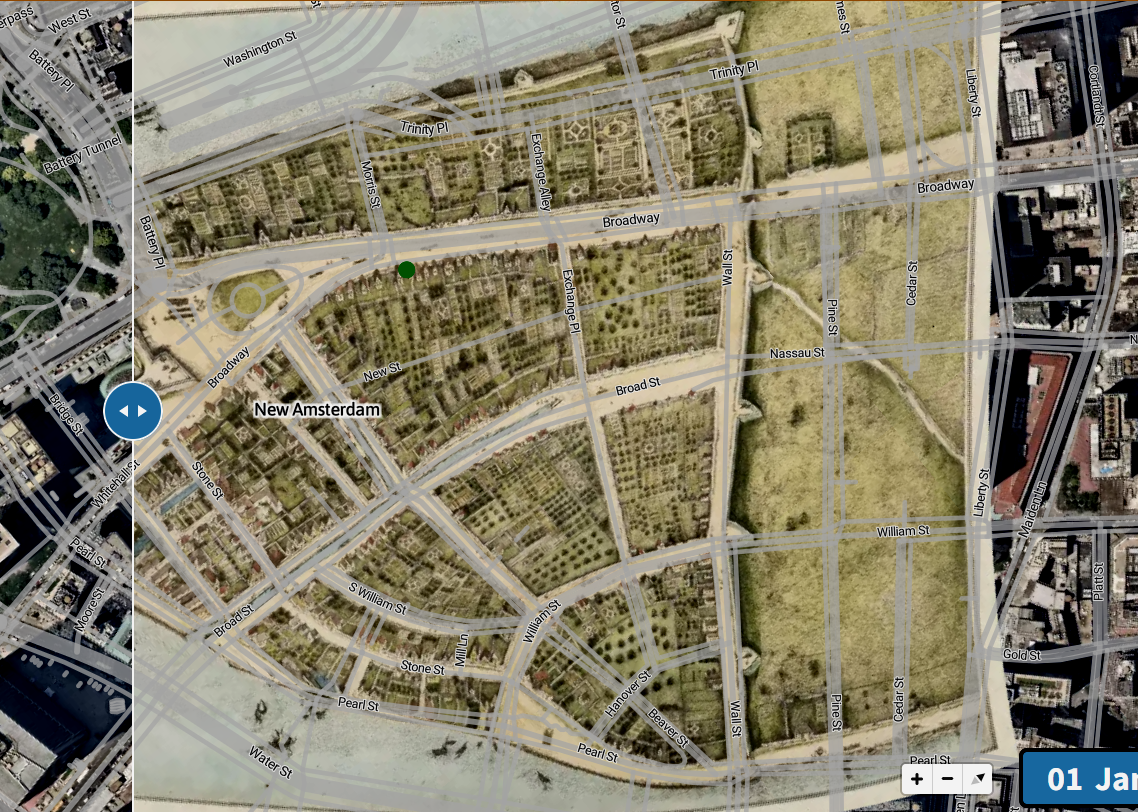
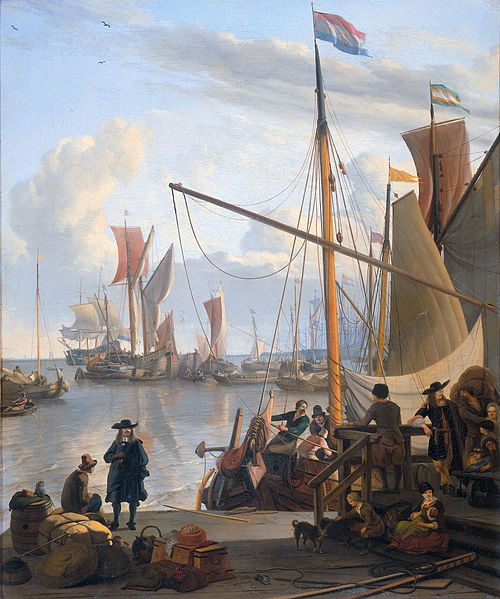
Voyages Maritime routes that shaped the Dutch North Atlantic world More → |
Zotero Bibliography Research Source: 17th century scholarly, non-fiction publications More → |
Genealogical Research What’s in a Name? Discover your ancestors’ origins More → |
Translations & Transitions Govert Loockermans, a Manhattan Merchant’s Correspondence & Papers More → |
Voyages Maritime routes that shaped the Dutch North Atlantic world More → |
Zotero Bibliography Research Source: 17th century scholarly, non-fiction publications More → |
Genealogical Research What’s in a Name? Discover your ancestors’ origins More → |
Wampum
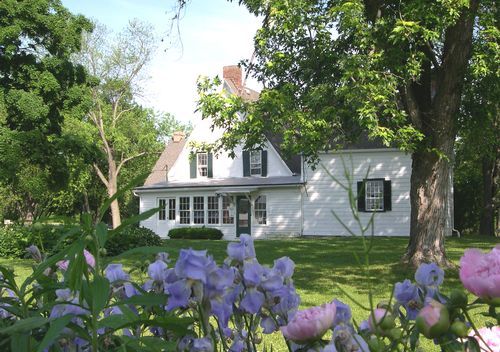
Known as wampum or sewant, these shell beads were so highly valued by Indians that they took the place of currency. Rather than silver coins, the Dutch purchased goods and land with these beads or with beaver pelts. To learn more, watch this video of Arthur Kirmss, who makes wampum using 17th century techniques and tools.Have you ever wondered what life was like for Dutch families who settled in New Netherland? Visit the home of Jan Mabee. His father came to North America from the Netherlands, and in 1706, Jan built this house on the banks of the Mohawk River near Schenectady. Today, the house is part of the Schenectady County Historical Society’s Mabee Farm Historic Site, where visitors can learn about the lives of the Mabee family and other families who settled along the Mohawk River during colonial times. To learn more, visit the Mabee Farm’s website.

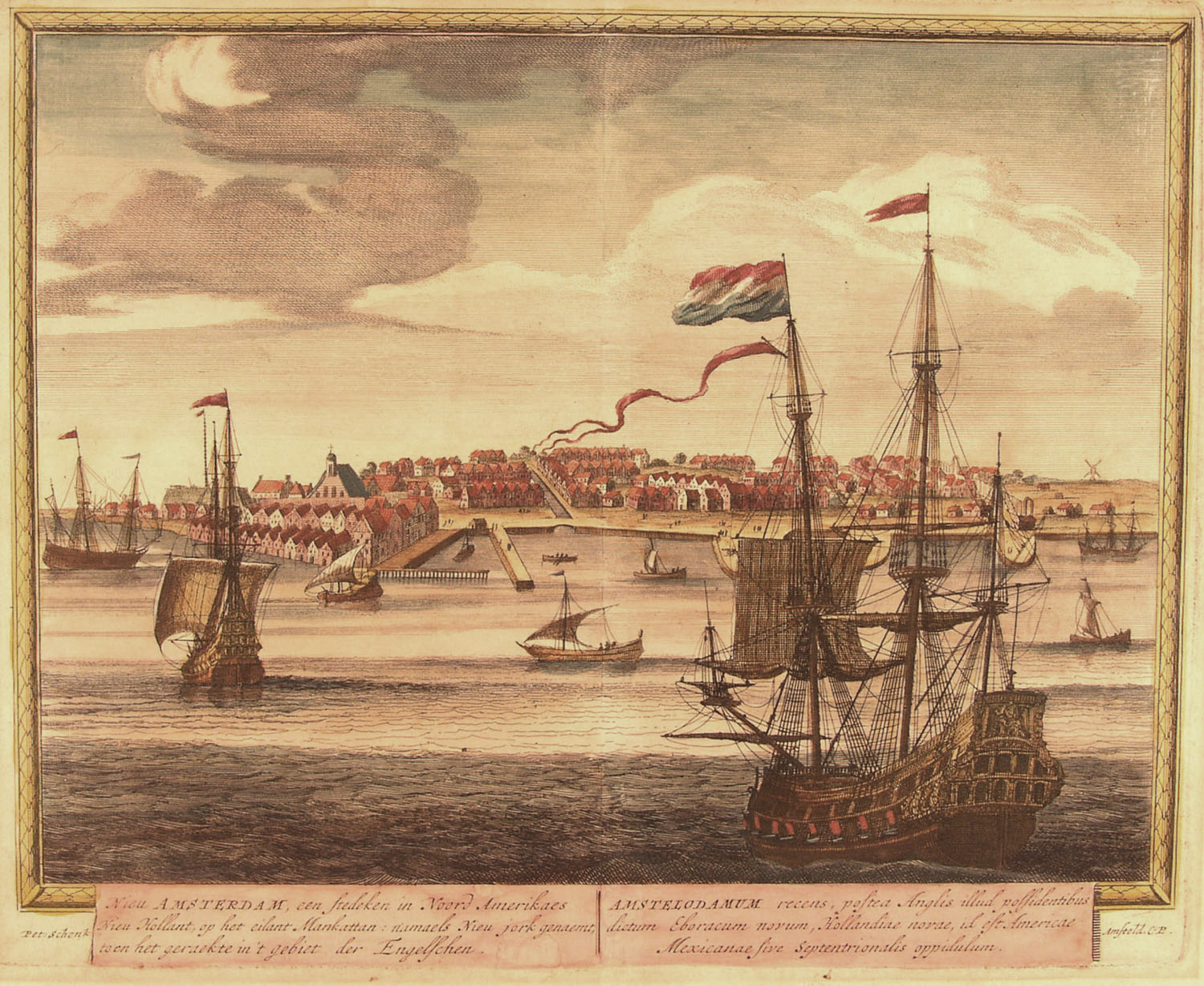
In 1664, the two major population centers in New Netherland were New Amsterdam (New York City) and Beverwijck (Albany, New York). Dutch settlers lived in towns and villages as far south as New Amstel (New Castle, Delaware) and as far north and west as Schenectady, New York.
WHAT WAS NEW NETHERLAND?
We use cookies to enhance your experience on our site. By continuing, you agree to our use of cookies. See our privacy policy page for the details.
Welcome! You can explore everything you're looking for in the NNI library. Simply type a keyword into the search bar and press Enter to begin your search.
Sign in to access exclusive features and keep track of your favorite content on NNI!
New membership are not allowed.
For over three decades, NNI has helped cast light on America's Dutch roots. In 2010, it partnered with the New York State Office of Cultural Education to establish the New Netherland Research Center, with matching funds from the State of the Netherlands. NNI is registered as a 501(c)(3) non-profit organization. Contributions are tax-deductible to the extent permitted by law.