Recommended Reading
These recommended books paint a portrait of New Netherland, from a nutshell history you can finish in a sitting or two to a riotous romp of a novel that carries you through 40 years on the Hudson. In between is a bestselling history that captures all the conflict and drama of the place and a first-hand account of what the Dutch discovered in this “beautiful and fruitful land.”
When Europeans first arrived in North America, they faced a cold new world. The average global temperature had dropped to lows unseen in millennia
A romp through the history of New Netherland that would surely have Petrus Stuyvesant complaining about the riot transpiring between its pages ... Readers are guaranteed a genuine adventure that will evoke the full range of human emotions.
Firth Haring Fabend has studied a large colonial American family over five generations. The Haring family settled in the Hackensack Valley where they lived, prospered, and remained throughout the eighteenth century.
In 1634, Harmen van den Bogaert led a Dutch West India Company expedition into Iroquois territory, documenting New York’s interior and its native peoples in the earliest known surviving account.
The story of Adriaen Block – either the third or fourth European to explore what became New Netherland – who played a vital role in its eventual settlement.
From its earliest days under English rule, New York City had an unusually diverse ethnic makeup, with substantial numbers of immigrants.
This work examines the Middle Colonies—New York, New Jersey, and Pennsylvania—as a region at the center of imperial contests among competing European powers and Native American nations and at the fulcrum of an emerging British-Atlantic world of culture and trade.
During the first generations of European settlement in North America, a number of interconnected Northeastern families carved out private empires
This work examines the Middle Colonies—New York, New Jersey, and Pennsylvania—as a region at the center of imperial contests among competing European powers and Native American nations and at the fulcrum of an emerging British-Atlantic world of culture and trade.
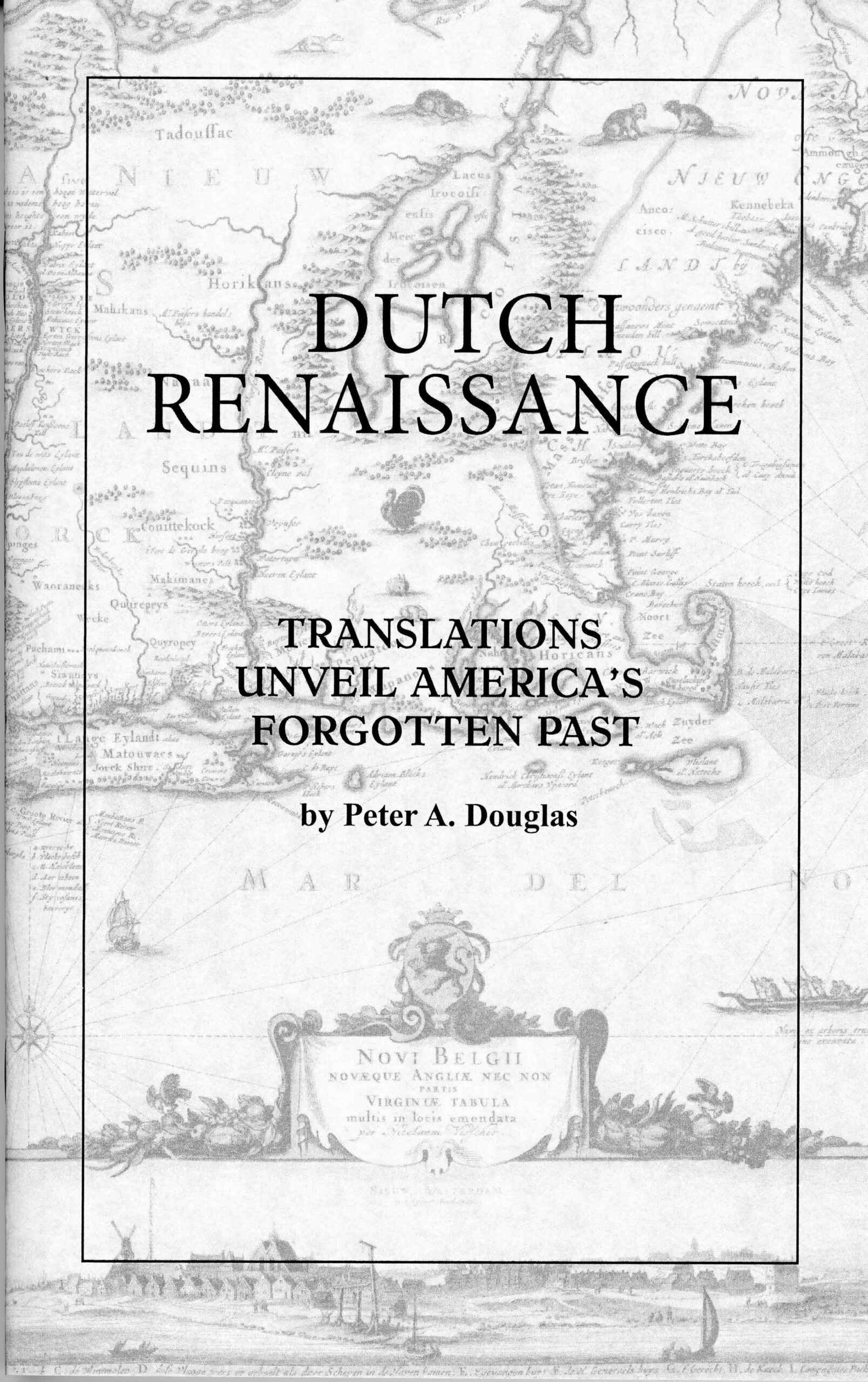
Peter Douglas’s Dutch Renaissance traces the unlikely survival of New Netherland’s records through shipwreck, war, and fire—culminating in Dr. Charles Gehring’s decades-long effort to translate the 17th-century Dutch texts and revive the colony’s forgotten voice and legacy.
D. L. Noorlander argues that the Reformed Church and the West India Company forged and maintained a close union, with considerable consequences across the seventeenth century.
A biography from the Associate Director of the New Netherland Research Center about the visionary Amsterdam merchant. Van Rensselaer was a driving force behind the patroonship system and founded the only successful example, Rensselaerswijck.
The settlers of New Netherland were obligated to uphold religious toleration as a legal right by the Dutch Republic’s founding document, the 1579 Union of Utrecht
Susanah Shaw Romney locates the foundations of the early modern Dutch empire in interpersonal transactions among women and men.
"For anyone seeking to answer the question, 'What was New Netherland?' this little volume is a handy, richly packed resource. It gives you the background, the actors, the action, and the legacy. In clear prose, it covers a lot of history in a few pages."
Snowshoe Country is an environmental and cultural history of winter in the colonial Northeast, closely examining indigenous and settler knowledge of snow, ice, and life in the cold.
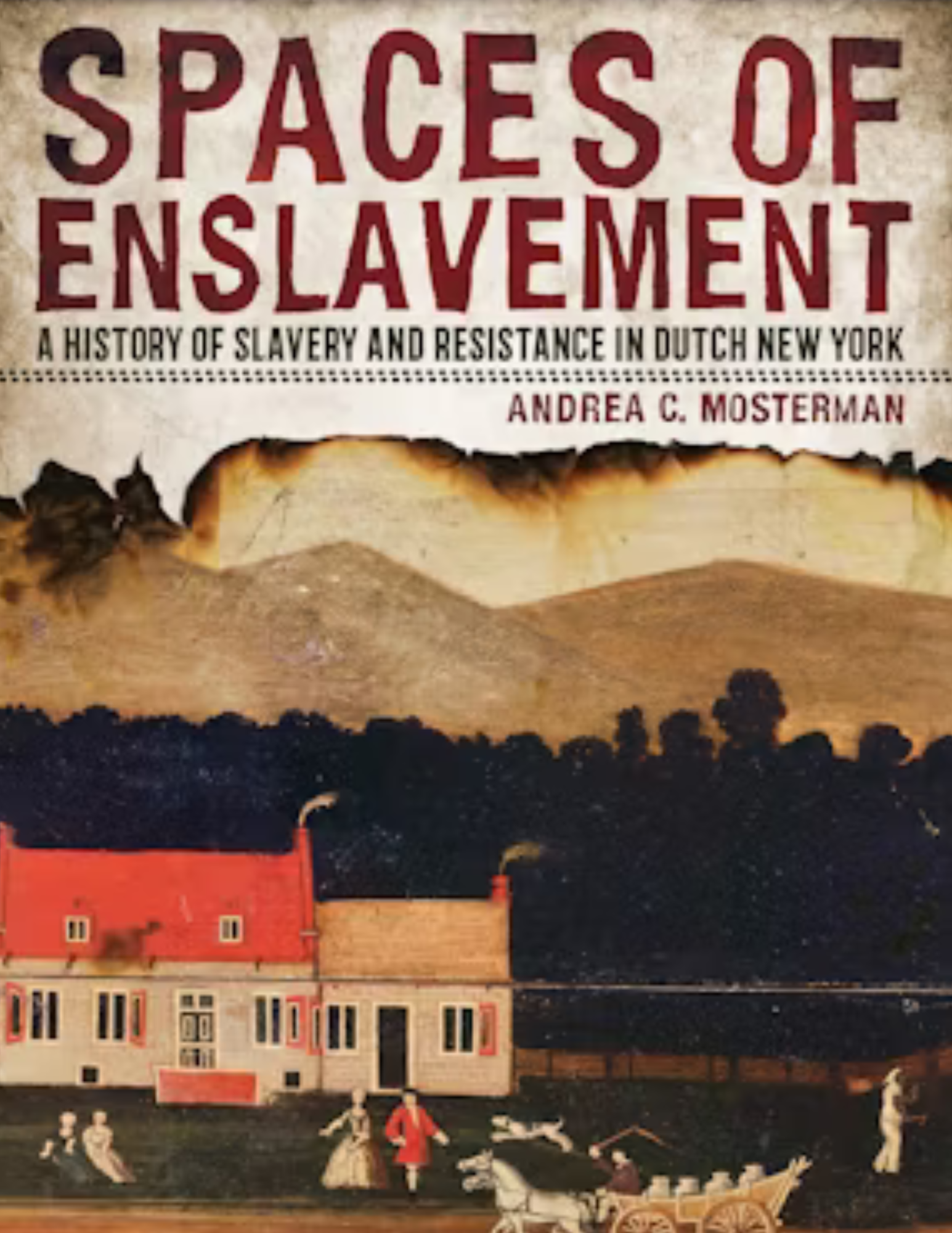
In Spaces of Enslavement, Andrea C. Mosterman addresses the persistent myth that the colonial Dutch system of slavery was more humane.
Why is New York the archetypal modern city – brash, bold, pulsing with energy? The author of The Island at the Center of the World offers up a thrilling narrative of how New York came to be.
In The Colony of New Netherland, Jaap Jacobs chronicles Dutch exploration and settlement in the Hudson Valley, beginning with Henry Hudson’s 1609 voyage. Though Dutch control ended in 1674, their brief presence profoundly shaped the region’s history, trade, and cultural foundations.
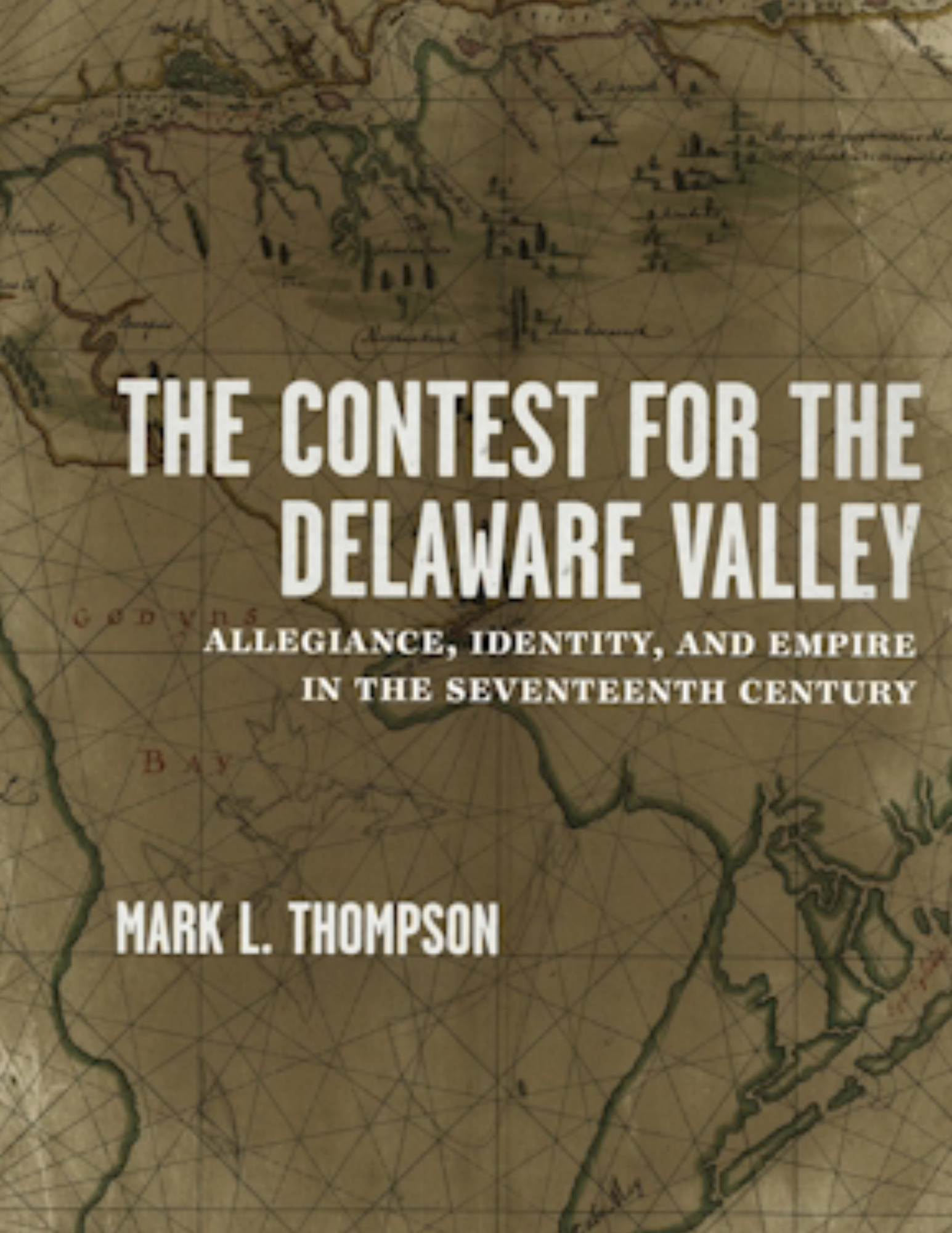
In the first major examination of the diverse European efforts to colonize the Delaware Valley, Mark L. Thompson offers a bold new interpretation of ethnic and national identities in colonial America.
In The Dutch Moment, Wim Klooster shows how the Dutch built and eventually lost an Atlantic empire that stretched from the homeland in the United Provinces to the Hudson River and from Brazil and the Caribbean to the African Gold Coast.
Employing a frontier framework, this book traces intercultural relations in the lower Hudson River valley of early seventeenth-century New Netherland. I
Len Tantillo brings 17th-century Delaware River rivalry to life with vivid illustrations, exploring Dutch-Swedish conflict, the fur trade, and a reconstructed fort—featuring historical insight by Dr. Charles Gehring.
Drawing on archival and published documents in several languages, archeological data, and Iroquois oral traditions, The Edge of the Woods explores the ways in which spatial mobility represented the geographic expression of Iroquois social, political, and economic priorities.
Dagomar Degroot reveals how the Dutch Republic thrived during the Little Ice Age, turning climate challenges into opportunities in trade, warfare, and culture—offering timely insights for today’s climate crisis.
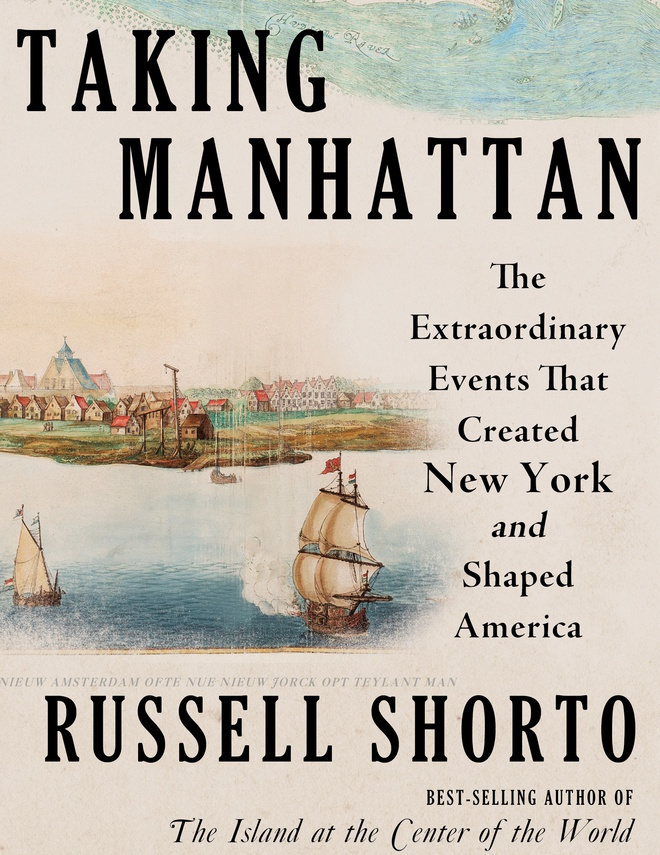
Russell Shorto's bestselling history packs a wallop of a story, moving from the halls of power in London and The Hague to bloody naval encounters on the high seas to the uncharted wilderness Manhattan once was.
A romp through the history of New Netherland that would surely have Petrus Stuyvesant complaining about the riot transpiring between its pages ... Readers are guaranteed a genuine adventure that will evoke the full range of human emotions.
Andrew Lipman’s eye-opening first book is the previously untold story of how the ocean became a “frontier” between colonists and Indians.
In Who Should Rule at Home? Joyce D. Goodfriend argues that the high-ranking gentlemen who figure so prominently in most accounts of New York City's evolution.