Now Reading:

A Dutch Family in the Middle Colonies

Font Selector
Sans Serif
Serif
Font Size
A
A
You can change the font size of the content.
Share Page

Exploring Dutch Heritage Through Research 

Exploring Dutch Heritage Through Research 
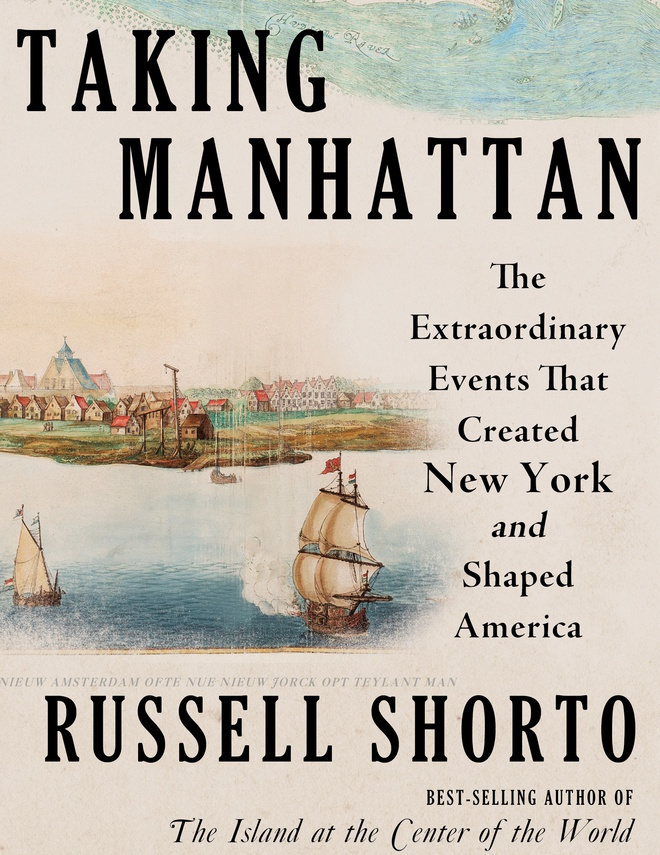
for

A Dutch Family in the Middle Colonies

by Firth Haring Fabend

Firth Haring Fabend has studied a large colonial American family over five generations. The Haring family settled in the Hackensack Valley (on the New York/New Jersey border), where they lived, prospered, and remained throughout the eighteenth century. Fabend looks at how this ordinary family of independent, middle-class farmers coped with immigration, established themselves in a community,  acquired land and capital, and took part in the social, political, economic, and religious changes of the seventeenth and eighteenth centuries.

As she traces the lives of the Harings and their neighbors, Fabend focuses on their marriage and childbearing patterns, living conditions, agricultural methods, and relative economic position. She investigates inheritance patterns, concluding that the position of women deteriorated under English law. She is equally interested in the political and religious life of the family. The Harings formed a church fitting their Pietist beliefs, and this church became central to community life. Their theology encouraged them to question religious authority, which in turn fostered the questioning of political authority. Their community became a seedbed for revolutionary activity. Fabend examines the family’s position in the Revolution–primarily patriot–and the losses they suffered in that conflict.   

The Harings of colonial America were ideal yeoman farmers, a class that stood well in the social hierarchy of the day. They were industrious, they prospered, and they participated in the civic life of colonial America. But once the new republic formed, they were not very visible. Fabend argues that they maintained their “Dutchness” more consciously than ever after the Revolution, which hindered their full participation in public affairs. In some ways, the fifth and sixth generations were more Dutch than the early generations.

BUY HERE

About New Netherland Institute

For over three decades, NNI has helped cast light on America's Dutch roots. In 2010, it partnered with the New York State Office of Cultural Education to establish the New Netherland Research Center, with matching funds from the State of the Netherlands. NNI is registered as a 501(c)(3) non-profit organization. Contributions are tax-deductible to the extent permitted by law.