

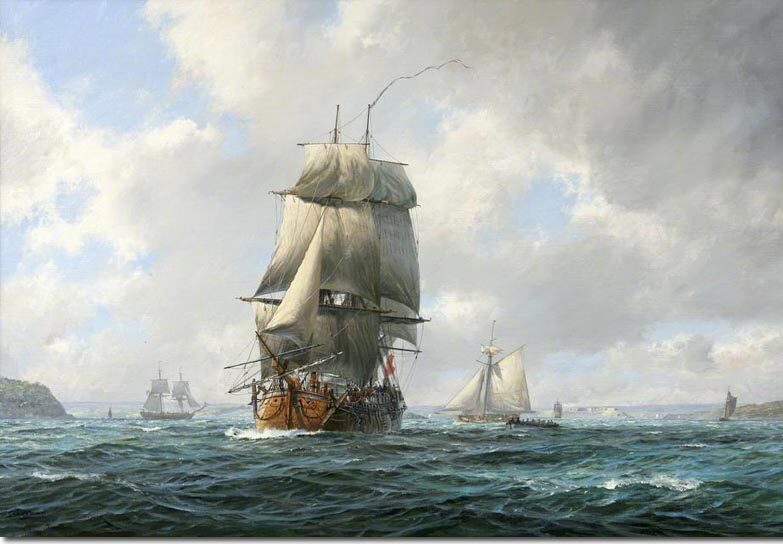
With the New Netherland Institute’s dedication to Dutch matters, you may wonder what the English Captain James Cook is doing here. In many of the other Totidem Verbis articles you can witness the courage of Dutch navigators whose place in global exploration and discovery deserves attention and fair consideration.
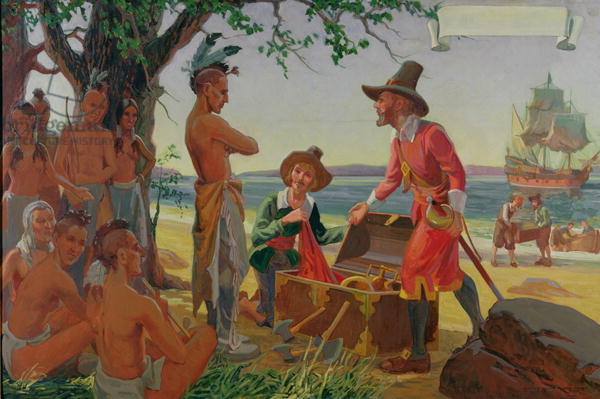
One of the immortal myths associated with the Dutch “purchase” of Manhattan is that they bought the island for $24. Let’s ignore for now the meaning of “purchase” in this context, for this is yet another myth that needs busting. Let’s forget too for now that Manhattan was not acquired by the Dutch parting with hard cash, though the constant reference to the $24 seems to imply this.
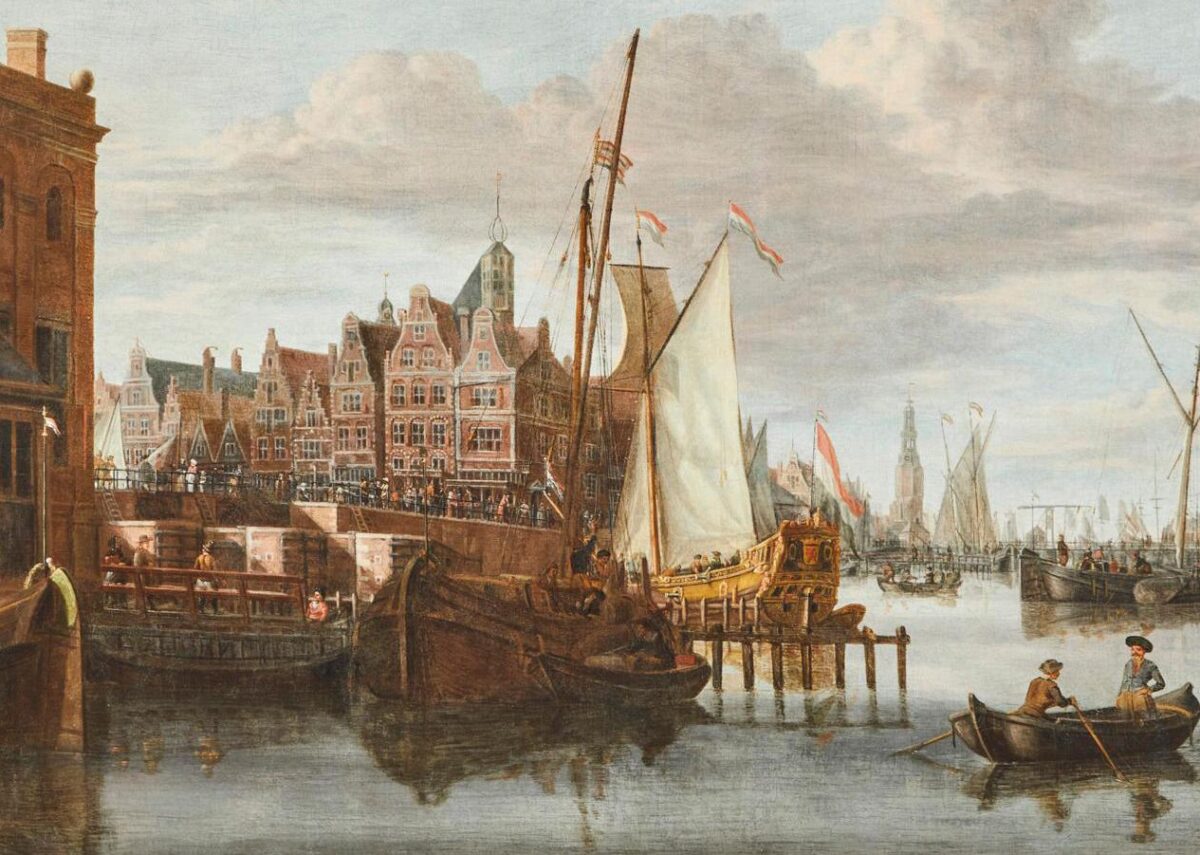
On May 2, 1839, at the urging of the New-York Historical Society and with the support of Governor William Seward (later Secretary of State for Presidents Lincoln and Johnson), the New York State Legislature passed an act “To appoint an agent to procure and transcribe documents in Europe relative to the colonial history of this state.”
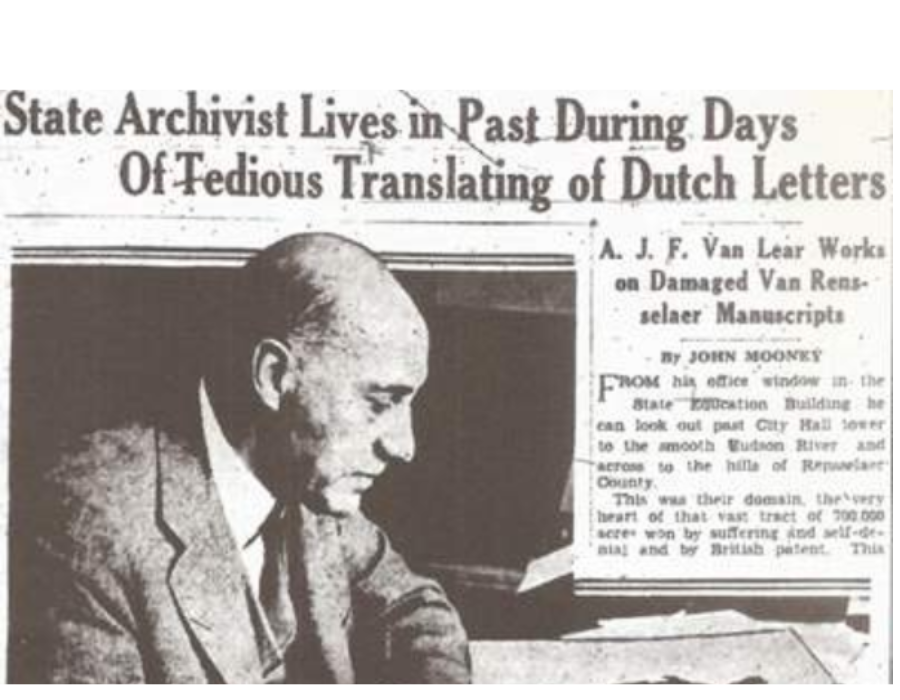
A.J.F. van Laer, though little known outside New Netherland scholarship, laid the foundation for modern study of the colony. His meticulous translations of 17th-century Dutch records remain essential, shaping the work that continues through today’s New Netherland Project.
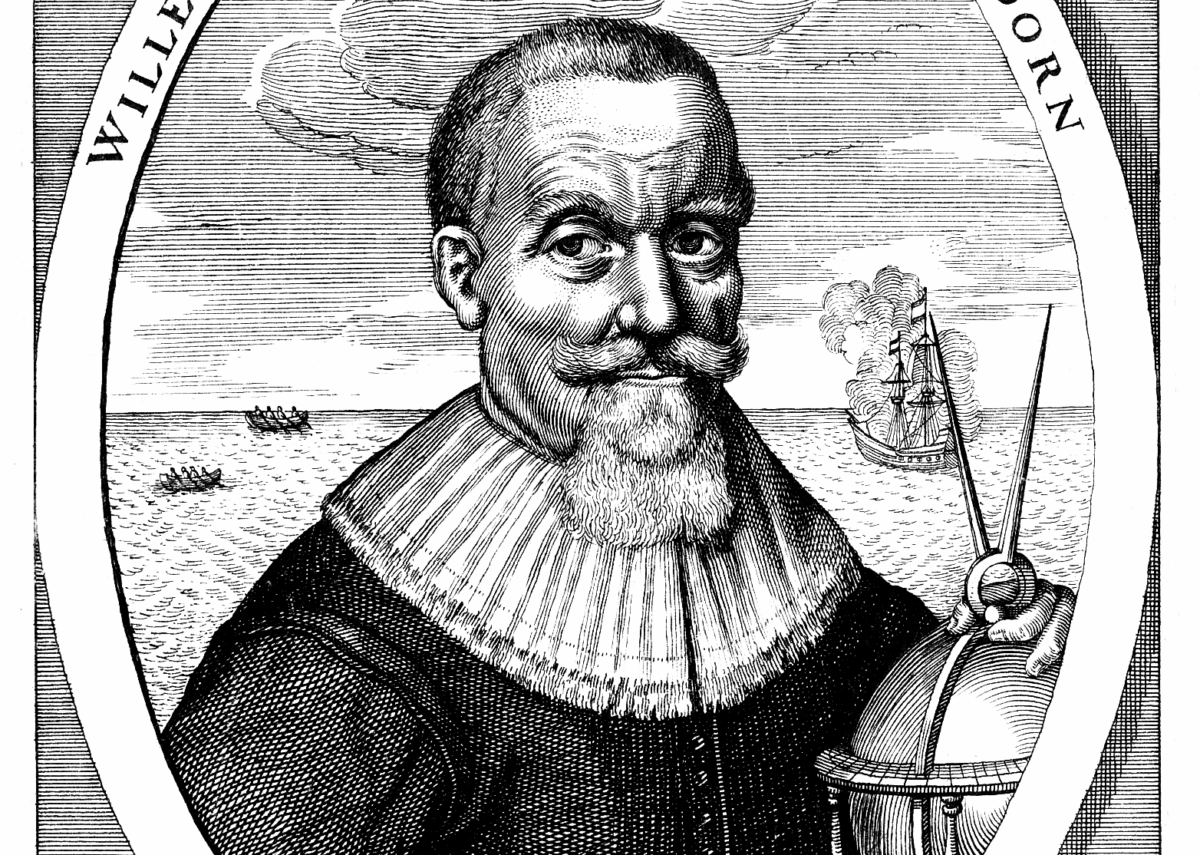
At some point in the last 350 years, the expression een reis van Bontekoe [a Bontekoe journey] entered the Dutch language. It signifies a journey or enterprise that meets with unusually bad luck or significant obstacles. However, there is no connotation of failure here—on the contrary, it implies that the difficulties were overcome. The “Bontekoe” of the phrase is a Dutch East India Company (VOC) skipper called Willem Ysbrandtzoon Bontekoe.
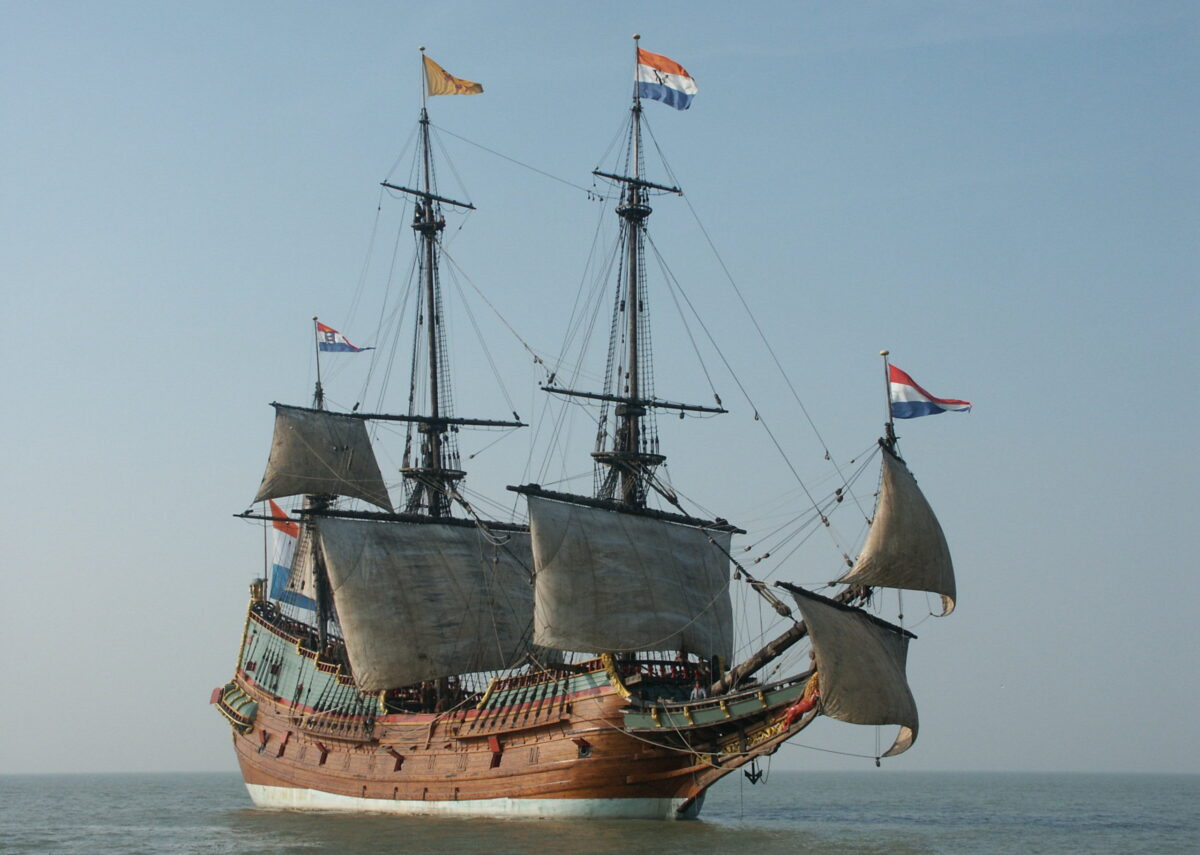
The title is an acronym for the Australian Netherlands Committee on Old Dutch Shipwrecks. It was established in 1972 to maintain the sites and artifacts from the wrecks of 17th- and 18th-century Dutch ships off the coast of Western Australia.
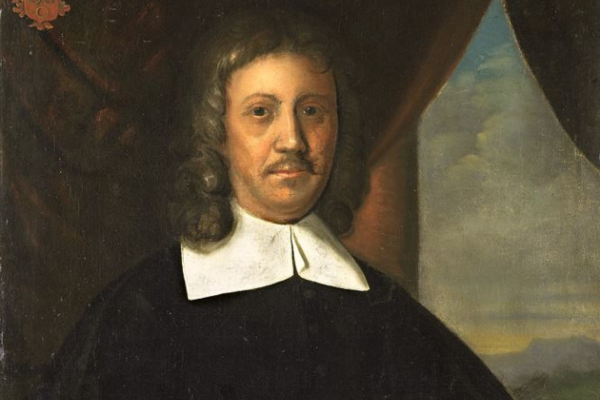
How Jan van Riebeeck’s 1652 landing at the Cape laid the foundation for Cape Town, shaping South Africa’s history, culture, and language.
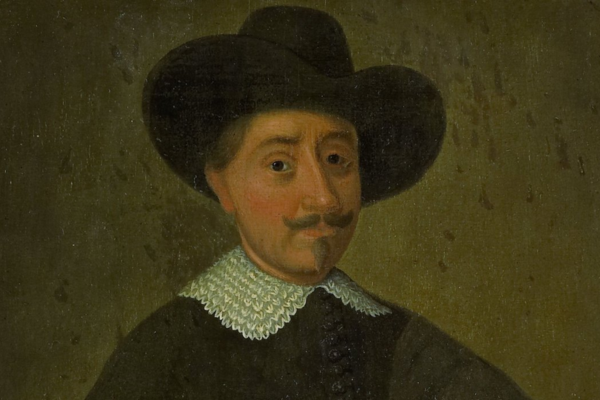
Anthony or Antonius Van Diemen (1593–1645) would doubtless have faded into unremembered history were it not for his fateful decision in 1642 to send the seafarer and explorer Abel Janszoon Tasman (1603–1659) in search of “The Great South Land.”
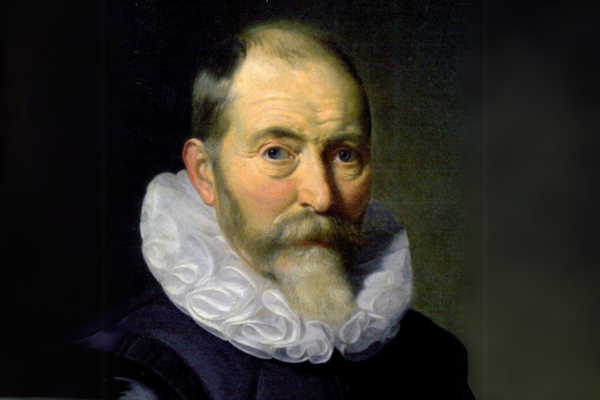
We just missed the 400th anniversary, but here’s the information. It’s worth a look as it’s yet another example of the often understated but important role of the early Dutch in the history of the world.
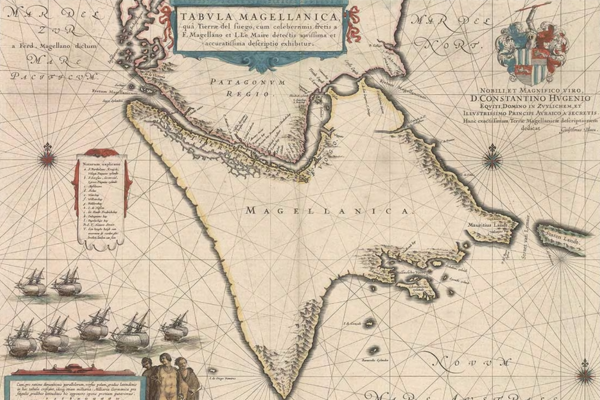
Cape Horn, the southernmost headland of the Tierra del Fuego archipelago, became notorious as a “sailors’ graveyard” because of its strong currents, gales, and frequent storms. It is named for the city of Hoorn in the distant Netherlands. How this came to be is a story that begins in the 16th century.
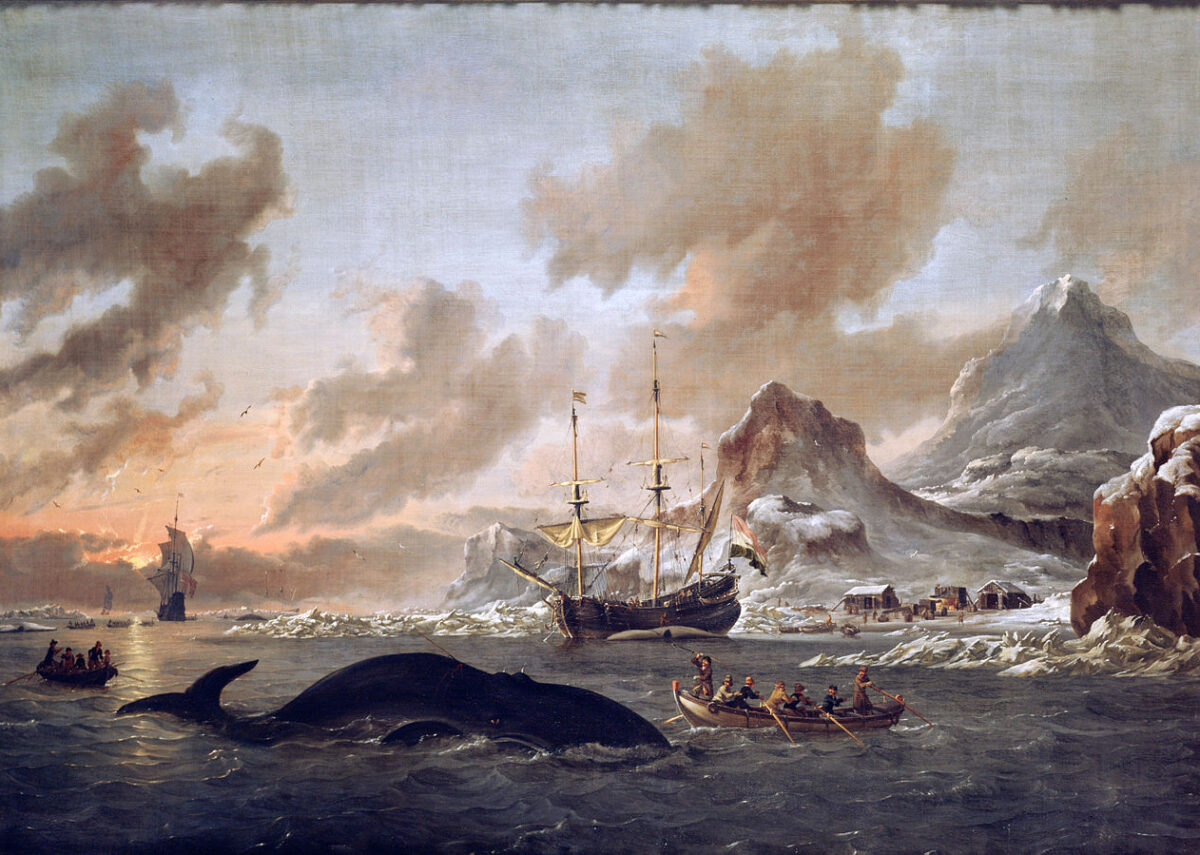
Those concerned with the study of New Netherland will be familiar with the Dutch East India Company, the Vereenigde Oostindische Compagnie (VOC), established in 1602 to trade with India and Southeast Asia, as well as the Dutch West India Company, the Geoctroyeerde Westindische Compagnie (GWC), chartered in 1621 for a trade monopoly in North America, the Caribbean, and Brazil.

Have you ever wondered about the name of the New Netherland Institute's newsletter, or its curious spelling? Dr. Charles Gehring explained it in the first issue in February 1985. The New Netherland Project, as the Dutch translation mission was called back then, had received many "imaginative suggestions" for the name of its newly minted newsletter, but none was chosen.
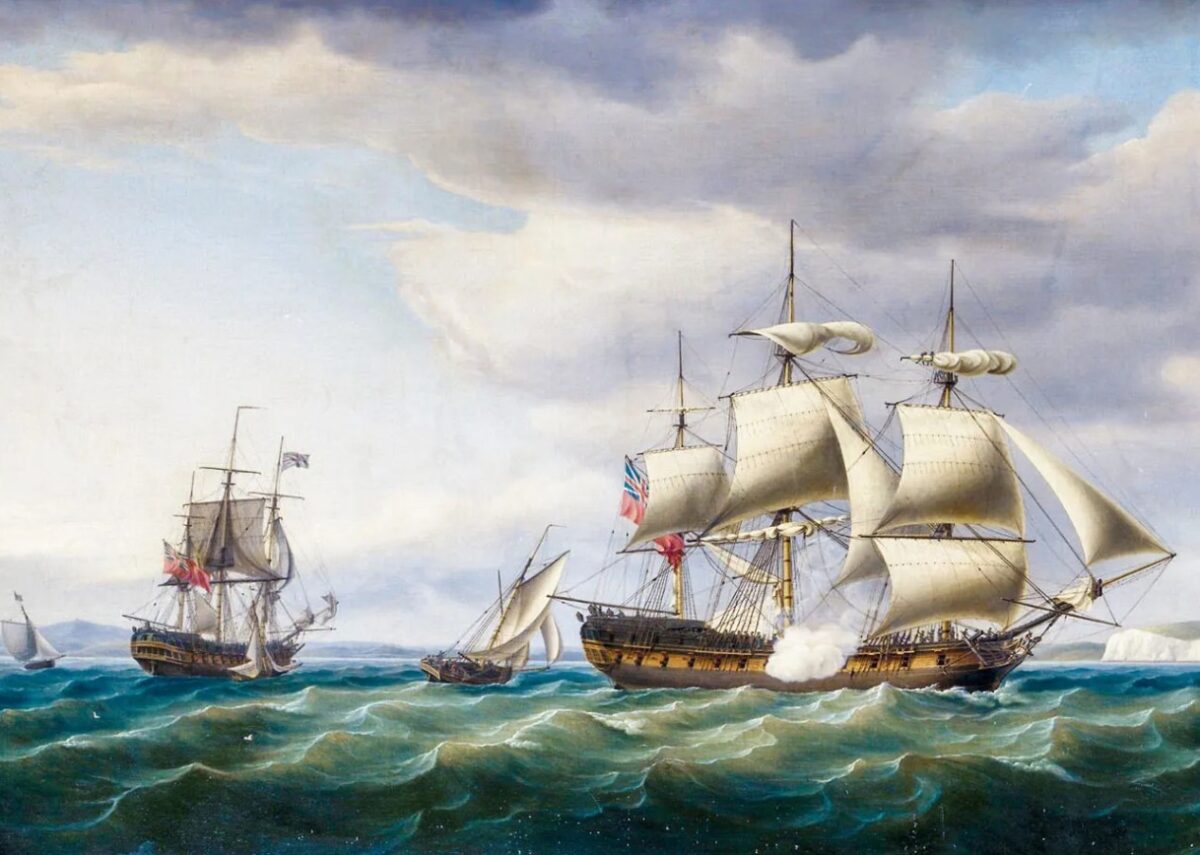
Discovery, commerce, and patriotism were the fundamental driving forces that committed the Netherlands, along with other European powers, to sending fleet after fleet of ships into the many hazards of the scarcely charted maritime world of the sixteenth and seventeenth centuries. These forces had to be undeniably powerful to convince so many men so many times to risk their fortunes and their very lives to sail the world for years on end, in extreme danger and discomfort, to bring back home the strange seeds, fruits, roots, and bark of exotic plants that grow only in hot climates. In a word: spices.
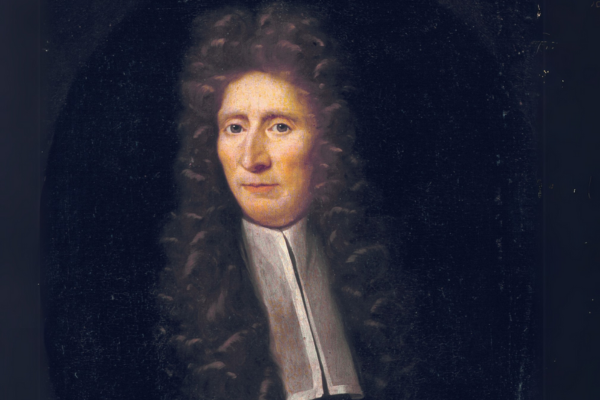
Frederik Ruysch (1638–1731) was a Dutch anatomist and a pioneer in the techniques of preserving organs and tissue. He was born in Den Haag and studied medicine at the University of Leiden, obtaining his medical doctorate in 1664.
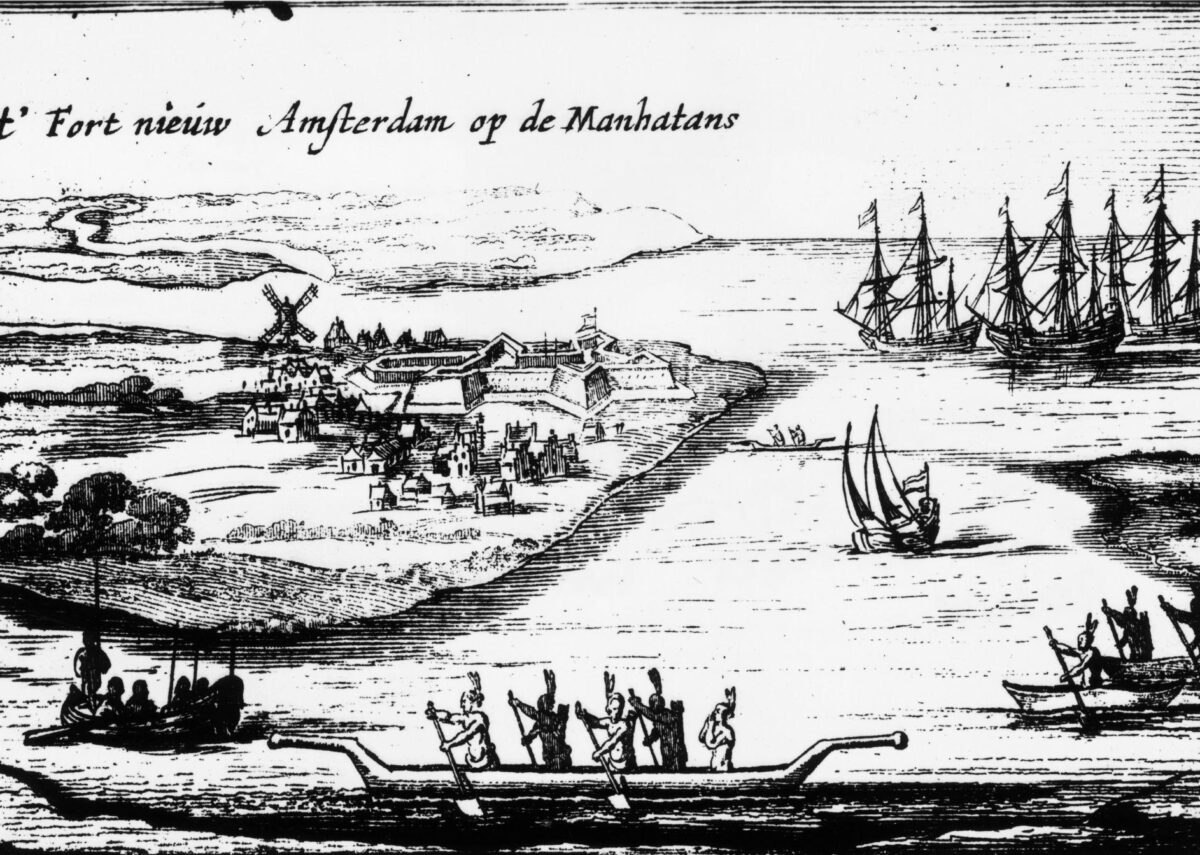
One the many myths that blur the story of the Dutch “purchase” of Manhattan—one that is firmly cemented in the popular psyche—says that the price was mere “beads and baubles.”
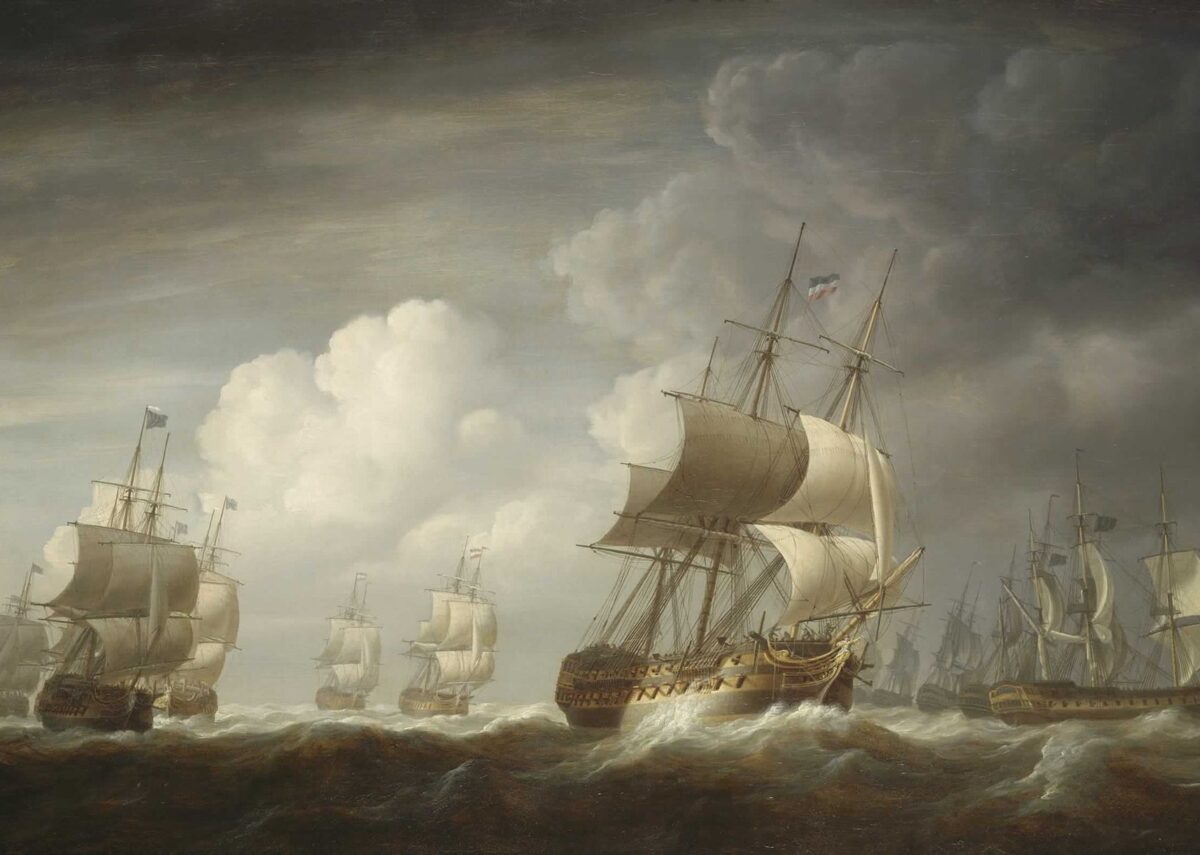
“They that go down to the sea in ships, that do business in great waters;
These see the works of the Lord, and his wonders in the deep.
For he commandeth, and raised the stormy wind, which lifteth up the waves thereof.
They mount up to the heaven, they go down again to the depths:
their soul is melted because of trouble.”
Psalm 107, 23-26
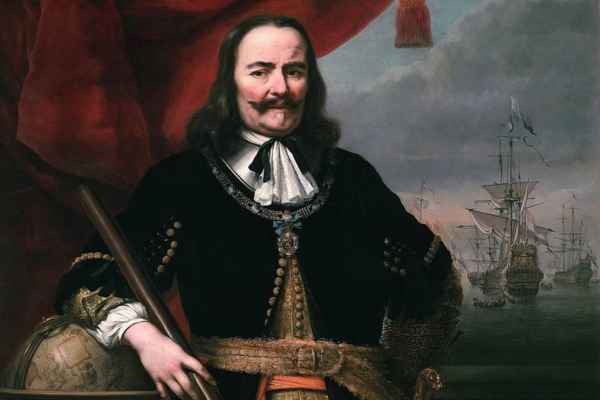
He has been described as not only a military genius but also as a charismatic leader, and an honest, modest, and devout man. He is certainly the man upon whom the fledgling Republic of the United Provinces relied at a crucial time in its history, defending its newly gained independence and assuring its future.
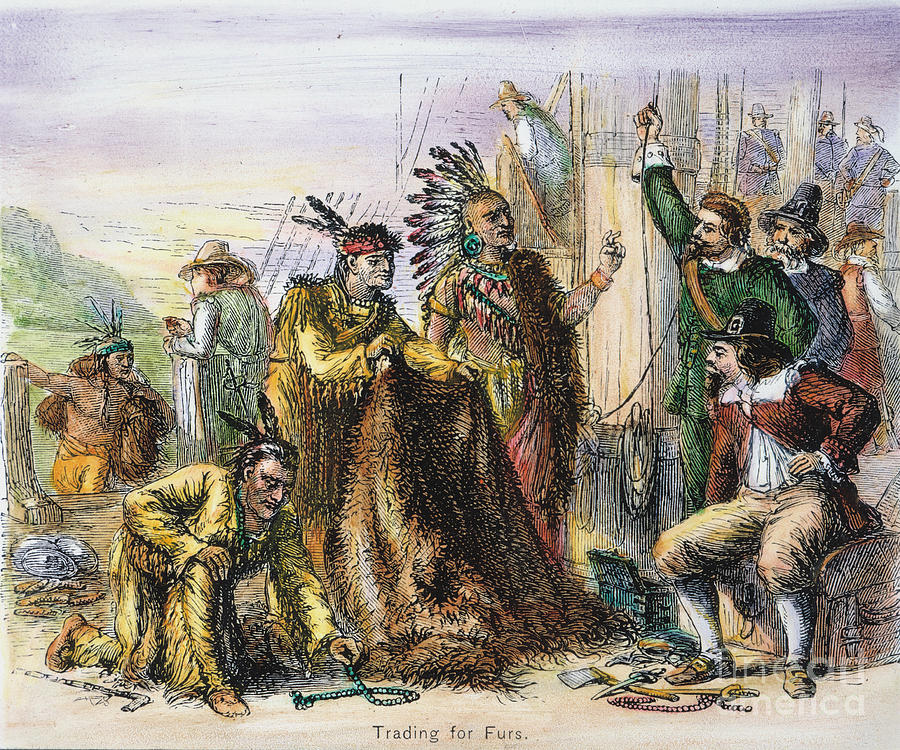
It’s a serious loss to historians that no Dutch or American archive contains any kind of
contract, receipt, or deed of transfer to serve as proof of the so-called “purchase” of Manhattan.
Apart from anything else, such a document would have put a stop to much of the endless
theorizing and half-baked legend-making associated with this event.
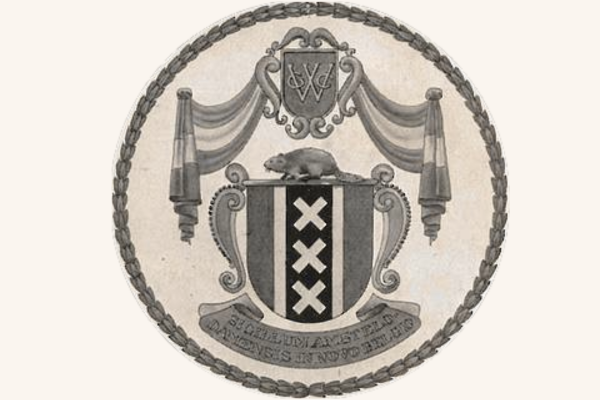
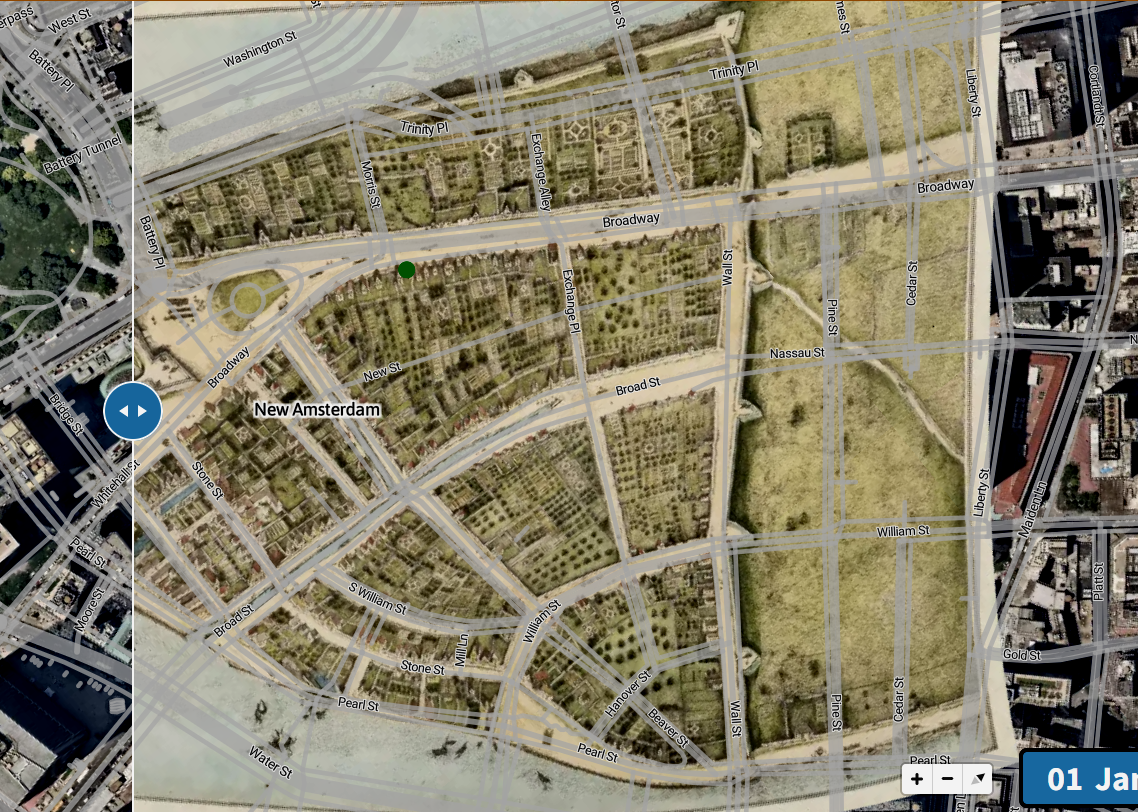
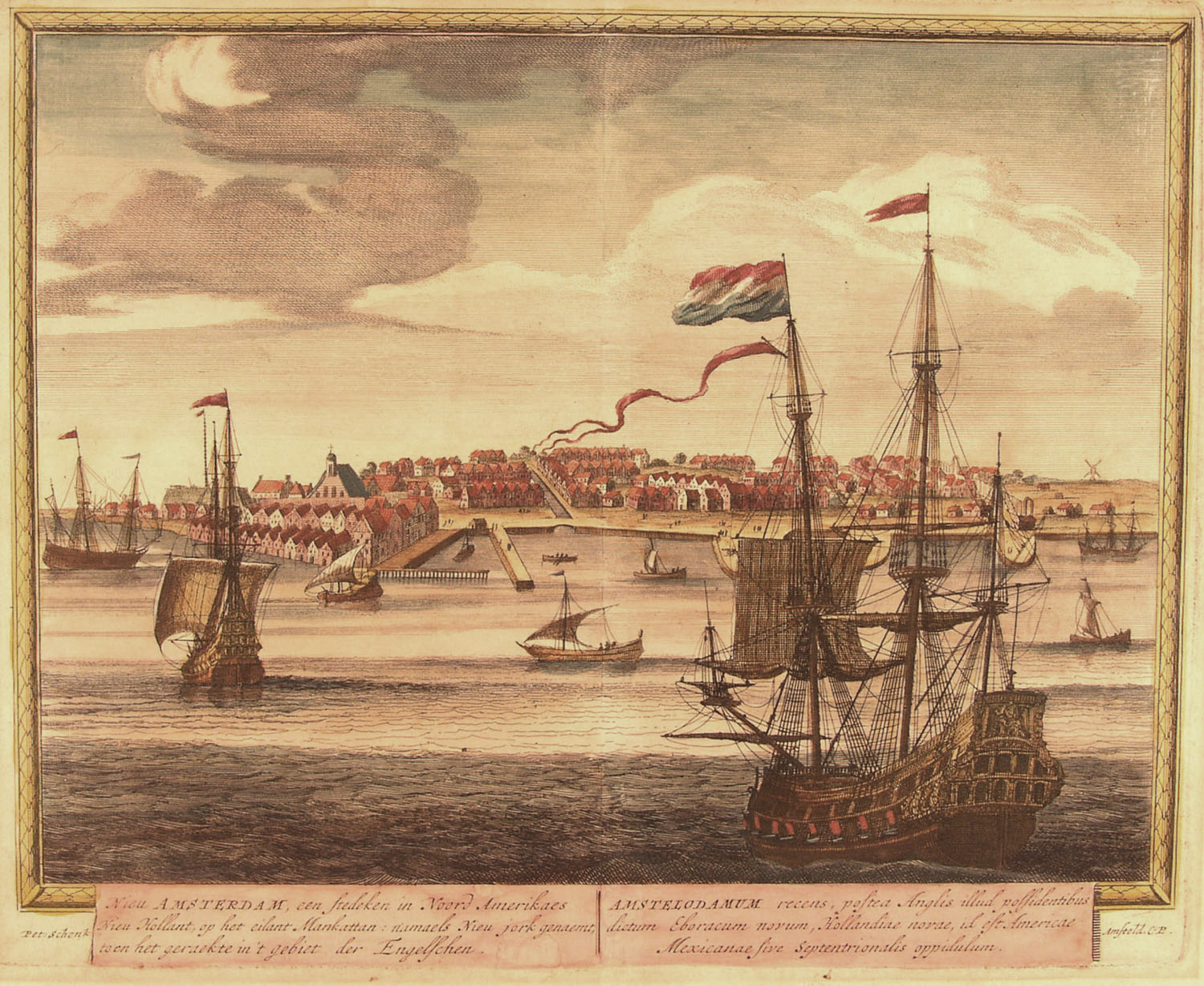
For readers of the Marcurius there’s probably only one association evoked by the name “New Amsterdam,” and that’s “Nieuw Amsterdam,” the Dutch settlement that became New York City. Although the name has not been in official use for more than three centuries, since the English took over the Dutch city, for some reason it seems to have created a strong emotional response, for there were and are quite a lot of other New Amsterdams in various guises all over the world. Here are a few.

The opening of the new Tappan Zee Bridge (officially renamed the Governor Mario M. Cuomo Bridge) in September 2018 can be seen as yet another reminder of the Dutch history of the Hudson Valley. The “Zee” component of the name is clearly Dutch, meaning “sea,” as in the Zuider Zee, or southern sea, in the Netherlands. But what does Tappan mean, and why is part of a river called a sea?
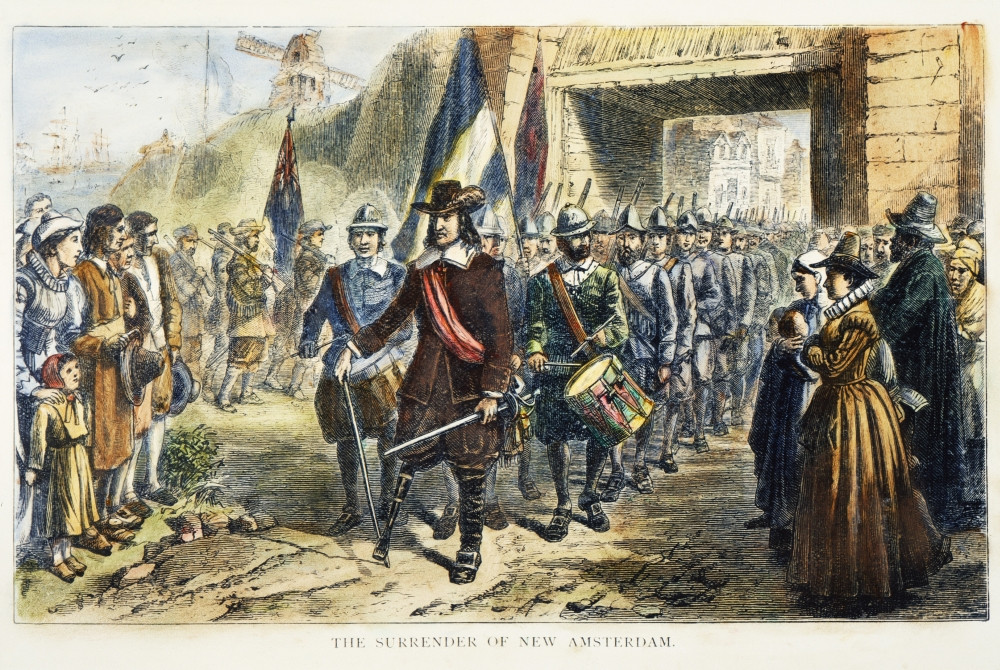
Perhaps for many people the most well known inhabitant of New Netherland is Director-General Peter Stuyvesant, and his most notable physical feature was, in his later years at least, a wooden leg. Let’s see how he became Peg Leg Pete.
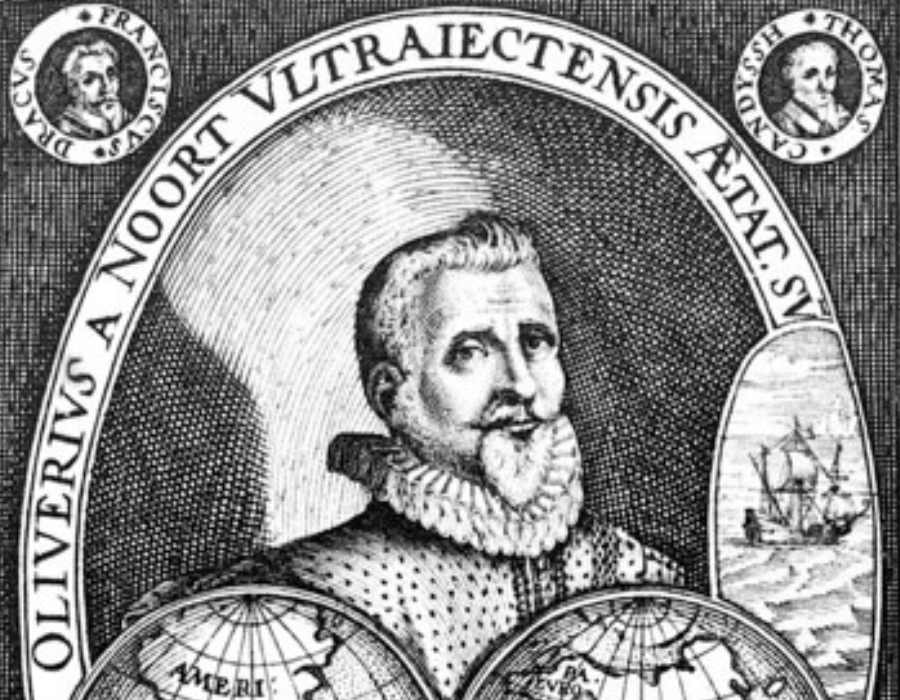
Most of us have heard of Ferdinand Magellan and Francis Drake—early explorers who sailed around the world. One was Portuguese, the other English. But what about Olivier van Noort? Between 1598 and 1601, van Noort became the first Dutchman to complete a circumnavigation of the globe.
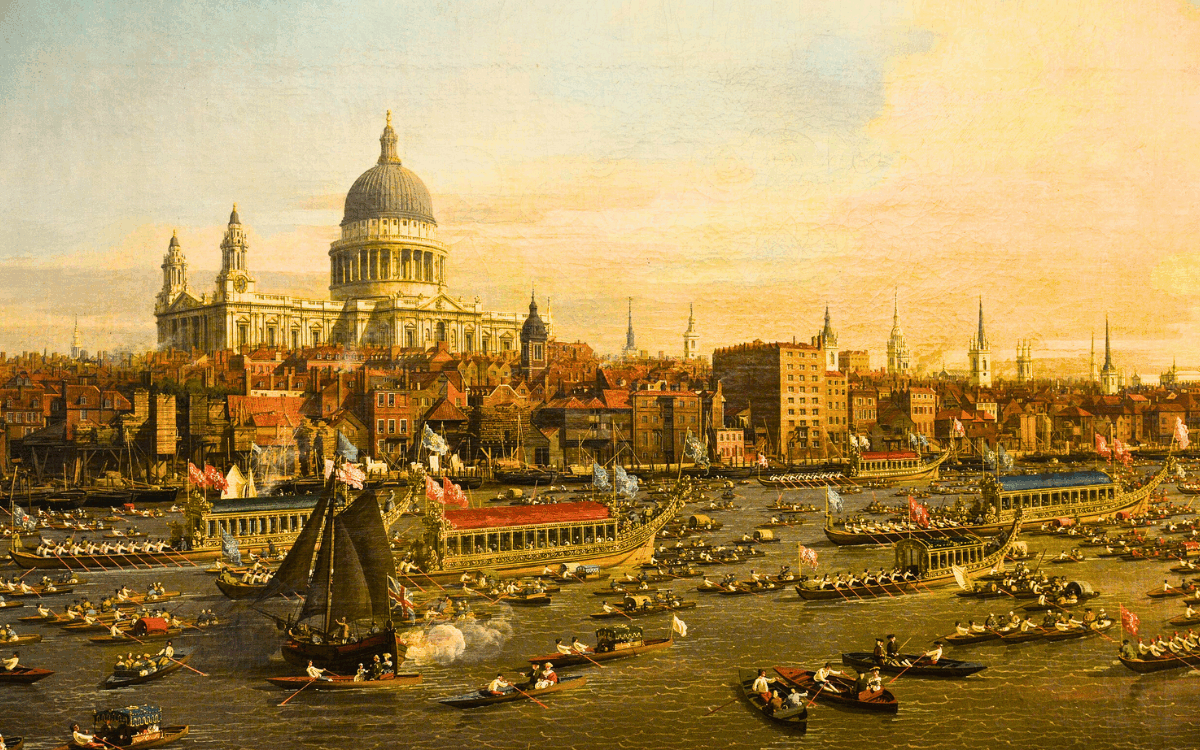
After 345 years, in March 2012, a magnificent relic of the Anglo-Dutch wars returned to England—at least temporarily. As part of the celebrations for the Diamond Jubilee of Queen Elizabeth II, the Rijksmuseum loaned to the National Maritime Museum in Greenwich the ornate stern carving from the warship Royal Charles, captured by the Dutch in 1667.

On March 29, 1911, the New York State Library, then in the Capitol, burned, and with it went some half a million books and 300,000 manuscripts, among them priceless colonial documents. In charge of the state archives at the time was a Dutch immigrant called A.J.F. van Laer (1869–1955), for whom that day’s destruction was a particularly hard blow.
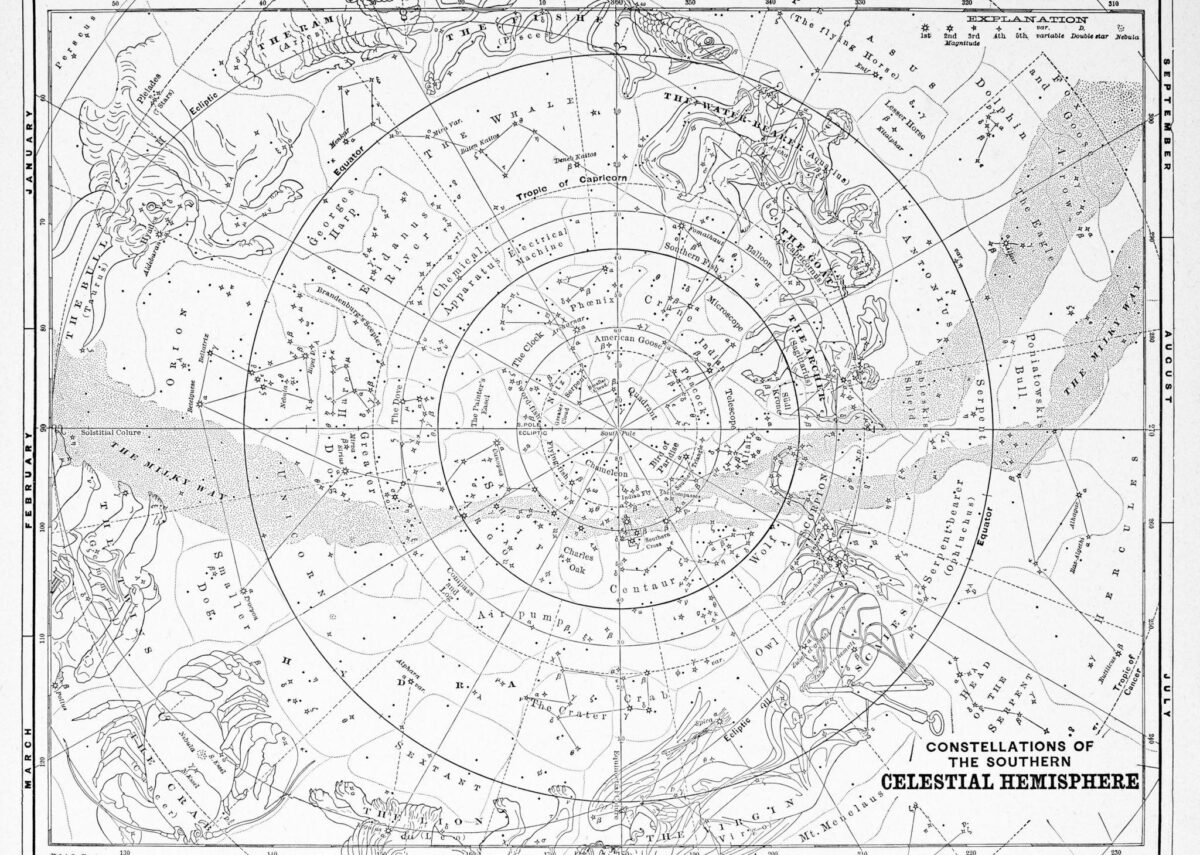
On a warm, cloudless night in February I walked into the rustling garden of my friends’ house and looked up at the sky. What I saw up there wasn’t a complete surprise, and yet it was still striking, and very strange to me. Despite the lights of the city I could see plenty of stars, and yet I was unable to link them together into any discernable pattern, as I was so used to doing at
home. The simple reason for both my awe and my confusion was that I was in Auckland, New Zealand. This was the southern sky, presenting me with an unfamiliar clutter of stars.
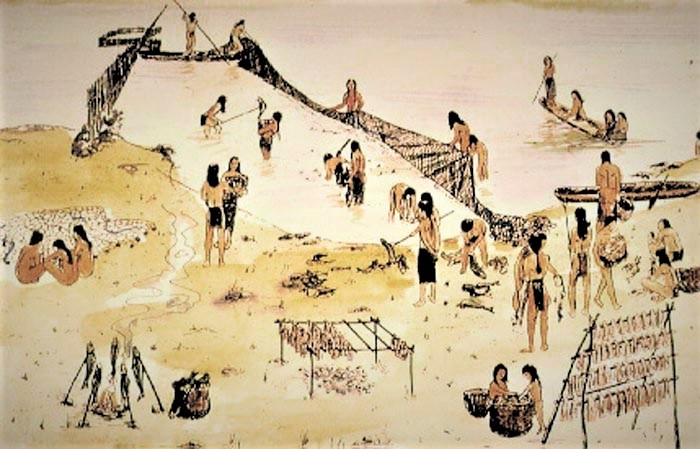
Whatever you believe to be true about the Dutch acquisition of Manhattan—notably the tale of the baubles and beads and the $24—there is another broader myth that underlies all of this.
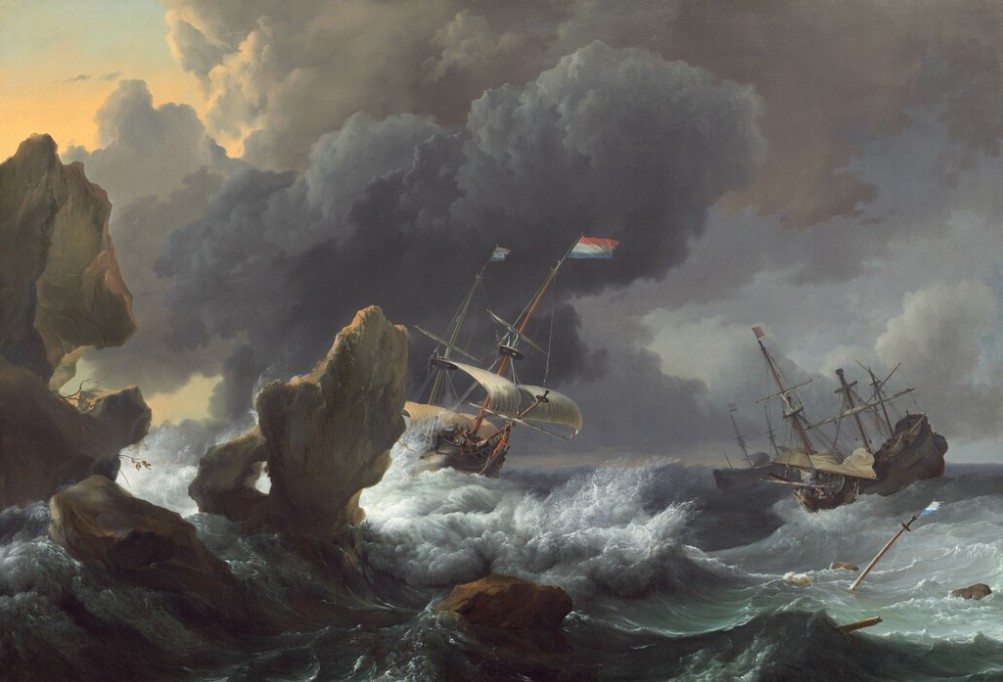
During the first decade of trade with the East Indies, a Dutch retourschip leaving Texel bound for the East Indies followed the old route that Arab and Portuguese sailors took—south
down the west coast of Africa, around the Cape of Good Hope, northeast through the Mozambique Channel and across the Indian Ocean, sometimes via India or Ceylon.
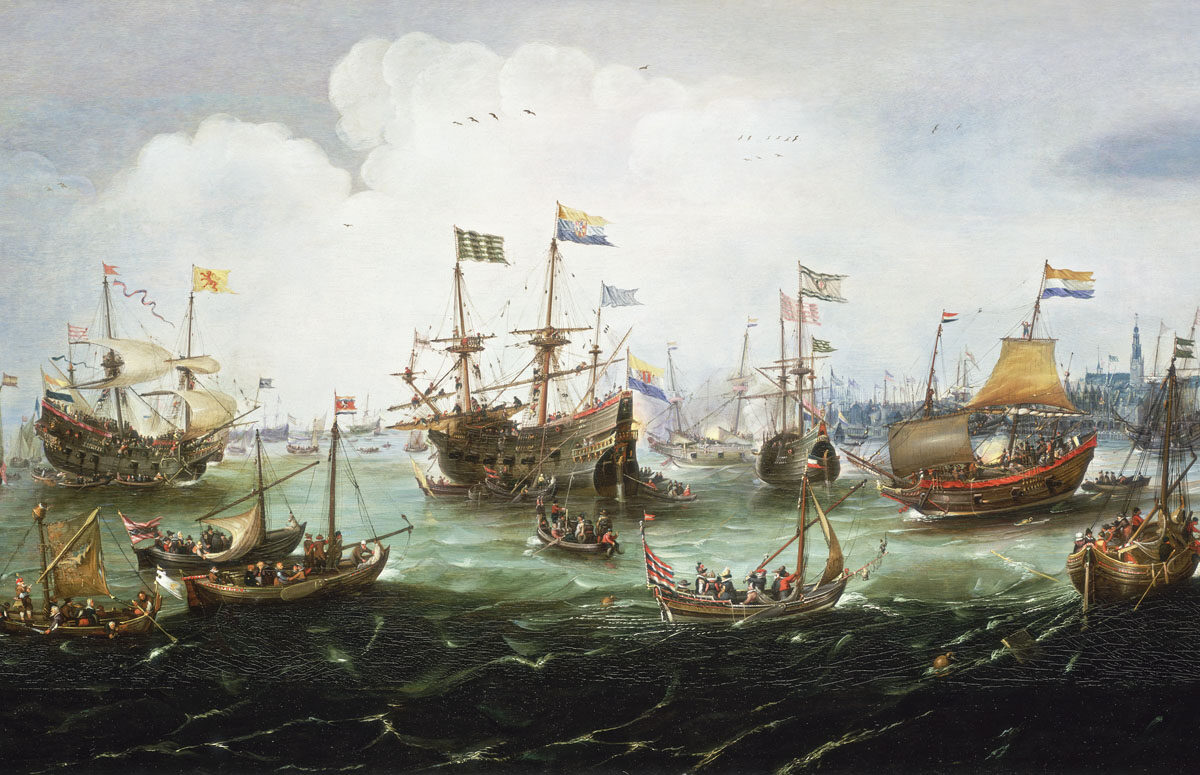
In the 1590s, the Dutch began to turn their attention to the East Indies, the lands and islands of Southeast Asia, and in time this interest grew into a vast moneymaking concern.
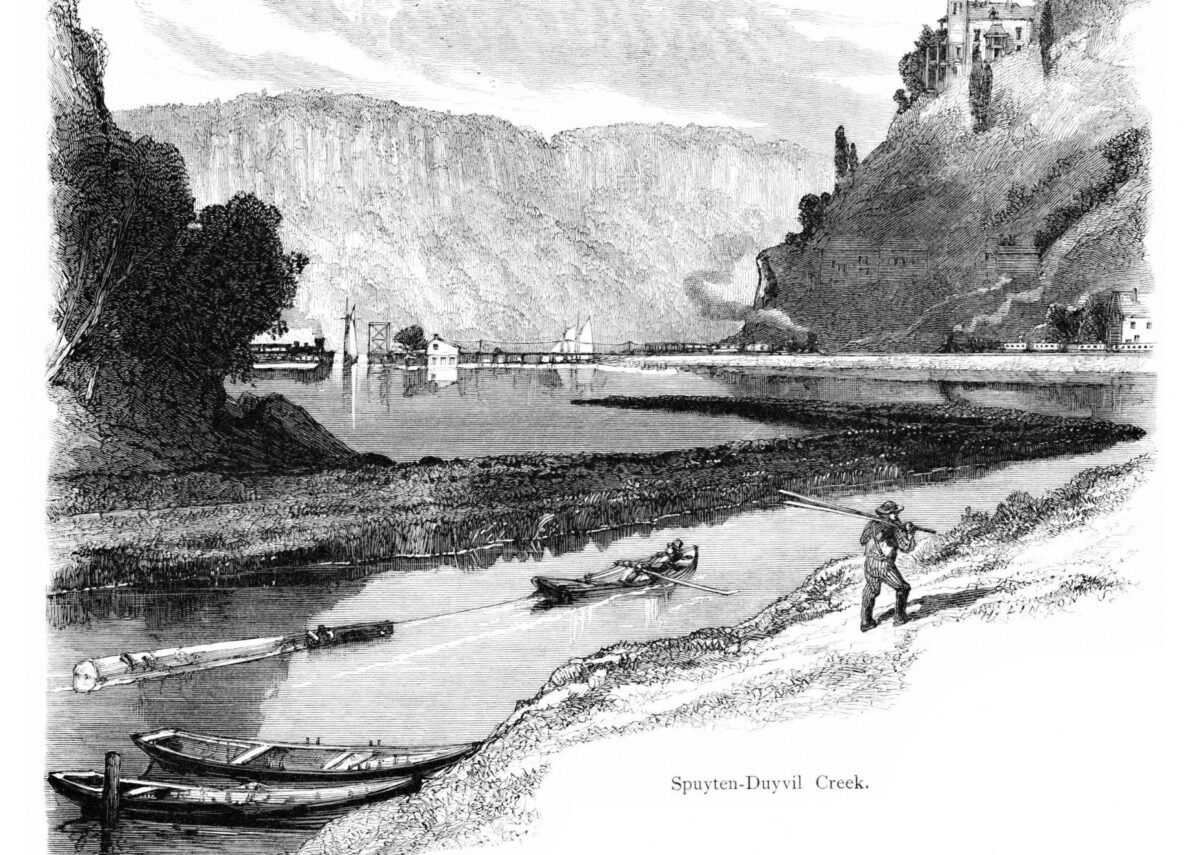
Perhaps the most peculiar name of a neighborhood in the Bronx—thee northernmost of the five boroughs of New York City— is Spuyten Duyvil.
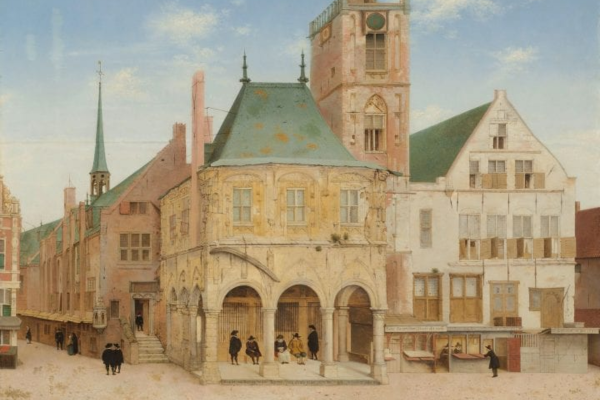
January 31, 2009, was the 400th anniversary of the founding of the Amsterdamsche Wisselbank (Exchange Bank of Amsterdam), and with it the idea of a national bank, modeled on such a bank in Venice, reached northern Europe.
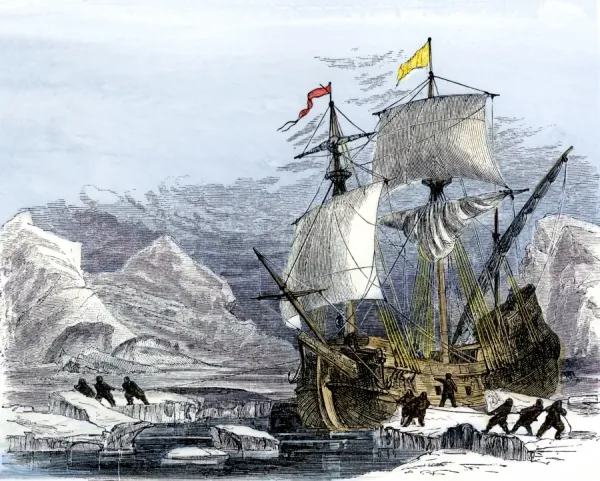
The famous Dutch navigator, cartographer, and explorer Willem Barentsz led three expeditions into the Arctic in the last years of the sixteenth century in search of a northeastern trade route to Asia. Accompanying Barentsz on the first two voyages was a Dutch navigator whose name has not survived to the present day with such prominence as his fellow explorer. Unlike Barentsz, no sea was named for Cornelis Corneliszoon Nay, who is known to history through his association with two of the Barentsz expeditions.
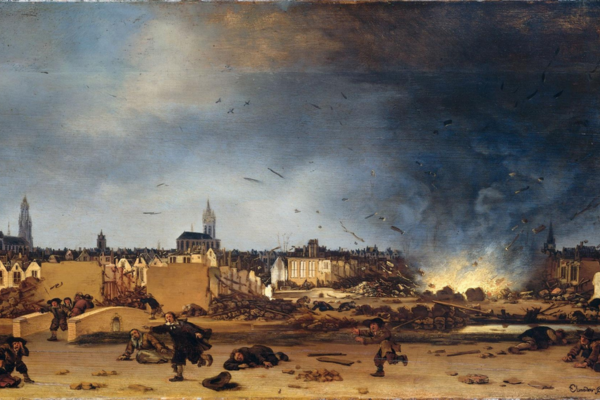
Since the start of the Eighty Years’ War, the Dutch army kept central stores of gunpowder within the city walls of Delft. In the late morning of October 12, 1654, the city was rocked by a massive explosion in the Doelenkwartier, between Geerweg and Doelstraat in the northeast section of the city.
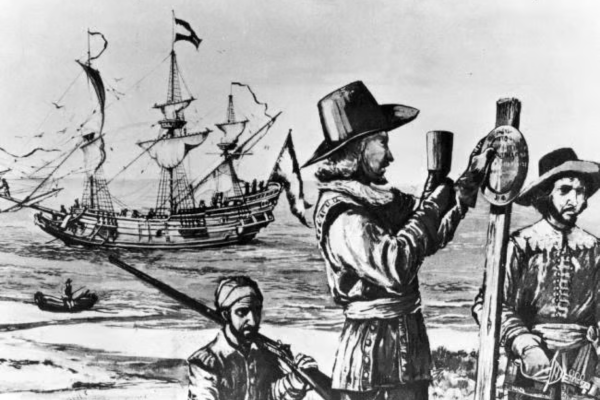
The name Dirk Hartog sounds as if it belongs to the swashbuckling hero of a Rafael Sabatini adventure novel or a similar Hollywood epic, and perhaps that’s fitting, for this Dutch sailor and explorer certainly led such a life.
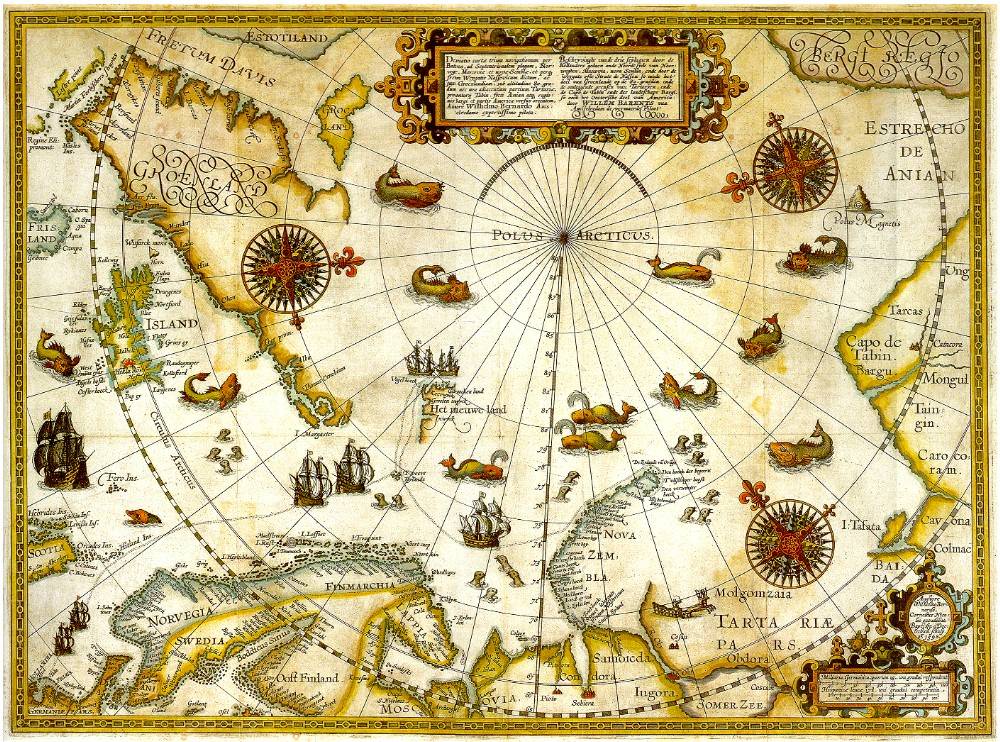
Starting in the 15th century the colonial and maritime nations of Europe were consumed by the need to find a faster navigable route to the trading nations of Asia. Voyages to the Far East
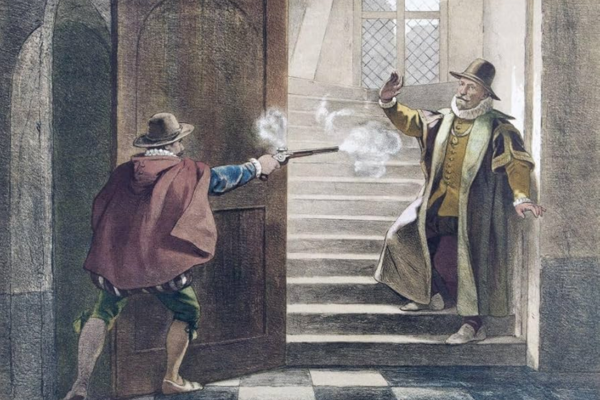
“The Awful End of Prince William the Silent: the First Assassination of a Head of State with a Handgun,” by Lisa Jardine (Harper Collins, 2006, 176pp, $21.95, pbk $12.95).
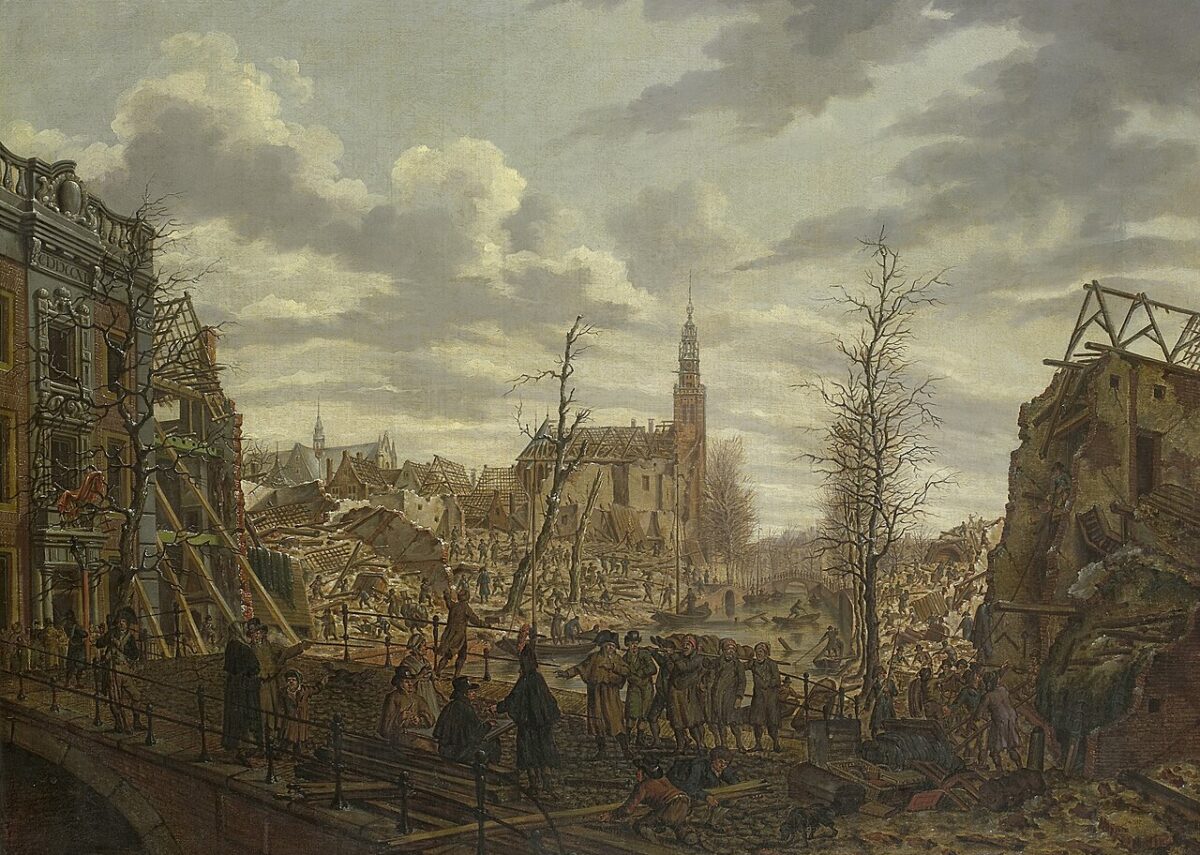
Set in the brick wall of the Steenschuur canal in Leiden is a plaque commemorating the catastrophic buskruitramp, or gunpowder disaster, of 1807. It says: Ligplaats van het Kruitschip Gesprongen 12 Januari 1807, or the mooring place of the gunpowder ship exploded 12 January 1807.

When, in the early hours of March 29, 1911, fire gutted much of the New York State Capitol and State Library, few people, if any, could have been more devastated than State Archivist Arnold J.F. van Laer. Hundreds of thousands of books and documents were either burned up or severely damaged, including the 17th century Dutch colonial records that Van Laer had begun to translate.
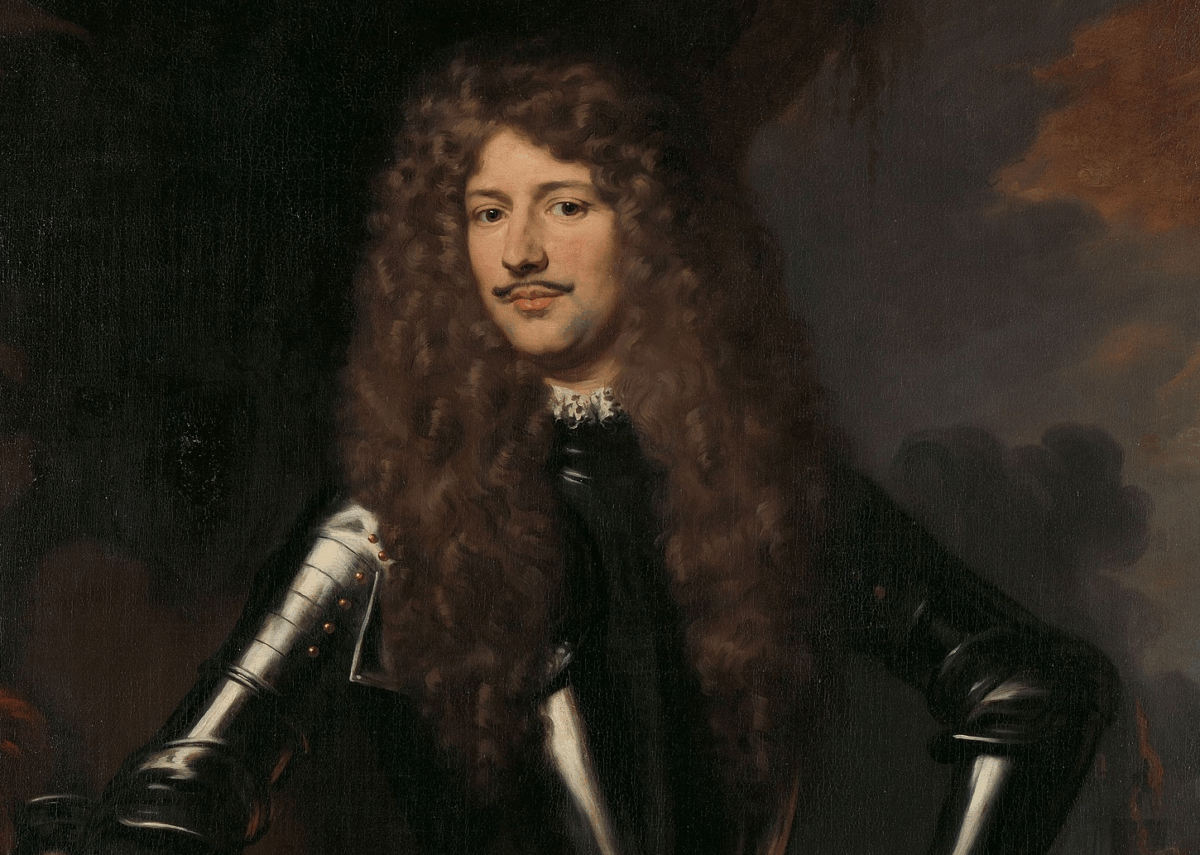
Anyone searching for information about Cornelis Evertsen must be careful; there are three seventeenth century Dutch admirals with this name, and they are all related. Our interest lies in Cornelis Evertsen the Youngest (1642–1706).
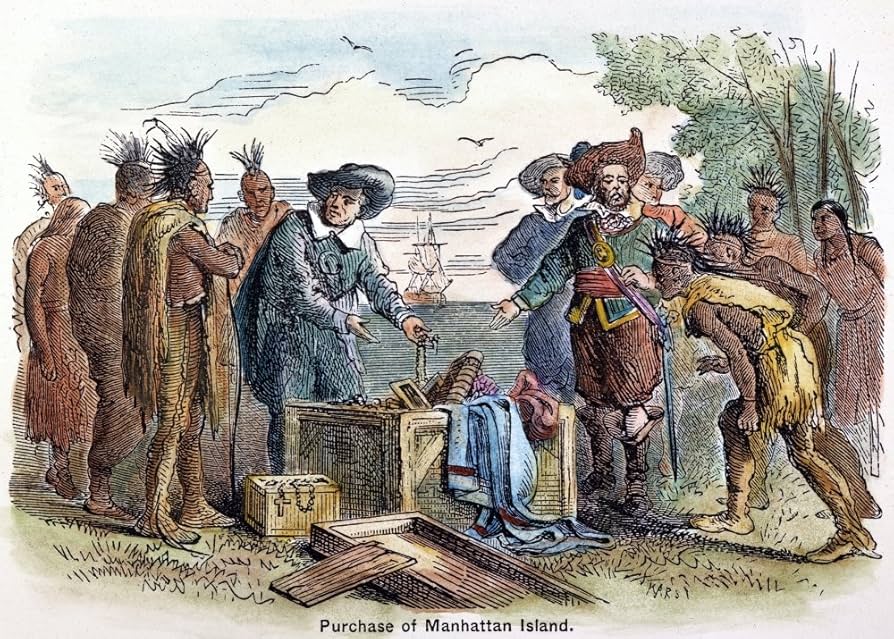
The Dutch “purchase” of Manhattan from the Indians has been called “the deal of the millennium,” though some say it was the 1803 Louisiana Purchase, or that of Alaska in 1867, that was the most lucrative real estate deal in American history.
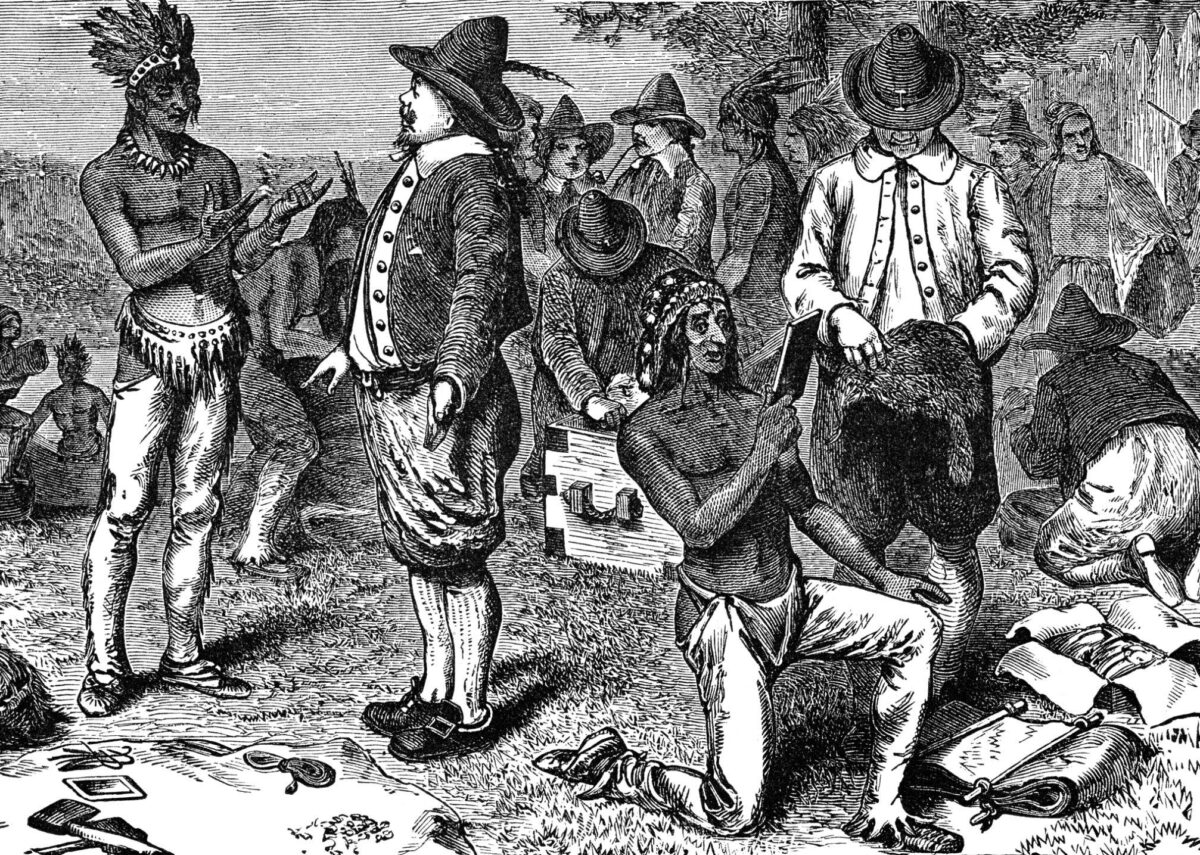
One the many myths that blur the story of the Dutch “purchase” of Manhattan—one that is firmly cemented in the popular psyche—says that the price was mere “beads and baubles.”
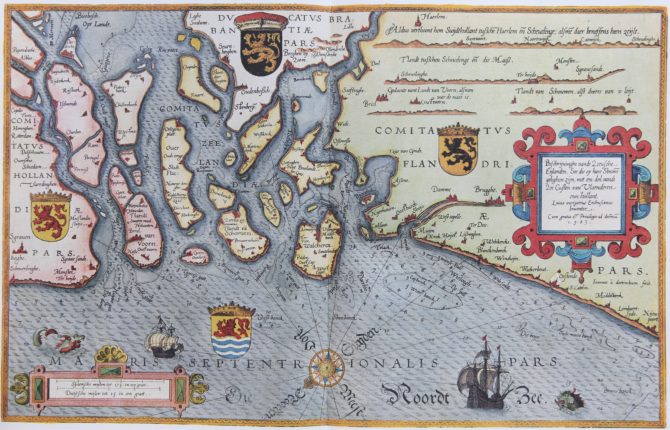
Most dictionaries will give you only one definition of the word “waggoner,” that is, the driver of a wagon. They will also let you know that the preferred spelling is now “wagoner,” the other spelling being chiefly British.
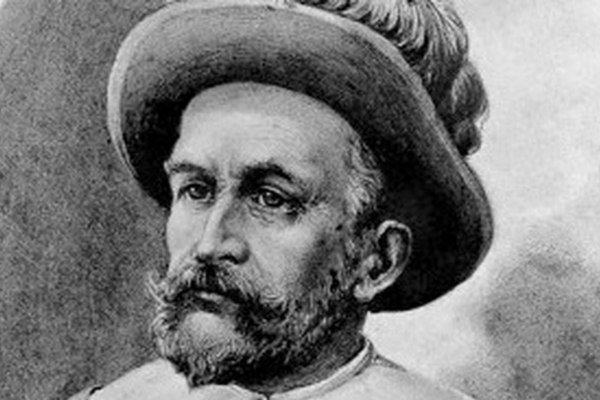
Numerous myths and misapprehensions have developed around the so-called Dutch "purchase" of Manhattan.
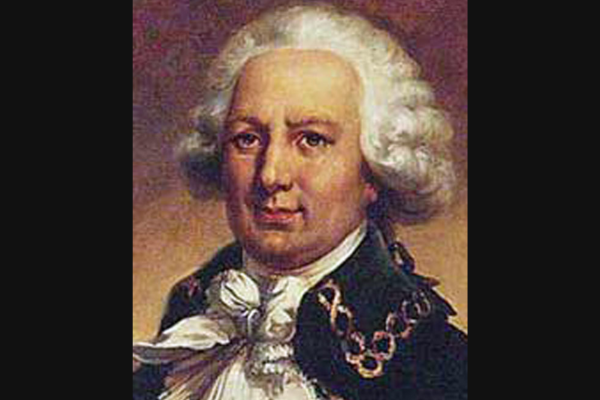
From the 15th to the 18th century, one of the great legends among the seafaring and trading nations was the existence of a vast southern continent, Terra Australis. This hypothetical continent was imagined to encompass Antarctica and extend far into the South Sea (Pacific Ocean).
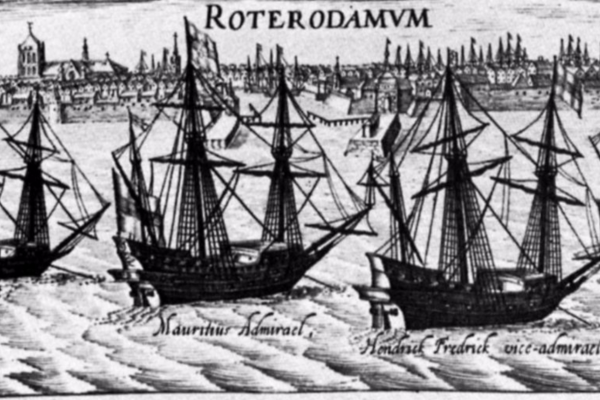
In the March 2009 edition of the Marcurius (vol.25 no.1) we told you of the adventures of Olivier van Noort, the first Dutch explorer to circumnavigate the world.
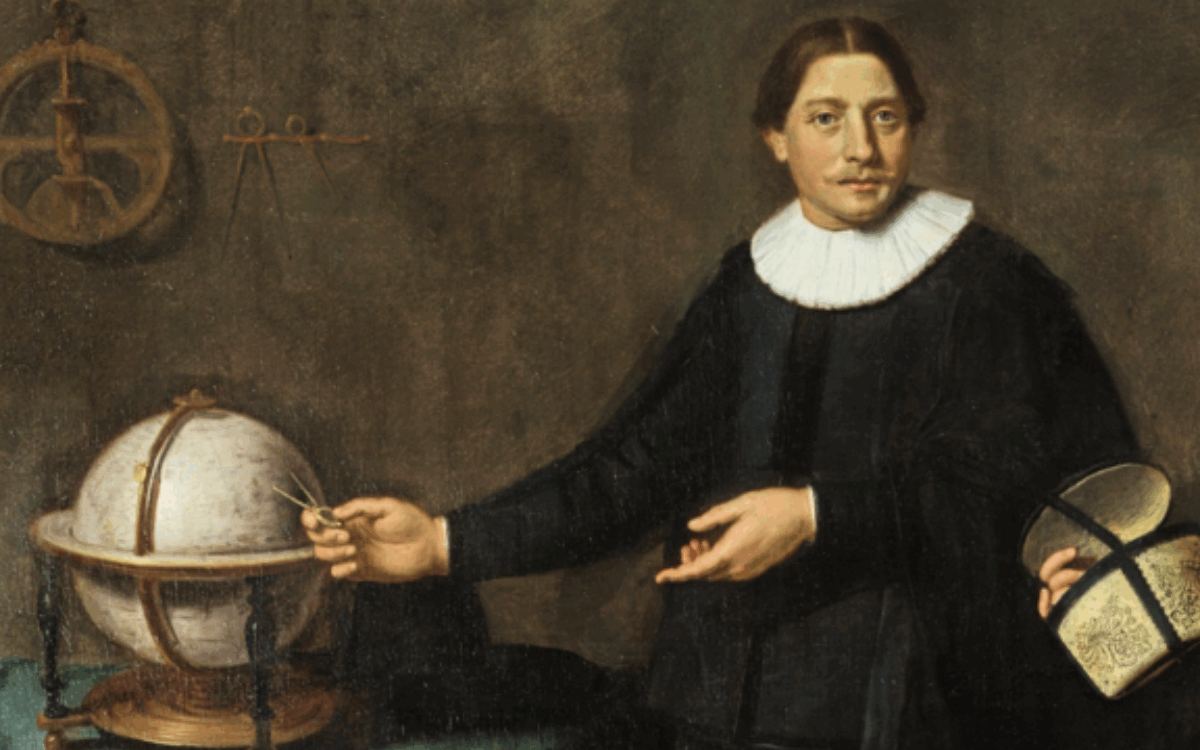
The year 1642 saw the death of Galileo and the birth of Sir Isaac Newton. In England, King Charles I raised his standard at Nottingham to begin that country’s Civil War,
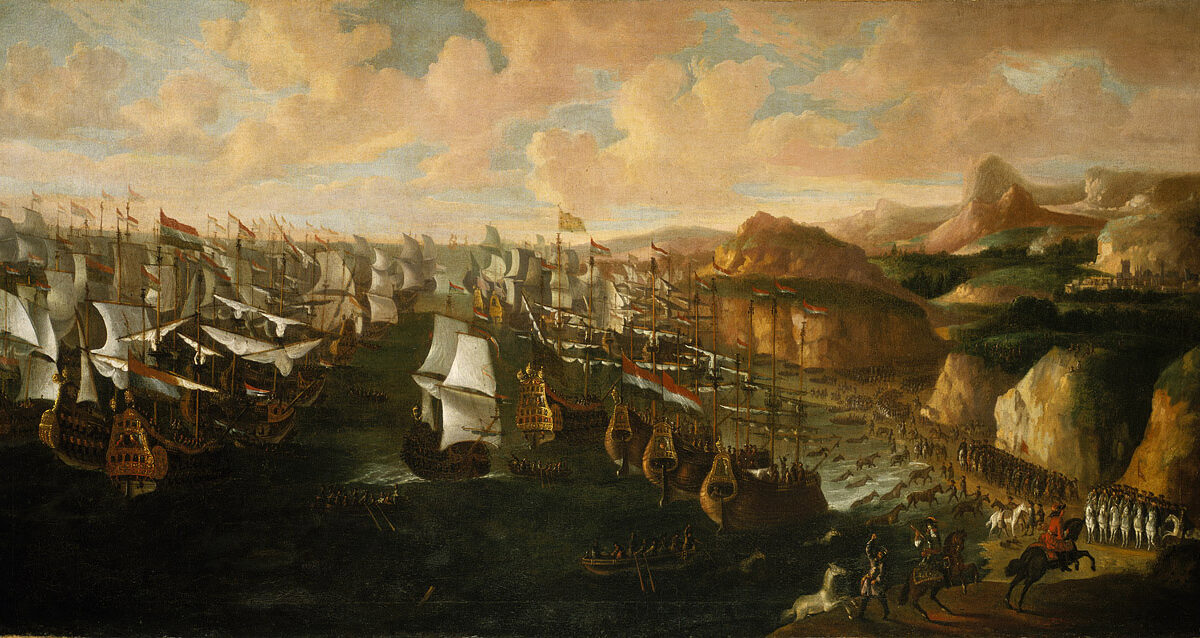
Over the centuries the seas surrounding Great Britain have helped to halt or deter many invading forces. The most significant of these were the Spanish Armada in 1588, Napoleon Bonaparte in 1803–05, and Nazi Germany’s Operation “Seelöwe” in 1940.