

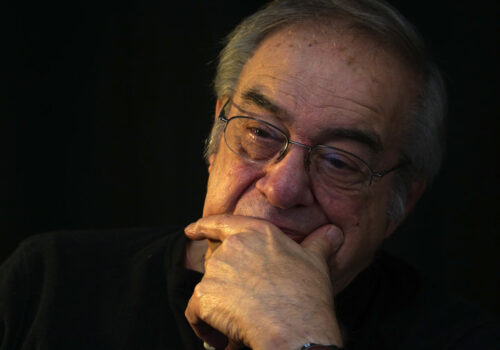
On April 2, 2025 Charly Gehring officially retired after 50 years of translation work. Read Paul Grondahl’s tribute to Charly in the April 9th Albany Times Union here.
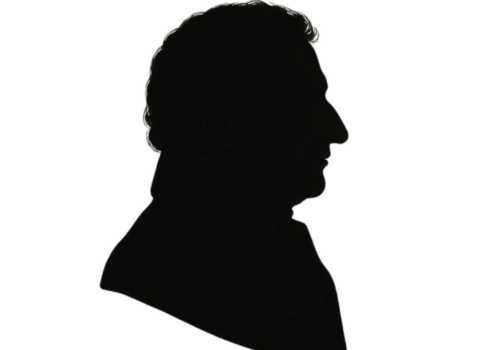
William W. Van Wyck (1777–1840) was a New York farmer and politician who served two terms in the U.S. House of Representatives from 1821 to 1825 and chaired the House Committee on Post Office Expenditures.
A range of free genealogical resources is available through national and local archives. These sites offer access to historical records, surname databases, and digital collections, including photos, war documents, and church records. Some are in Dutch only, while others offer English options. Whether you're tracing one ancestor or building a full family tree, these resources are a valuable starting point for exploring your Dutch roots.
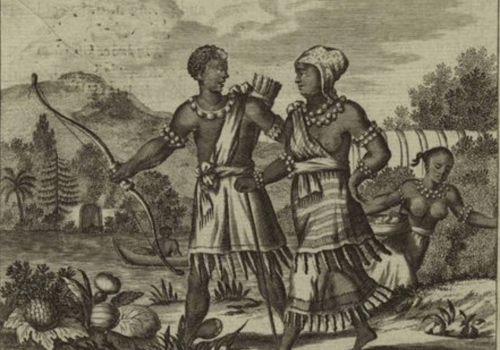
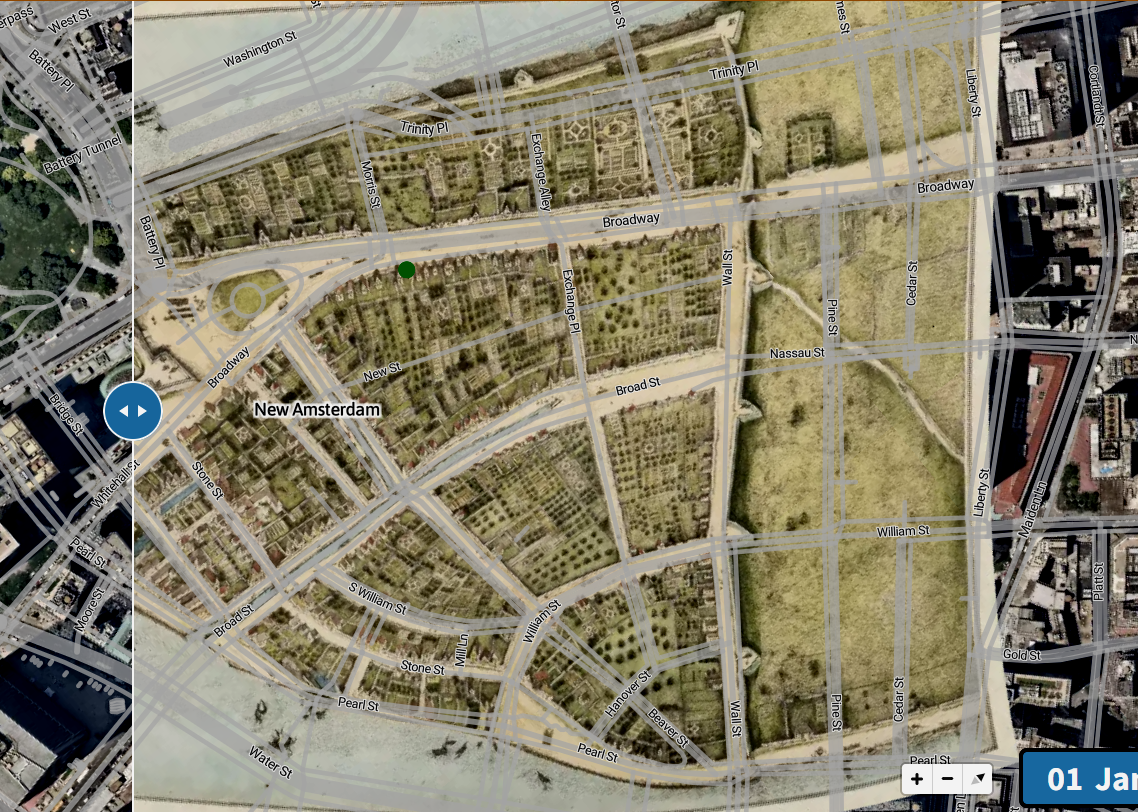
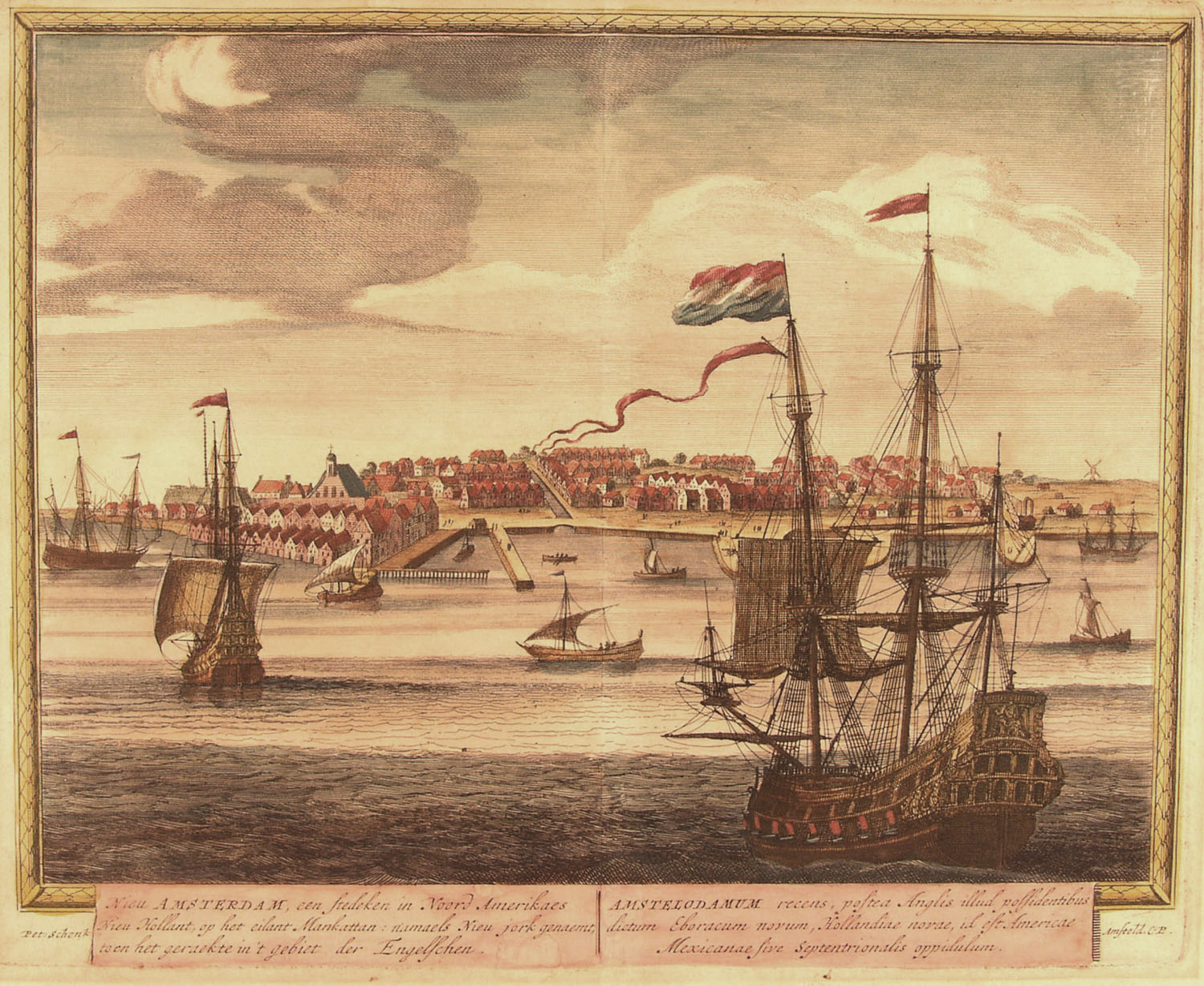
It is difficult to imagine what the first glimpse of New Netherland was like for the seventeenth-century European...
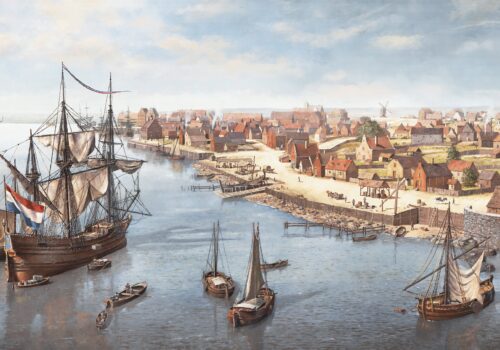
The third season of Live From New Amsterdam will begin on Thursday, October 30, 2025 when Russell Shorto speaks to Dr. Elisabeth Paling Funk about her new book, The Dutch World of Washington Irving, out now with Cornell University Press and part of our New Netherland Institute book series.

The opening of the new Tappan Zee Bridge (officially renamed the Governor Mario M. Cuomo Bridge) in September 2018 can be seen as yet another reminder of the Dutch history of the Hudson Valley. The “Zee” component of the name is clearly Dutch, meaning “sea,” as in the Zuider Zee, or southern sea, in the Netherlands. But what does Tappan mean, and why is part of a river called a sea?
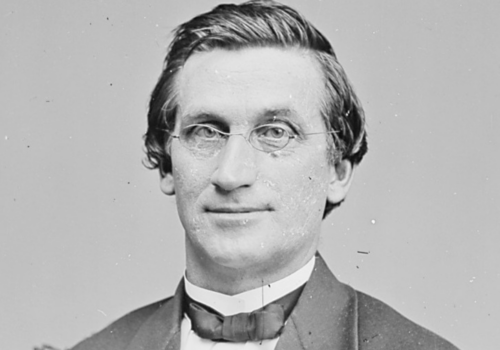
Charles Henry Van Wyck (1824–1895) was an American politician and Civil War officer who served in the U.S. House for New York and later as a U.S. senator from Nebraska, reflecting a long career in public service.
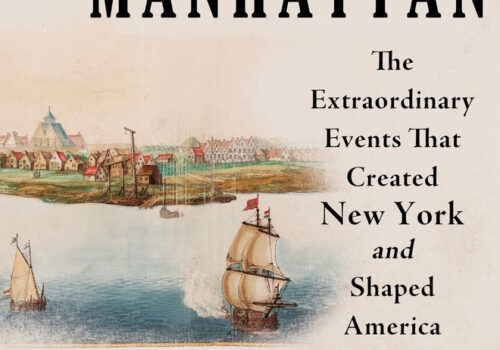
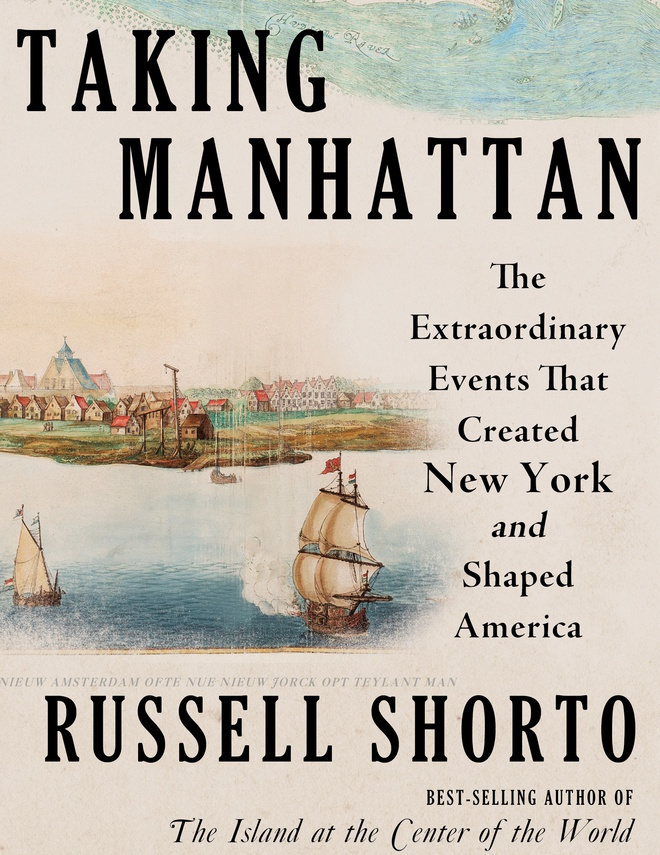
Why is New York the archetypal modern city – brash, bold, pulsing with energy? The author of The Island at the Center of the World offers up a thrilling narrative of how New York came to be.
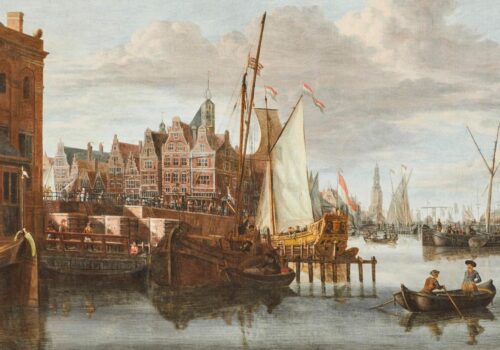
On May 2, 1839, at the urging of the New-York Historical Society and with the support of Governor William Seward (later Secretary of State for Presidents Lincoln and Johnson), the New York State Legislature passed an act “To appoint an agent to procure and transcribe documents in Europe relative to the colonial history of this state.”
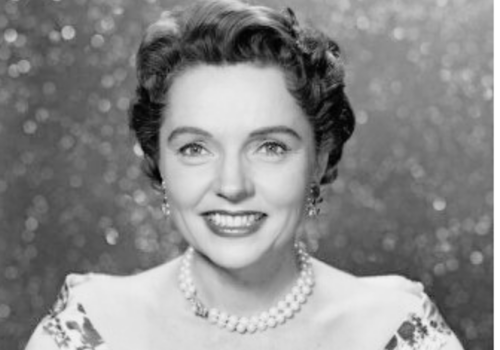
Jane Wyatt (1910–2006) was an American film and television actress best known for portraying Margaret Anderson on the long-running series Father Knows Best, earning three Emmy Awards and appearing in films, Broadway productions, and later television dramas.