

Peter Douglas’s Dutch Renaissance traces the unlikely survival of New Netherland’s records through shipwreck, war, and fire—culminating in Dr. Charles Gehring’s decades-long effort to translate the 17th-century Dutch texts and revive the colony’s forgotten voice and legacy.
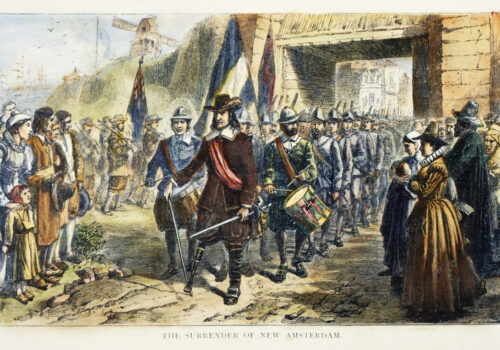
Perhaps for many people the most well known inhabitant of New Netherland is Director-General Peter Stuyvesant, and his most notable physical feature was, in his later years at least, a wooden leg. Let’s see how he became Peg Leg Pete.
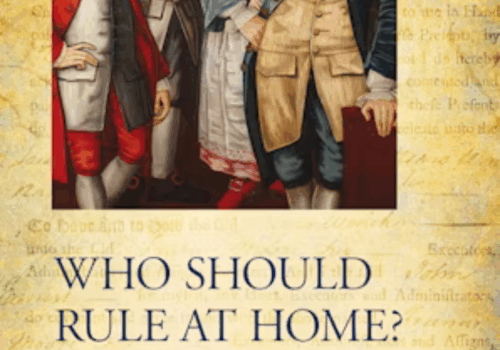
In Who Should Rule at Home? Joyce D. Goodfriend argues that the high-ranking gentlemen who figure so prominently in most accounts of New York City's evolution.
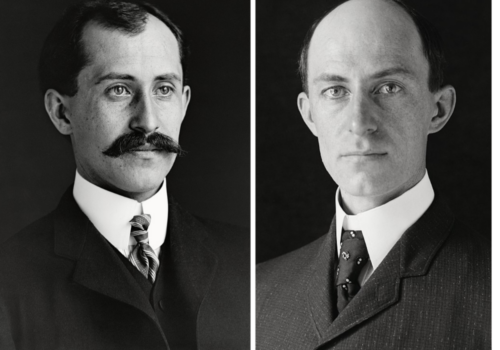
Wilbur (1867–1912) and Orville Wright (1871–1948) were American aviation pioneers who achieved the first successful powered airplane flight in 1903 at Kitty Hawk, developing the three-axis control system that became fundamental to modern aircraft design.
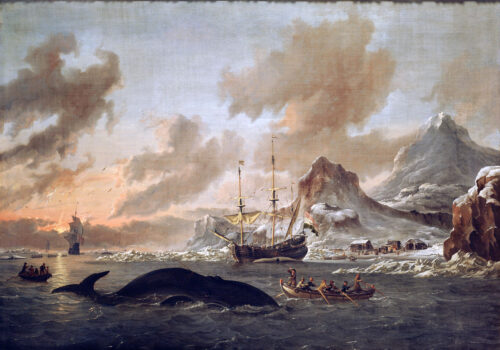
Those concerned with the study of New Netherland will be familiar with the Dutch East India Company, the Vereenigde Oostindische Compagnie (VOC), established in 1602 to trade with India and Southeast Asia, as well as the Dutch West India Company, the Geoctroyeerde Westindische Compagnie (GWC), chartered in 1621 for a trade monopoly in North America, the Caribbean, and Brazil.
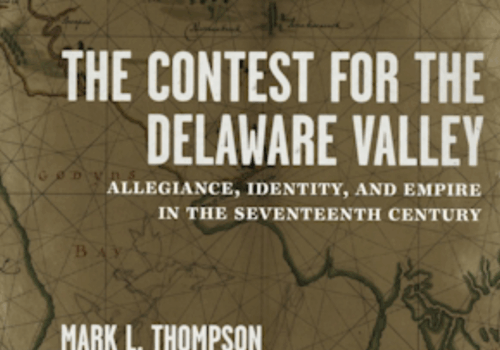
In the first major examination of the diverse European efforts to colonize the Delaware Valley, Mark L. Thompson offers a bold new interpretation of ethnic and national identities in colonial America.
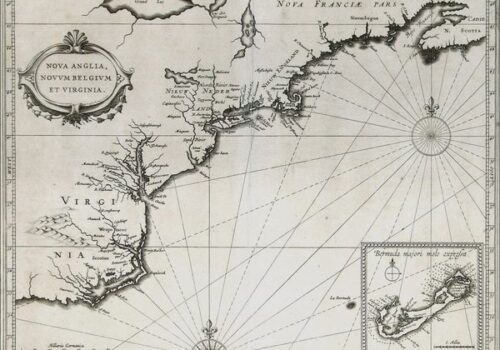
This 1630 map by Johannes de Laet marks a cultural and cartographic shift from rhetorical speculation to empirical accuracy. It’s the first printed map to name New Amsterdam and Manhattan, shown correctly as an island. As a West India Company director, De Laet drew from firsthand colonial reports, making this the earliest reliable depiction of New Netherland.
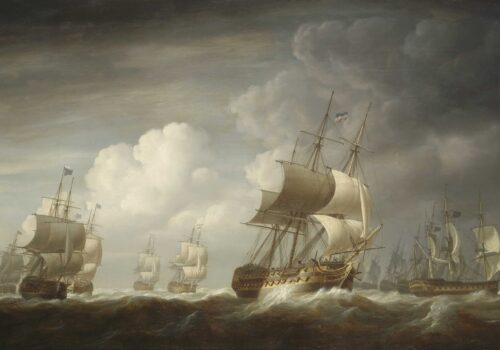
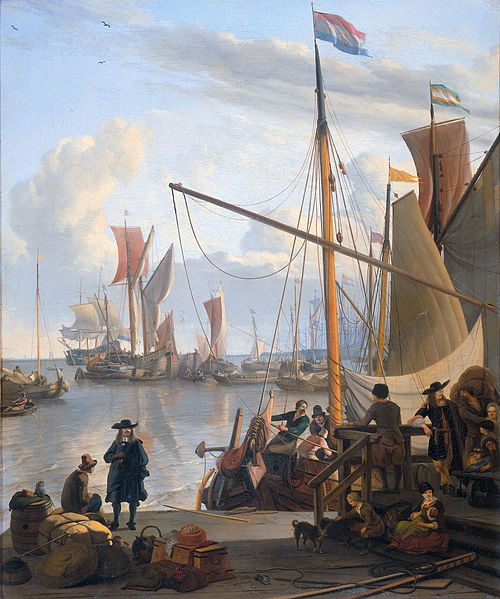
“They that go down to the sea in ships, that do business in great waters;
These see the works of the Lord, and his wonders in the deep.
For he commandeth, and raised the stormy wind, which lifteth up the waves thereof.
They mount up to the heaven, they go down again to the depths:
their soul is melted because of trouble.”
Psalm 107, 23-26
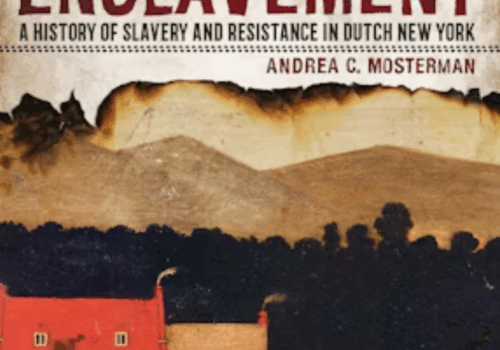
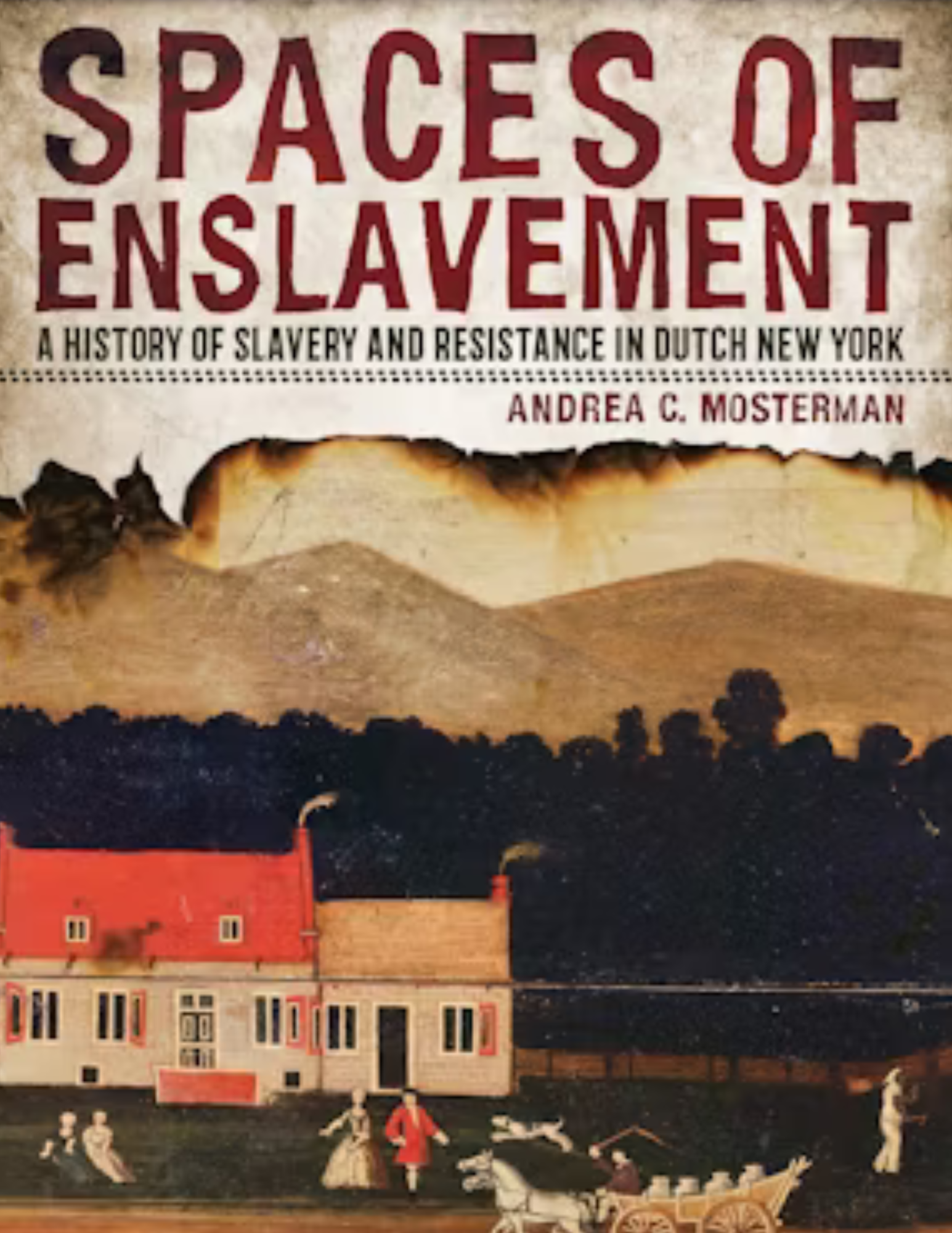
In Spaces of Enslavement, Andrea C. Mosterman addresses the persistent myth that the colonial Dutch system of slavery was more humane.
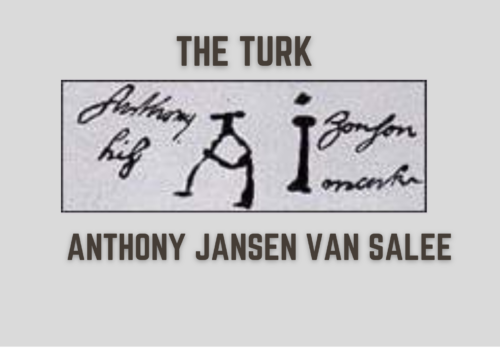
Anthony Jansen van Salee, the Turk, arrived in New Amsterdam about 1633. For the next forty years, he stirred up trouble.