
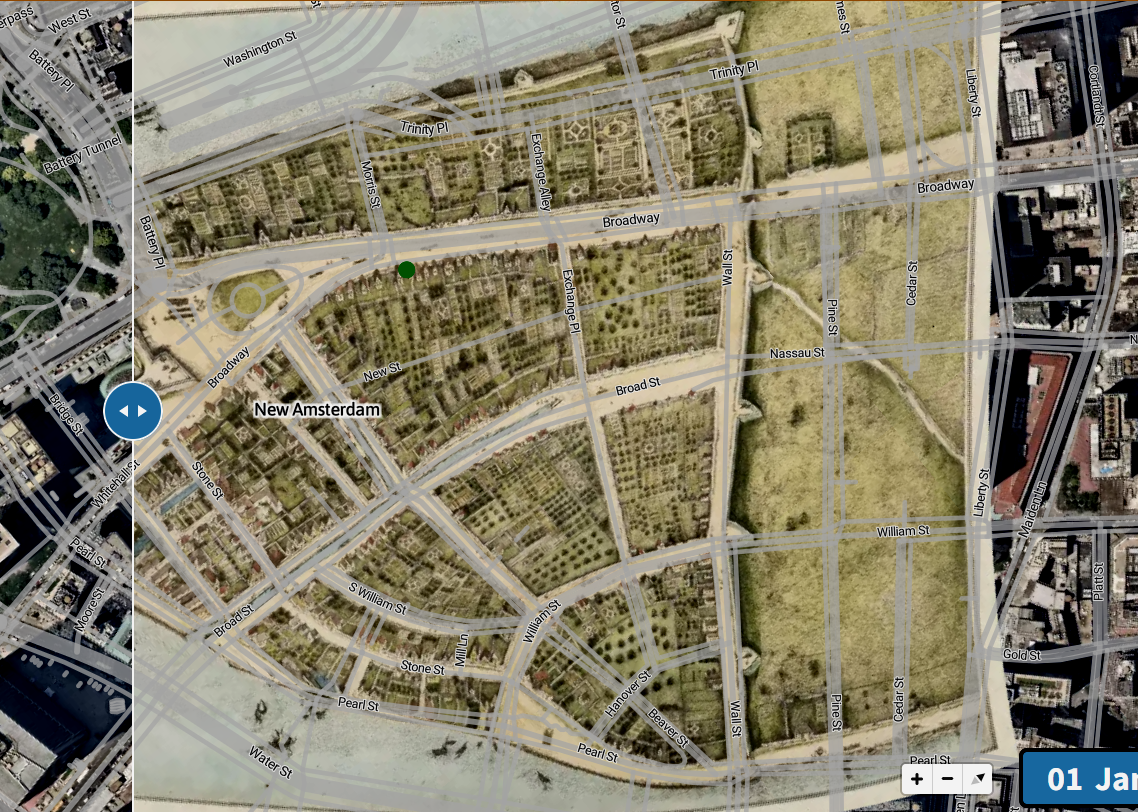
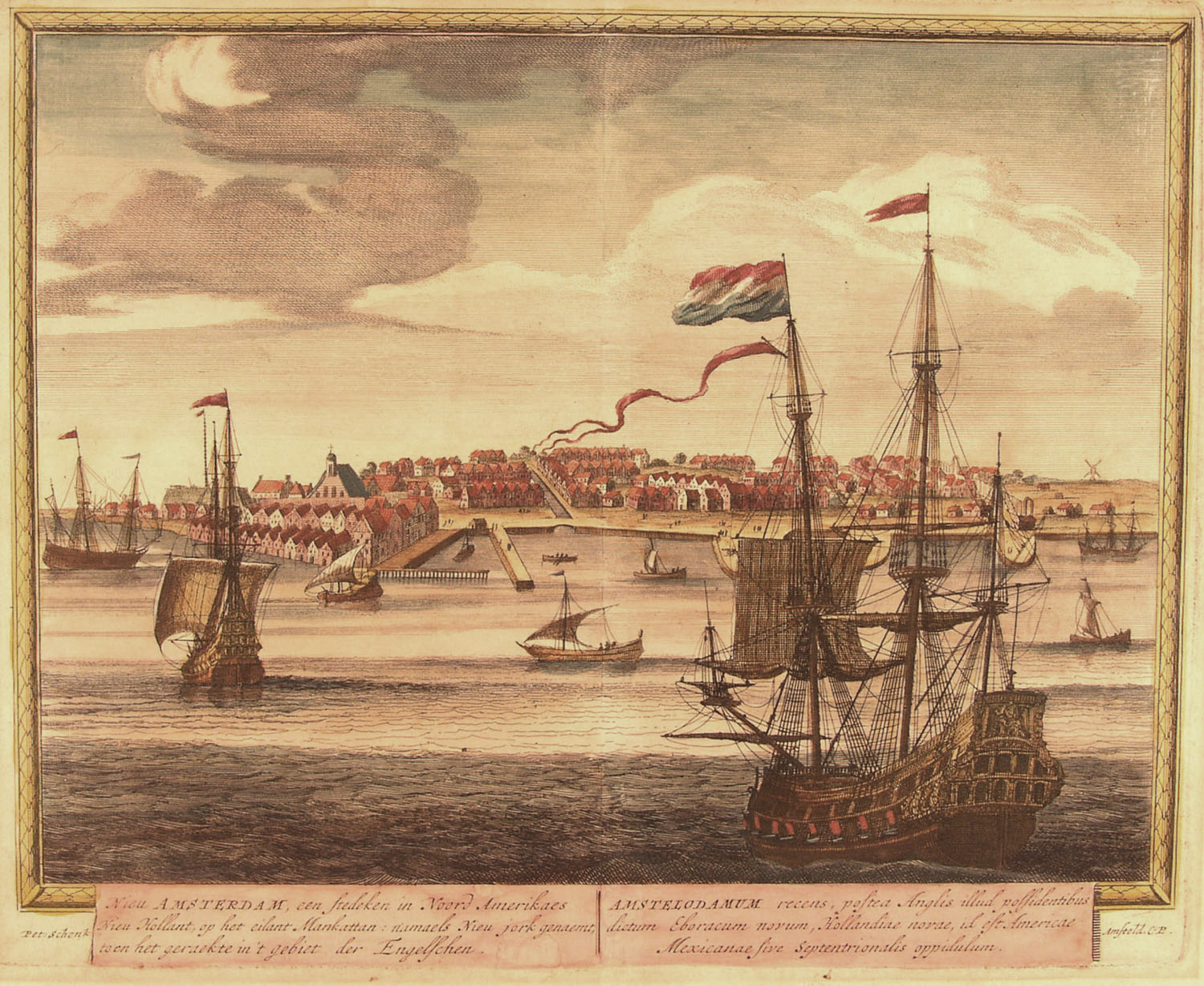
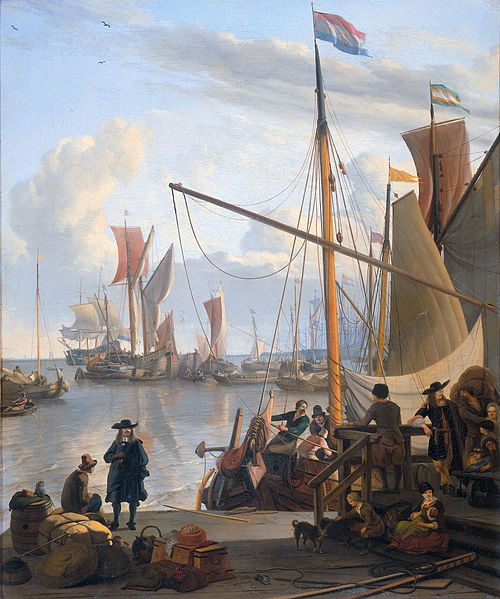

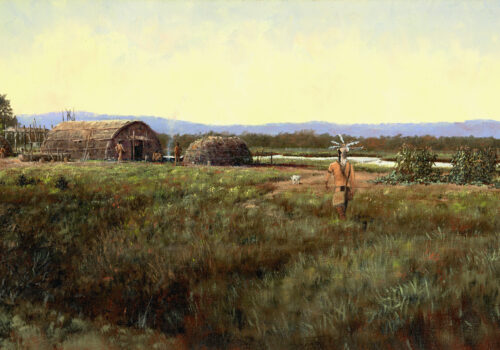
Pap-scan-ee, L.F. TantilloAn artistic rendering of a Mahican encampment on the east bank of the Hudson River, circa 1600. It is based on archaeological excavations...
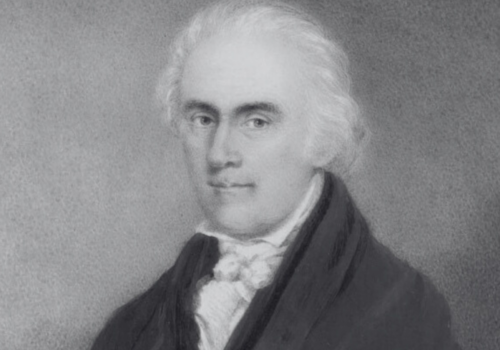
James DeWolf (1764–1837) was a Rhode Island merchant, slave trader, and politician who served as a U.S. senator and state legislator. He amassed great wealth through maritime trade and slavery while also investing in early American cotton manufacturing.k.
From its earliest days under English rule, New York City had an unusually diverse ethnic makeup, with substantial numbers of immigrants.
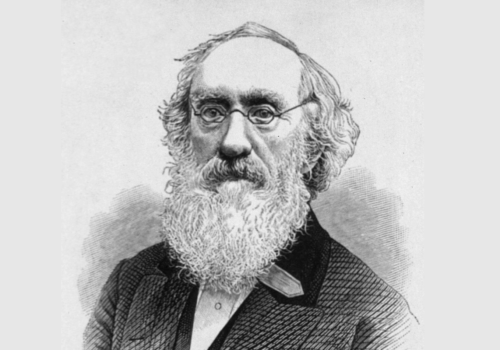
E B. O'Callaghan was keeper of historical manuscripts for the State of New York in 1848. In that role he completed the original translation of the Register of the Provincial Secretary, 1638-1642.
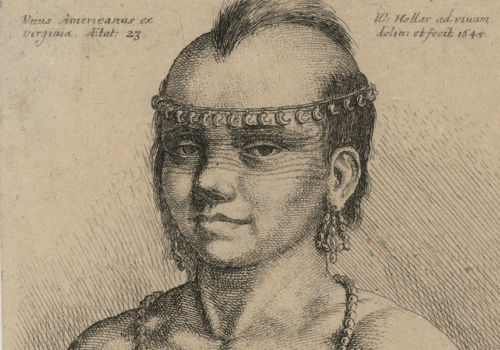
Historian James Axtell noted Europeans met Native defenders. Dutch ambitions in the fur trade led to uneasy partnerships with Native peoples—marked by compromise, conflict, and survival as colonial life took root.
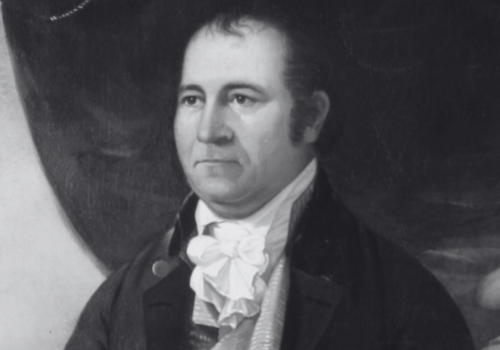
Simeon De Witt (1756–1834) was New York State’s long-serving Surveyor General, a Revolutionary War army geographer, planner of New York City’s grid street system, Erie Canal commissioner, and an early founder and land developer of Ithaca, New York.
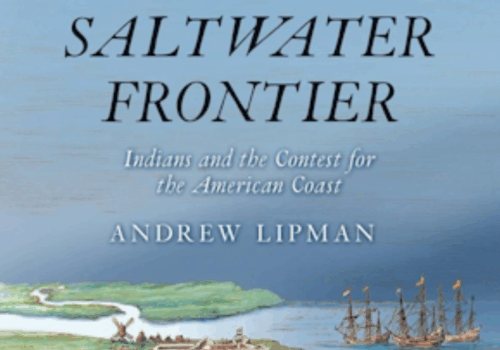
Andrew Lipman’s eye-opening first book is the previously untold story of how the ocean became a “frontier” between colonists and Indians.
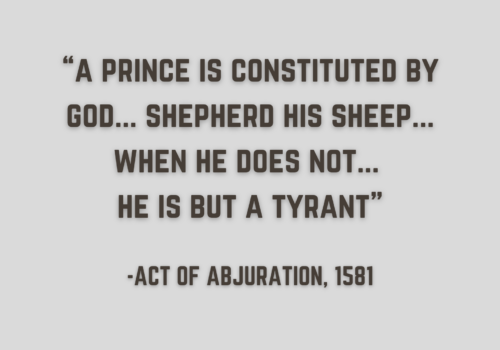
Employing a frontier framework, this book traces intercultural relations in the lower Hudson River valley of early seventeenth-century New Netherland. I
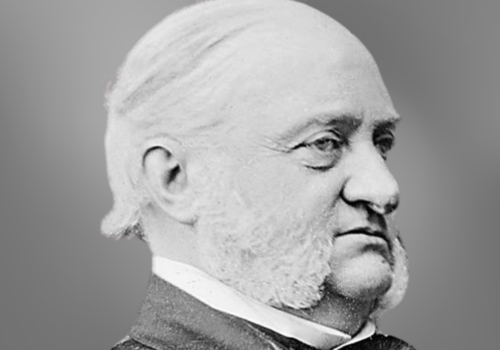
Peter Van Winkle (1808–1872) was a Unionist U.S. Senator from West Virginia during the Civil War and one of the state’s first senators after its 1863 admission, previously serving in Virginia politics and constitutional conventions.