
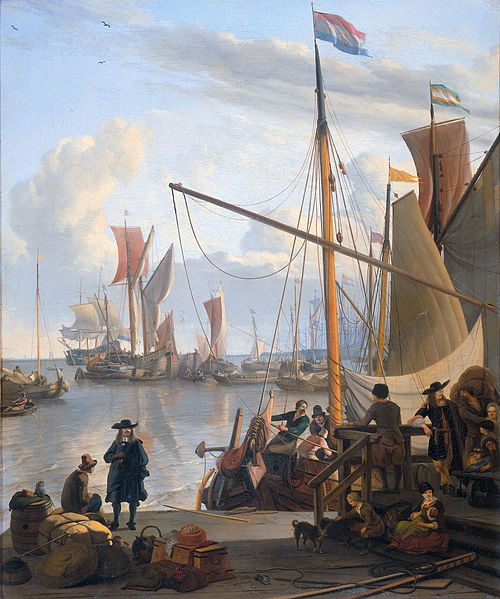

The rapid economic growth of cities in the Netherlands during the late Middle Ages attracted an enormous number of immigrants. As a result, ethnically diverse commercial interests dominated these cities and their overseas enterprises.
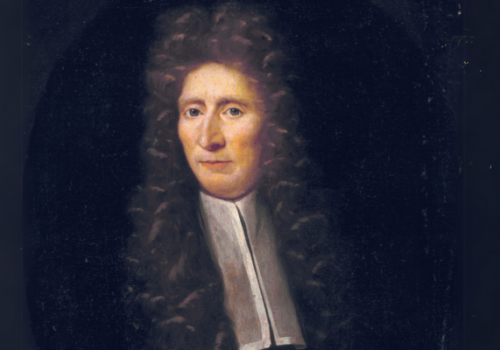
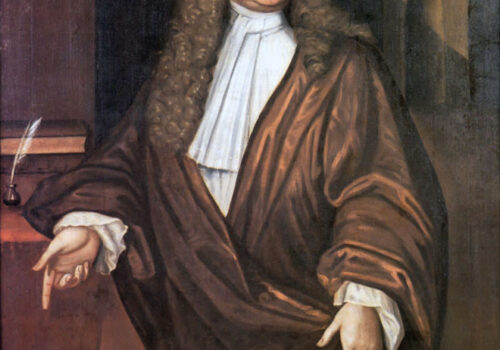
Frederik Ruysch (1638–1731) was a Dutch anatomist and a pioneer in the techniques of preserving organs and tissue. He was born in Den Haag and studied medicine at the University of Leiden, obtaining his medical doctorate in 1664.
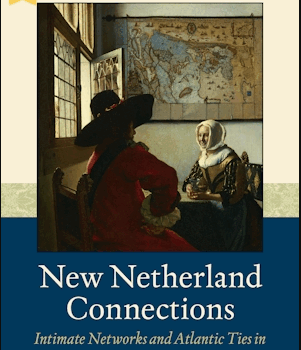
Susanah Shaw Romney locates the foundations of the early modern Dutch empire in interpersonal transactions among women and men.
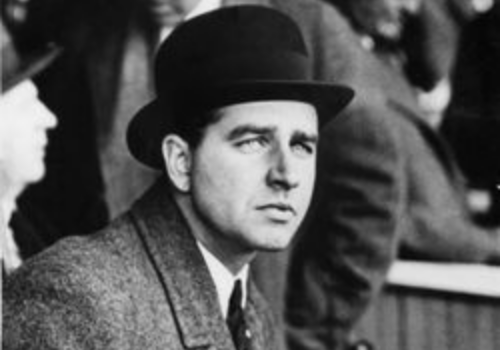
Cornelius Vanderbilt Whitney (1899–1992) was an American businessman, aviation investor, film financier, government official, and philanthropist who helped found Pan American World Airways, built mining enterprises, served in federal posts, and supported major American arts institutions.
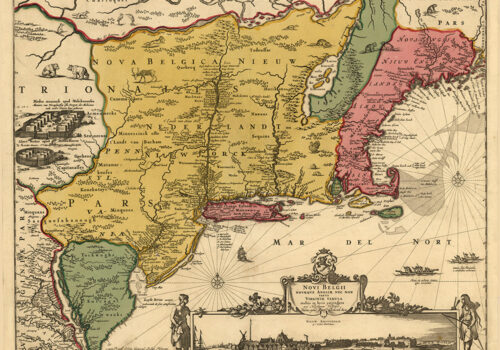
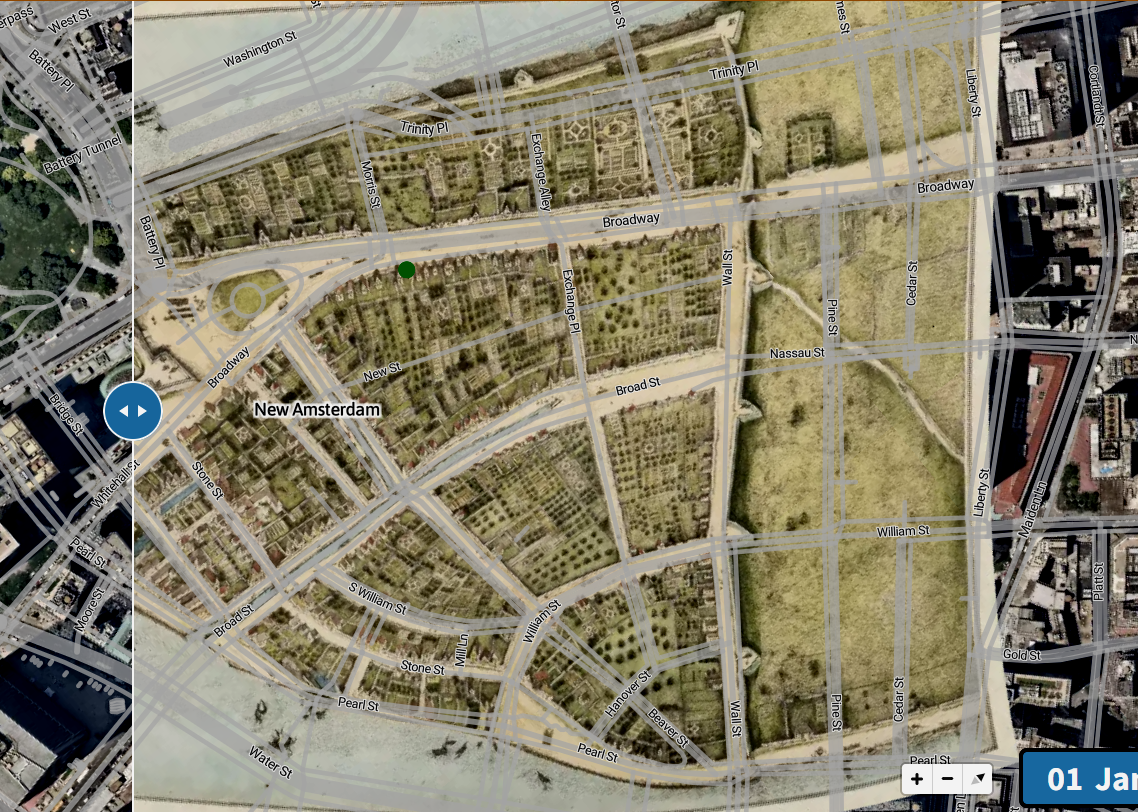
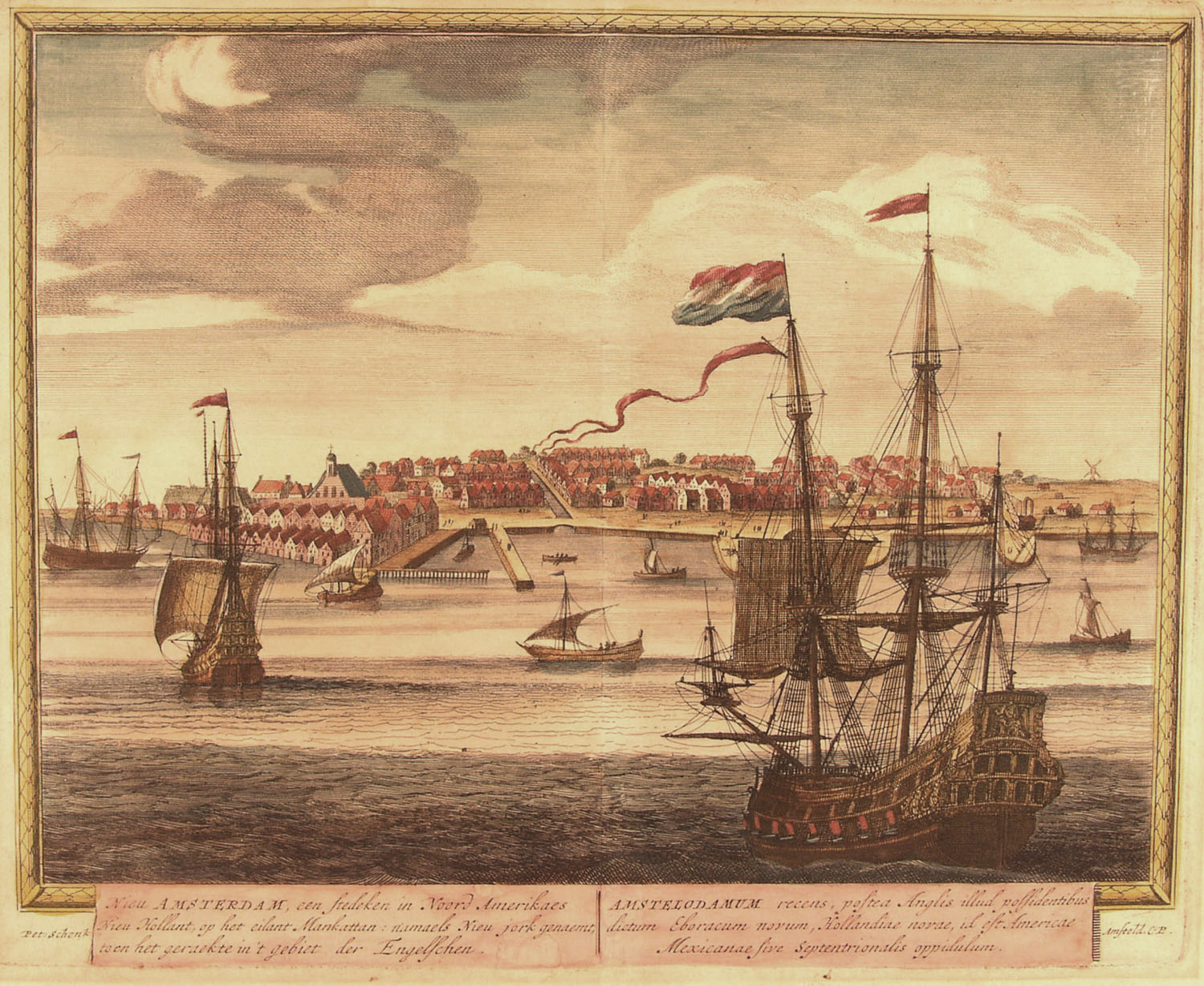
By the time Petrus Stuyvesant surrendered Fort Amsterdam in 1664, Dutch cultural traditions had already taken root—shaping life along the Hudson and Mohawk Rivers, western Long Island, and parts of New Jersey. These early Netherlandic influences helped lay the foundation for the region’s lasting identity and evolving American story.
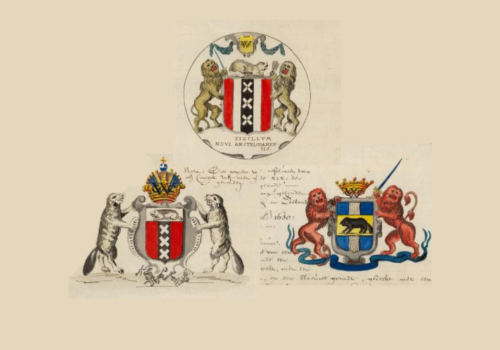
Drawings from 1630 propose coats of arms for New Netherland and New Amsterdam. One was adopted; others rejected for omitting Amsterdam’s heraldic lions.
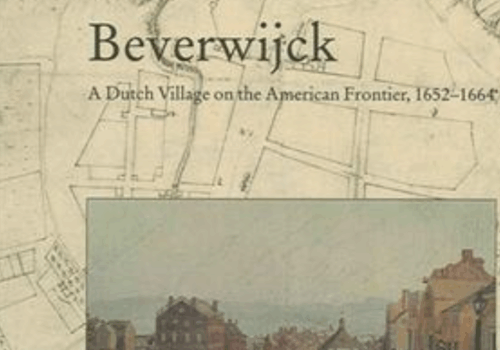
This work examines the Middle Colonies—New York, New Jersey, and Pennsylvania—as a region at the center of imperial contests among competing European powers and Native American nations and at the fulcrum of an emerging British-Atlantic world of culture and trade.
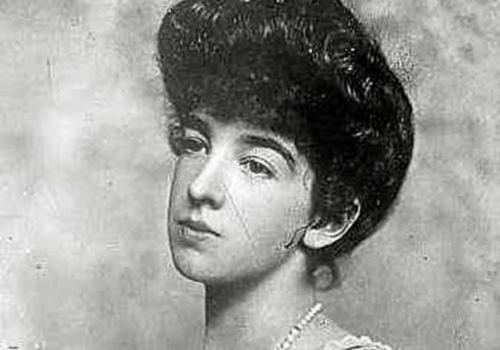
Gertrude Vanderbilt Whitney (1875–1942) was an American sculptor, patron of the arts, and founder of the Whitney Museum of American Art, whose philanthropy and support of emerging artists shaped twentieth-century American art.
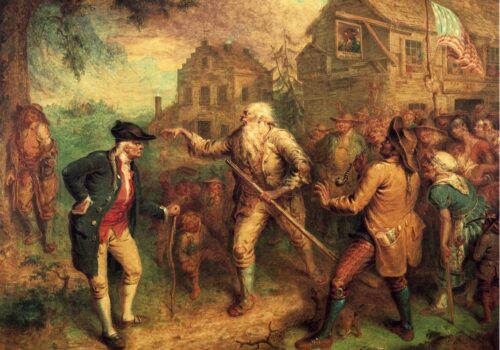
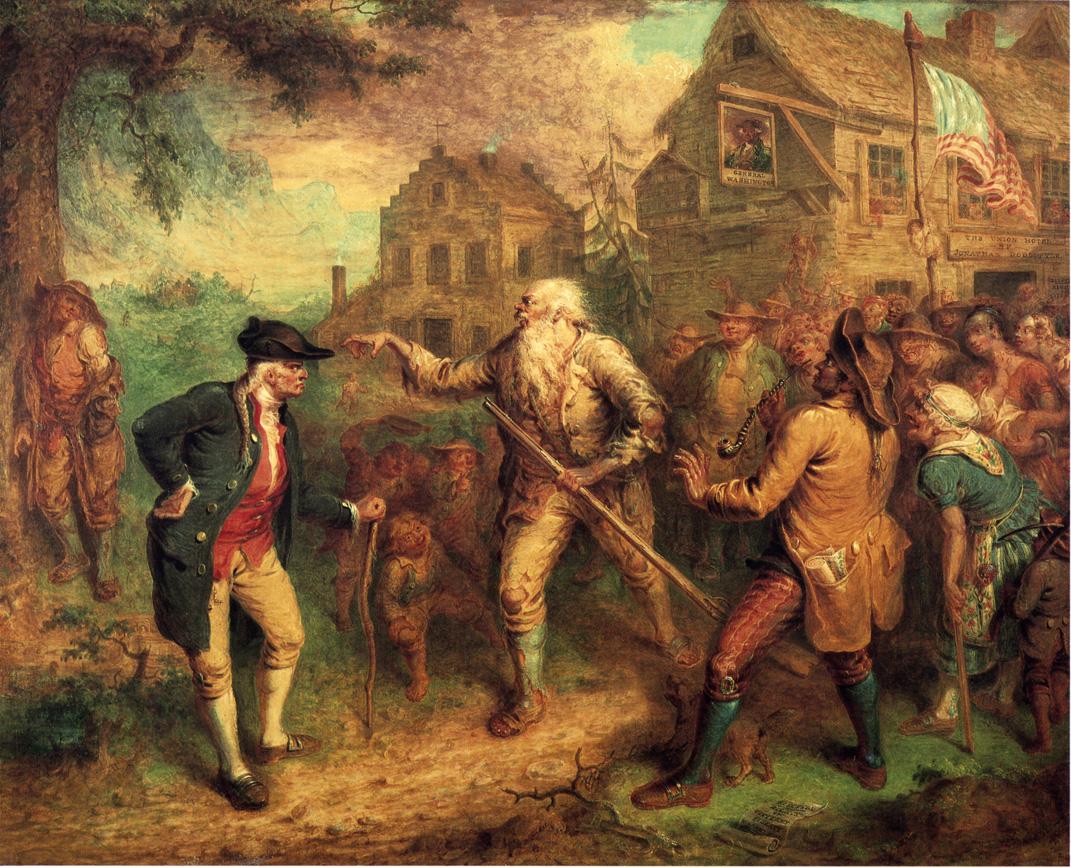
Although Dutch rule in North America ended in 1664, their cultural legacy persisted. Washington Irving observed its strong presence in 1820, and even decades later, travelers remarked on the striking similarities between New York and the Netherlands. Today, Dutch influence remains evident in regional place names, legal traditions, religion, food, and folklore—woven deeply into the fabric of American life.
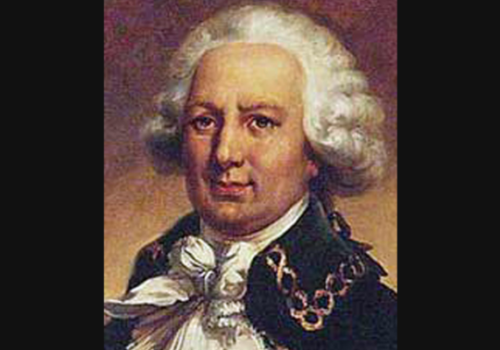
From the 15th to the 18th century, one of the great legends among the seafaring and trading nations was the existence of a vast southern continent, Terra Australis. This hypothetical continent was imagined to encompass Antarctica and extend far into the South Sea (Pacific Ocean).