
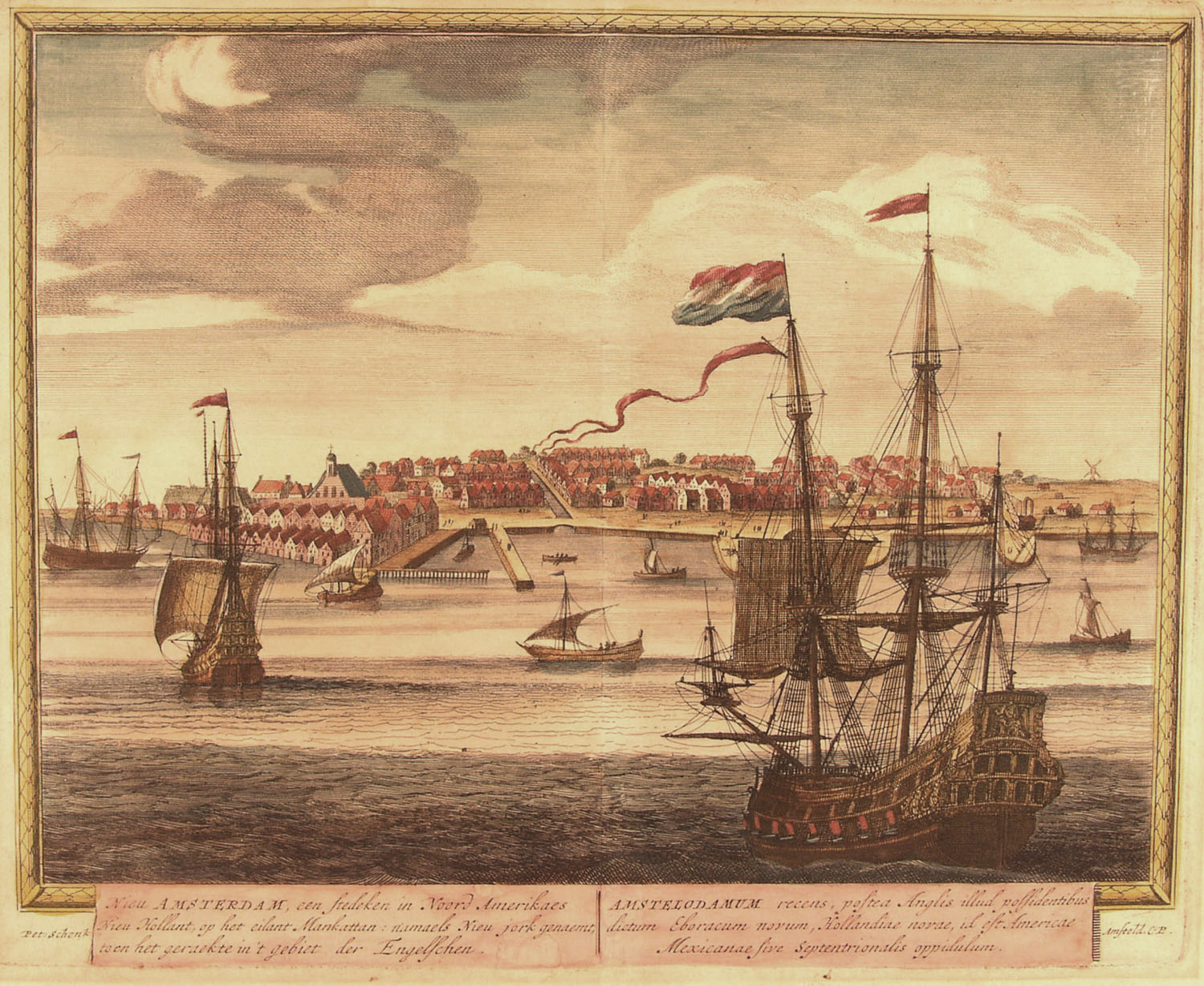

In June 1743, three sailors aboard the schooner Rising Sun mutinied, killing captain Newark Jackson, supercargo George Ledain, and two crew members after a slave-trading voyage to Suriname. This case reveals how Dutch archives illuminate the history of British colonial America.
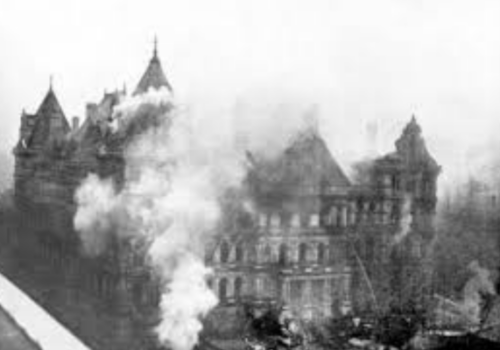
When, in the early hours of March 29, 1911, fire gutted much of the New York State Capitol and State Library, few people, if any, could have been more devastated than State Archivist Arnold J.F. van Laer. Hundreds of thousands of books and documents were either burned up or severely damaged, including the 17th century Dutch colonial records that Van Laer had begun to translate.
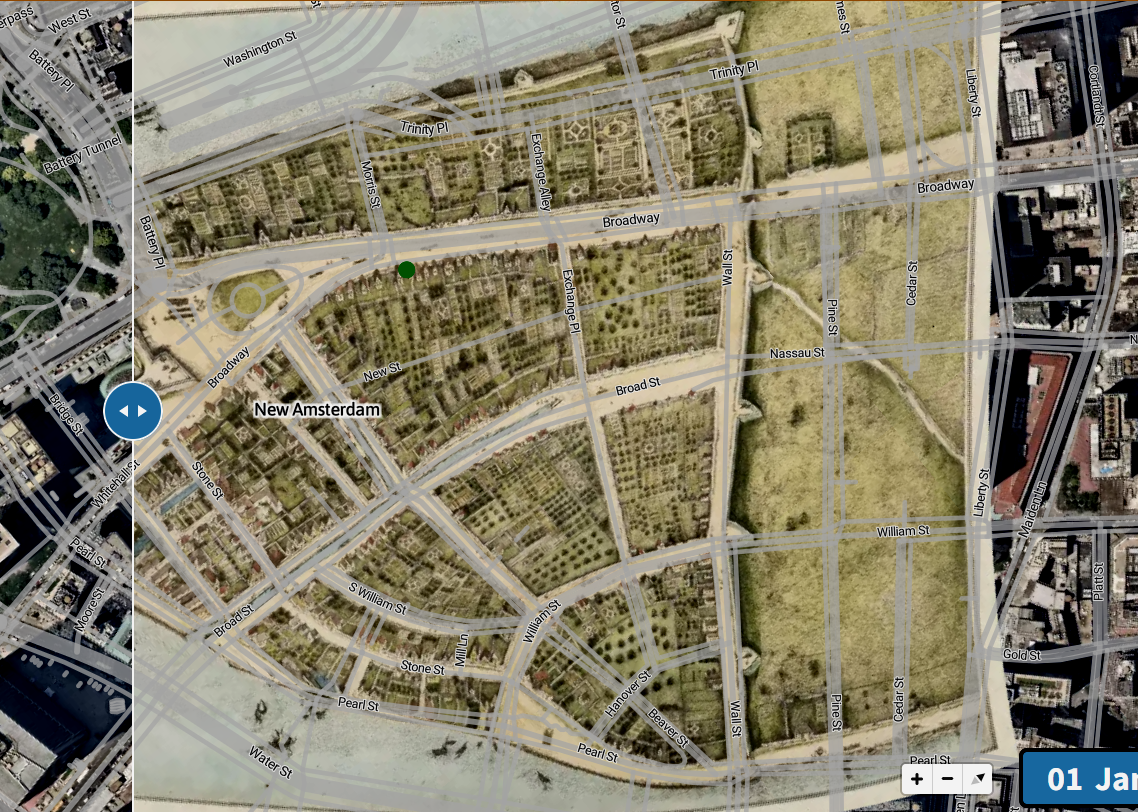
The voyage of the ship Beaver from the Netherlands to New Amsterdam in 1660 must have been an awkward one for those on board. Boudewijn van Nieulant, one of the ship’s passengers, was fleeing a woman whom he had impregnated in Amsterdam.
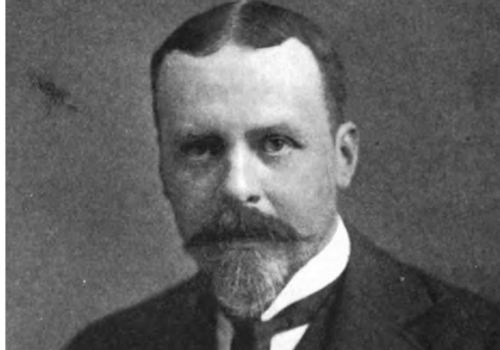
Barrett Wendell (1855–1921) was an American literary scholar and Harvard professor whose teaching and writings on English composition, American literature, and figures such as Cotton Mather shaped late nineteenth-century literary studies.
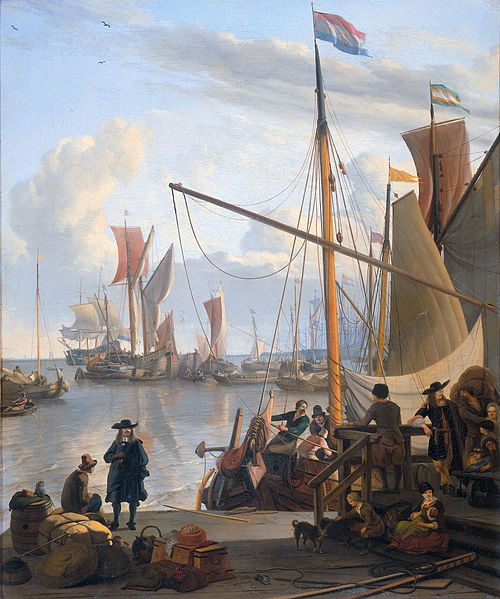
Despite their essential role, Dutch Atlantic sailors remain largely unseen in history. Their voyages were perilous—battling enemy ships, storms, hunger, disease, and abuse aboard poorly equipped vessels. Enduring deprivation and danger, sailors sometimes resisted the harsh conditions imposed upon them.

Peter Schaghen, the author of this document, was the representative of the States General in the Assembly of the Nineteen of the West India Company.
In 1748, a mixed-race infant named Philip arrived in Somerset County, New Jersey. Born to a white mother and Black father, he was placed with a wet nurse through the Van Horne household—an arrangement revealing race, class, and maternal identity in colonial society.

Loudon Wainwright III (b. 1946) is an American folk singer, songwriter, and actor known for humorous and autobiographical songs, including the hit “Dead Skunk,” and for a long recording career spanning dozens of albums.
In the Dutch Atlantic world, the world order and groups within it were visualized hierarchically. This started with the foundation of the colonial trading companies in the early 17th century, and continued until well after the abolition of slavery in 1863.
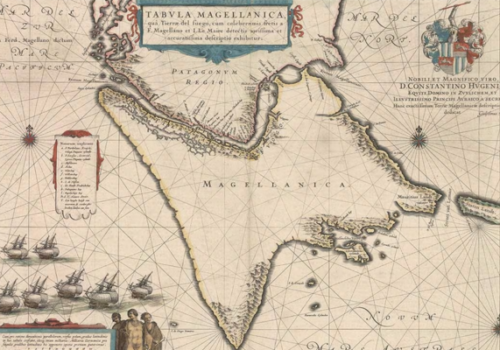
Cape Horn, the southernmost headland of the Tierra del Fuego archipelago, became notorious as a “sailors’ graveyard” because of its strong currents, gales, and frequent storms. It is named for the city of Hoorn in the distant Netherlands. How this came to be is a story that begins in the 16th century.