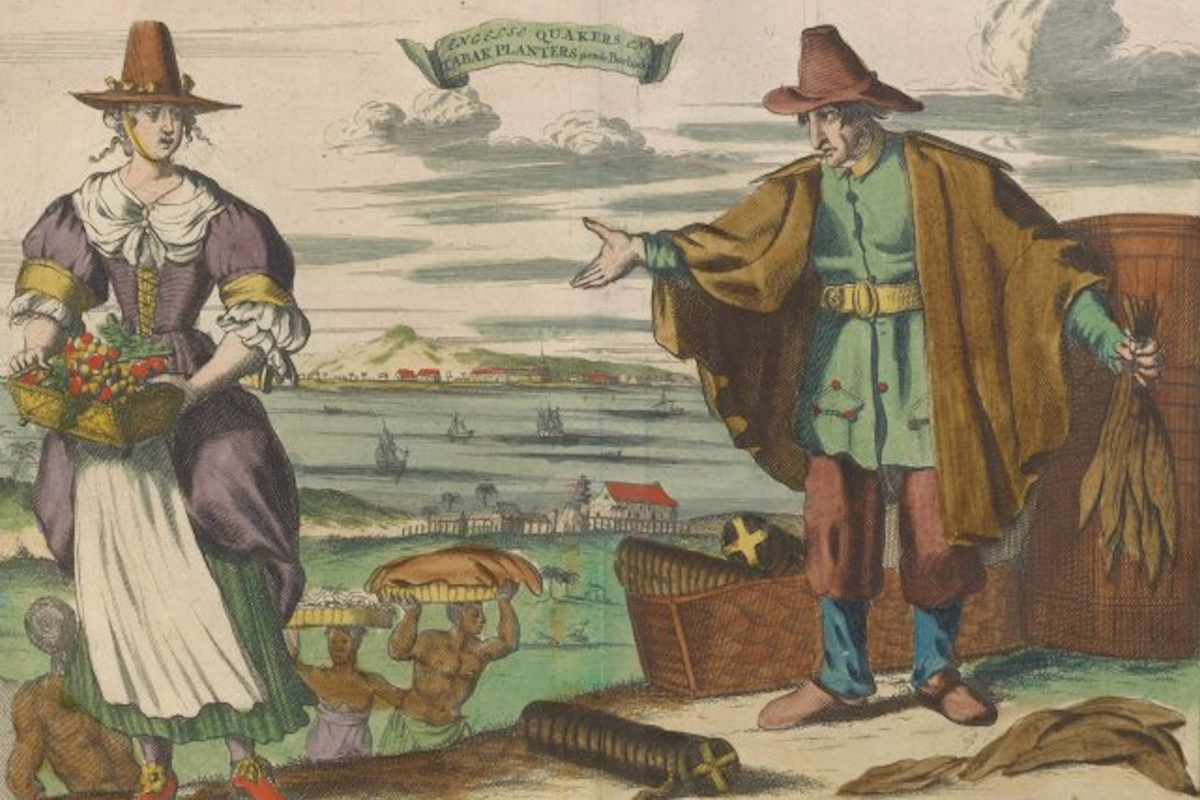


In 1654, Beverwijck tavernkeeper Maria Jansz was repeatedly prosecuted for selling brandy to Native customers. Despite initial denial, she confessed, reoffended, and was fined and banished for a year. Her husband then obtained a divorce rather than accompany her into exile.
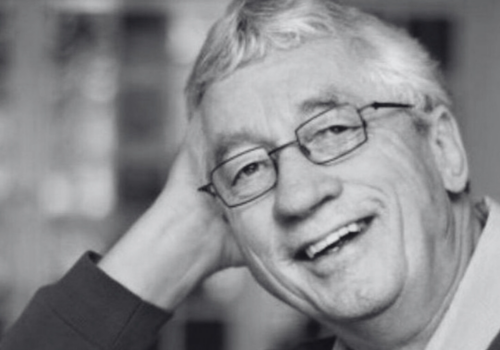
Frans de Waal (1948–2024) was a Dutch-American primatologist and author whose research on chimpanzees and other primates reshaped understanding of empathy, cooperation, and conflict in animal and human behavior.
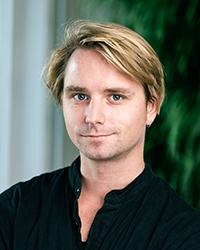
Dirk Alkemade (PhD student at Leiden University), our visiting Fulbright/NNI scholar, harrived at the NNRC on May 2 and was here. Dirk through July 31. His research was on the Dutch political refugees who came to the US in the revolutionary era (c. 1776-1815).
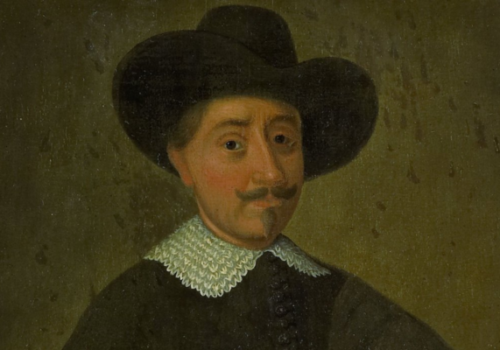
Anthony or Antonius Van Diemen (1593–1645) would doubtless have faded into unremembered history were it not for his fateful decision in 1642 to send the seafarer and explorer Abel Janszoon Tasman (1603–1659) in search of “The Great South Land.”
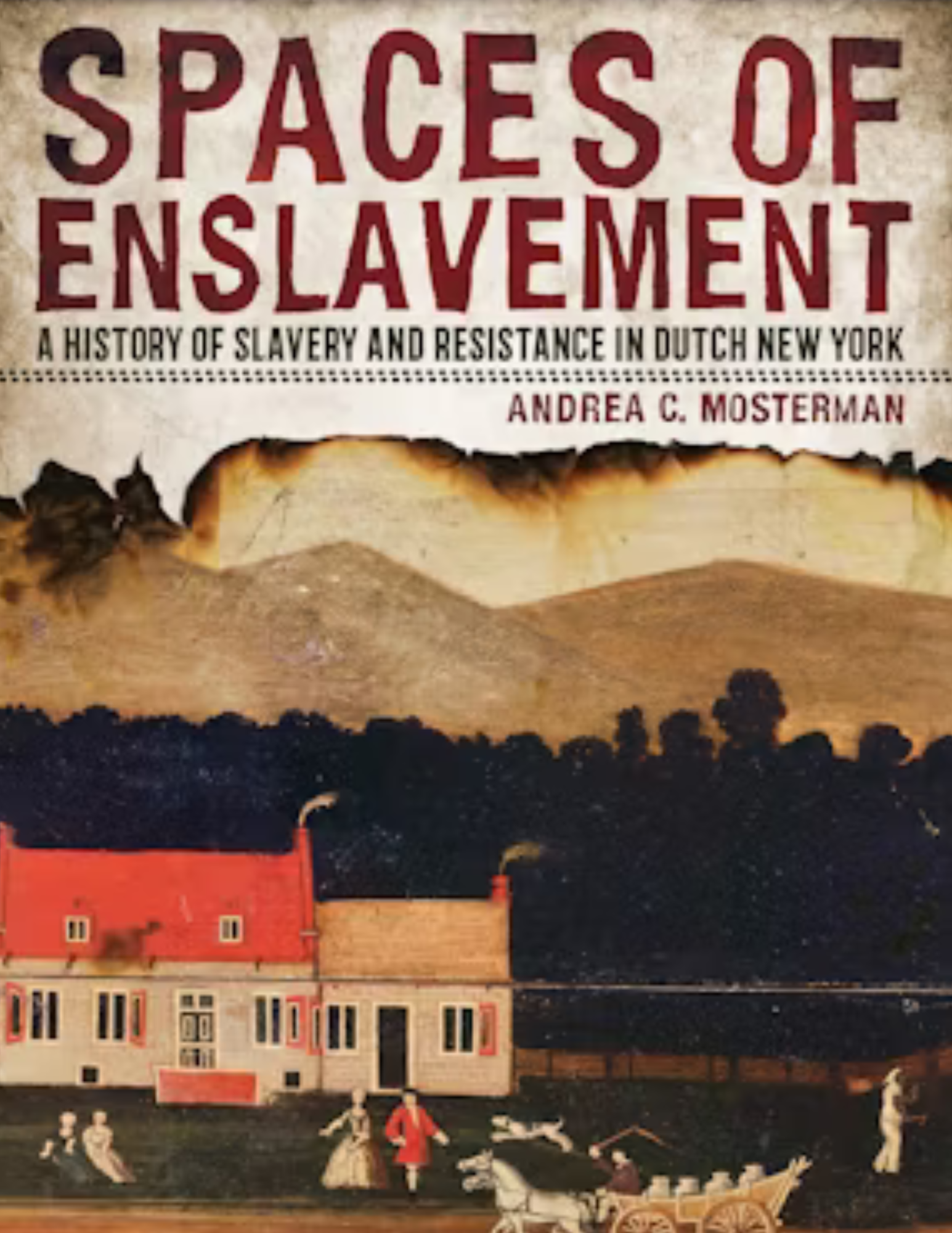
Enslaved in New York, Pieter Christiaan built a family, challenged authority, and disrupted village life, leaving a rare and vivid record of power, conflict, and resilience.
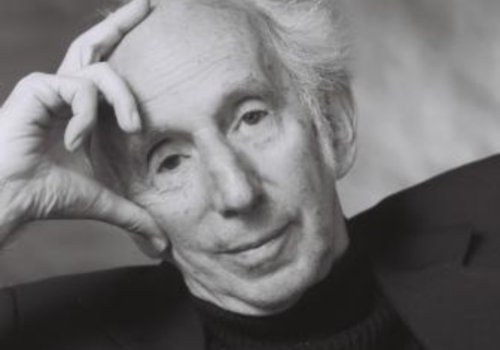
Leo Vroman (1915–2014) was a Dutch-born hematologist and poet who settled in the United States and became one of the most celebrated modern Dutch-language poets while maintaining a distinguished scientific career.
A closer look at Dutch life in St. Thomas reveals surprising parallels in language, religion, and daily life, offering new insight into the enslaved community of New Netherland.
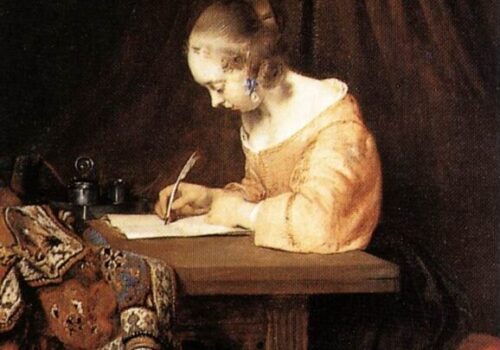
Have you ever wondered about the name of the New Netherland Institute's newsletter, or its curious spelling? Dr. Charles Gehring explained it in the first issue in February 1985. The New Netherland Project, as the Dutch translation mission was called back then, had received many "imaginative suggestions" for the name of its newly minted newsletter, but none was chosen.
NNI in conjunction with the Fulbright Center of Amsterdam, the Netherlands, offers a 3-month residency and a grant of $5,000 for research in the field of New Netherland history and the Dutch Atlantic world.
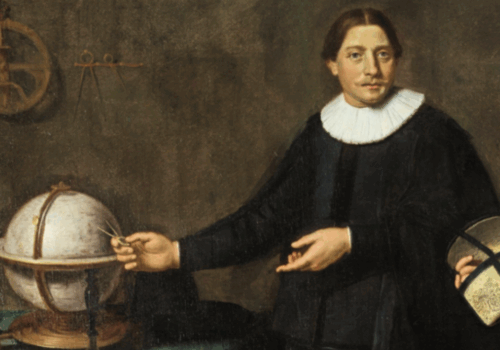
The year 1642 saw the death of Galileo and the birth of Sir Isaac Newton. In England, King Charles I raised his standard at Nottingham to begin that country’s Civil War,