

The credit for golf in its modern form is generally given to the Scots, but they certainly did not invent it from scratch.
Colonel Richard Nicolls, conqueror of New Netherland and first Governor of New York (1664-1668), won the approval of the Dutch inhabitants by granting them a remarkable degree of personal freedom and local autonomy. Although he required greater conformity from the English settlements in the colony, he exhibited patience and understanding toward their residents, most of whom were Puritans and Quakers, distrustful of royal commissioners such as Nicolls.
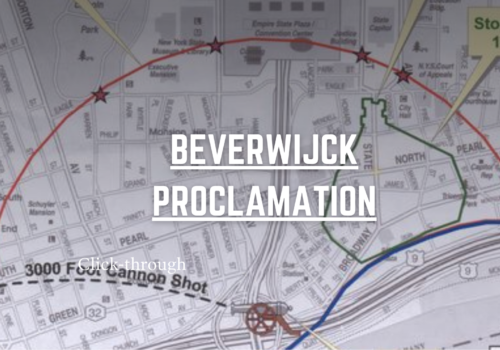
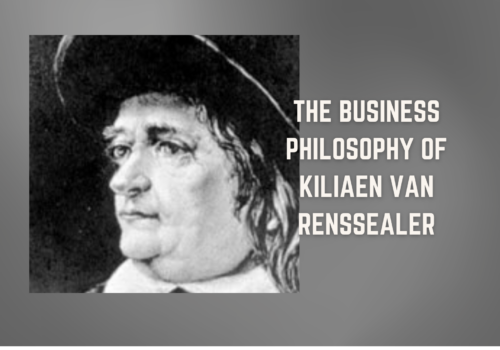
When Kiliaen van Rensselaer purchased the land for his patroonship on the upper Hudson in 1631, Fort Orange--the Dutch West India Company's permanent trading post in the region--was seven years old.
The credit for golf in its modern form is generally given to the Scots, but they certainly did not invent it from scratch.
This volume of land papers from the “Colonial Manuscripts” in the New York State Archives comprises translations of three Dutch record books lettered GG, HH...
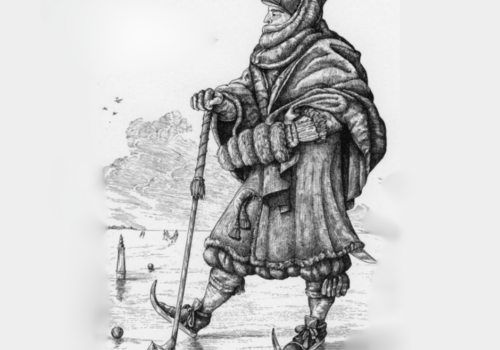
The credit for golf in its modern form is generally given to the Scots, but they certainly did not invent it from scratch.
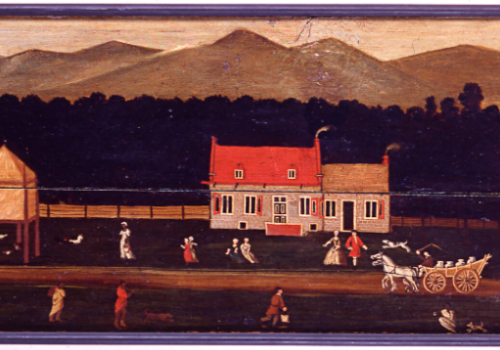
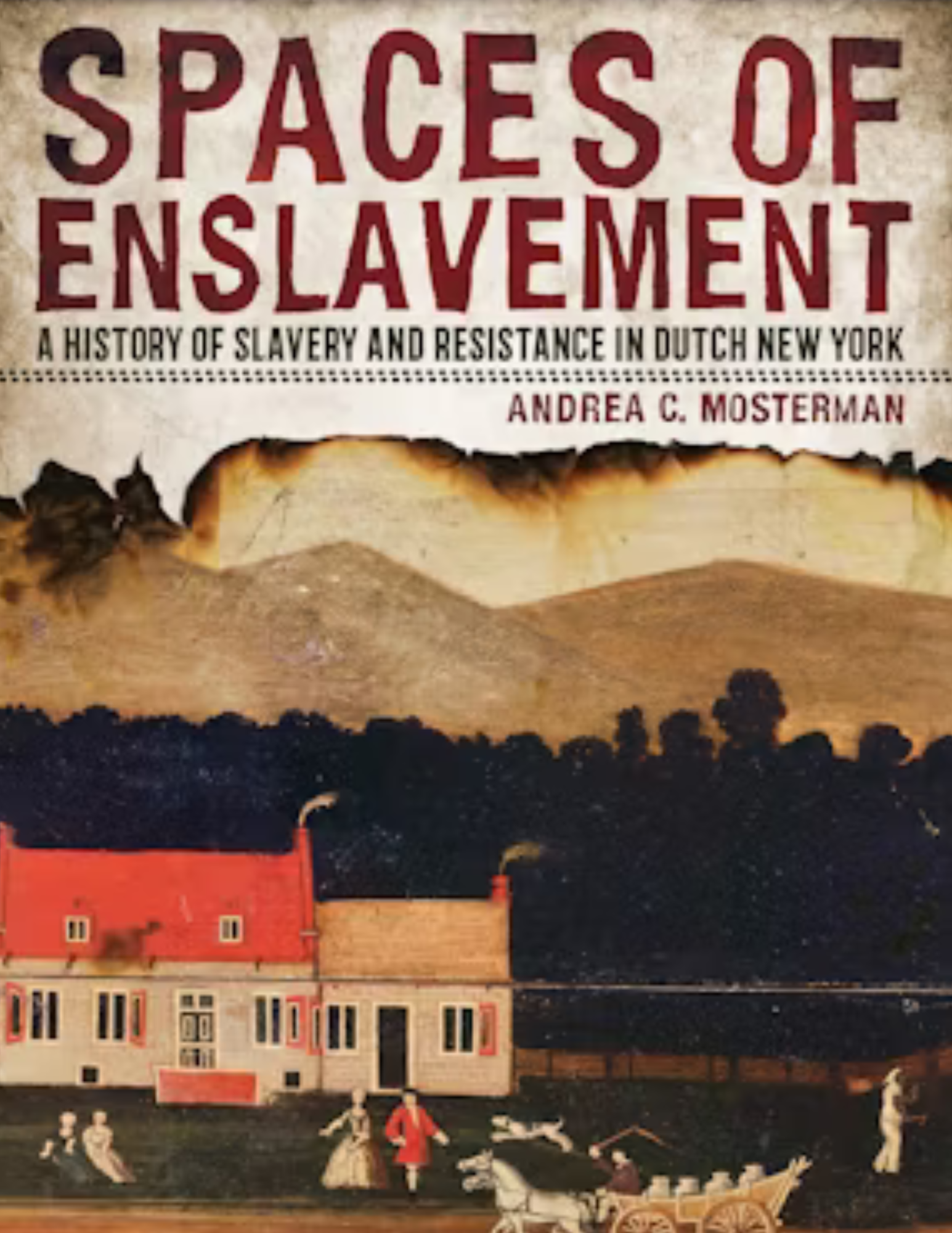
The New Netherland Institute announces a new research resource that focuses on enslavement in
the New Netherland Colony and Early New York.
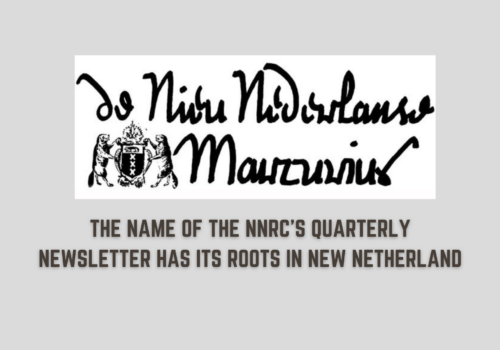
Have you ever wondered about the name of the New Netherland Institute’s newsletter, or its curious spelling? Read on…
Resources for Native Americans and New Netherland and Dutch New York