

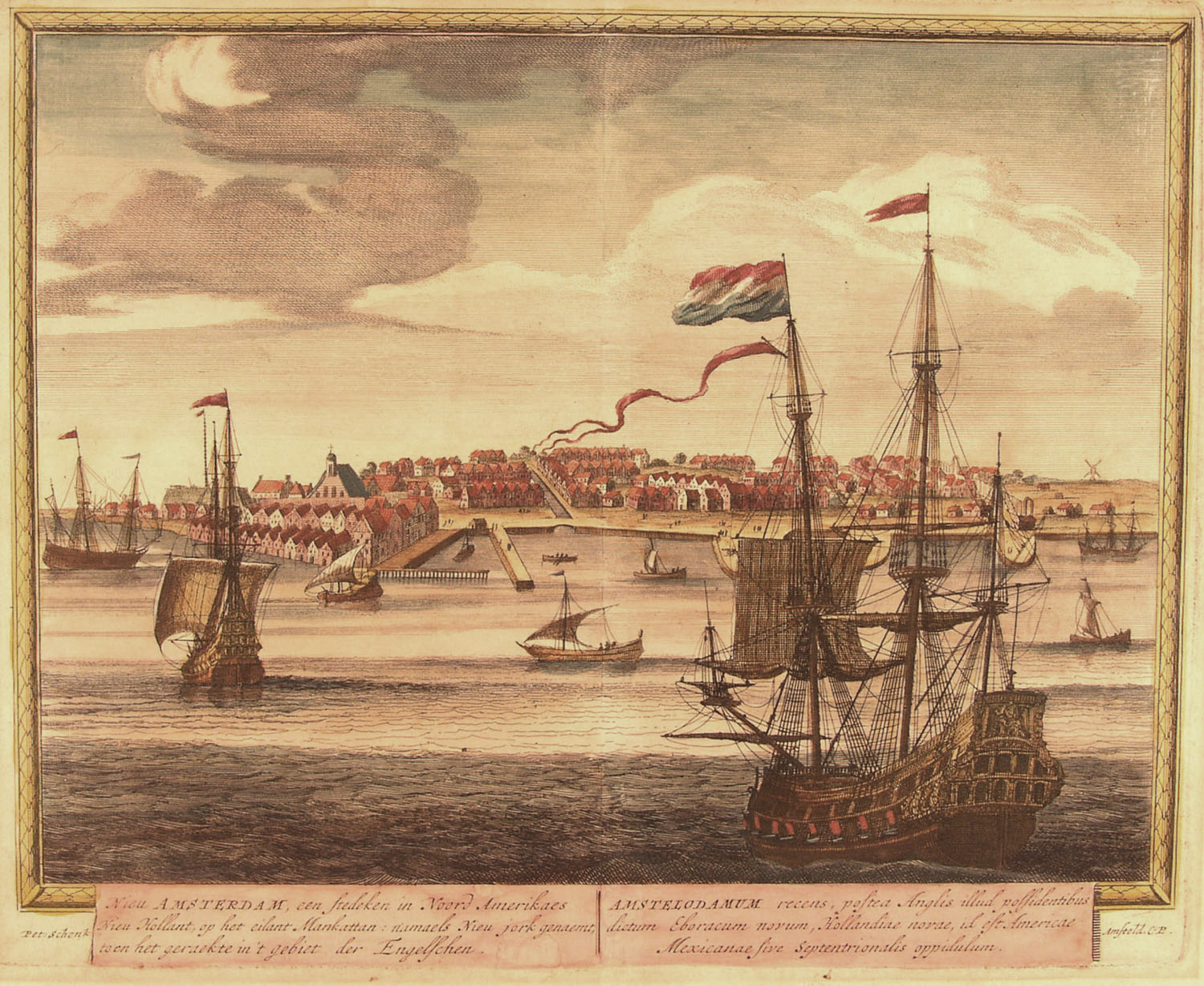
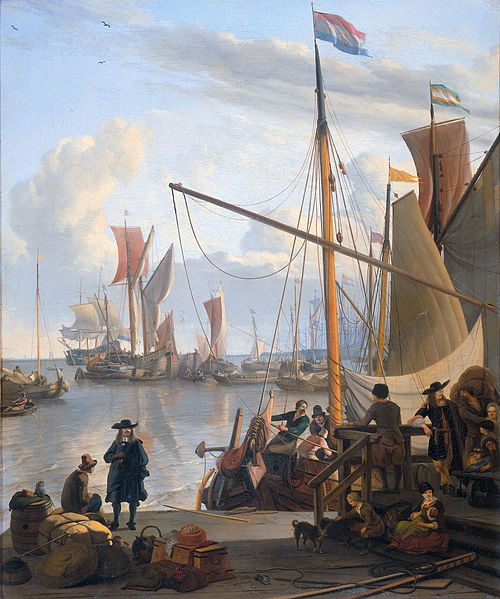

New Netherland and Dutch New York overlapped with the territories of many different Native peoples, all with particular social and political customs who had long pre-colonial histories of diplomacy with one another.
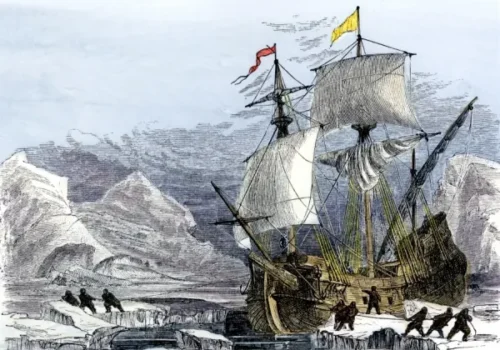
The famous Dutch navigator, cartographer, and explorer Willem Barentsz led three expeditions into the Arctic in the last years of the sixteenth century in search of a northeastern trade route to Asia. Accompanying Barentsz on the first two voyages was a Dutch navigator whose name has not survived to the present day with such prominence as his fellow explorer. Unlike Barentsz, no sea was named for Cornelis Corneliszoon Nay, who is known to history through his association with two of the Barentsz expeditions.
The document that endentures Bet a negro wench of Jacob Tice aged 2 years 4 months to Tobias Ten Eyck in Montgomery County, NY
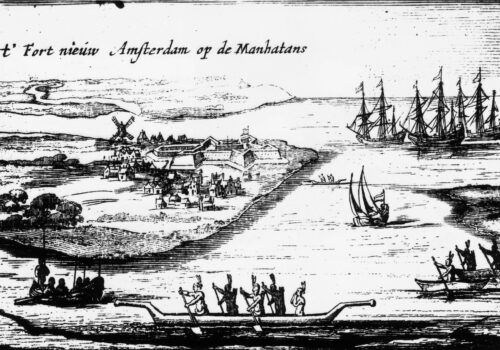
One the many myths that blur the story of the Dutch “purchase” of Manhattan—one that is firmly cemented in the popular psyche—says that the price was mere “beads and baubles.”
The law did not immediately free any enslaved people. Instead, it guaranteed that children born to enslaved mothers after July 4, 1799 would be technically free but continue to live under their mother’s enslavers as indentured servants until they reached the age of 28 for males or 25 for females.
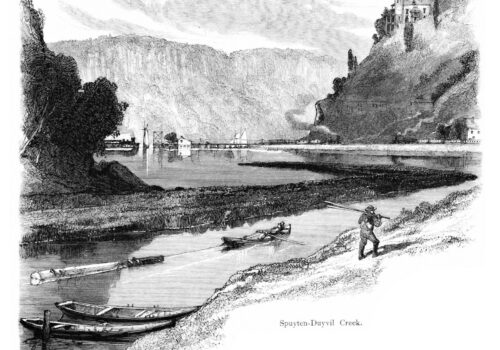
Perhaps the most peculiar name of a neighborhood in the Bronx—thee northernmost of the five boroughs of New York City— is Spuyten Duyvil.
Studying African presence in Euro American colonial history is about striking a balance between acknowledging the horrors of slavery and finding the traces of humanity and resilience in the archive.
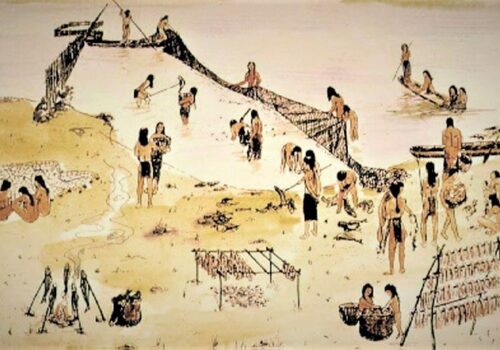
Whatever you believe to be true about the Dutch acquisition of Manhattan—notably the tale of the baubles and beads and the $24—there is another broader myth that underlies all of this.
Additional resources for African Research in New Netherland and Early Dutch New York
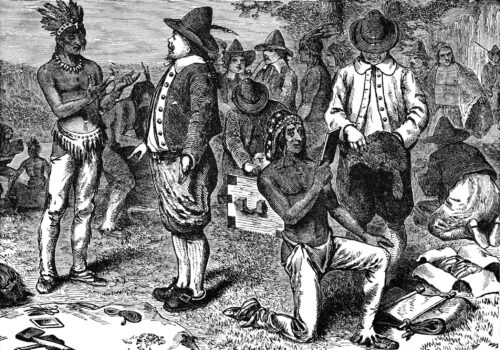
One the many myths that blur the story of the Dutch “purchase” of Manhattan—one that is firmly cemented in the popular psyche—says that the price was mere “beads and baubles.”