

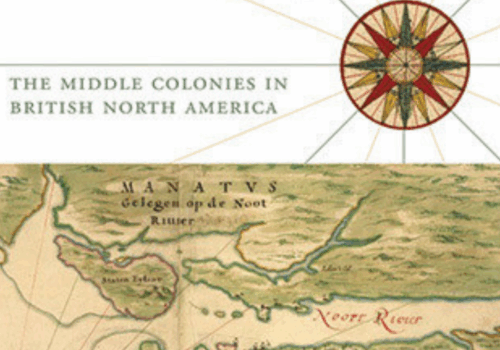
This work examines the Middle Colonies—New York, New Jersey, and Pennsylvania—as a region at the center of imperial contests among competing European powers and Native American nations and at the fulcrum of an emerging British-Atlantic world of culture and trade.
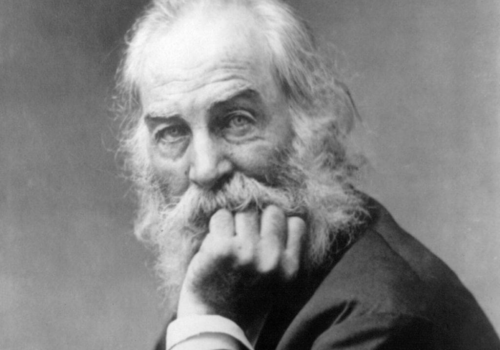
Walt Whitman (1819–1892) was an American poet, journalist, and essayist whose landmark work Leaves of Grass revolutionized modern poetry and established him as one of the most influential voices in American literature.
A abaft the beam – behind a perpendicular line extending out from the middle of the boat Abeam – At right angles to, or beside, the boat Aboard –...
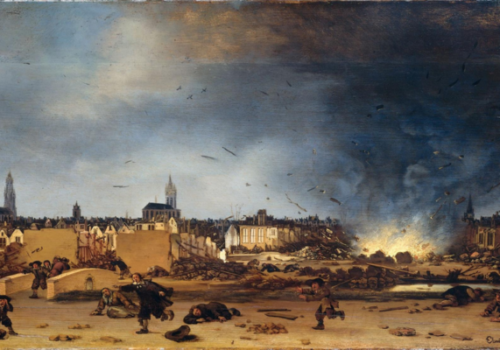
Since the start of the Eighty Years’ War, the Dutch army kept central stores of gunpowder within the city walls of Delft. In the late morning of October 12, 1654, the city was rocked by a massive explosion in the Doelenkwartier, between Geerweg and Doelstraat in the northeast section of the city.
In 1585, the Dutch pledged Vlissingen to England for a loan. After regaining it, residents—including English soldiers—launched a 1616 Amazon colony. They prospered briefly through Indigenous alliances and trade, but Portuguese aggression forced the settlers to abandon the venture and return home.
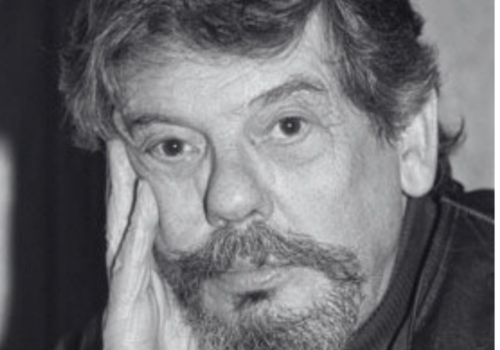
Janwillem van de Wetering (1931–2008) was a Dutch-born novelist and Zen memoirist known for his Amsterdam police detective series and philosophical writings inspired by Zen Buddhism and international experiences.
By 1663, fears of an English invasion gripped New Netherland. Peter Stuyvesant convened rare assemblies to plan defense, but the colony remained divided—villages refused aid, officials prioritized self-protection, and colonists, frustrated by neglect, threatened allegiance to another government for safety.
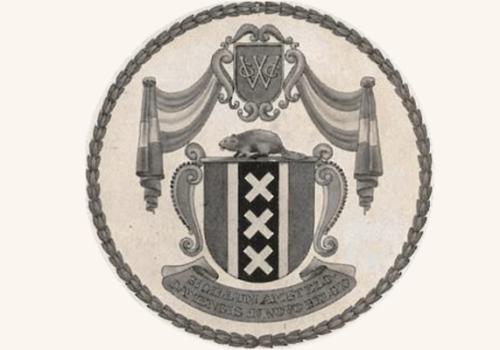
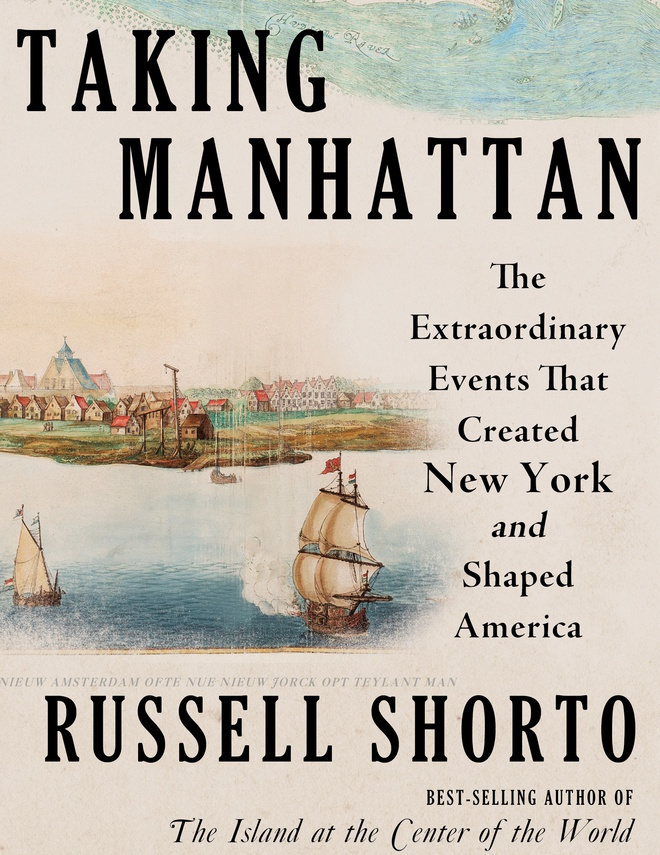
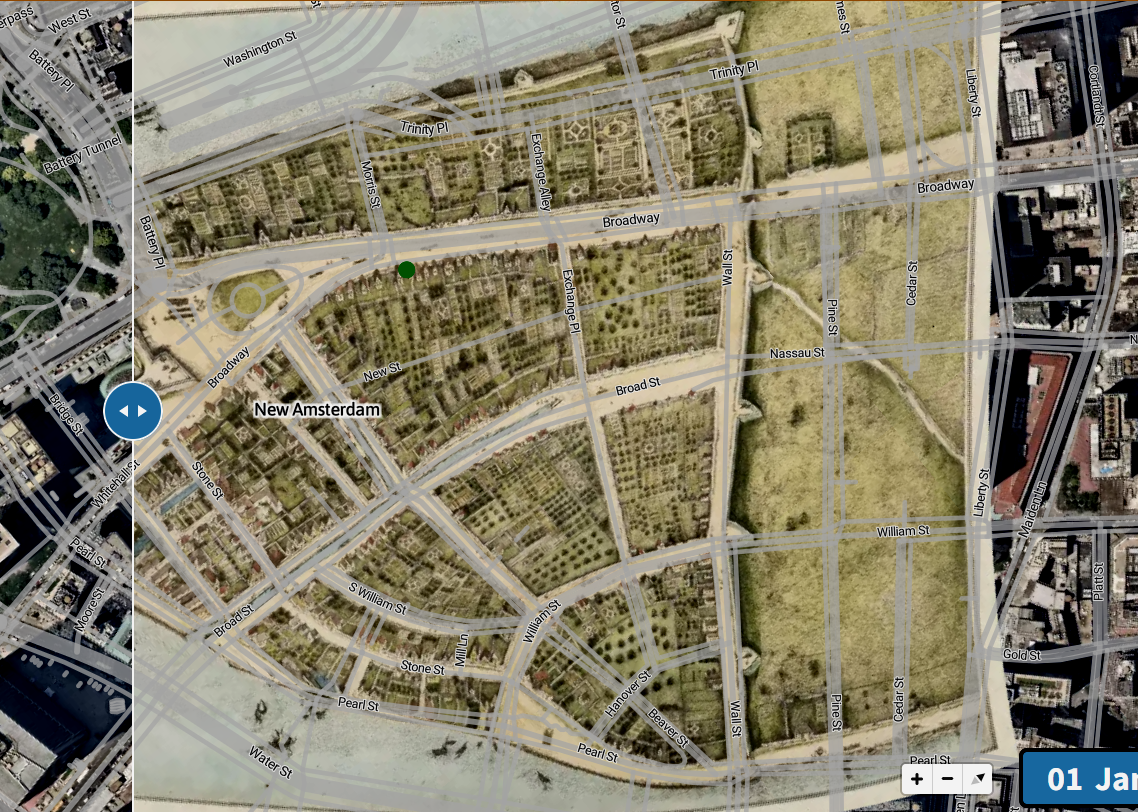
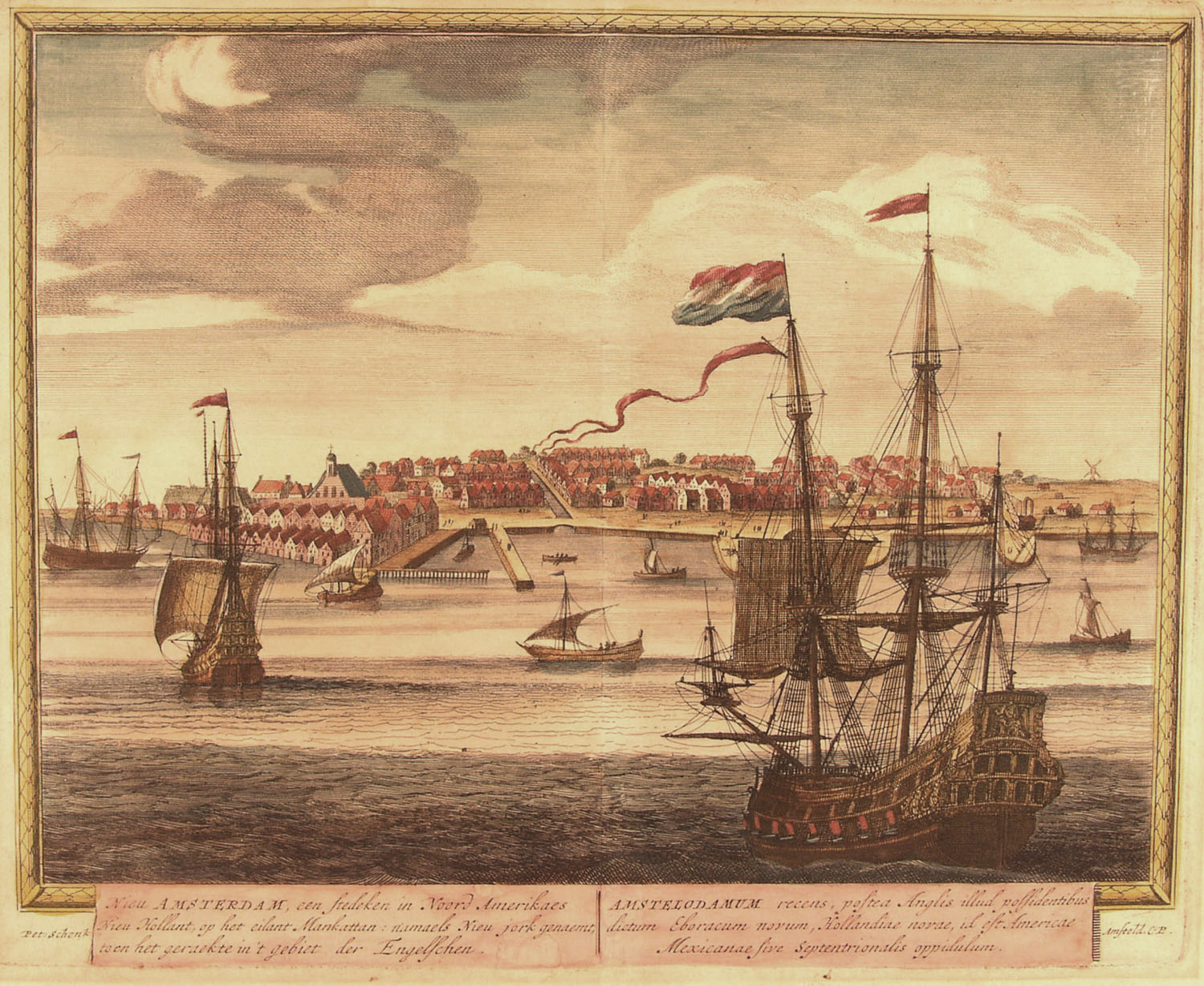
For readers of the Marcurius there’s probably only one association evoked by the name “New Amsterdam,” and that’s “Nieuw Amsterdam,” the Dutch settlement that became New York City. Although the name has not been in official use for more than three centuries, since the English took over the Dutch city, for some reason it seems to have created a strong emotional response, for there were and are quite a lot of other New Amsterdams in various guises all over the world. Here are a few.
Scholars beyond the undergraduate level and actively working on a thesis, dissertation, or scholarly article are invited to apply.
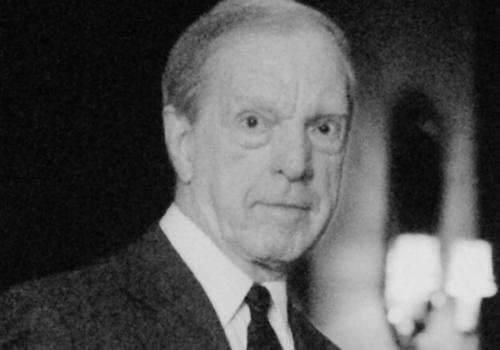
Charles Warner Wendell (1930–2015) was an American professor, historian, and genealogist whose scholarship and leadership helped advance the study of Dutch American history through organizations such as the Holland Society and the New Netherland Institute.