

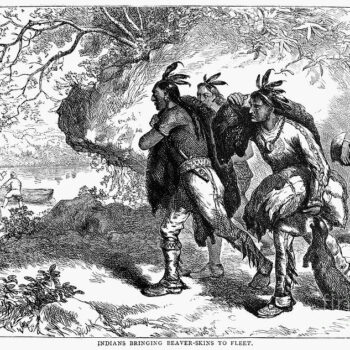
Historian James Axtell noted Europeans met Native defenders. Dutch ambitions in the fur trade led to uneasy partnerships with Native peoples—marked by compromise, conflict, and survival as colonial life took root.
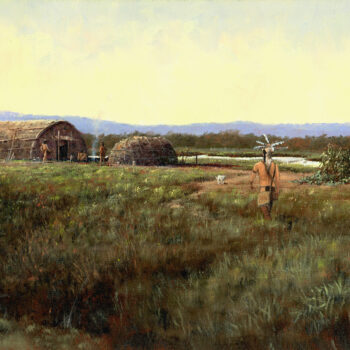
Pap-scan-ee, L.F. TantilloAn artistic rendering of a Mahican encampment on the east bank of the Hudson River, circa 1600. It is based on archaeological excavations...
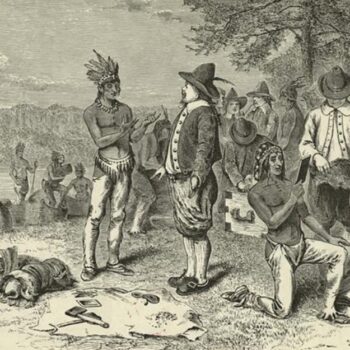
The first encounter between the Dutch and the Indigenous peoples shaped lasting impressions—marked by curiosity, cautious exchange, and cultural contrast—laying the foundation for a complex relationship of trade, diplomacy, and eventual conflict.
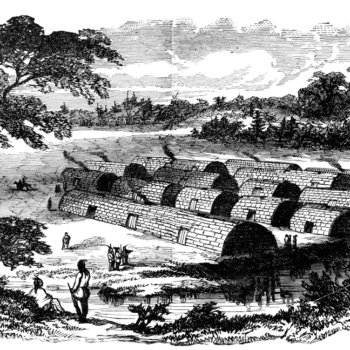
The Hudson Valley’s natural beauty and abundance captivated all who encountered it—from Native peoples sustained by its waters and woods to Dutch traders and, later, artists drawn to its dramatic seasons and landscapes.
Beginning with the 1626 purchase of Manhattan, the Dutch acquired Native lands essential to New Netherland’s success. Land sales expanded as beaver declined, with exchanges largely fair and mutually understood by both parties.
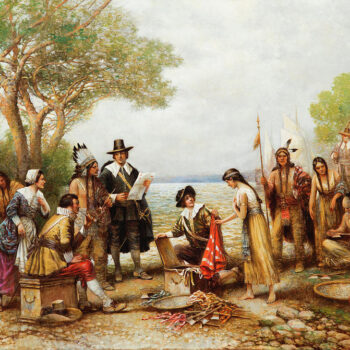
Despite early peaceful relations, disease cast a long shadow over Dutch-Native contact. Epidemics like smallpox, typhus, and measles devastated Indigenous communities, causing staggering mortality, leadership loss, and deep disruption of cultural and kinship ties.
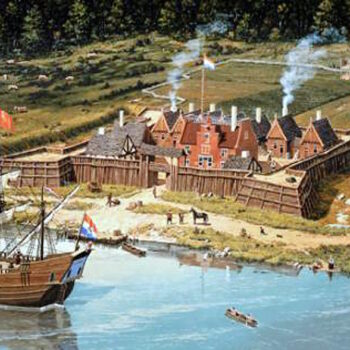
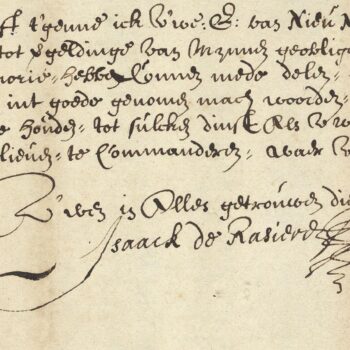
Wampum, from the Massachusett word wampumpeag, meaning white beads, was known to the Dutch as sewant, derived from Delaware and Munsee terms. It became central to trade, diplomacy, and cultural exchange in New Netherland.
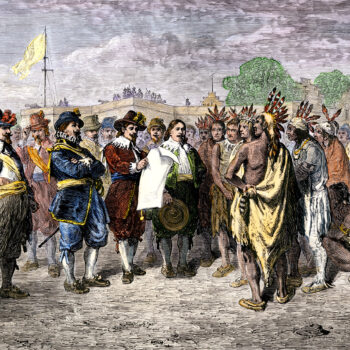
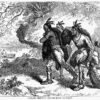
Conflict erupted in 1626 when Dutch troops joined the Mahicans against the Mohawks, sparking cycles of warfare driven by old rivalries, expanding settlements, and competition over fur-rich territory—culminating in the brutal Beaver Wars.
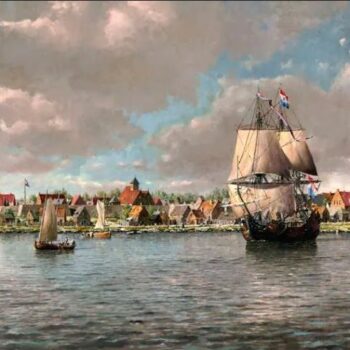
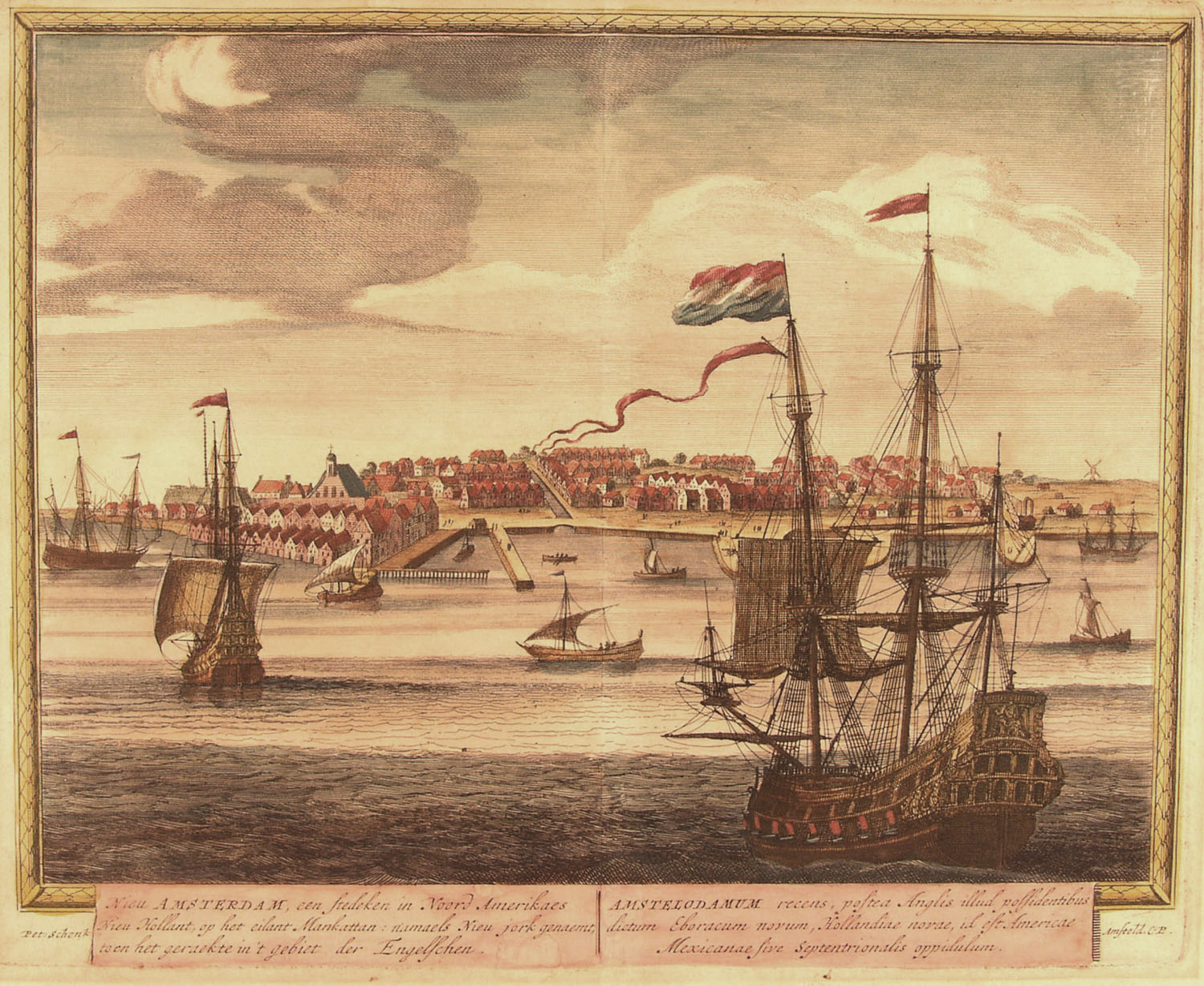
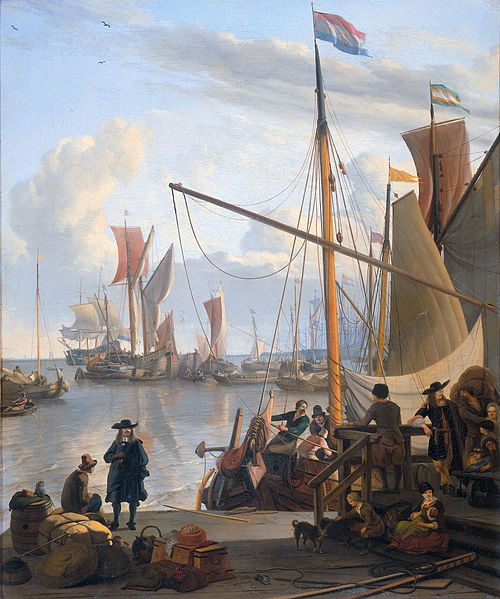
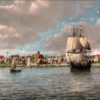
The St. Pieter, sailing out of Amsterdam in 1611, was the first ship whose mission was to engage in the fur trade, engendered by the fashion in Europe to wear hats made of felted beaver fur.
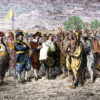
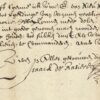
In 1664, Dutch rule ended as New Netherland passed to the English. Peace treaties promised continued trade and justice, but Native peoples now faced new colonial powers—and, eventually, war, displacement, and upheaval.