

Christian Koot, author of "A Biography of a Map in Motion: Augustine Herman’s Chesapeake "(2017), and Deborah Hamer discuss how maps were made, what was distinct about the Dutch tradition of mapping, and how maps were much more than neutral depictions of borders and terrain.

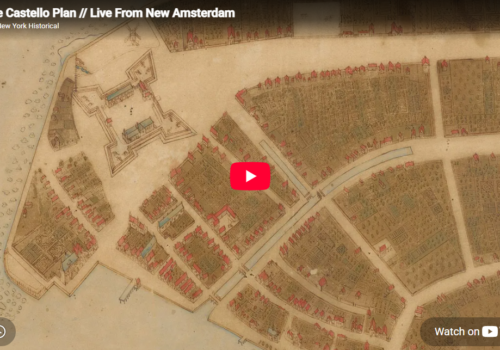
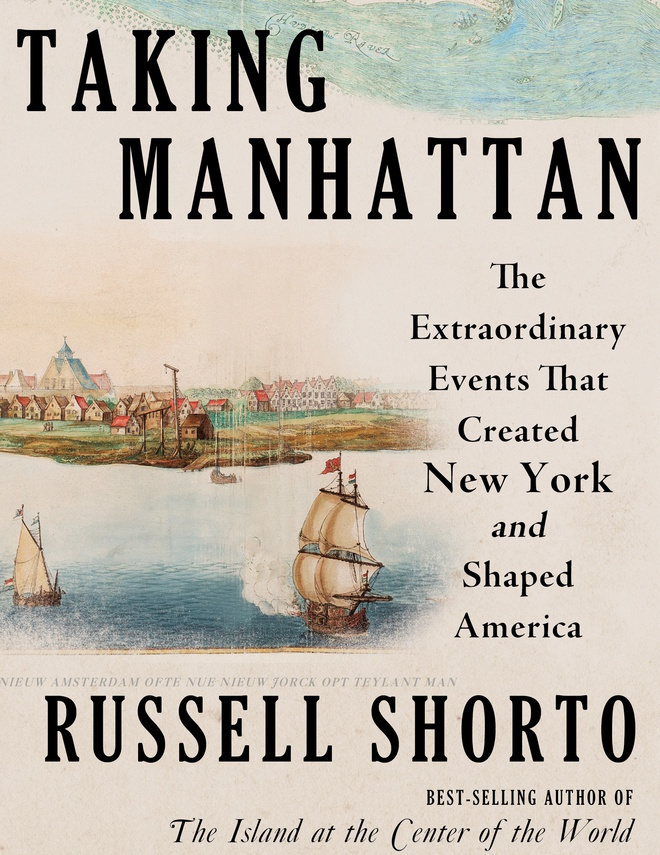
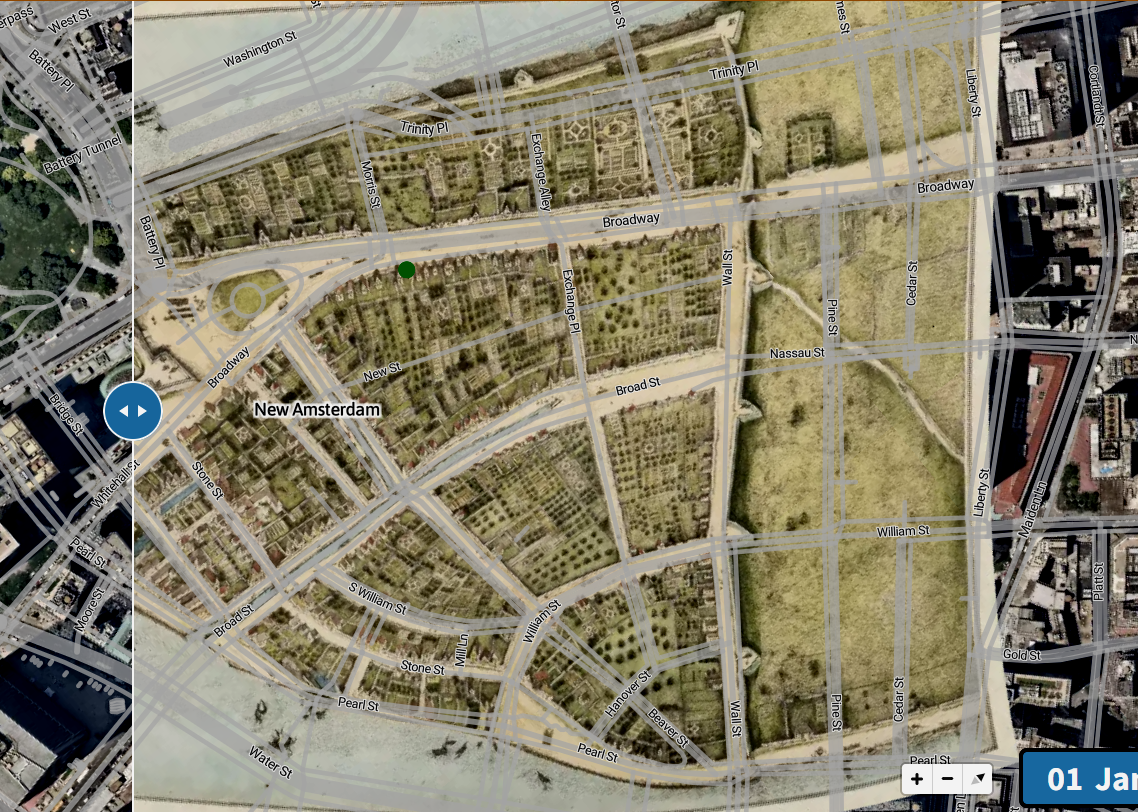
Russell Shorto, curator of "New York Before New York: The Castello Plan of New Amsterdam," and Deborah Hamer, Director of the New Netherland Institute, take a closer look at life in New Amsterdam through the Castello Plan.
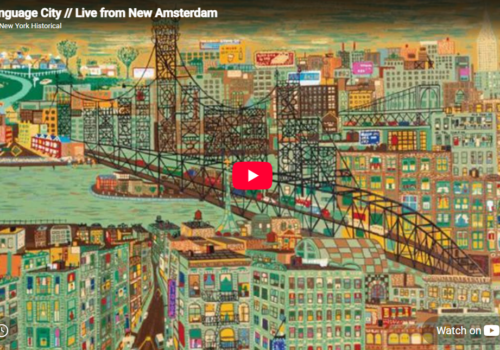
Four centuries ago, what had been a Lenape-speaking archipelago suddenly became New Amsterdam—a crossroads of Native American, European, and African cultures. Here, 18 languages were reported as being spoken within the first few decades, and the number is likely far greater.
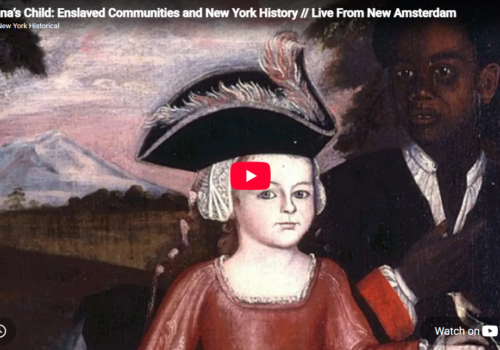
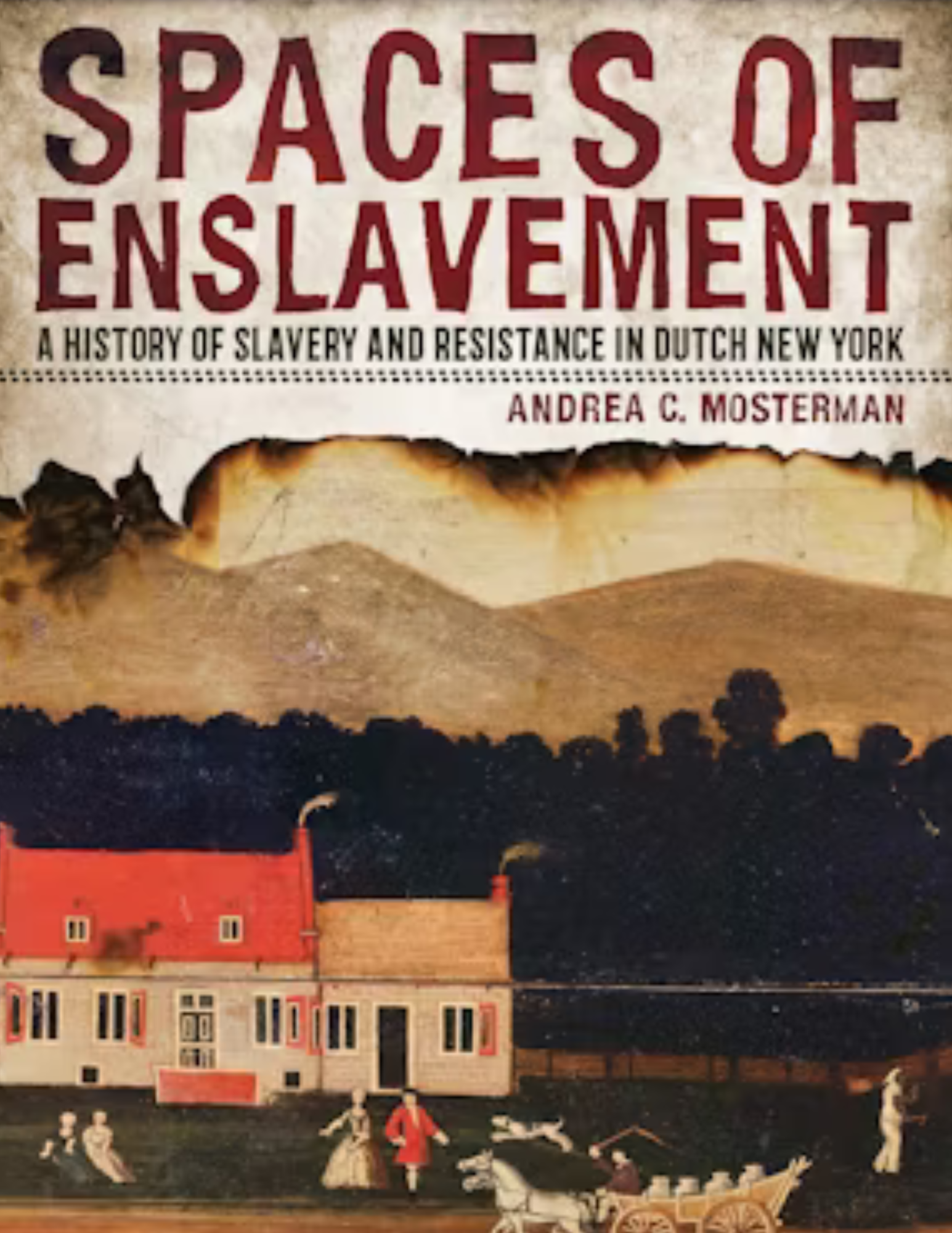
Slavery, race, community, and family were vital to the history and development of colonial New Amsterdam and New York. Examining familial and community networks of diverse women, especially enslaved women, reveals multiracial and dynamic connections among ordinary people who shaped the trajectory of the city’s history.
What happened to Dutch traders and leaders in New Netherland after they surrendered to the British in 1664? Dutch colonists were able to maintain regional power based on the relationships that they had built with Indigenous nations in the previous decades.
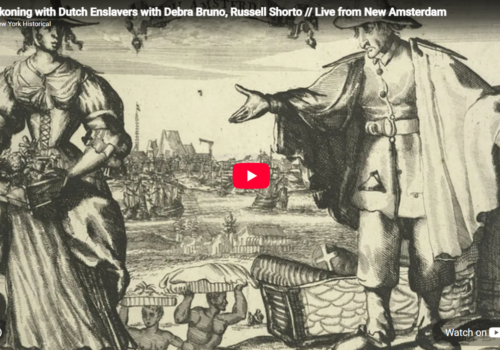
After journalist Debra Bruno discovered that her Dutch ancestors were enslavers, she contacted the descendants of the people her family enslaved. Would connecting with the descendants bring anyone healing? She described the details of her journey for the Washington Post Magazine in 2020. Bruno joins writer Russell Shorto to talk about her archival research and record finding, what it meant to publish her family history, and how she’s turning it all into a book.
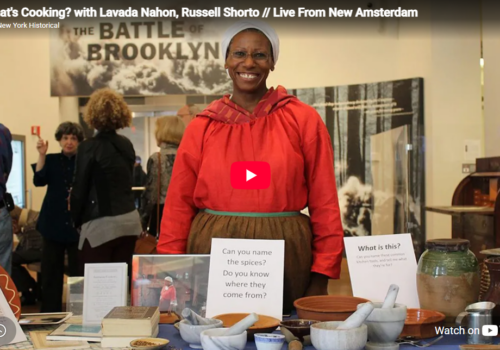
What did people in New Amsterdam eat? Africans, Native Americans, and a range of Europeans relied on many of the same ingredients but used them in different ways. Watch this conversation with culinary historian Lavada Nahon and writer Russell Shorto about the history of these foodways in New Amsterdam and the legacies they left behind.
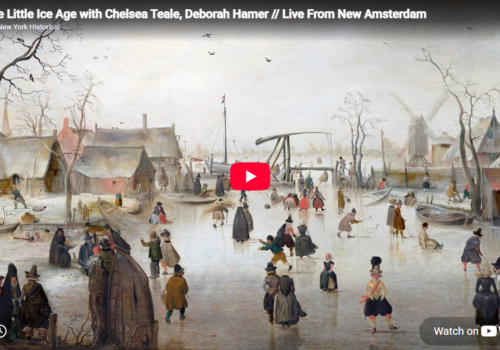
Marked by periods of regional cooling in the North Atlantic extending from the 16th to 18th centuries, the Little Ice Age presented challenges to Dutch colonists living in New Netherland. Research shows weather during the Little Ice Age was irregular with sometimes harsh winters, dry growing seasons, floods, and failed harvests. But there were also many years without a noteworthy climate event.
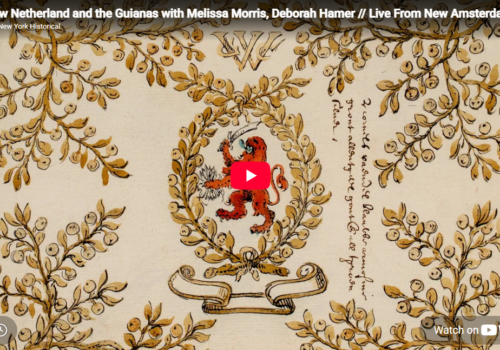
The Dutch West India Company established colonies in these distant and distinct regions, yet their plans for them were surprisingly similar. Melissa Morris and Deborah Hamer will discuss how Dutch colonialism in the Guianas shaped expectations, attitudes, and activities in New Netherland
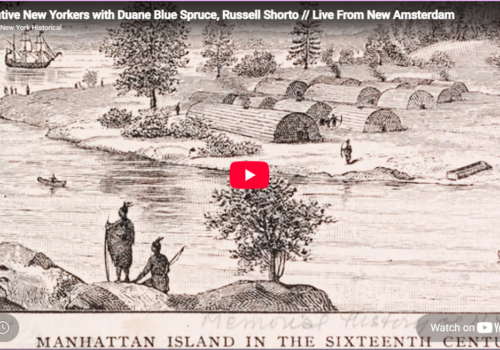
Watch this conversation about the experiences of the Native American peoples who, in the 17th century, lived in the area that would become New York City. For centuries before European colonists landed in North America, Native Americans farmed, fished, and hunted on Mannahatta and traded with other people along the waterways.
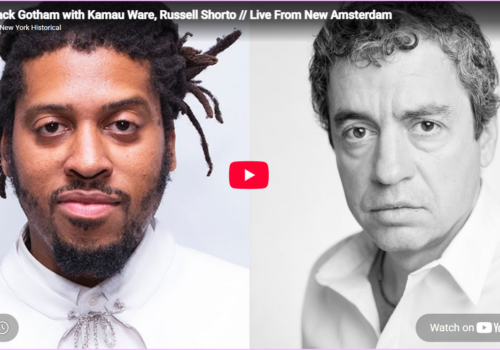
Watch a conversation about the experiences of the Black communities who lived and worked in New Amsterdam in the 17th century—and who ultimately changed the city. Under Dutch colonial rule, enslaved Black people in Manhattan lived alongside free and “half-free” Black people who sometimes owned land and property and had legal rights.
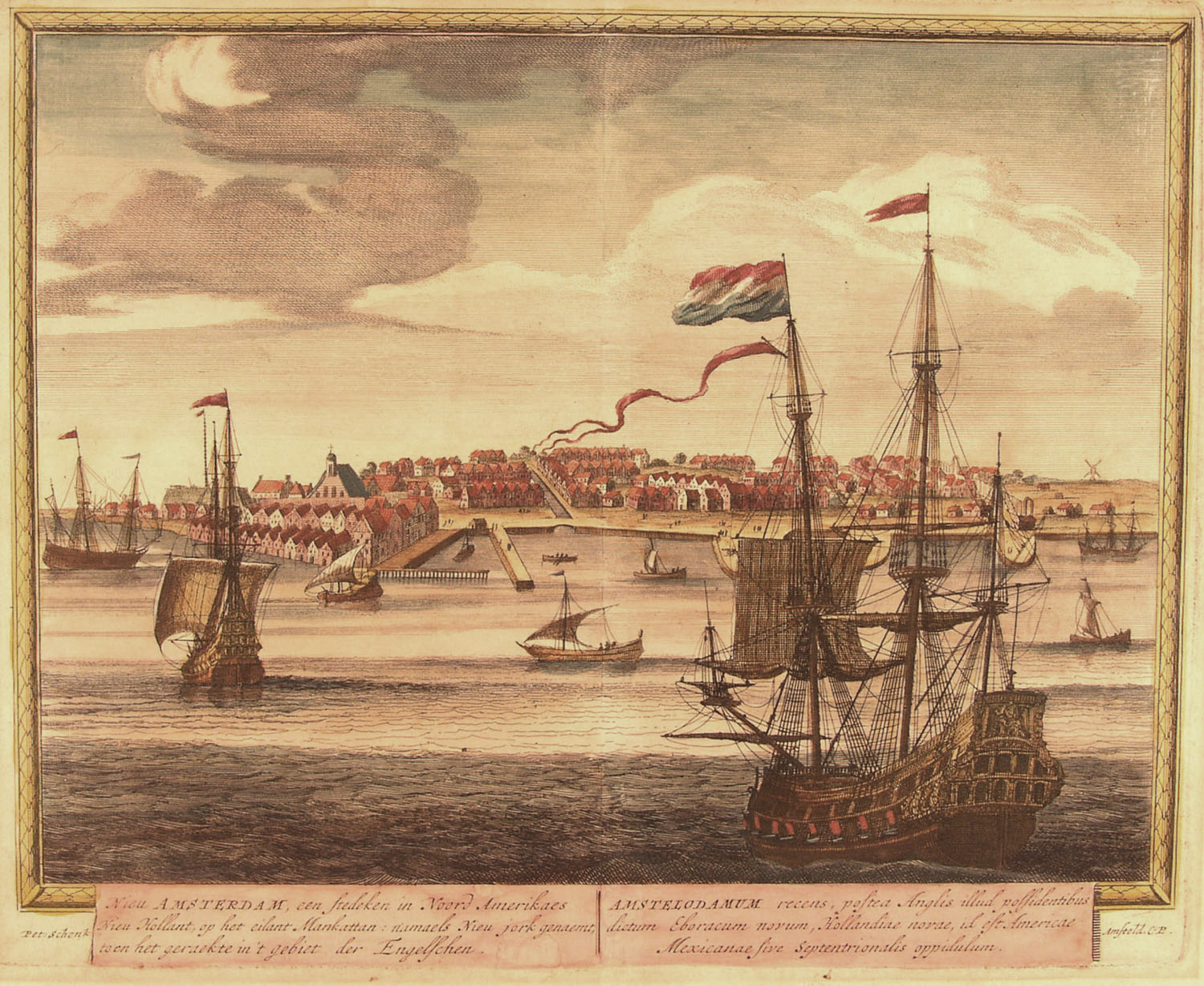
When the Dutch founded the city of New Amsterdam, at the tip of Manhattan Island, they brought three elements that would shape the city of New York: tolerance, trade, and water management. Four hundred years later, these issues are confounding the modern world.
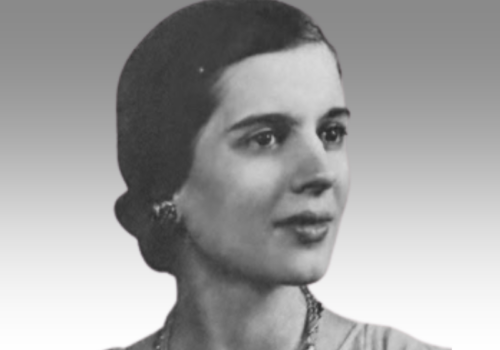
Alice P. Kenney, associate professor of history at Cedar Crest College, Allentown, Pennsylvania, was one of the early scholars keenly interested in the Dutch-American experience.
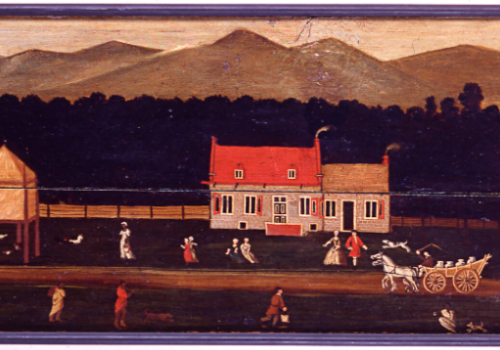
The New Netherland Institute announces a new research resource that focuses on enslavement in
the New Netherland Colony and Early New York.
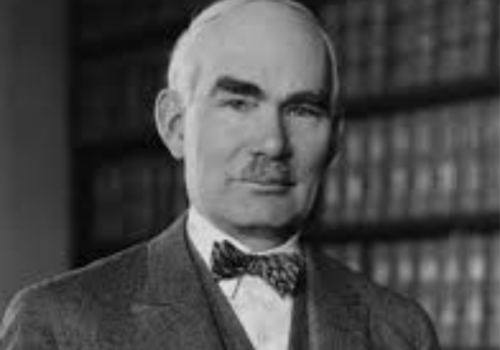
Lee de Forest (1873–1961) was an American inventor whose 1906 creation of the Audion vacuum tube revolutionized radio and helped launch the electronic age. A Yale-trained physicist, he also pioneered sound-on-film technology, later earning an Academy Award for his contribution.
The law did not immediately free any enslaved people. Instead, it guaranteed that children born to enslaved mothers after July 4, 1799 would be technically free but continue to live under their mother’s enslavers as indentured servants until they reached the age of 28 for males or 25 for females.

Christian Koot, author of "A Biography of a Map in Motion: Augustine Herman’s Chesapeake "(2017), and Deborah Hamer discuss how maps were made, what was distinct about the Dutch tradition of mapping, and how maps were much more than neutral depictions of borders and terrain.
Russell Shorto, curator of "New York Before New York: The Castello Plan of New Amsterdam," and Deborah Hamer, Director of the New Netherland Institute, take a closer look at life in New Amsterdam through the Castello Plan.

Four centuries ago, what had been a Lenape-speaking archipelago suddenly became New Amsterdam—a crossroads of Native American, European, and African cultures. Here, 18 languages were reported as being spoken within the first few decades, and the number is likely far greater.
Slavery, race, community, and family were vital to the history and development of colonial New Amsterdam and New York. Examining familial and community networks of diverse women, especially enslaved women, reveals multiracial and dynamic connections among ordinary people who shaped the trajectory of the city’s history.
What happened to Dutch traders and leaders in New Netherland after they surrendered to the British in 1664? Dutch colonists were able to maintain regional power based on the relationships that they had built with Indigenous nations in the previous decades.
After journalist Debra Bruno discovered that her Dutch ancestors were enslavers, she contacted the descendants of the people her family enslaved. Would connecting with the descendants bring anyone healing? She described the details of her journey for the Washington Post Magazine in 2020. Bruno joins writer Russell Shorto to talk about her archival research and record finding, what it meant to publish her family history, and how she’s turning it all into a book.
What did people in New Amsterdam eat? Africans, Native Americans, and a range of Europeans relied on many of the same ingredients but used them in different ways. Watch this conversation with culinary historian Lavada Nahon and writer Russell Shorto about the history of these foodways in New Amsterdam and the legacies they left behind.

Marked by periods of regional cooling in the North Atlantic extending from the 16th to 18th centuries, the Little Ice Age presented challenges to Dutch colonists living in New Netherland. Research shows weather during the Little Ice Age was irregular with sometimes harsh winters, dry growing seasons, floods, and failed harvests. But there were also many years without a noteworthy climate event.
The Dutch West India Company established colonies in these distant and distinct regions, yet their plans for them were surprisingly similar. Melissa Morris and Deborah Hamer will discuss how Dutch colonialism in the Guianas shaped expectations, attitudes, and activities in New Netherland
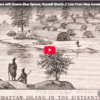
Watch this conversation about the experiences of the Native American peoples who, in the 17th century, lived in the area that would become New York City. For centuries before European colonists landed in North America, Native Americans farmed, fished, and hunted on Mannahatta and traded with other people along the waterways.

Watch a conversation about the experiences of the Black communities who lived and worked in New Amsterdam in the 17th century—and who ultimately changed the city. Under Dutch colonial rule, enslaved Black people in Manhattan lived alongside free and “half-free” Black people who sometimes owned land and property and had legal rights.
When the Dutch founded the city of New Amsterdam, at the tip of Manhattan Island, they brought three elements that would shape the city of New York: tolerance, trade, and water management. Four hundred years later, these issues are confounding the modern world.

Alice P. Kenney, associate professor of history at Cedar Crest College, Allentown, Pennsylvania, was one of the early scholars keenly interested in the Dutch-American experience.
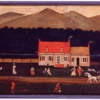
The New Netherland Institute announces a new research resource that focuses on enslavement in
the New Netherland Colony and Early New York.
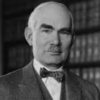
Lee de Forest (1873–1961) was an American inventor whose 1906 creation of the Audion vacuum tube revolutionized radio and helped launch the electronic age. A Yale-trained physicist, he also pioneered sound-on-film technology, later earning an Academy Award for his contribution.
The law did not immediately free any enslaved people. Instead, it guaranteed that children born to enslaved mothers after July 4, 1799 would be technically free but continue to live under their mother’s enslavers as indentured servants until they reached the age of 28 for males or 25 for females.