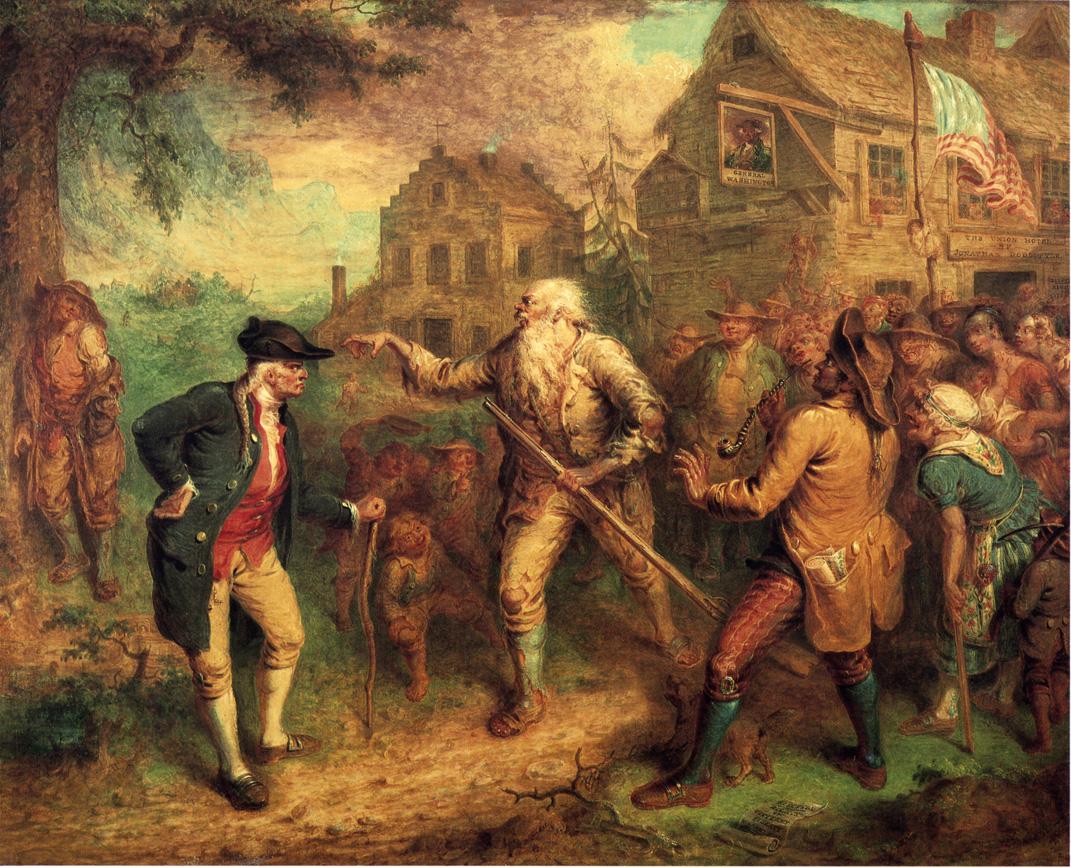


Few names are as synonymous with the Hudson Valley as Washington Irving, but few know that he grew up steeped in Dutch history. Join Russell Shorto as he speaks with Dr. Elisabeth Paling Funk about her new book The Dutch World of Washington Irving.

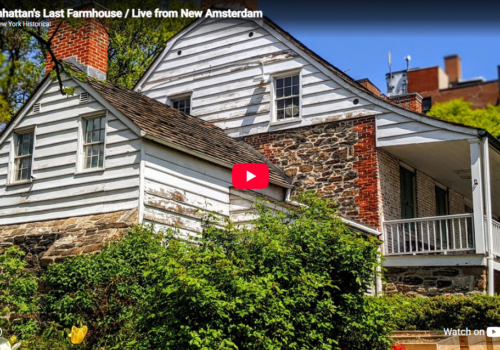
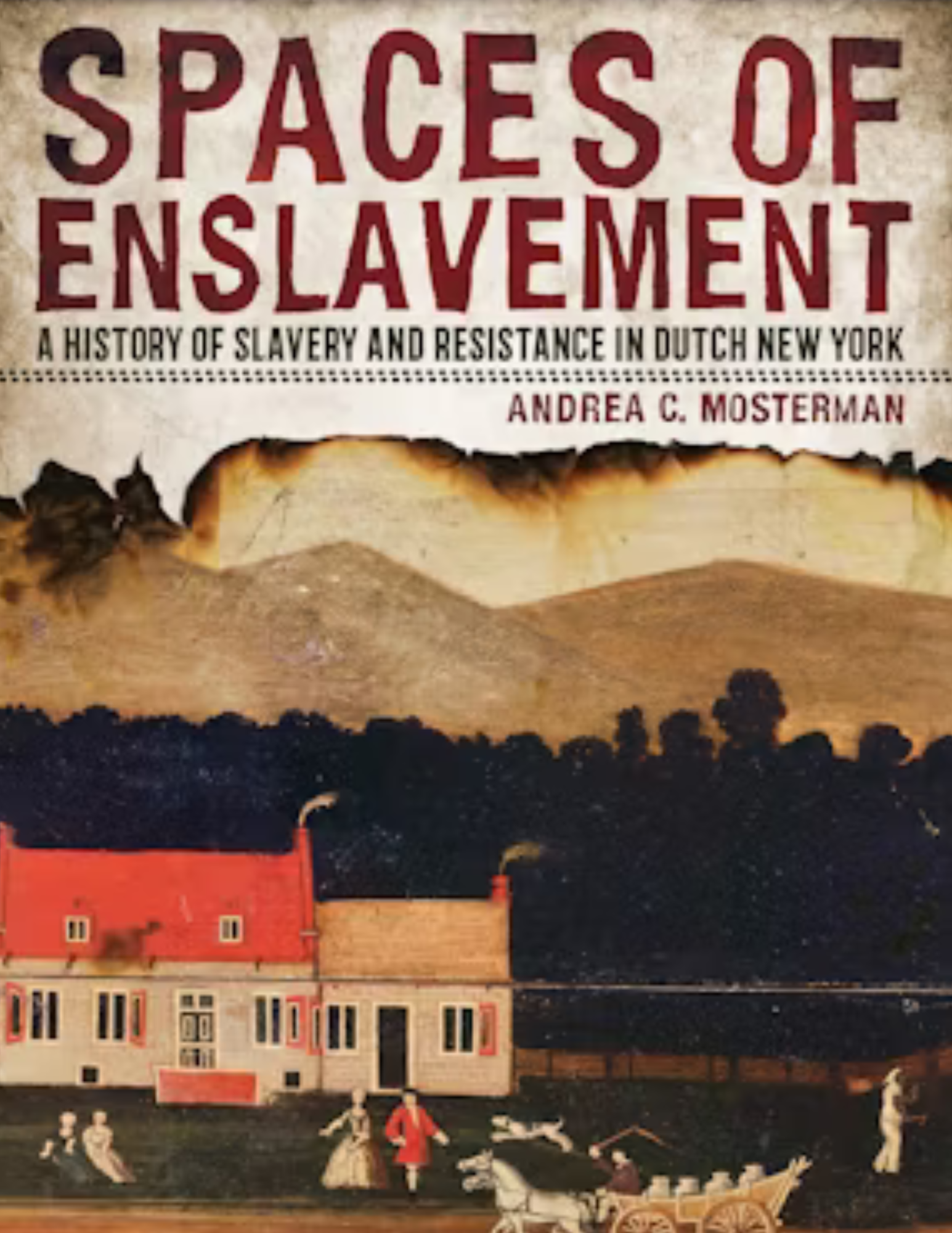
When the Dyckman Farmhouse was built in 1784, the area around it was farmland. Now, it sits at the bustling corner of Broadway and 204th Street in Inwood. Join Deborah Hamer as she talks to Melissa Kiewiet, the executive director of the Dyckman Farmhouse Museum Alliance about the history of the house, the new work being done to reveal more about the enslaved people who labored in the house, and how the house has become an important contemporary exhibition space.
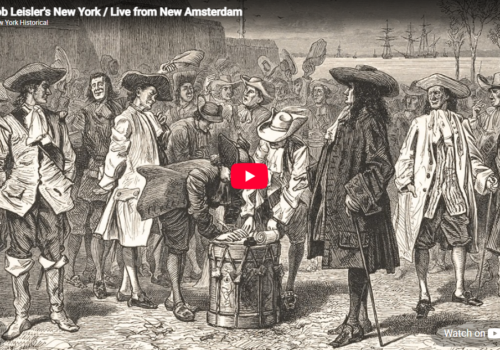
In 1689, New York merchant Jacob Leisler led a rebellion against King James in New Amsterdam. Leisler’s remarkable, ill-fated administration, from 1689 to 1691, is central to understanding New York’s pre-Revolutionary political, economic, and cultural life. Join Russell Shorto as he chats with David William Voorhees, director of the Jacob Leisler Institute for the Study of Early New York History, about the rebellion, and how developments from that era are still felt today.
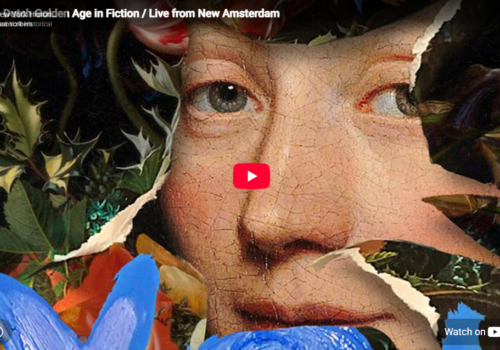
Novelists have long found the Dutch Golden Age a setting and source of inspiration. Join Russell Shorto as he talks to Victoria Redel about her new novel I Am You. The book follows the intertwined lives of Maria van Oosterwijck, renowned today for her gorgeous still life paintings, and her servant, Gerta Pieters. Find out what drew Redel to the period and how she makes us see it in a new way.
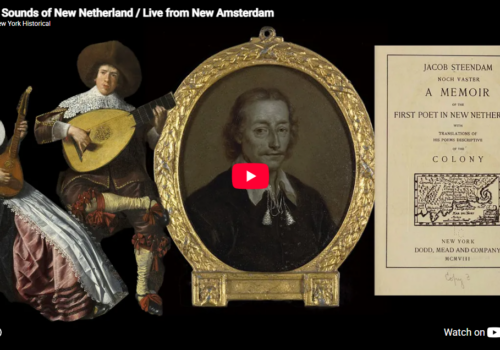
Jacob Steendam was one of the first poets of Colonial America. Join Deborah Hamer as she talks to Dr. Danny Noorlander about Steendam's poetry, his experiences in Africa before he arrived in New Netherland, and how studying music, poetry, and sound can add to our knowledge of the Dutch Atlantic World.
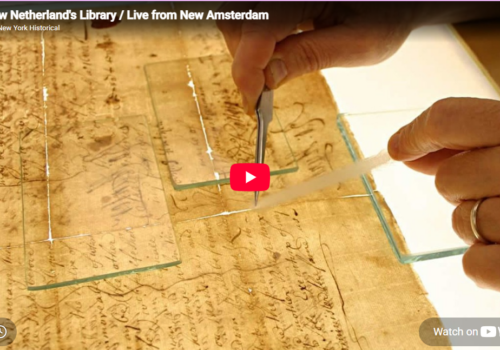
We often talk about New Netherland's records at the New York State Archives in Albany. But did you know that the New York State Library also has an extremely large collection of Dutch documents? Join New Netherland Institute Director Deborah Hamer as she talks to Lauren Moore, the New York State Librarian, and Elizabeth Jakubowski, Associate Librarian of NYS Library’s Special Collections.
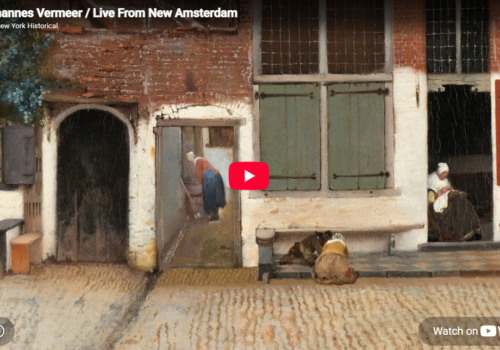
In his new biography, Vermeer: A Life Lost and Found (Norton, 2026), Andrew Graham-Dixon offers a startling new perspective on one of history’s most beloved artists. Join Russell Shorto as he talks to Graham-Dixon about Vermeer's unique milieu and recounts the detective work that led him to unravel these mysterious paintings.
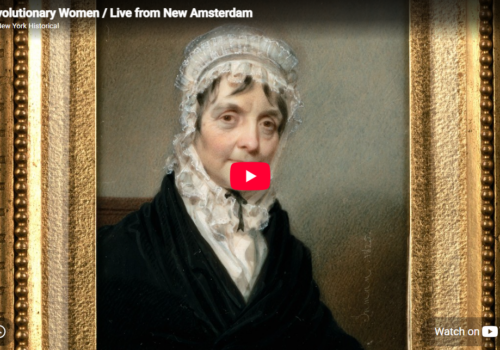
Histories of the Revolutionary War usually focus on men, but women played an important part in the war, too. Join New Netherland Institute director Deborah Hamer as she talks to Dr. Anna Danziger Halperin, Director of the Center for Women's History at New York Historical, about the new exhibition Revolutionary Women (opening May 29) Learn more about what women did during the American Revolution and how New York's women coped with the British occupation.
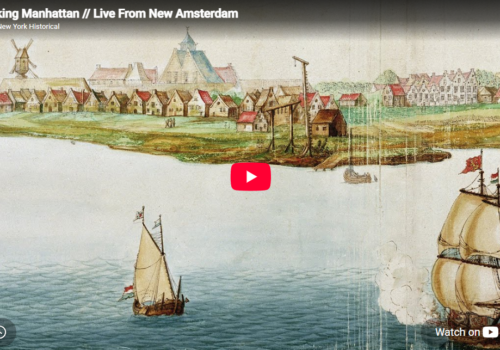
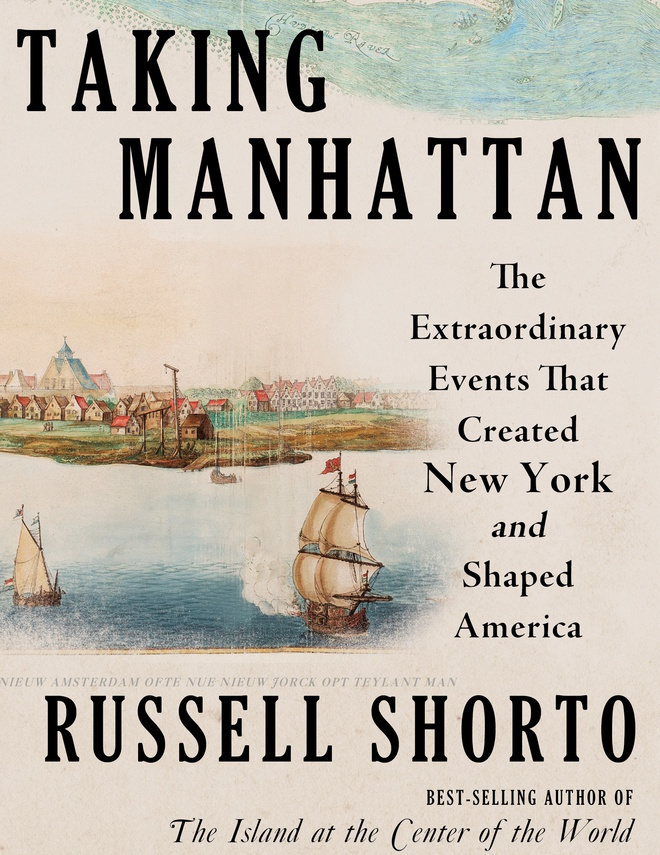
NNI director Deborah Hamer talks to Russell Shorto, director of the New Amsterdam Project at The New York Historical and senior scholar at the NNI, about his book "Taking Manhattan: The Extraordinary Events Created New York and Shaped America."
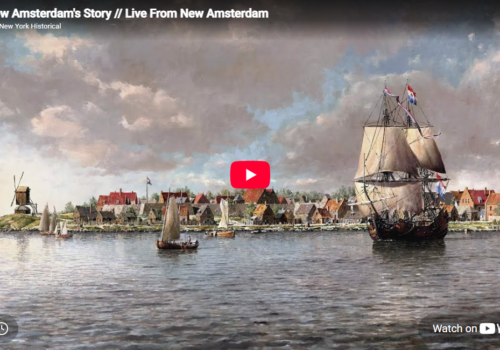
Russell Shorto, author and Director of the New Amsterdam Project, and Allyson Schettino, Director of Curriculum and Instruction, explore how we share New Amsterdam's legacy with the public through education, primary sources, and stories.
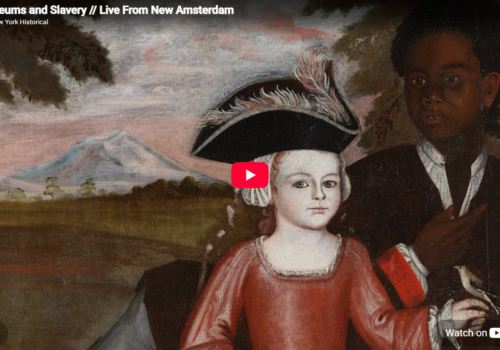
Deborah Hamer, the director of the New Netherland Institute in Albany, New York, talks to Sarah Mallory, the Annette and Oscar de la Renta Assistant Curator of Drawings and Prints at the Morgan Library & Museum, about Mallory’s new edited volume, a collection of essays titled "Art Museums and the Legacies of the Dutch Atlantic Slave trade: Curating Histories, Envisioning Futures."
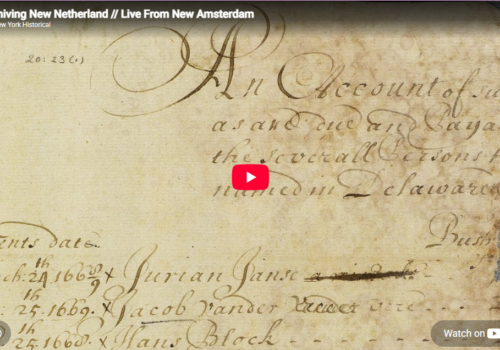
NNI director Deborah Hamer talks to Tom Ruller, the former New York State Archivist, about the archives of New Netherland, how the State Archive has preserved these records, and what they have done and continue to do to make these records accessible to the public.
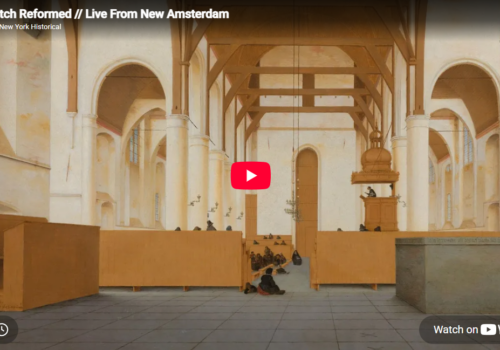
Deborah Hamer, Director of the New Netherland Institute, speaks with historian and historical translator Dirk Mouw on his research, the early congregations and religious life in New Amsterdam, and the continuing legacy of the church, now known as the Reformed Church in America.
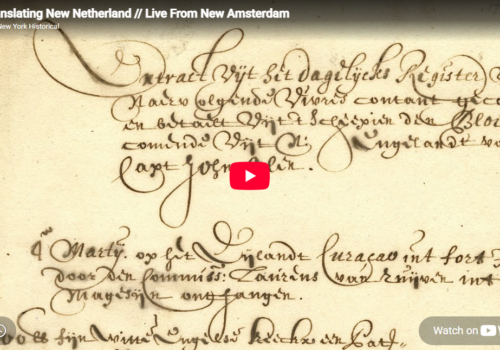
Scholar Jaap Jacobs, currently working on a Society of Daughters of Holland Dames funded translation project, joins Russell Shorto to talk about the work of translating these documents, new information yet to be uncovered, as well as Petrus Stuyvesant, who Jacobs is researching for his upcoming biography.
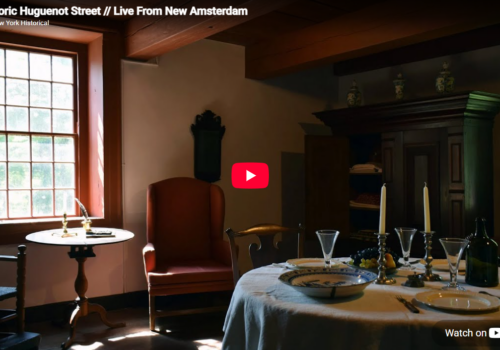
Deborah Hamer, Director of the New Netherland Institute, and Josephine Bloodgood, Director of Curatorial and Preservation Affairs at HHS, explore some of the exciting discoveries made through digitization of the community’s earliest documents.
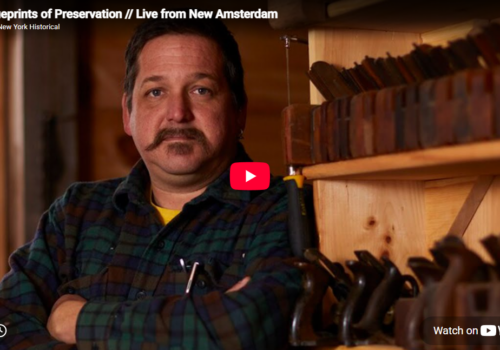
Ian Stewart, owner of New Netherland Timber Framing and Preservation, and Russell Shorto, director of the New Amsterdam Project, discuss Ian's 20+ year career working on historic buildings and heritage sites. From Dutch barns to 17th-century homes, discover how we are still preserving New Netherland's architecture all across the country—even in Texas!

Few names are as synonymous with the Hudson Valley as Washington Irving, but few know that he grew up steeped in Dutch history. Join Russell Shorto as he speaks with Dr. Elisabeth Paling Funk about her new book The Dutch World of Washington Irving.

When the Dyckman Farmhouse was built in 1784, the area around it was farmland. Now, it sits at the bustling corner of Broadway and 204th Street in Inwood. Join Deborah Hamer as she talks to Melissa Kiewiet, the executive director of the Dyckman Farmhouse Museum Alliance about the history of the house, the new work being done to reveal more about the enslaved people who labored in the house, and how the house has become an important contemporary exhibition space.

In 1689, New York merchant Jacob Leisler led a rebellion against King James in New Amsterdam. Leisler’s remarkable, ill-fated administration, from 1689 to 1691, is central to understanding New York’s pre-Revolutionary political, economic, and cultural life. Join Russell Shorto as he chats with David William Voorhees, director of the Jacob Leisler Institute for the Study of Early New York History, about the rebellion, and how developments from that era are still felt today.

Novelists have long found the Dutch Golden Age a setting and source of inspiration. Join Russell Shorto as he talks to Victoria Redel about her new novel I Am You. The book follows the intertwined lives of Maria van Oosterwijck, renowned today for her gorgeous still life paintings, and her servant, Gerta Pieters. Find out what drew Redel to the period and how she makes us see it in a new way.

Jacob Steendam was one of the first poets of Colonial America. Join Deborah Hamer as she talks to Dr. Danny Noorlander about Steendam's poetry, his experiences in Africa before he arrived in New Netherland, and how studying music, poetry, and sound can add to our knowledge of the Dutch Atlantic World.

We often talk about New Netherland's records at the New York State Archives in Albany. But did you know that the New York State Library also has an extremely large collection of Dutch documents? Join New Netherland Institute Director Deborah Hamer as she talks to Lauren Moore, the New York State Librarian, and Elizabeth Jakubowski, Associate Librarian of NYS Library’s Special Collections.

In his new biography, Vermeer: A Life Lost and Found (Norton, 2026), Andrew Graham-Dixon offers a startling new perspective on one of history’s most beloved artists. Join Russell Shorto as he talks to Graham-Dixon about Vermeer's unique milieu and recounts the detective work that led him to unravel these mysterious paintings.

Histories of the Revolutionary War usually focus on men, but women played an important part in the war, too. Join New Netherland Institute director Deborah Hamer as she talks to Dr. Anna Danziger Halperin, Director of the Center for Women's History at New York Historical, about the new exhibition Revolutionary Women (opening May 29) Learn more about what women did during the American Revolution and how New York's women coped with the British occupation.

NNI director Deborah Hamer talks to Russell Shorto, director of the New Amsterdam Project at The New York Historical and senior scholar at the NNI, about his book "Taking Manhattan: The Extraordinary Events Created New York and Shaped America."

Russell Shorto, author and Director of the New Amsterdam Project, and Allyson Schettino, Director of Curriculum and Instruction, explore how we share New Amsterdam's legacy with the public through education, primary sources, and stories.

Deborah Hamer, the director of the New Netherland Institute in Albany, New York, talks to Sarah Mallory, the Annette and Oscar de la Renta Assistant Curator of Drawings and Prints at the Morgan Library & Museum, about Mallory’s new edited volume, a collection of essays titled "Art Museums and the Legacies of the Dutch Atlantic Slave trade: Curating Histories, Envisioning Futures."

NNI director Deborah Hamer talks to Tom Ruller, the former New York State Archivist, about the archives of New Netherland, how the State Archive has preserved these records, and what they have done and continue to do to make these records accessible to the public.

Deborah Hamer, Director of the New Netherland Institute, speaks with historian and historical translator Dirk Mouw on his research, the early congregations and religious life in New Amsterdam, and the continuing legacy of the church, now known as the Reformed Church in America.

Scholar Jaap Jacobs, currently working on a Society of Daughters of Holland Dames funded translation project, joins Russell Shorto to talk about the work of translating these documents, new information yet to be uncovered, as well as Petrus Stuyvesant, who Jacobs is researching for his upcoming biography.

Deborah Hamer, Director of the New Netherland Institute, and Josephine Bloodgood, Director of Curatorial and Preservation Affairs at HHS, explore some of the exciting discoveries made through digitization of the community’s earliest documents.

Ian Stewart, owner of New Netherland Timber Framing and Preservation, and Russell Shorto, director of the New Amsterdam Project, discuss Ian's 20+ year career working on historic buildings and heritage sites. From Dutch barns to 17th-century homes, discover how we are still preserving New Netherland's architecture all across the country—even in Texas!