
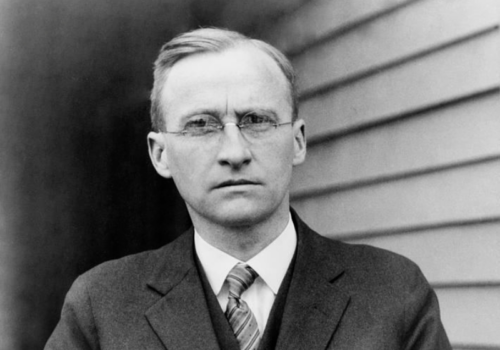
George David Birkhoff was a leading American mathematician, renowned for foundational work in dynamical systems and the ergodic theorem, and a longtime Harvard professor influential in twentieth-century mathematics.

Lodewijk van den Berg was a Dutch-American payload specialist who flew aboard Spacelab-3 in 1985, spending 168 hours in space, selected as a scientist turned astronaut for efficiency by NASA.
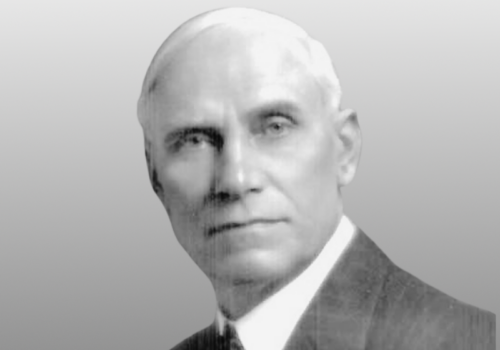
Martin Bekins founded Bekins Van Lines in Sioux City, Iowa, in 1891, leading its early growth as chief executive into a major North American and international moving company today worldwide.
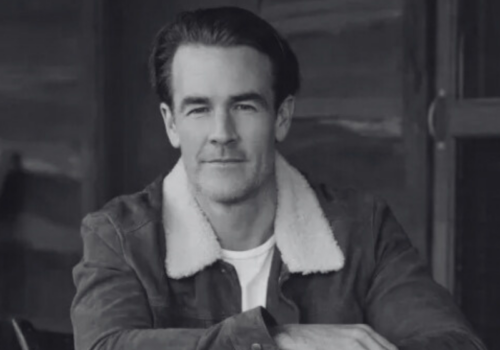
James Van Der Beek is an American actor best known as Dawson Leery on Dawson’s Creek, which launched his career, later including film roles and a self-parody on Don’t Trust the B---- in Apartment 23.
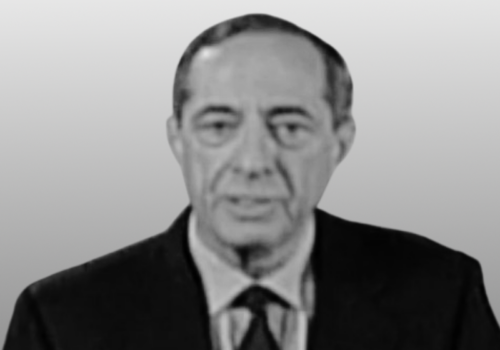
Erik Barnouw, Dutch-born American media historian, helped launch University Players, led wartime radio education, taught at Columbia, headed the Library of Congress media division, and authored landmark broadcasting histories works.
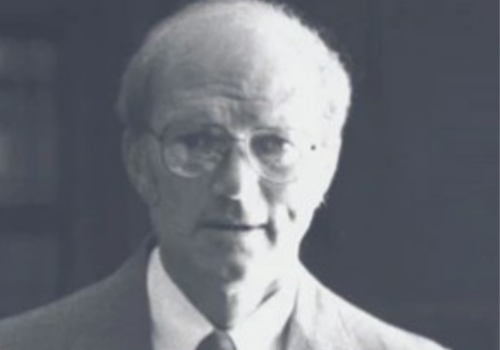
Herman Baker founded Baker Book House in 1939 in Grand Rapids, Michigan, later Baker Publishing Group, which expanded from religious bookselling into seven divisions publishing religious, academic, and general-interest titles.
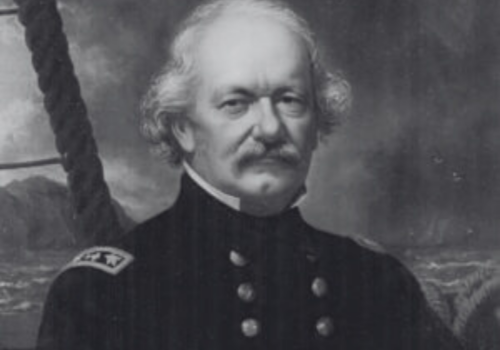
Theodorus Bailey joined the U.S. Navy at 13, rose to Rear Admiral, captured New Orleans in 1862, served 48 years, and was later honored with three Navy ships named for him.
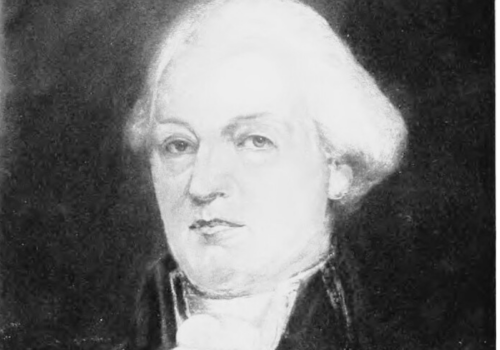
Theodorus Bailey served as U.S. Representative, briefly U.S. Senator, and New York City Postmaster for 24 years, and rose to Brigadier General after Revolutionary War service and militia leadership service.
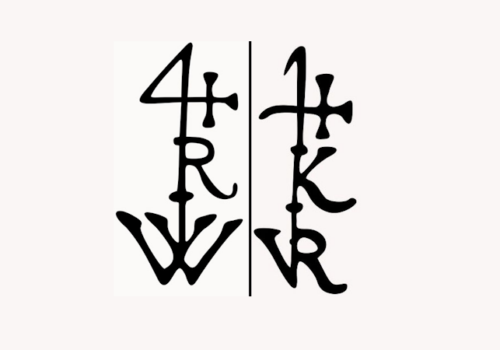
In 1647, residents of Fort Orange were treated to a rare spectacle.
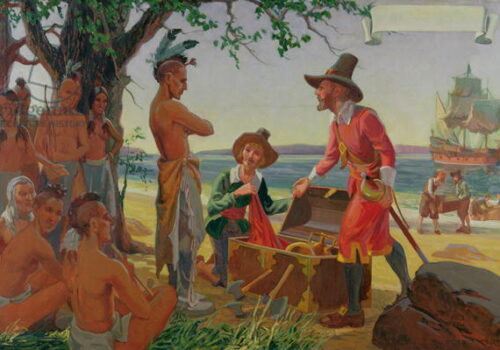
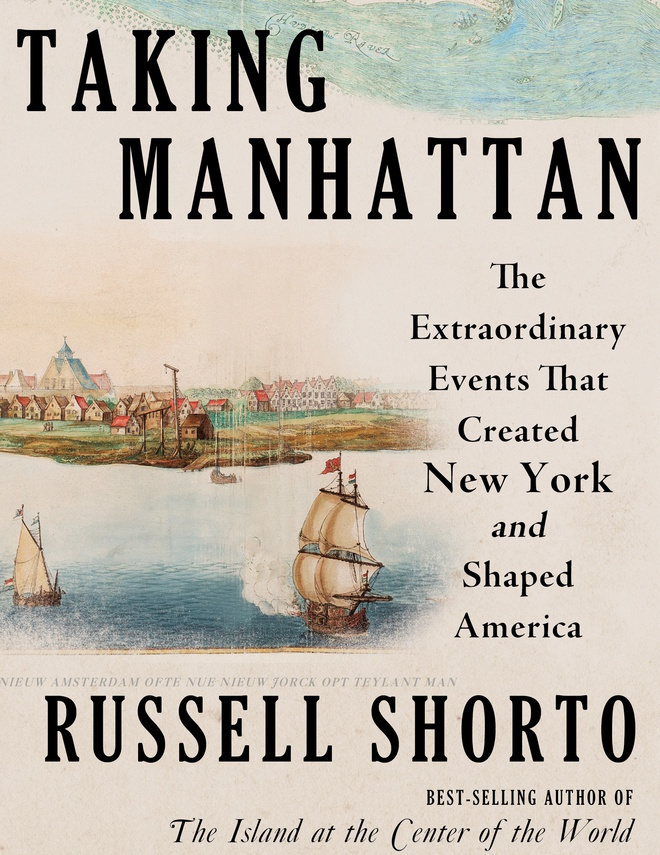
One of the immortal myths associated with the Dutch “purchase” of Manhattan is that they bought the island for $24. Let’s ignore for now the meaning of “purchase” in this context, for this is yet another myth that needs busting. Let’s forget too for now that Manhattan was not acquired by the Dutch parting with hard cash, though the constant reference to the $24 seems to imply this.
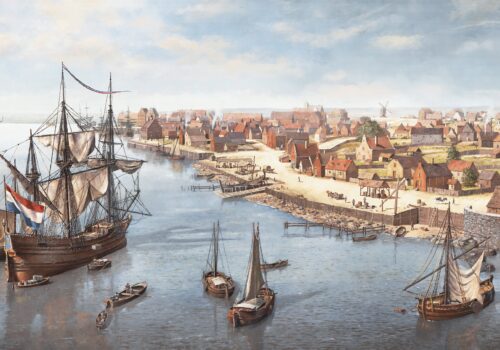
The third season of Live From New Amsterdam will begin on Thursday, October 30, 2025 when Russell Shorto speaks to Dr. Elisabeth Paling Funk about her new book, The Dutch World of Washington Irving, out now with Cornell University Press and part of our New Netherland Institute book series.
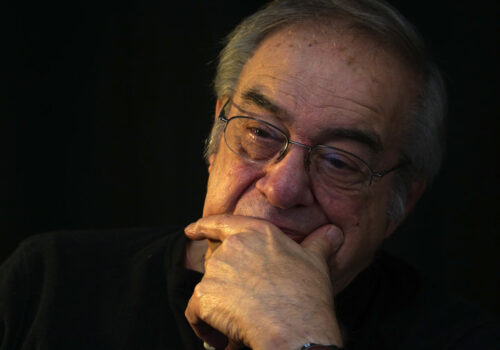
On April 2, 2025 Charly Gehring officially retired after 50 years of translation work. Read Paul Grondahl’s tribute to Charly in the April 9th Albany Times Union here.