
Drawing on archival and published documents in several languages, archeological data, and Iroquois oral traditions, The Edge of the Woods explores the ways in which spatial mobility represented the geographic expression of Iroquois social, political, and economic priorities.
Employing a frontier framework, this book traces intercultural relations in the lower Hudson River valley of early seventeenth-century New Netherland. I
Andrew Lipman’s eye-opening first book is the previously untold story of how the ocean became a “frontier” between colonists and Indians.
Susanah Shaw Romney locates the foundations of the early modern Dutch empire in interpersonal transactions among women and men.
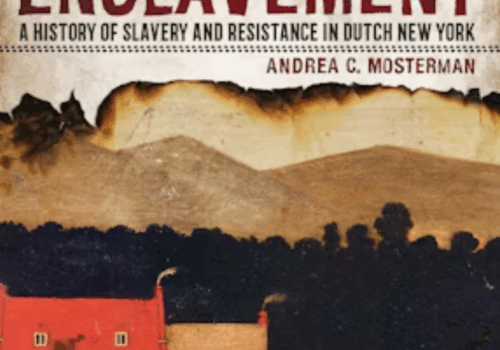
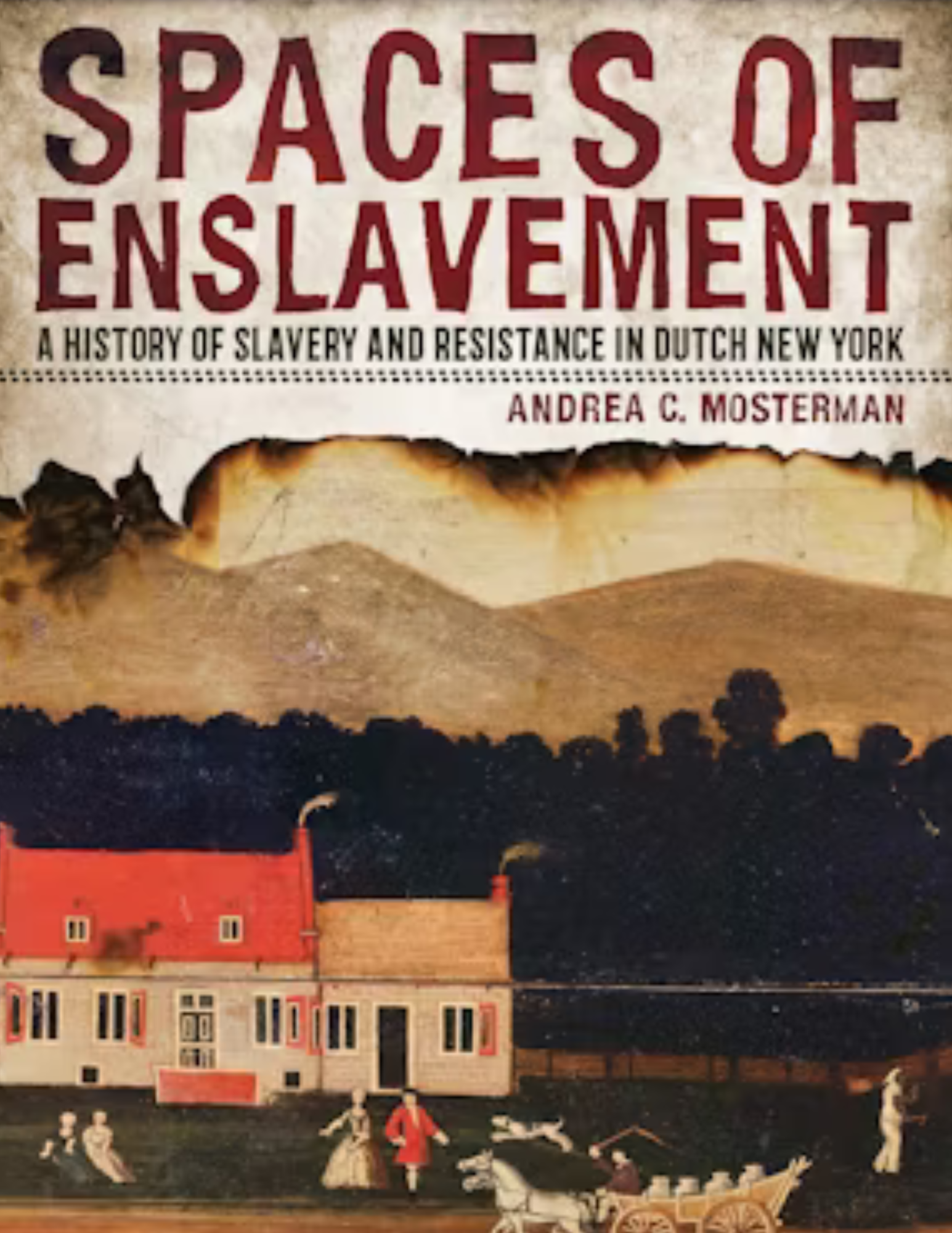
In Spaces of Enslavement, Andrea C. Mosterman addresses the persistent myth that the colonial Dutch system of slavery was more humane.
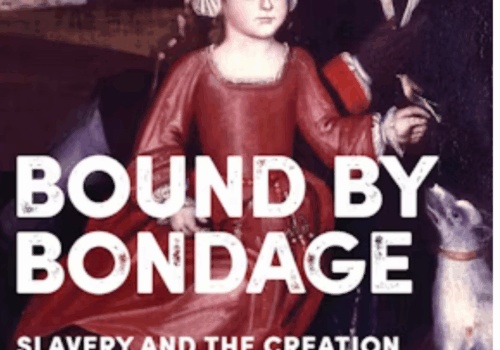
During the first generations of European settlement in North America, a number of interconnected Northeastern families carved out private empires
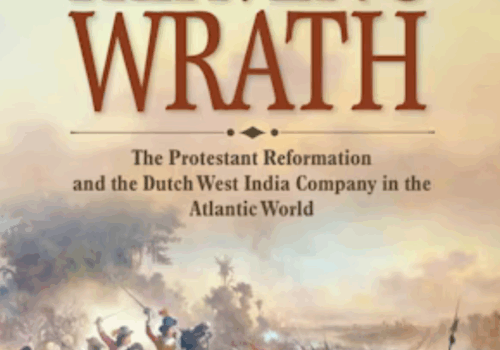
D. L. Noorlander argues that the Reformed Church and the West India Company forged and maintained a close union, with considerable consequences across the seventeenth century.
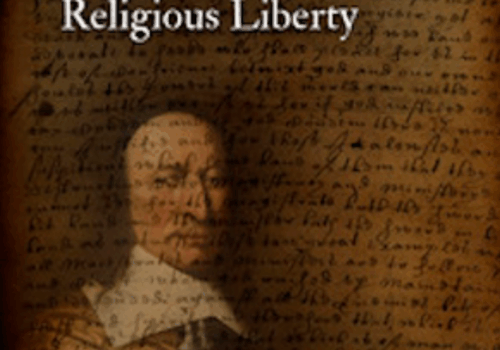
The settlers of New Netherland were obligated to uphold religious toleration as a legal right by the Dutch Republic’s founding document, the 1579 Union of Utrecht
This work examines the Middle Colonies—New York, New Jersey, and Pennsylvania—as a region at the center of imperial contests among competing European powers and Native American nations and at the fulcrum of an emerging British-Atlantic world of culture and trade.
This work examines the Middle Colonies—New York, New Jersey, and Pennsylvania—as a region at the center of imperial contests among competing European powers and Native American nations and at the fulcrum of an emerging British-Atlantic world of culture and trade.
In The Dutch Moment, Wim Klooster shows how the Dutch built and eventually lost an Atlantic empire that stretched from the homeland in the United Provinces to the Hudson River and from Brazil and the Caribbean to the African Gold Coast.
In 1585, the Dutch pledged Vlissingen to England for a loan. After regaining it, residents—including English soldiers—launched a 1616 Amazon colony. They prospered briefly through Indigenous alliances and trade, but Portuguese aggression forced the settlers to abandon the venture and return home.