
Harry Koch (1867–1942) was a Dutch immigrant, printer, and newspaper publisher in Quanah, Texas. He founded the Quanah Tribune-Chief and was the father of Fred C. Koch and grandfather of industrialists Charles and David Koch.
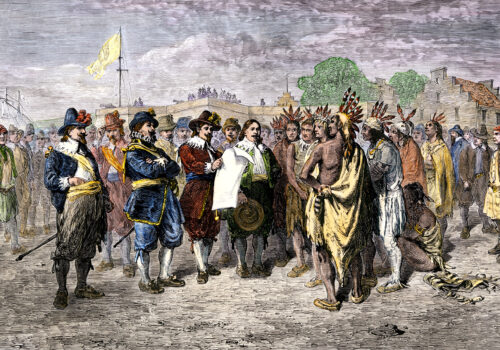
Conflict erupted in 1626 when Dutch troops joined the Mahicans against the Mohawks, sparking cycles of warfare driven by old rivalries, expanding settlements, and competition over fur-rich territory—culminating in the brutal Beaver Wars.
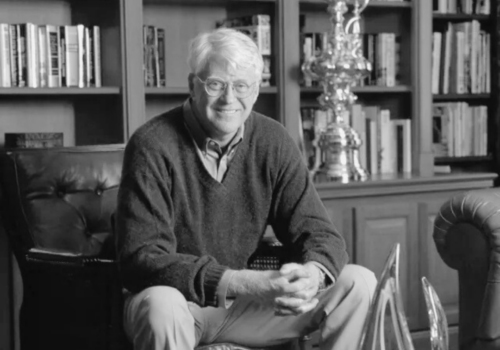
William I. Koch (born 1940) is an American businessman and entrepreneur who founded the Oxbow Group after selling his stake in Koch Industries. He is also known for financing the winning 1992 America’s Cup sailing team.
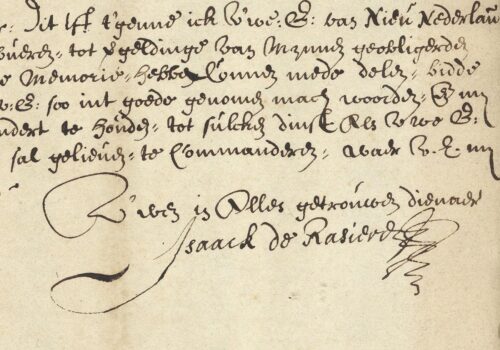
Wampum, from the Massachusett word wampumpeag, meaning white beads, was known to the Dutch as sewant, derived from Delaware and Munsee terms. It became central to trade, diplomacy, and cultural exchange in New Netherland.
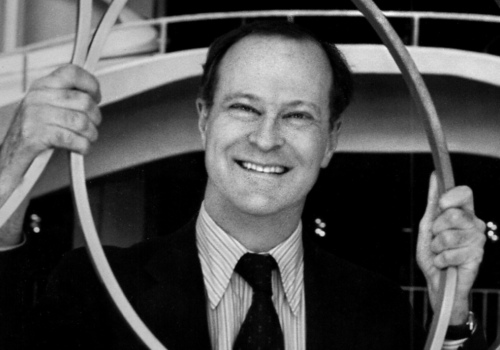
Frederick R. Koch (1932–2020) was an American collector, philanthropist, and eldest son of Koch Industries founder Fred C. Koch. Unlike his brothers, he pursued the arts, building major collections of rare books, manuscripts, and drawings.
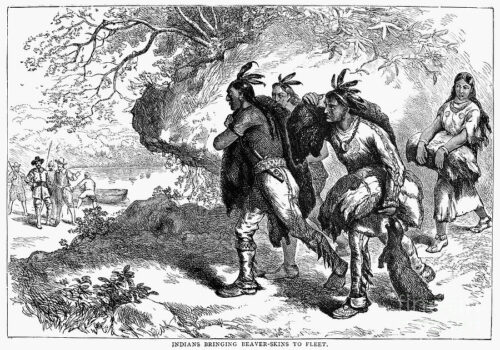
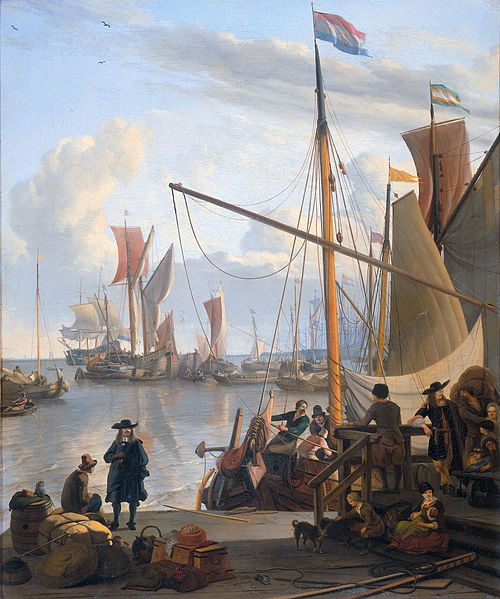
The St. Pieter, sailing out of Amsterdam in 1611, was the first ship whose mission was to engage in the fur trade, engendered by the fashion in Europe to wear hats made of felted beaver fur.
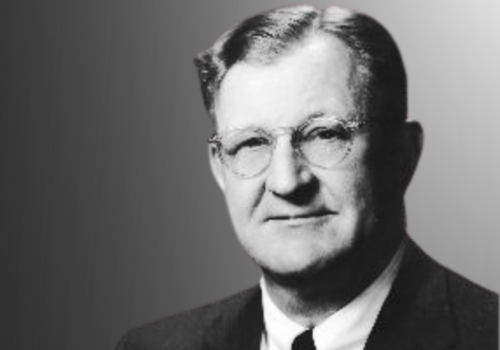
Fred C. Koch (1900–1967) was an American chemical engineer and entrepreneur who developed innovative oil refining processes and founded businesses that evolved into Koch Industries, which later became the largest privately held corporation in the United States.
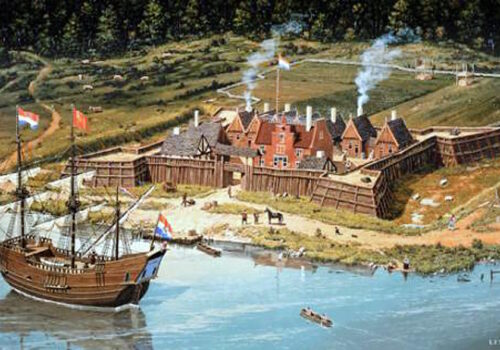
Despite early peaceful relations, disease cast a long shadow over Dutch-Native contact. Epidemics like smallpox, typhus, and measles devastated Indigenous communities, causing staggering mortality, leadership loss, and deep disruption of cultural and kinship ties.
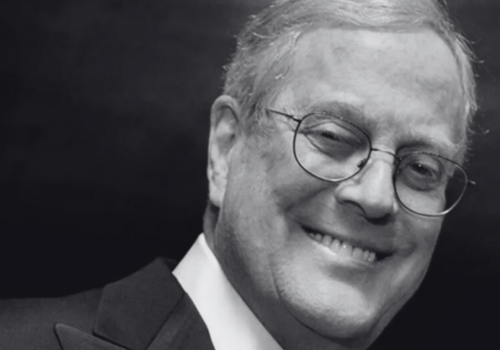
David H. Koch (1940–2019) was an American businessman, philanthropist, and executive vice president of Koch Industries. A co-owner of the company, he became widely known for major charitable donations supporting medical research, education, and cultural institutions.
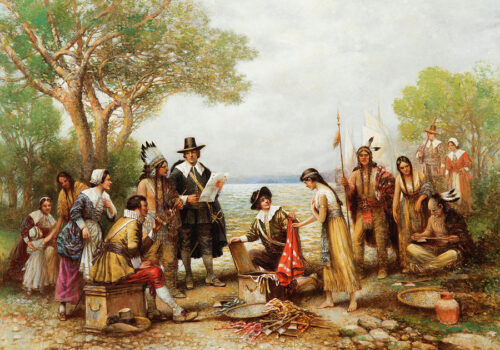
Beginning with the 1626 purchase of Manhattan, the Dutch acquired Native lands essential to New Netherland’s success. Land sales expanded as beaver declined, with exchanges largely fair and mutually understood by both parties.