
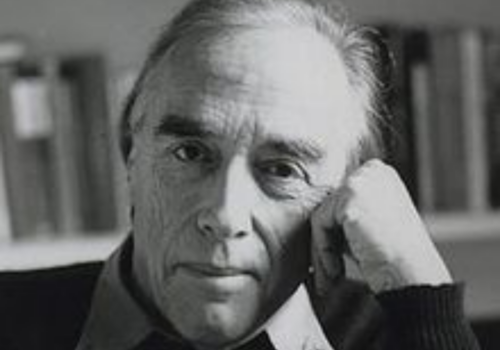
Hans Koning (1921–2007), born Hans Koningsberger, was a Dutch-born American novelist, journalist, and screenwriter. A former member of the Dutch resistance during World War II, he later wrote widely for major magazines and newspapers.
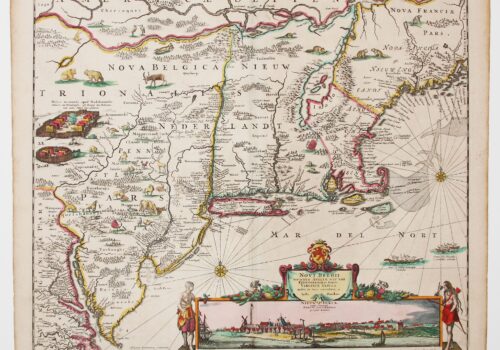
Mapmaker: Justin Dankerts This third-generation example of the Jansson-Visscher series is most lavishly decorated. It adds additional animals and place names and reflects with greater...
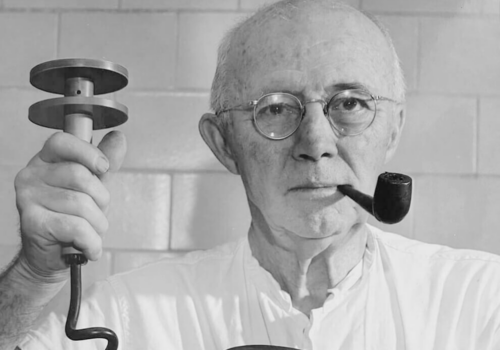
William B. Kouwenhoven (1886–1975) was an American electrical engineer and researcher whose work led to the development of the cardiac defibrillator and modern cardiopulmonary resuscitation (CPR), revolutionizing emergency treatment for cardiac arrest.
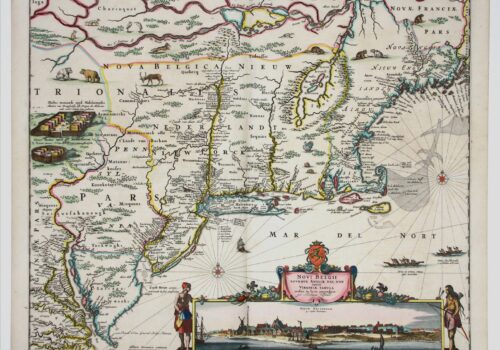
Mapmaker: Nicolaes Visscher The Jansson-Visscher series of maps of New Netherland and New England is an example of the practice of the replication, correction and addition...
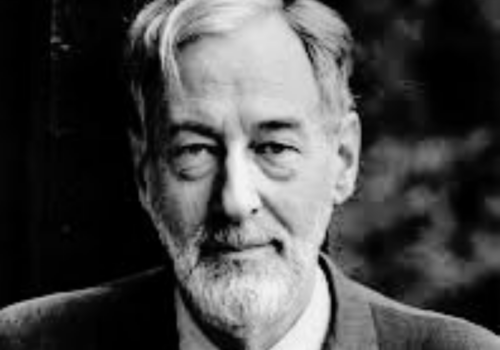
Tjalling C. Koopmans (1910–1985) was a Dutch-born American economist who won the 1975 Nobel Prize in Economics for work on optimal resource allocation and linear programming, helping establish the field of mathematical economics.
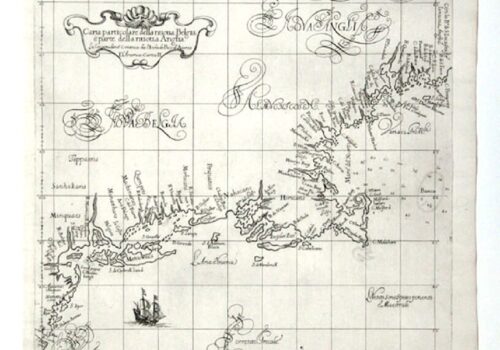
Mapmaker: Robert Dudley Tinting (adding color) either contemporaneously or later has always been a part of map making. An exception are the 130 maps of...
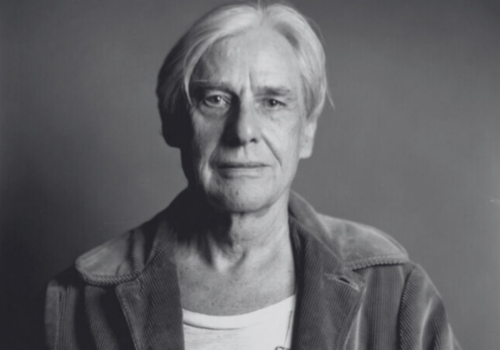
Willem de Kooning (1904–1997) was a Dutch-born American painter and leading figure in Abstract Expressionism. Known for powerful, expressive works such as his Woman series, he became one of the most influential artists of the twentieth century.
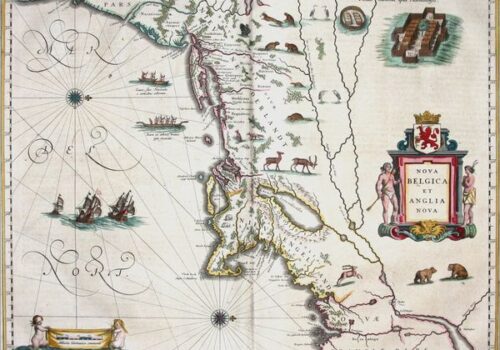
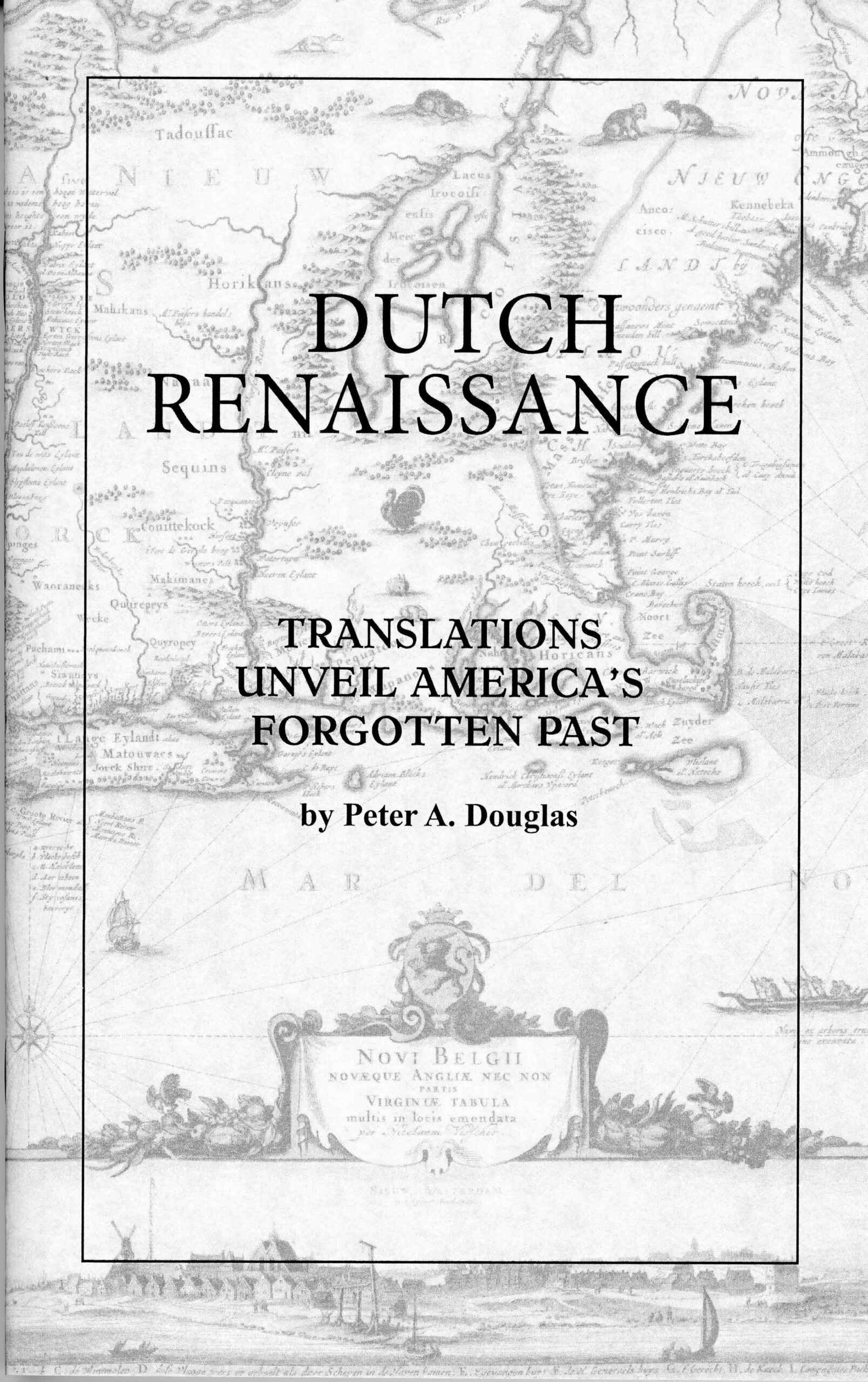
This map of New Netherland and New England, based on Adrian Block’s 1614 chart, defined Manhattan and Long Island as islands and became the cornerstone of Dutch claims in the lower Northeast. Richly decorated with regional fauna, it also shows fortified Mohawk villages, canoes, and European ships reflecting growing knowledge and economic potential.
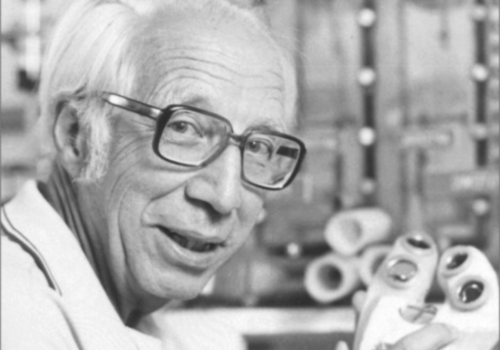
Willem J. Kolff (1911–2009) was a Dutch-born physician and biomedical pioneer who invented the first practical artificial kidney and helped develop artificial organs, including early artificial heart technology, saving countless patients suffering from kidney and heart failure.
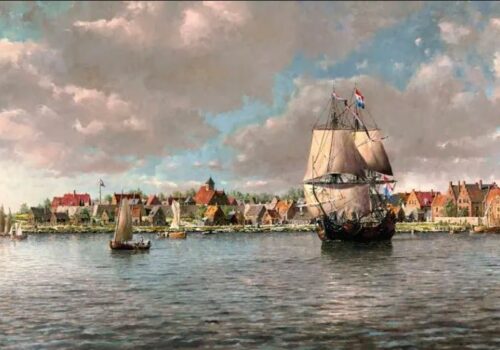
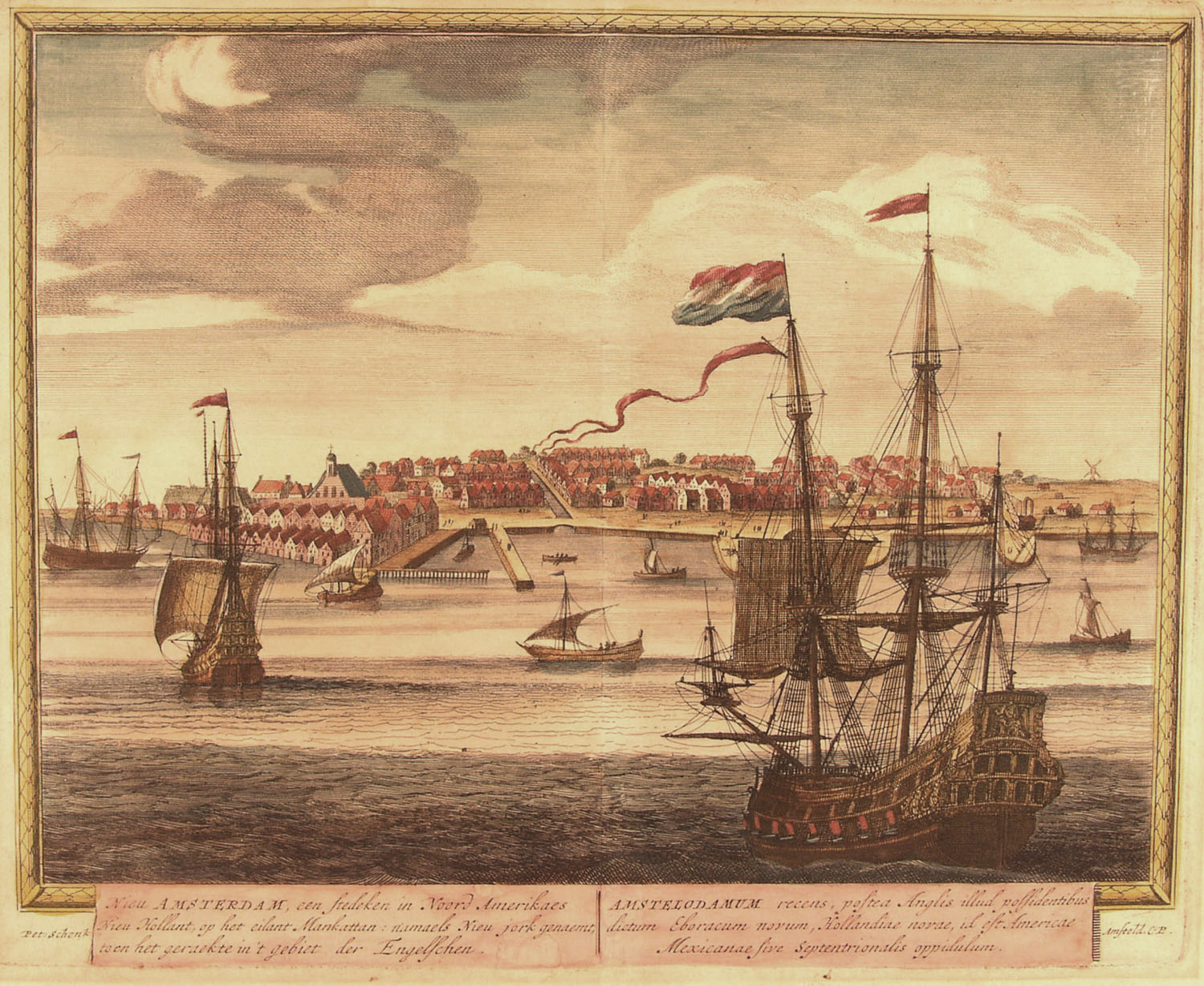
In 1664, Dutch rule ended as New Netherland passed to the English. Peace treaties promised continued trade and justice, but Native peoples now faced new colonial powers—and, eventually, war, displacement, and upheaval.