
Additional resources for African Research in New Netherland and Early Dutch New York
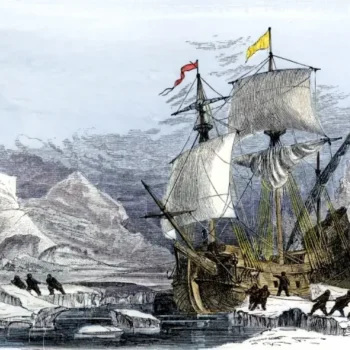
The famous Dutch navigator, cartographer, and explorer Willem Barentsz led three expeditions into the Arctic in the last years of the sixteenth century in search of a northeastern trade route to Asia. Accompanying Barentsz on the first two voyages was a Dutch navigator whose name has not survived to the present day with such prominence as his fellow explorer. Unlike Barentsz, no sea was named for Cornelis Corneliszoon Nay, who is known to history through his association with two of the Barentsz expeditions.
Transcription and image of original document, Mohawl Deed of 1730
One the many myths that blur the story of the Dutch “purchase” of Manhattan—one that is firmly cemented in the popular psyche—says that the price was mere “beads and baubles.”
The Mohawk who made this land deal with the Anglo-Dutch settler Johannis Minderse, are one of the six nations of the Haudenosaunee, a group often mistakenly referred to as the Iroquois Confederacy.
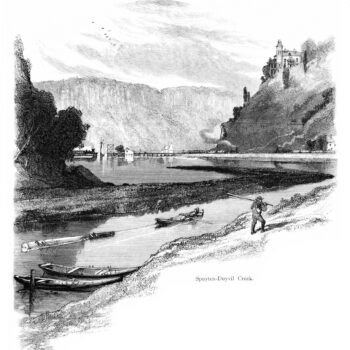
Perhaps the most peculiar name of a neighborhood in the Bronx—thee northernmost of the five boroughs of New York City— is Spuyten Duyvil.
Meeting of the City Council of Amsterdam, November 3, 1649 https://archief.amsterdam/inventarissen/scans/5025/1.19/start/40/limit/10/highlight/8 https://archief.amsterdam/inventarissen/scans/5025/1.19/start/40/limit/10/highlight/9
Whatever you believe to be true about the Dutch acquisition of Manhattan—notably the tale of the baubles and beads and the $24—there is another broader myth that underlies all of this.
In New Amsterdam, 10 June 1645, English clergyman Francis Doughty (“François Doutey” in the source) filed a complaint against Englishman William Gerritsz accusing him of writing a “scandalous” song about Doughty and his daughter Mary.