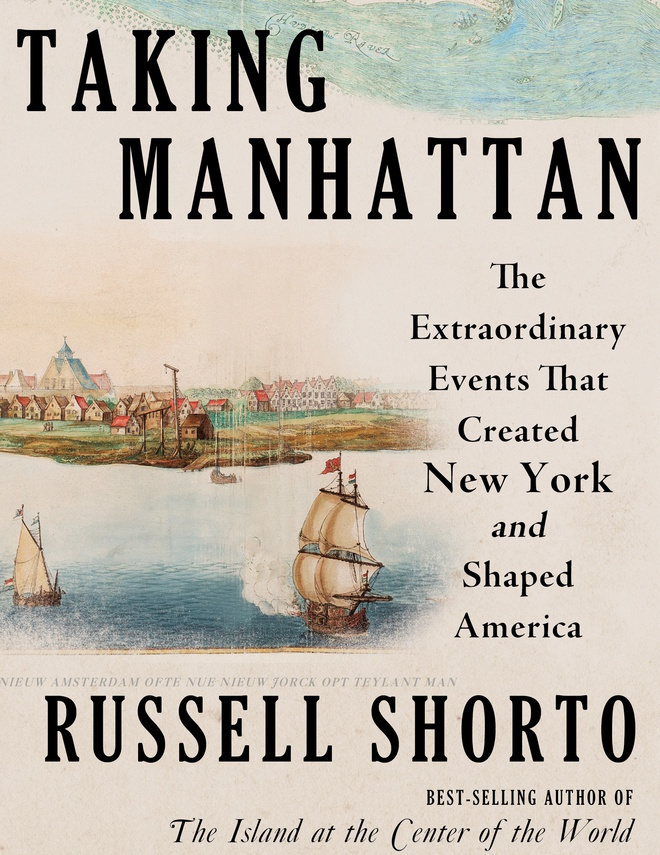
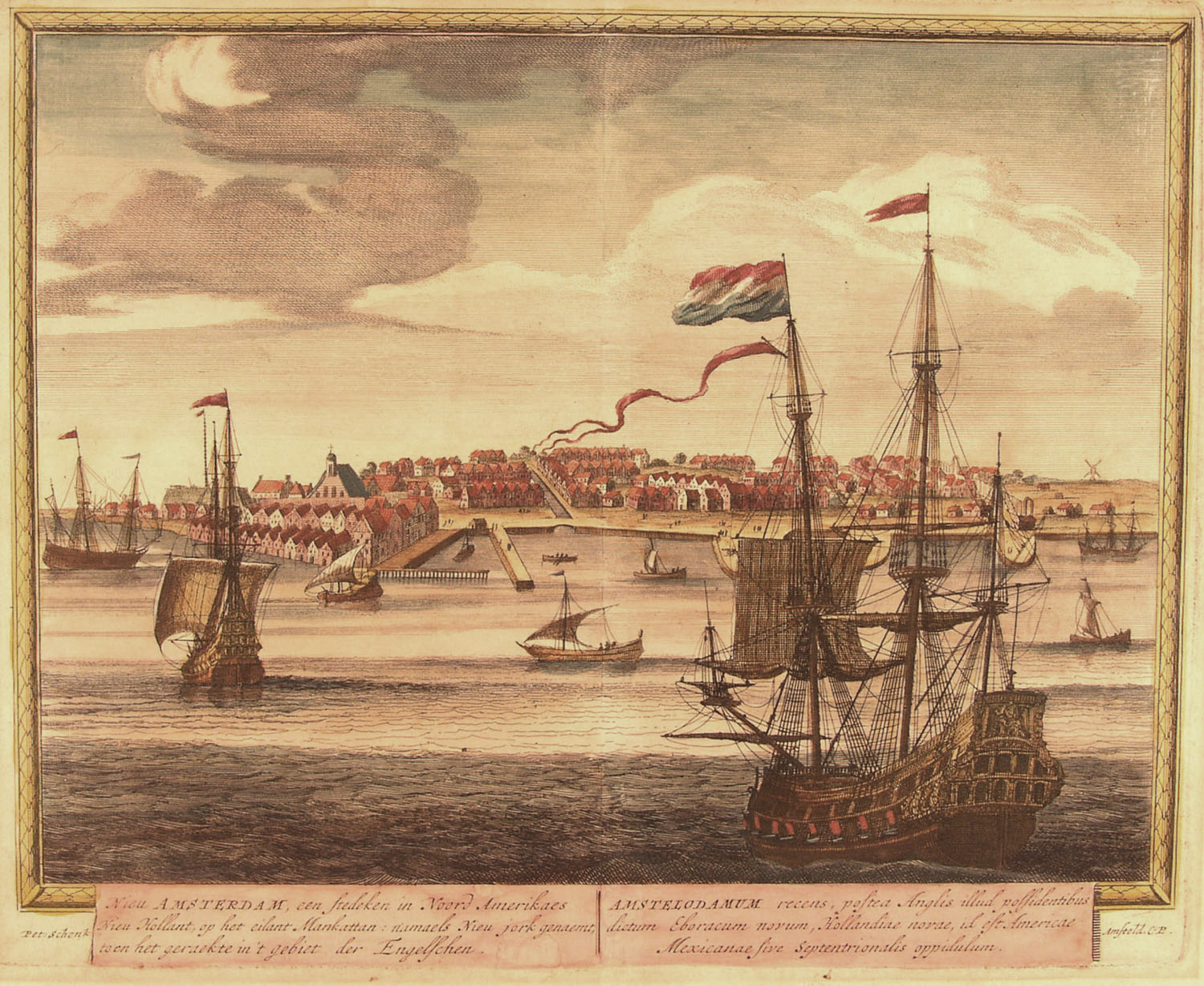
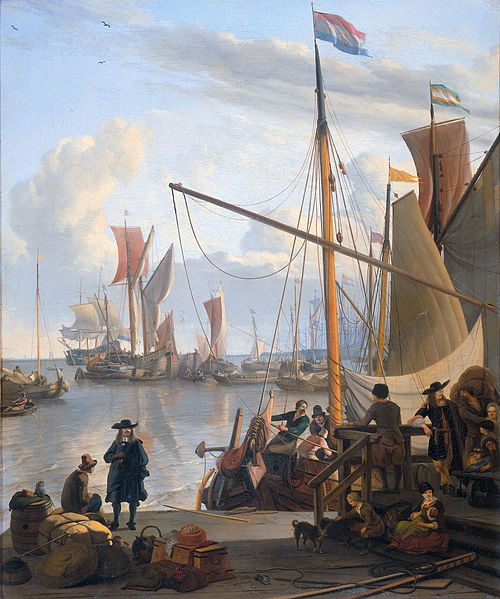

One the many myths that blur the story of the Dutch “purchase” of Manhattan—one that is firmly cemented in the popular psyche—says that the price was mere “beads and baubles.”

Amsterdam City Archives https://archief.amsterdam/inventarissen/scans/5075/54.2.1/start/100/limit/10/highlight/4
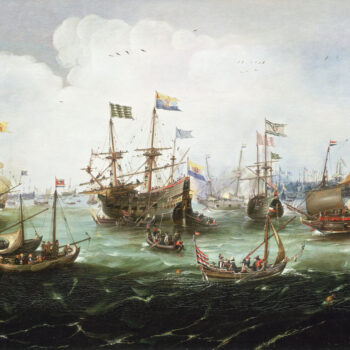
In the 1590s, the Dutch began to turn their attention to the East Indies, the lands and islands of Southeast Asia, and in time this interest grew into a vast moneymaking concern.
In the inaugural Translator’s Corner in the March, 2025 e-Marcurius, Deborah Hamer translated Testimony Regarding Cornelis Pieters van Purmerent’s Labor from the City Archives in Amsterdam, Notarial...
During the first decade of trade with the East Indies, a Dutch retourschip leaving Texel bound for the East Indies followed the old route that Arab and Portuguese sailors took—south
down the west coast of Africa, around the Cape of Good Hope, northeast through the Mozambique Channel and across the Indian Ocean, sometimes via India or Ceylon.
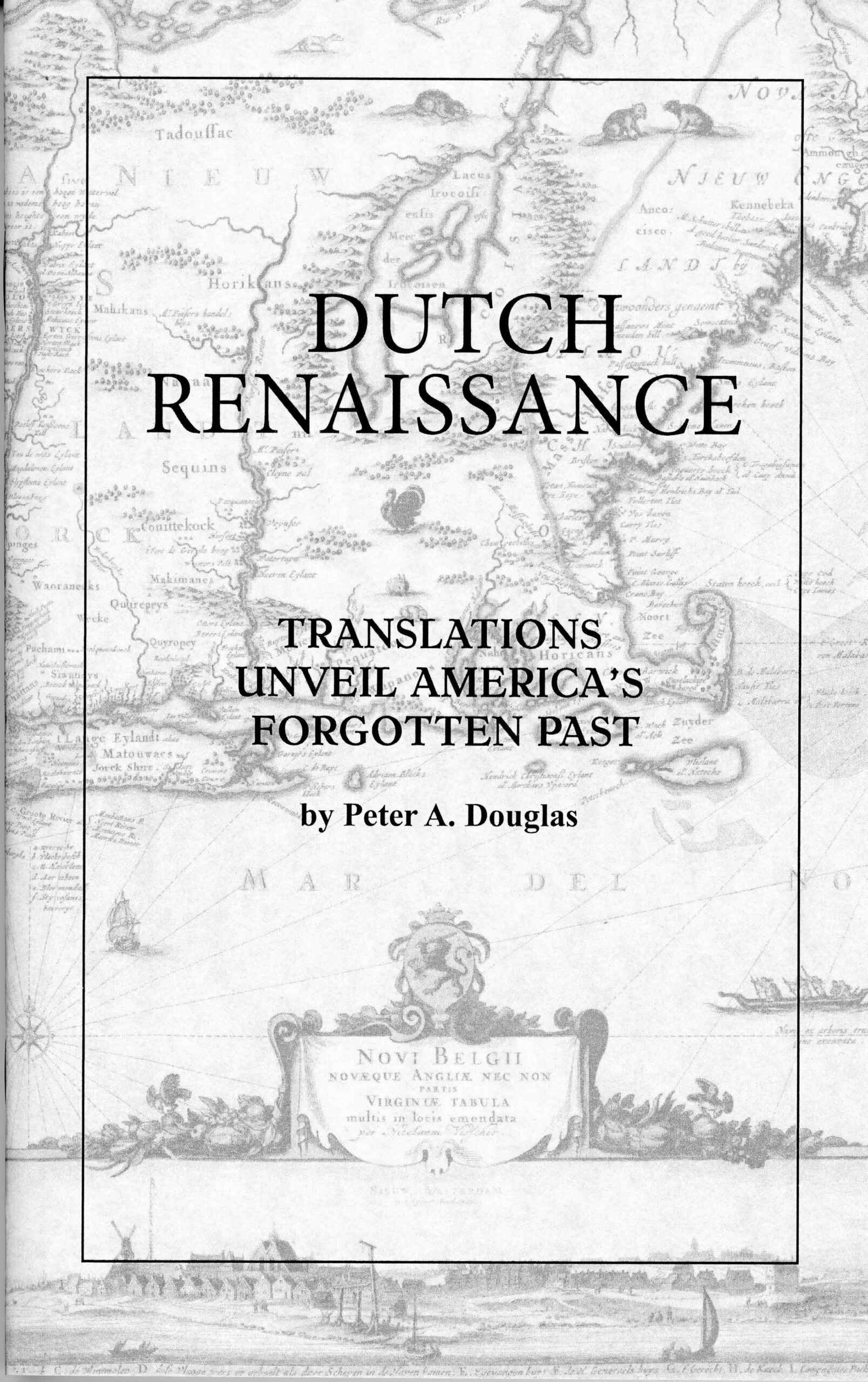
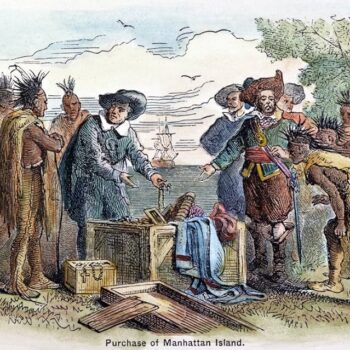
The Dutch “purchase” of Manhattan from the Indians has been called “the deal of the millennium,” though some say it was the 1803 Louisiana Purchase, or that of Alaska in 1867, that was the most lucrative real estate deal in American history.
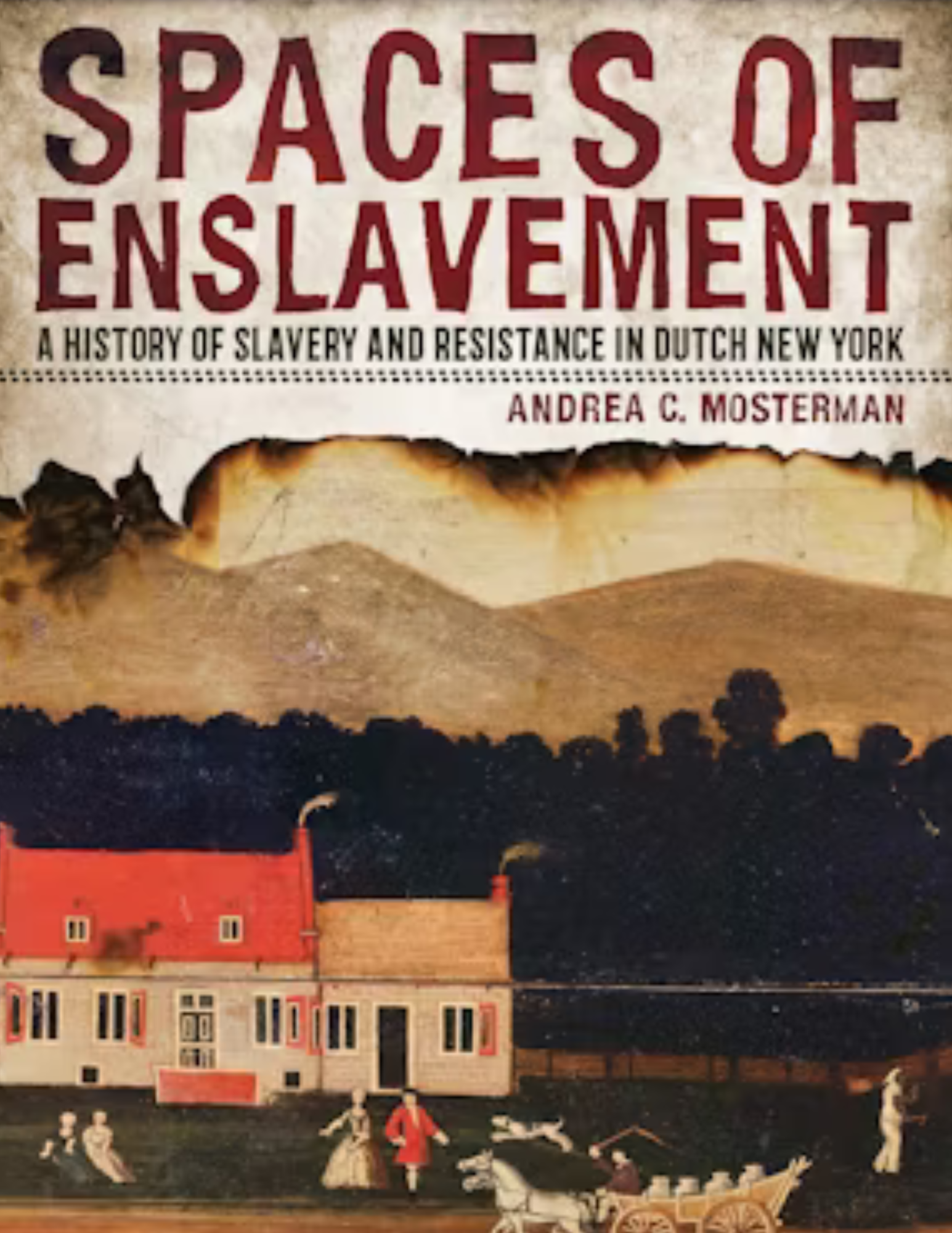
In August 1664, the WIC ship Gideon arrived in New Amsterdam with 290 enslaved Africans, doubling the colony’s enslaved population. Though the voyage was momentous, almost nothing is known about those forced aboard or the ordeal they endured to reach the city.
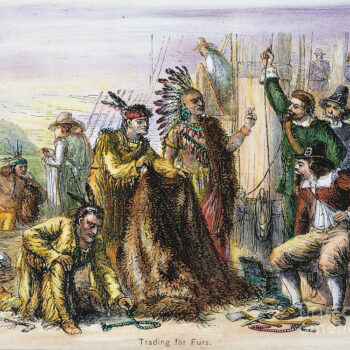
It’s a serious loss to historians that no Dutch or American archive contains any kind of
contract, receipt, or deed of transfer to serve as proof of the so-called “purchase” of Manhattan.
Apart from anything else, such a document would have put a stop to much of the endless
theorizing and half-baked legend-making associated with this event.
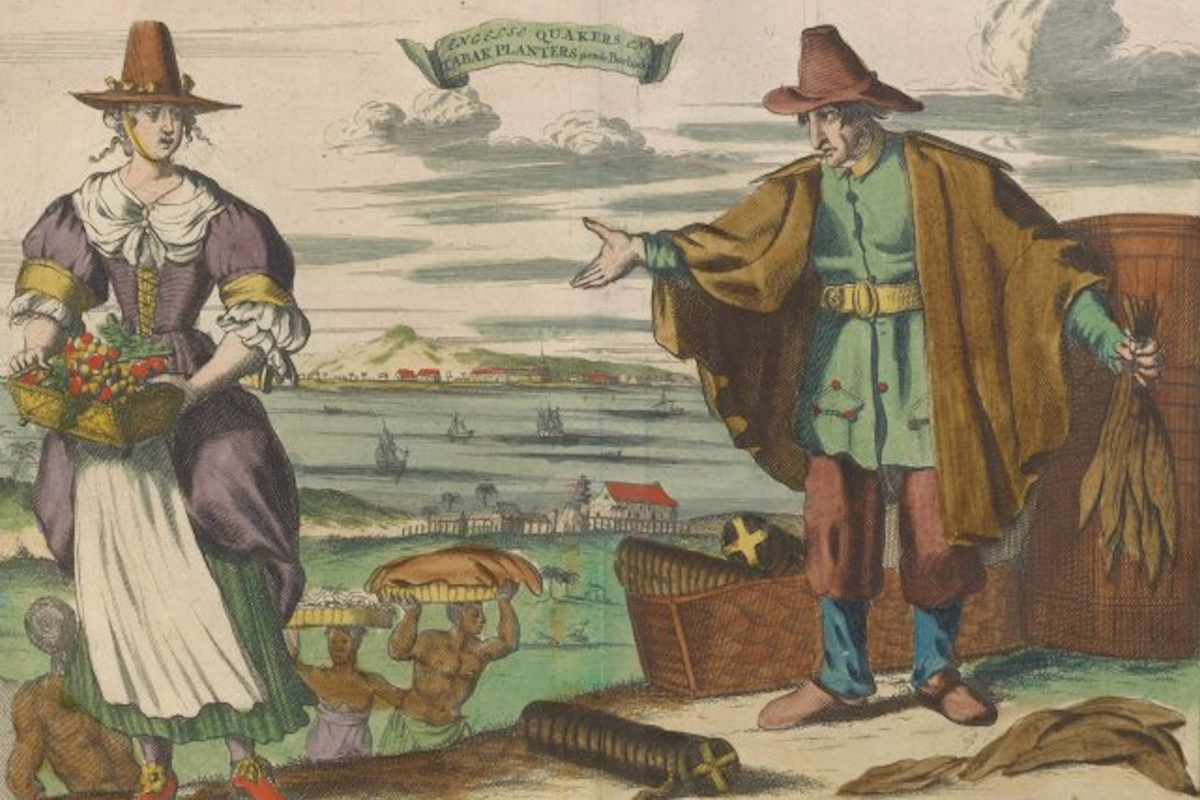
In 1684 Schenectady, constable and enslaver Jacob Sanders sued Frenchman Matthys Boffie for threatening to poison and kill Pey, an enslaved woman. Boffie claimed a relationship and children with her, offered to buy her, was refused, and allegedly threatened murder-suicide.
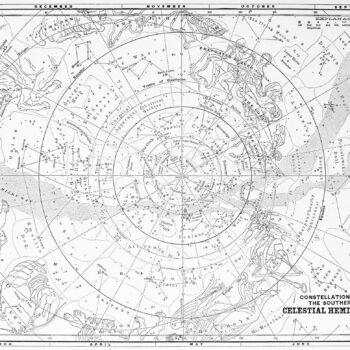
On a warm, cloudless night in February I walked into the rustling garden of my friends’ house and looked up at the sky. What I saw up there wasn’t a complete surprise, and yet it was still striking, and very strange to me. Despite the lights of the city I could see plenty of stars, and yet I was unable to link them together into any discernable pattern, as I was so used to doing at
home. The simple reason for both my awe and my confusion was that I was in Auckland, New Zealand. This was the southern sky, presenting me with an unfamiliar clutter of stars.