



Jared Staal is a Canadian professional ice hockey player and the youngest of the four Staal brothers who reached the NHL. Drafted by the Phoenix Coyotes in 2008, he later played within the Carolina Hurricanes organization.


Jordan Staal is a Canadian professional ice hockey player and NHL center known for his defensive play and leadership. A Stanley Cup champion with the Pittsburgh Penguins in 2009, he later joined the Carolina Hurricanes.

Eric Staal is a Canadian professional ice hockey player and longtime NHL center, best known for his career with the Carolina Hurricanes and for helping the team win the Stanley Cup in 2006.
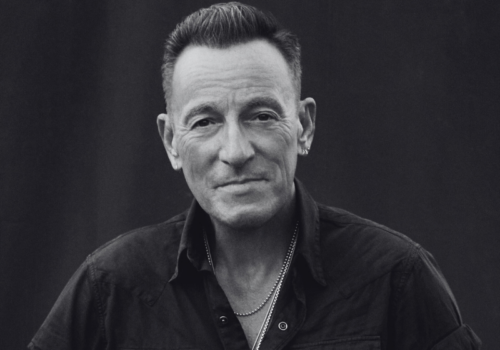
Bruce Springsteen is an American singer-songwriter known as “The Boss.” Rising to fame with the E Street Band, his music captures working-class life in songs such as Born to Run, Born in the U.S.A., and The Rising.

Watson Spoelstra was an American sportswriter for the Detroit News who covered the Detroit Tigers for decades. A Hope College athlete and writer, he later founded Baseball Chapel and became patriarch of the Spoelstra sports family.
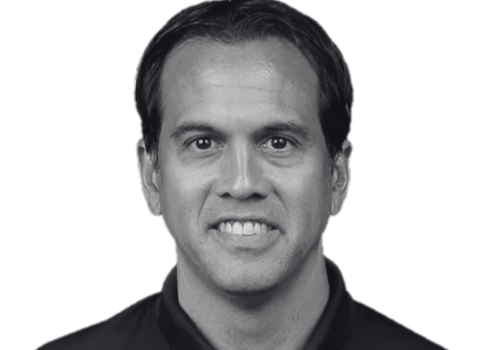
Erik Spoelstra is an American professional basketball coach and longtime head coach of the Miami Heat. Rising from video coordinator to head coach, he led the team to multiple NBA championships.
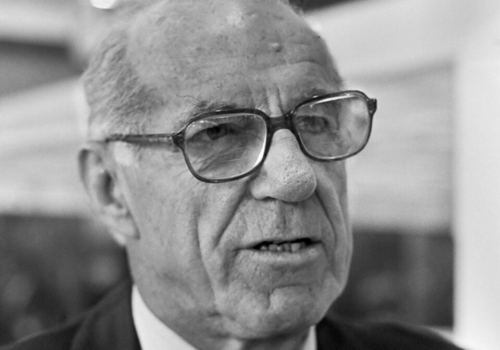
Dr. Benjamin Spock was an American pediatrician whose influential book Baby and Child Care transformed child-rearing practices worldwide. First published in 1946, the guide sold over 50 million copies and shaped generations of parents.
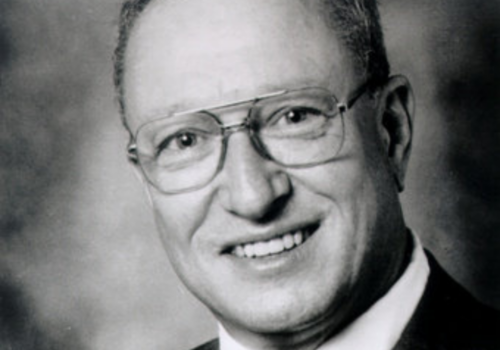
Peter Spier was a Dutch-American author and illustrator of children’s books, best known for richly detailed works such as Noah’s Ark and People. His books earned major awards including the Caldecott Medal.

Rik Smits (born 1966) is a Dutch professional basketball player best known for his 12-year career with the Indiana Pacers in the NBA. Nicknamed the “Dunking Dutchman,” the 7-foot-4 center was an NBA All-Star in 1998 and a key member of the Pacers’ successful teams of the 1990s.
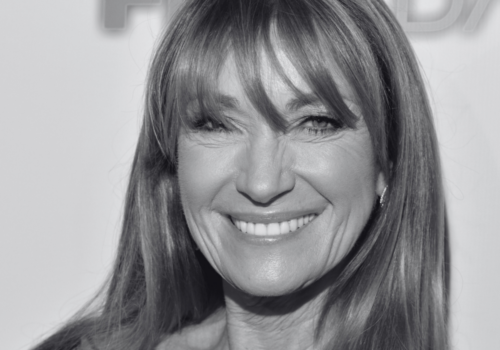
Jane Seymour (born 1951) is a British-American actress best known for her long-running role as Dr. Michaela Quinn in the television series Dr. Quinn, Medicine Woman. Born Joyce Penelope Wilhelmina Frankenberg in England to a Dutch mother, she later became a United States citizen in 2005.
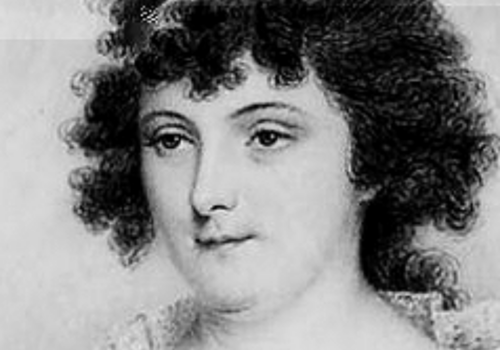
Margarita “Peggy” Schuyler (1758–1801) was a member of the prominent Schuyler family of Albany, New York. She was the daughter of Revolutionary War general Philip Schuyler and the sister of Angelica Schuyler Church and Elizabeth Schuyler Hamilton. Peggy married Stephen Van Rensselaer III, patroon of Rensselaerswyck.
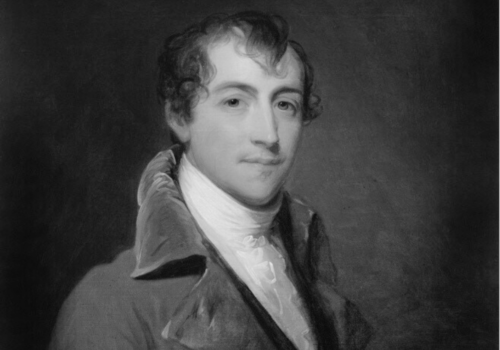
Philip Jeremiah Schuyler (1768–1835) was an American politician and agriculturalist from New York. The son of Revolutionary War general Philip Schuyler, he served one term as a Federalist in the United States House of Representatives from 1817 to 1819.
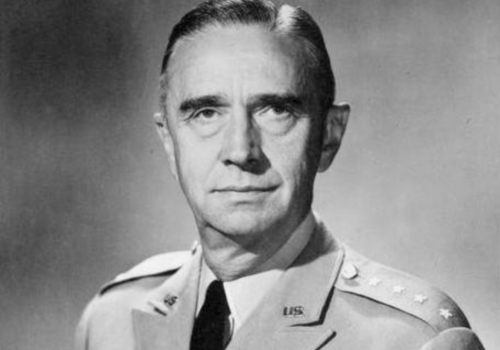
Cortlandt Van Rensselaer Schuyler (1900–1993) was a United States Army general who served in both World War I and World War II and later played a key role in early NATO military planning. Rising to the rank of four-star general, he served as Chief of Staff at SHAPE headquarters in Paris before retiring from active military service in 1959.
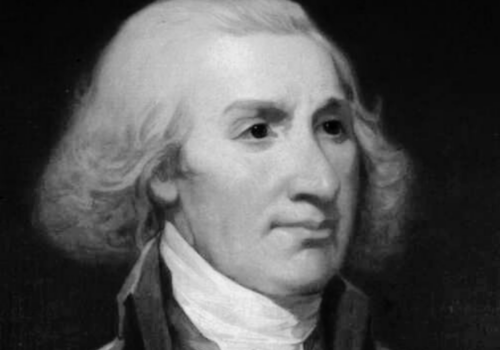
Pieter Schuyler (1657–1724) was a colonial leader in early New York and the first mayor of Albany after the city was incorporated in 1686. A military officer and diplomat with the Haudenosaunee (Iroquois) nations, he later served twice as acting governor of the Province of New York.
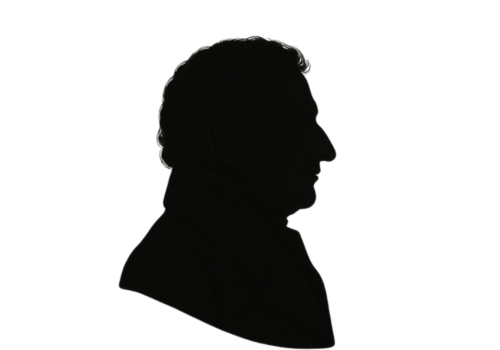
Pieter Schuyler (1657–1724) was a colonial leader in early New York and the first mayor of Albany after the city was incorporated in 1686. A military officer and diplomat with the Haudenosaunee (Iroquois) nations, he later served twice as acting governor of the Province of New York.
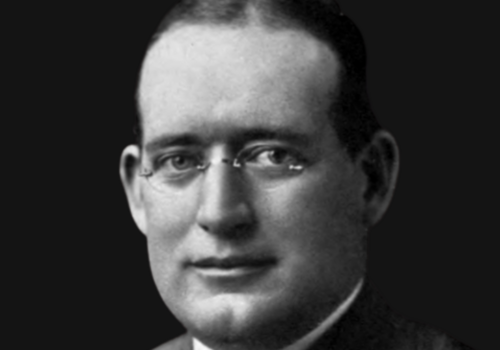
Karl C. Schuyler (1877–1933) was an American lawyer and Republican politician who briefly served as a United States Senator from Colorado from December 1932 to March 1933. His short term filled a vacancy caused by the death of Senator Charles W. Waterman.

Jared Staal is a Canadian professional ice hockey player and the youngest of the four Staal brothers who reached the NHL. Drafted by the Phoenix Coyotes in 2008, he later played within the Carolina Hurricanes organization.

Jordan Staal is a Canadian professional ice hockey player and NHL center known for his defensive play and leadership. A Stanley Cup champion with the Pittsburgh Penguins in 2009, he later joined the Carolina Hurricanes.

Eric Staal is a Canadian professional ice hockey player and longtime NHL center, best known for his career with the Carolina Hurricanes and for helping the team win the Stanley Cup in 2006.
Bruce Springsteen is an American singer-songwriter known as “The Boss.” Rising to fame with the E Street Band, his music captures working-class life in songs such as Born to Run, Born in the U.S.A., and The Rising.

Watson Spoelstra was an American sportswriter for the Detroit News who covered the Detroit Tigers for decades. A Hope College athlete and writer, he later founded Baseball Chapel and became patriarch of the Spoelstra sports family.

Erik Spoelstra is an American professional basketball coach and longtime head coach of the Miami Heat. Rising from video coordinator to head coach, he led the team to multiple NBA championships.
Dr. Benjamin Spock was an American pediatrician whose influential book Baby and Child Care transformed child-rearing practices worldwide. First published in 1946, the guide sold over 50 million copies and shaped generations of parents.
Peter Spier was a Dutch-American author and illustrator of children’s books, best known for richly detailed works such as Noah’s Ark and People. His books earned major awards including the Caldecott Medal.

Rik Smits (born 1966) is a Dutch professional basketball player best known for his 12-year career with the Indiana Pacers in the NBA. Nicknamed the “Dunking Dutchman,” the 7-foot-4 center was an NBA All-Star in 1998 and a key member of the Pacers’ successful teams of the 1990s.

Jane Seymour (born 1951) is a British-American actress best known for her long-running role as Dr. Michaela Quinn in the television series Dr. Quinn, Medicine Woman. Born Joyce Penelope Wilhelmina Frankenberg in England to a Dutch mother, she later became a United States citizen in 2005.
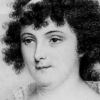
Margarita “Peggy” Schuyler (1758–1801) was a member of the prominent Schuyler family of Albany, New York. She was the daughter of Revolutionary War general Philip Schuyler and the sister of Angelica Schuyler Church and Elizabeth Schuyler Hamilton. Peggy married Stephen Van Rensselaer III, patroon of Rensselaerswyck.
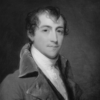
Philip Jeremiah Schuyler (1768–1835) was an American politician and agriculturalist from New York. The son of Revolutionary War general Philip Schuyler, he served one term as a Federalist in the United States House of Representatives from 1817 to 1819.
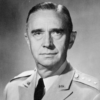
Cortlandt Van Rensselaer Schuyler (1900–1993) was a United States Army general who served in both World War I and World War II and later played a key role in early NATO military planning. Rising to the rank of four-star general, he served as Chief of Staff at SHAPE headquarters in Paris before retiring from active military service in 1959.
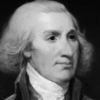
Pieter Schuyler (1657–1724) was a colonial leader in early New York and the first mayor of Albany after the city was incorporated in 1686. A military officer and diplomat with the Haudenosaunee (Iroquois) nations, he later served twice as acting governor of the Province of New York.

Pieter Schuyler (1657–1724) was a colonial leader in early New York and the first mayor of Albany after the city was incorporated in 1686. A military officer and diplomat with the Haudenosaunee (Iroquois) nations, he later served twice as acting governor of the Province of New York.
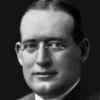
Karl C. Schuyler (1877–1933) was an American lawyer and Republican politician who briefly served as a United States Senator from Colorado from December 1932 to March 1933. His short term filled a vacancy caused by the death of Senator Charles W. Waterman.