

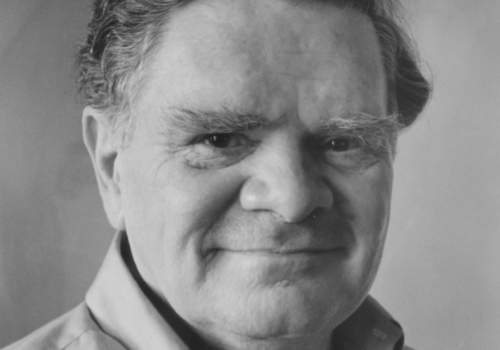
James Schuyler (1923–1991) was an American poet associated with the New York School of poets. Known for his reflective and observational style, he received the 1981 Pulitzer Prize for Poetry for his collection The Morning of the Poem.

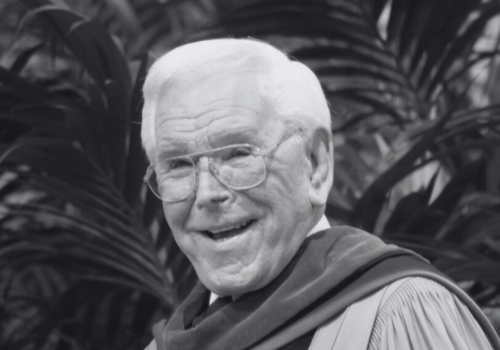
Robert H. Schuller (1926–2015) was an American televangelist and pastor who founded the Crystal Cathedral in Garden Grove, California, and created the global television ministry Hour of Power. Known for his positive-thinking sermons and innovative church leadership, he built one of the most influential megachurch ministries of the twentieth century.
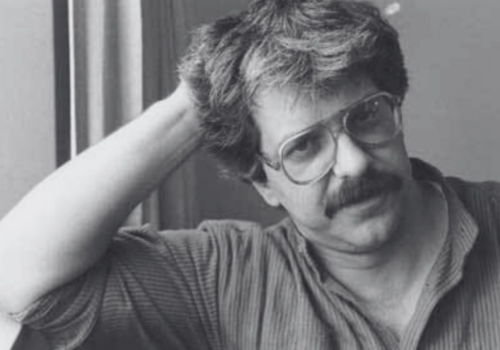
Leonard Schrader (1943–2006) was an American screenwriter, director, and author known for films such as The Yakuza and Kiss of the Spider Woman. Often collaborating with his brother, filmmaker Paul Schrader, he also taught screenwriting and wrote works in both English and Japanese.
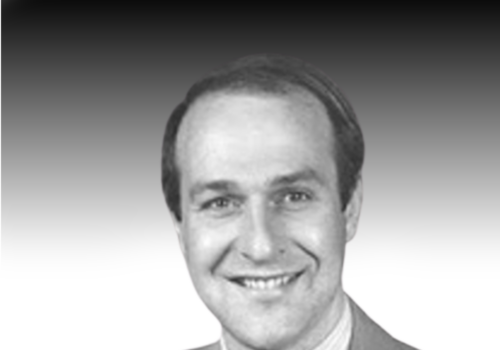
Hubert J. P. Schoemaker (1950–2006) was a Dutch-born American biochemist and biotechnology entrepreneur who co-founded Centocor, one of the pioneering biotechnology companies in the United States. He later founded Neuronyx and helped develop the drug Remicade for autoimmune diseases.
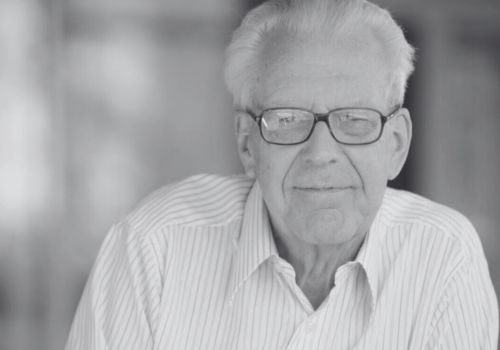
Maarten Schmidt (1929–2022) was a Dutch-American astronomer who identified the first quasar in 1963, revealing that these powerful objects were extremely distant and energetic sources associated with massive black holes. His discovery transformed modern astrophysics and the understanding of the universe.
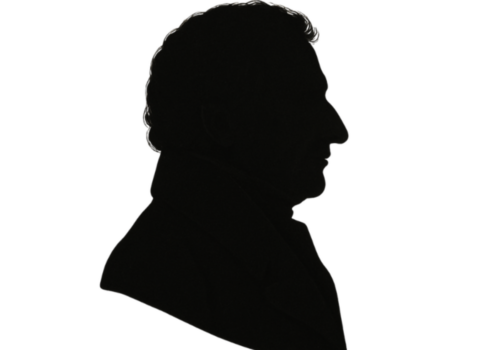
Abraham Maas Schermerhorn (1791–1855) was an American lawyer and politician who served two terms as a U.S. Representative from New York from 1849 to 1853. A Whig, he was also active in Rochester politics, serving as mayor and as a member of the New York State Senate.
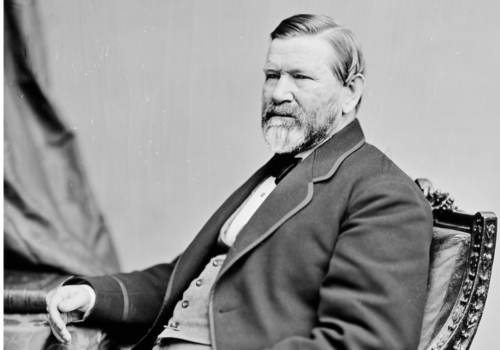
Robert Cumming Schenck (1809–1890) was an American lawyer, politician, and Union Army general. He served multiple terms in the U.S. House of Representatives, rose to major general during the Civil War, and later served as U.S. Minister to the United Kingdom.
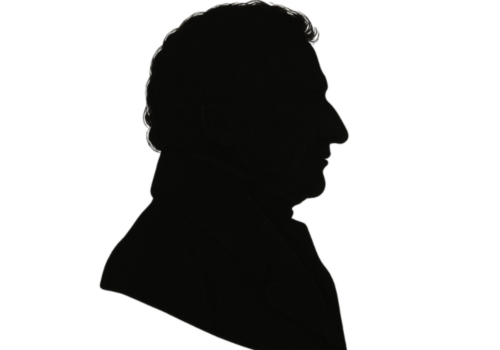
James Findlay Schenck (1807–1882) was a United States Navy officer who rose to the rank of rear admiral and served in both the Mexican–American War and the American Civil War. A veteran naval commander, he later had the destroyer USS Schenck named in his honor.
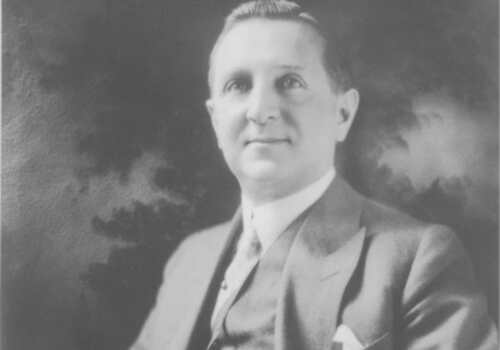
John Theodore Scheepers (1878–1939) was a Dutch-American horticultural entrepreneur known as the “Tulip King” for popularizing tulips in the United States during the early twentieth century. He founded John Scheepers, Inc., a flower bulb importing company that helped expand tulip cultivation and garden culture across North America.
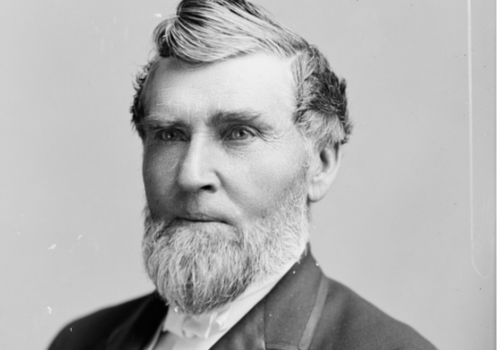
Isaac Whitbeck Van Schaick (1817–1901) was an American businessman and politician who served as a U.S. Representative from Wisconsin. After careers in manufacturing and milling, he became active in Wisconsin politics, serving in the state legislature before two terms in Congress.
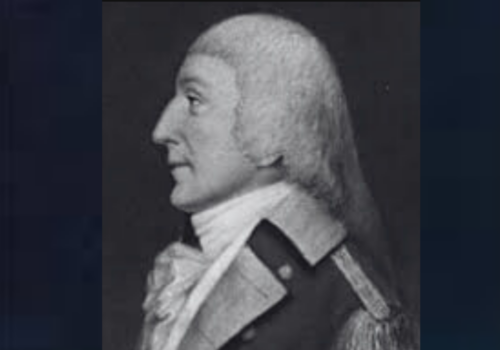
Gozen Van Schaick was an Albany-born soldier who served in colonial wars and the American Revolution, rising to brigadier general. A prominent Van Schaick heir, he also managed family lands and businesses until his death in 1789.
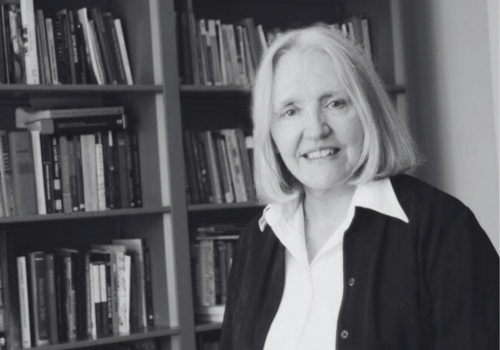
Saskia Sassen (born 1947) is a Dutch-American sociologist and professor at Columbia University known for her research on globalization, immigration, and urban economies. She coined the term “global city” and has written influential works examining how major cities shape the modern world economy.
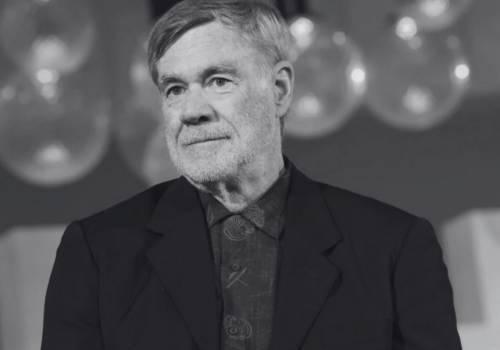
Gus Van Sant (born 1952) is an American film director, screenwriter, photographer, and author known for influential independent films. He received Academy Award nominations for directing Good Will Hunting and Milk, and won the Palme d’Or at the Cannes Film Festival for Elephant.
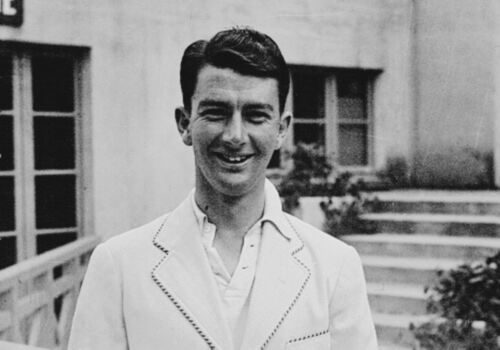
John Van Ryn (1905–1999) was an American tennis player best known for his success in doubles during the 1930s. Partnering primarily with Wilmer Allison, he won multiple U.S. and Wimbledon doubles titles and was later inducted into the International Tennis Hall of Fame.
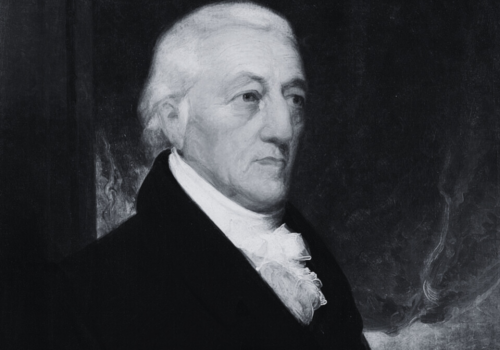
Henry Rutgers (1745–1830) was an American Revolutionary War officer, philanthropist, and civic leader whose support helped preserve Queen’s College in New Jersey. In 1825 the college was renamed Rutgers College in his honor, later becoming Rutgers University.

Peter Roskam (born 1961) is an American attorney and Republican politician who served as the U.S. Representative for Illinois’s 6th congressional district from 2007 to 2019. Before entering Congress, he served in both the Illinois House of Representatives and the Illinois Senate.
James Schuyler (1923–1991) was an American poet associated with the New York School of poets. Known for his reflective and observational style, he received the 1981 Pulitzer Prize for Poetry for his collection The Morning of the Poem.
Robert H. Schuller (1926–2015) was an American televangelist and pastor who founded the Crystal Cathedral in Garden Grove, California, and created the global television ministry Hour of Power. Known for his positive-thinking sermons and innovative church leadership, he built one of the most influential megachurch ministries of the twentieth century.
Leonard Schrader (1943–2006) was an American screenwriter, director, and author known for films such as The Yakuza and Kiss of the Spider Woman. Often collaborating with his brother, filmmaker Paul Schrader, he also taught screenwriting and wrote works in both English and Japanese.

Hubert J. P. Schoemaker (1950–2006) was a Dutch-born American biochemist and biotechnology entrepreneur who co-founded Centocor, one of the pioneering biotechnology companies in the United States. He later founded Neuronyx and helped develop the drug Remicade for autoimmune diseases.
Maarten Schmidt (1929–2022) was a Dutch-American astronomer who identified the first quasar in 1963, revealing that these powerful objects were extremely distant and energetic sources associated with massive black holes. His discovery transformed modern astrophysics and the understanding of the universe.

Abraham Maas Schermerhorn (1791–1855) was an American lawyer and politician who served two terms as a U.S. Representative from New York from 1849 to 1853. A Whig, he was also active in Rochester politics, serving as mayor and as a member of the New York State Senate.
Robert Cumming Schenck (1809–1890) was an American lawyer, politician, and Union Army general. He served multiple terms in the U.S. House of Representatives, rose to major general during the Civil War, and later served as U.S. Minister to the United Kingdom.

James Findlay Schenck (1807–1882) was a United States Navy officer who rose to the rank of rear admiral and served in both the Mexican–American War and the American Civil War. A veteran naval commander, he later had the destroyer USS Schenck named in his honor.
John Theodore Scheepers (1878–1939) was a Dutch-American horticultural entrepreneur known as the “Tulip King” for popularizing tulips in the United States during the early twentieth century. He founded John Scheepers, Inc., a flower bulb importing company that helped expand tulip cultivation and garden culture across North America.
Isaac Whitbeck Van Schaick (1817–1901) was an American businessman and politician who served as a U.S. Representative from Wisconsin. After careers in manufacturing and milling, he became active in Wisconsin politics, serving in the state legislature before two terms in Congress.
Gozen Van Schaick was an Albany-born soldier who served in colonial wars and the American Revolution, rising to brigadier general. A prominent Van Schaick heir, he also managed family lands and businesses until his death in 1789.
Saskia Sassen (born 1947) is a Dutch-American sociologist and professor at Columbia University known for her research on globalization, immigration, and urban economies. She coined the term “global city” and has written influential works examining how major cities shape the modern world economy.
Gus Van Sant (born 1952) is an American film director, screenwriter, photographer, and author known for influential independent films. He received Academy Award nominations for directing Good Will Hunting and Milk, and won the Palme d’Or at the Cannes Film Festival for Elephant.
John Van Ryn (1905–1999) was an American tennis player best known for his success in doubles during the 1930s. Partnering primarily with Wilmer Allison, he won multiple U.S. and Wimbledon doubles titles and was later inducted into the International Tennis Hall of Fame.
Henry Rutgers (1745–1830) was an American Revolutionary War officer, philanthropist, and civic leader whose support helped preserve Queen’s College in New Jersey. In 1825 the college was renamed Rutgers College in his honor, later becoming Rutgers University.

Peter Roskam (born 1961) is an American attorney and Republican politician who served as the U.S. Representative for Illinois’s 6th congressional district from 2007 to 2019. Before entering Congress, he served in both the Illinois House of Representatives and the Illinois Senate.