


Robert Van Rensselaer (1740–1802) was a Revolutionary War militia officer and New York political leader. Serving as a brigadier general in the Albany County Militia, he participated in campaigns around Fort Ticonderoga and the Battle of Klock’s Field while also serving in the New York Provincial Congress and State Assembly.

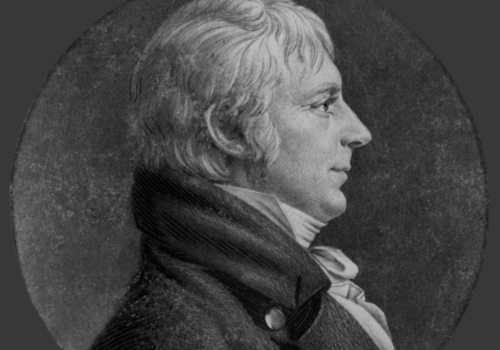
Killian K. Van Rensselaer (1763–1845) was a New York lawyer and Federalist politician who served five terms in the U.S. House of Representatives between 1801 and 1811, representing several New York congressional districts during the early years of the republic.

Henry Kiliaen Van Rensselaer (1744–1816), also known as Hendrick Kiliaen Van Rensselaer, was a Revolutionary War officer who served as a colonel in the New York militia and played a key role in the 1777 fighting near Fort Anne during the Saratoga campaign.
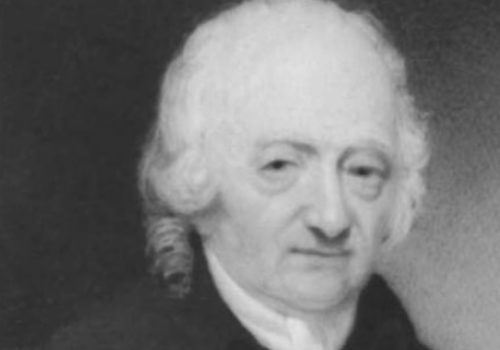
Jeremiah Van Rensselaer (1738–1810) was an early American politician, merchant, and banker who served in the First U.S. Congress and later as Lieutenant Governor of New York. A member of the prominent Van Rensselaer family, he was also active in Revolutionary War service and Albany civic life.
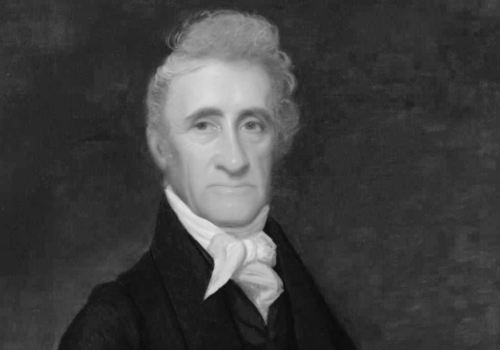
Stephen Van Rensselaer III (1765–1839) was the eighth patroon of Rensselaerswyck, a prominent New York politician, militia general in the War of 1812, and a leading supporter of education and infrastructure, including the Erie Canal and the founding of Rensselaer Polytechnic Institute.
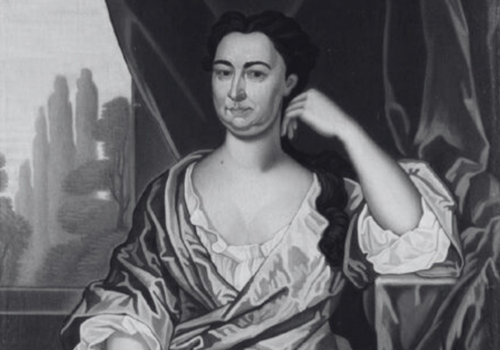
Maria Van Cortlandt Van Rensselaer (1645–1688) effectively governed the vast Rensselaerswyck estate after the death of her husband, Jeremias Van Rensselaer. For thirteen years she managed the patroonship’s farms, mills, finances, and tenants, preserving the estate for the Van Rensselaer family during a difficult period in colonial New York.
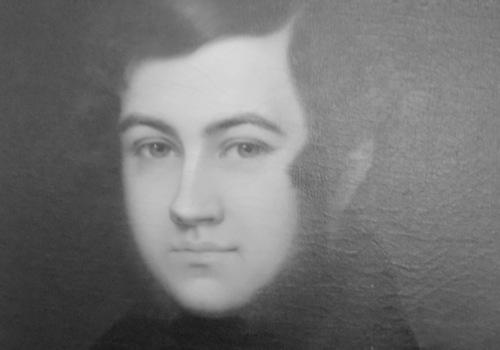
Henry Bell Van Rensselaer (1809–1864) was a U.S. congressman, farmer, and Union Army officer during the Civil War. A graduate of West Point and son of patroon Stephen Van Rensselaer III, he later served as a brigadier general and inspector general before his death in 1864.

Sarah Rapalje (1625–1685) was the first recorded European female child born in New Netherland. Born at Fort Orange (later Albany), she became the matriarch of a large colonial family, marrying twice and bearing fifteen children whose descendants spread widely throughout early New York society.
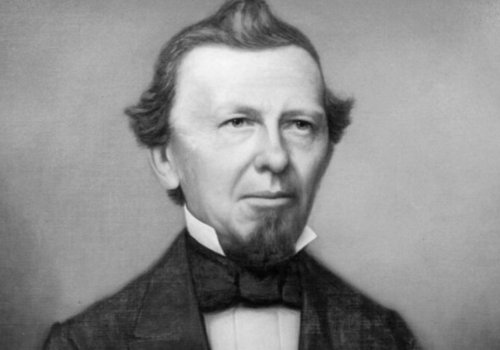
Albertus Christiaan Van Raalte (1811–1876) was a Dutch Reformed minister and immigrant leader who founded Holland, Michigan, and led nineteenth-century Dutch settlement in western Michigan.
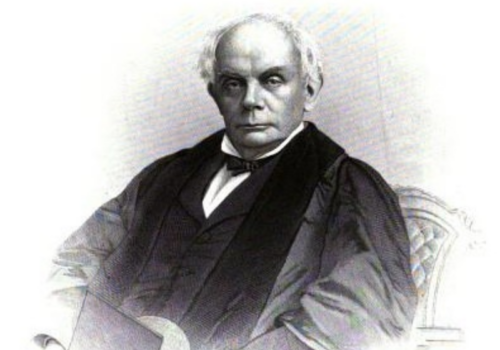
John Van Schaick Lansing Pruyn (1811–1877) was a New York lawyer, politician, and educator who served in the U.S. House of Representatives during the Civil War era and later became Chancellor of the University of the State of New York.

Erik Prince (b. 1969) is an American businessman and former U.S. Navy SEAL best known as the founder of the private military contractor Blackwater Worldwide (later Xe Services and Academi). His company became a major security contractor for the U.S. government during the Iraq War.
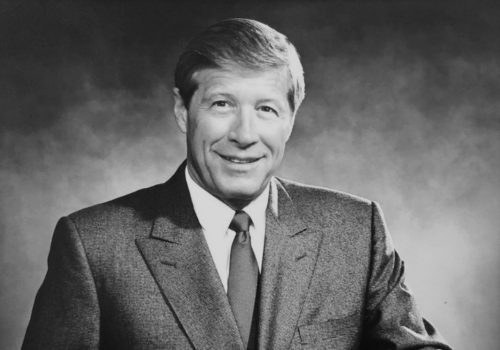
Edgar Prince (1931–1995) was an American engineer and entrepreneur who founded Prince Manufacturing in Holland, Michigan. His company became a major supplier of automotive components, particularly die-cast parts and lighted sun visors, before being sold to Johnson Controls.

Cornelius Plantinga Jr. (b. 1946) is an American theologian and scholar of Reformed theology who served as president of Calvin Theological Seminary in Grand Rapids, Michigan. He is known for influential writings on sin, Christian worship, and theology.

Leon Plantinga (b. 1935) is an American musicologist and pianist known for his scholarship on eighteenth- and nineteenth-century European music. A longtime professor at Yale University, he authored the influential textbook Romantic Music and studies on Clementi, Schumann, and Beethoven.

Alvin Plantinga (b. 1932) is an American philosopher known for influential work in philosophy of religion, epistemology, and metaphysics. A longtime professor at the University of Notre Dame, he is widely regarded as one of the most important contemporary Christian philosophers.
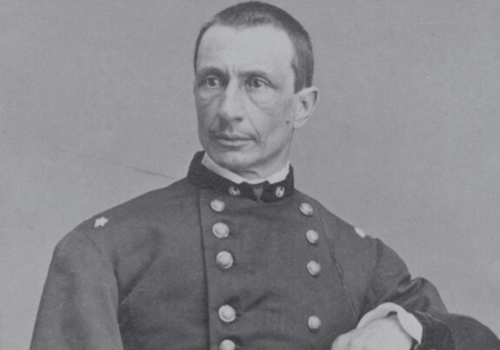
John Watts de Peyster (1821–1907) was an American military historian, philanthropist, and New York militia officer who was later breveted major general. Though not a battlefield commander, he influenced Civil War tactics through his writings and supported many historical and educational institutions.

Robert Van Rensselaer (1740–1802) was a Revolutionary War militia officer and New York political leader. Serving as a brigadier general in the Albany County Militia, he participated in campaigns around Fort Ticonderoga and the Battle of Klock’s Field while also serving in the New York Provincial Congress and State Assembly.
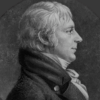
Killian K. Van Rensselaer (1763–1845) was a New York lawyer and Federalist politician who served five terms in the U.S. House of Representatives between 1801 and 1811, representing several New York congressional districts during the early years of the republic.

Henry Kiliaen Van Rensselaer (1744–1816), also known as Hendrick Kiliaen Van Rensselaer, was a Revolutionary War officer who served as a colonel in the New York militia and played a key role in the 1777 fighting near Fort Anne during the Saratoga campaign.
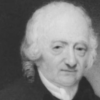
Jeremiah Van Rensselaer (1738–1810) was an early American politician, merchant, and banker who served in the First U.S. Congress and later as Lieutenant Governor of New York. A member of the prominent Van Rensselaer family, he was also active in Revolutionary War service and Albany civic life.
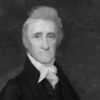
Stephen Van Rensselaer III (1765–1839) was the eighth patroon of Rensselaerswyck, a prominent New York politician, militia general in the War of 1812, and a leading supporter of education and infrastructure, including the Erie Canal and the founding of Rensselaer Polytechnic Institute.
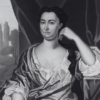
Maria Van Cortlandt Van Rensselaer (1645–1688) effectively governed the vast Rensselaerswyck estate after the death of her husband, Jeremias Van Rensselaer. For thirteen years she managed the patroonship’s farms, mills, finances, and tenants, preserving the estate for the Van Rensselaer family during a difficult period in colonial New York.
Henry Bell Van Rensselaer (1809–1864) was a U.S. congressman, farmer, and Union Army officer during the Civil War. A graduate of West Point and son of patroon Stephen Van Rensselaer III, he later served as a brigadier general and inspector general before his death in 1864.

Sarah Rapalje (1625–1685) was the first recorded European female child born in New Netherland. Born at Fort Orange (later Albany), she became the matriarch of a large colonial family, marrying twice and bearing fifteen children whose descendants spread widely throughout early New York society.
Albertus Christiaan Van Raalte (1811–1876) was a Dutch Reformed minister and immigrant leader who founded Holland, Michigan, and led nineteenth-century Dutch settlement in western Michigan.
John Van Schaick Lansing Pruyn (1811–1877) was a New York lawyer, politician, and educator who served in the U.S. House of Representatives during the Civil War era and later became Chancellor of the University of the State of New York.

Erik Prince (b. 1969) is an American businessman and former U.S. Navy SEAL best known as the founder of the private military contractor Blackwater Worldwide (later Xe Services and Academi). His company became a major security contractor for the U.S. government during the Iraq War.
Edgar Prince (1931–1995) was an American engineer and entrepreneur who founded Prince Manufacturing in Holland, Michigan. His company became a major supplier of automotive components, particularly die-cast parts and lighted sun visors, before being sold to Johnson Controls.

Cornelius Plantinga Jr. (b. 1946) is an American theologian and scholar of Reformed theology who served as president of Calvin Theological Seminary in Grand Rapids, Michigan. He is known for influential writings on sin, Christian worship, and theology.

Leon Plantinga (b. 1935) is an American musicologist and pianist known for his scholarship on eighteenth- and nineteenth-century European music. A longtime professor at Yale University, he authored the influential textbook Romantic Music and studies on Clementi, Schumann, and Beethoven.

Alvin Plantinga (b. 1932) is an American philosopher known for influential work in philosophy of religion, epistemology, and metaphysics. A longtime professor at the University of Notre Dame, he is widely regarded as one of the most important contemporary Christian philosophers.
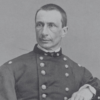
John Watts de Peyster (1821–1907) was an American military historian, philanthropist, and New York militia officer who was later breveted major general. Though not a battlefield commander, he influenced Civil War tactics through his writings and supported many historical and educational institutions.