

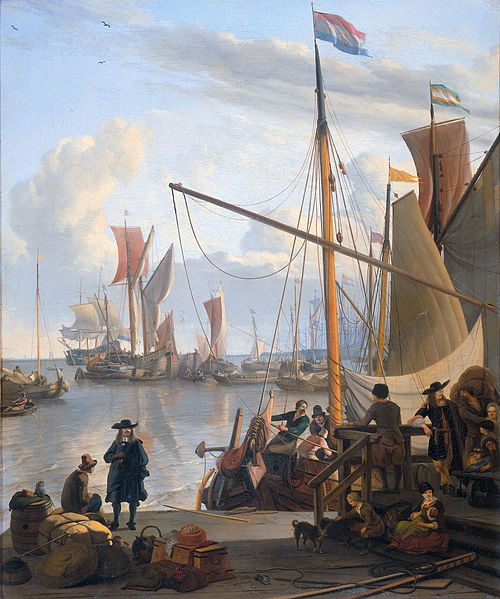



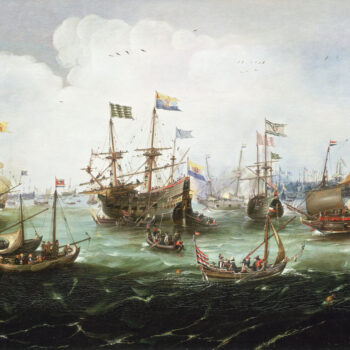
During the first decade of trade with the East Indies, a Dutch retourschip leaving Texel bound for the East Indies followed the old route that Arab and Portuguese sailors took—south
down the west coast of Africa, around the Cape of Good Hope, northeast through the Mozambique Channel and across the Indian Ocean, sometimes via India or Ceylon.
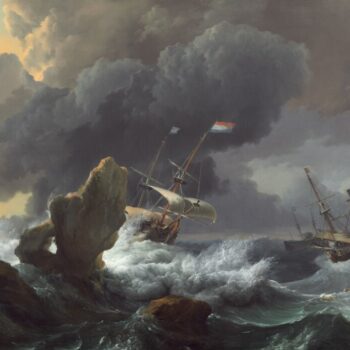
In the 1590s, the Dutch began to turn their attention to the East Indies, the lands and islands of Southeast Asia, and in time this interest grew into a vast moneymaking concern.
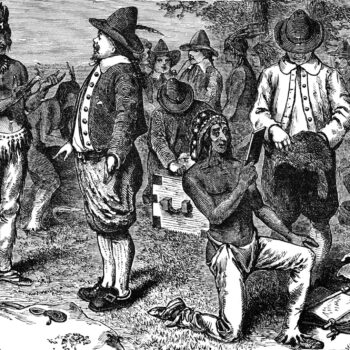
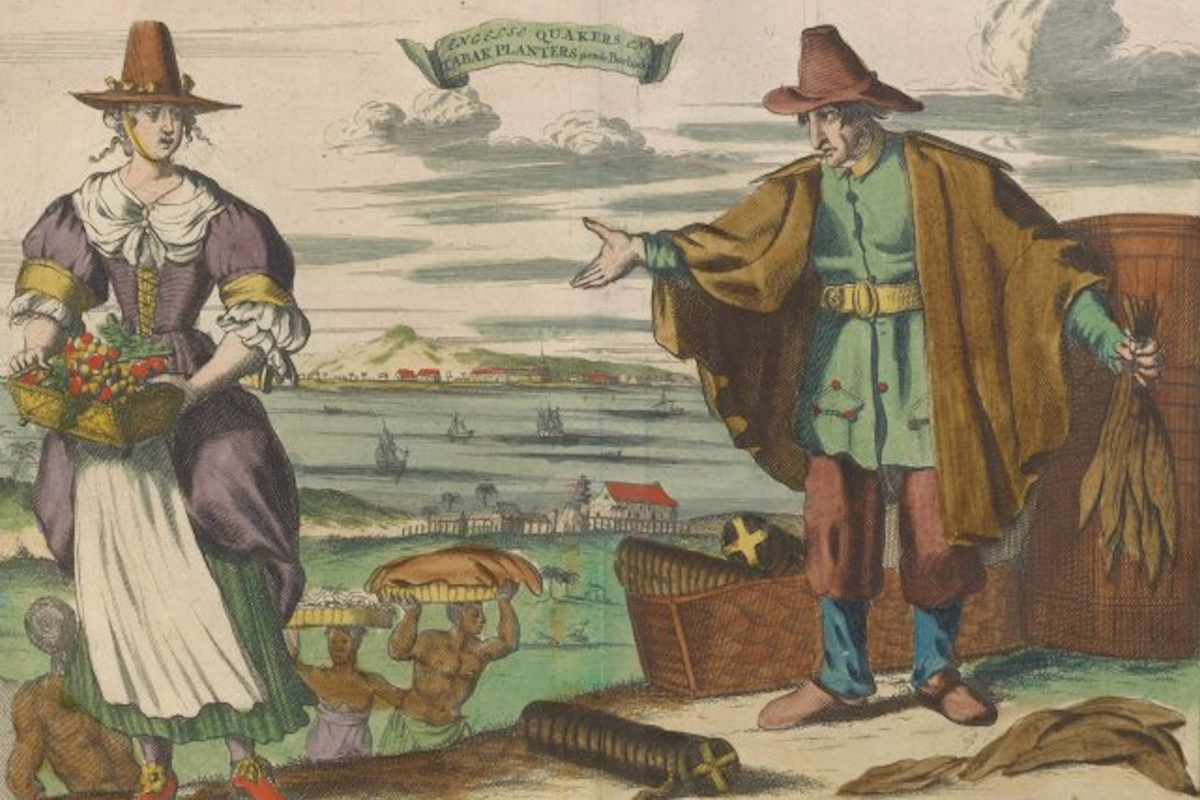
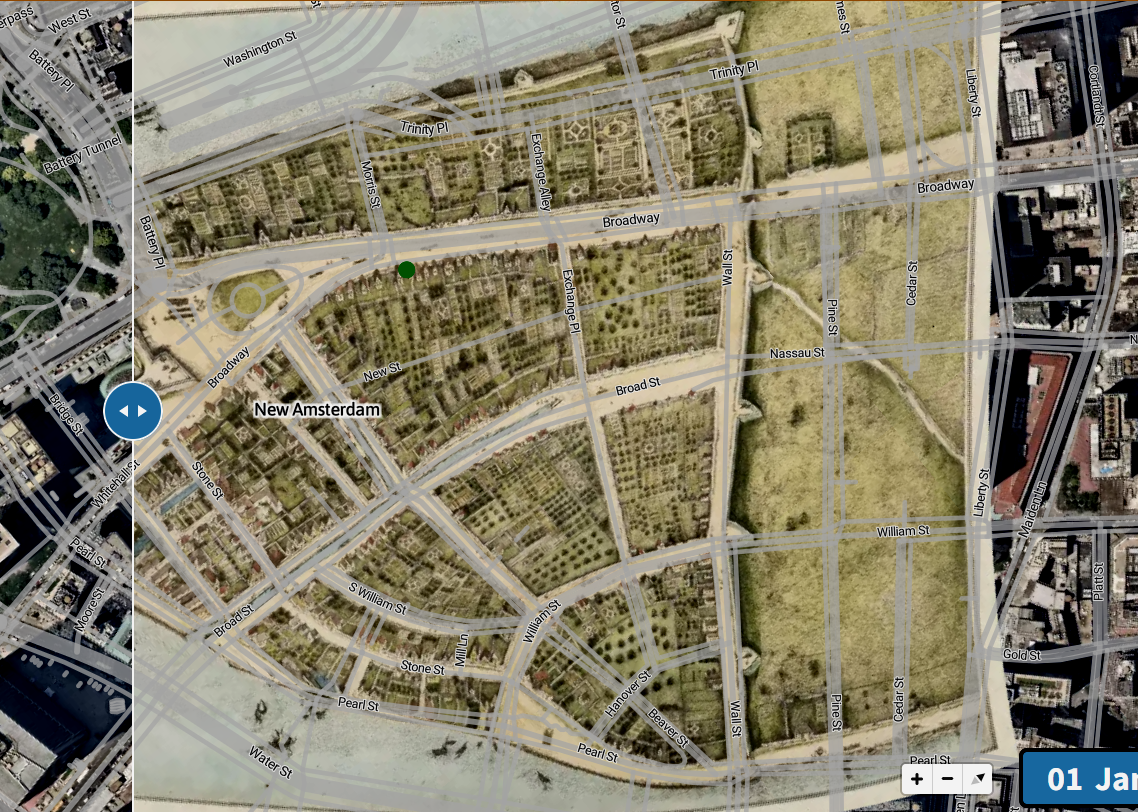
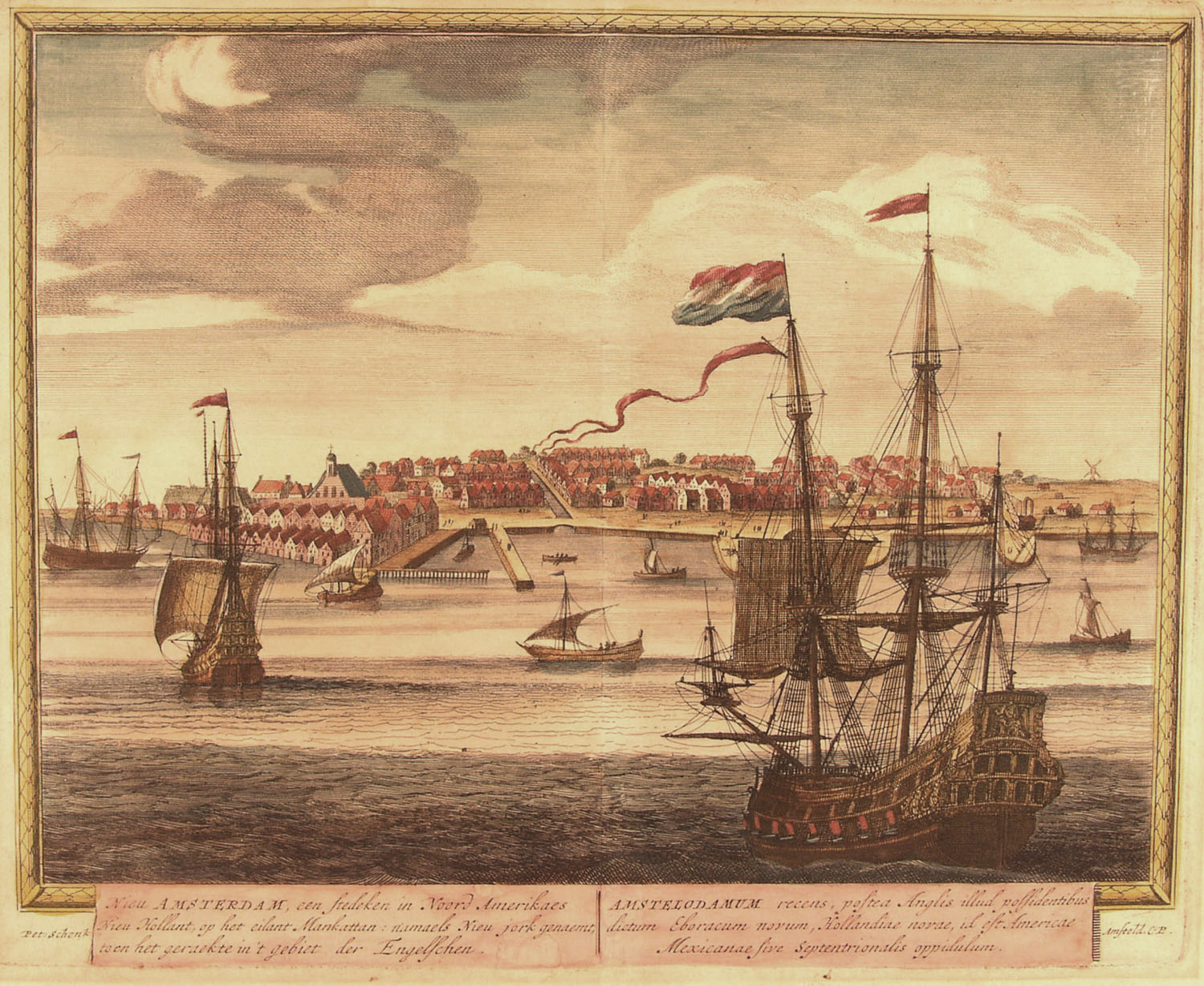
One the many myths that blur the story of the Dutch “purchase” of Manhattan—one that is firmly cemented in the popular psyche—says that the price was mere “beads and baubles.”
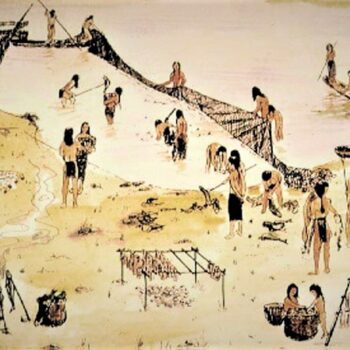
Whatever you believe to be true about the Dutch acquisition of Manhattan—notably the tale of the baubles and beads and the $24—there is another broader myth that underlies all of this.
One the many myths that blur the story of the Dutch “purchase” of Manhattan—one that is firmly cemented in the popular psyche—says that the price was mere “beads and baubles.”
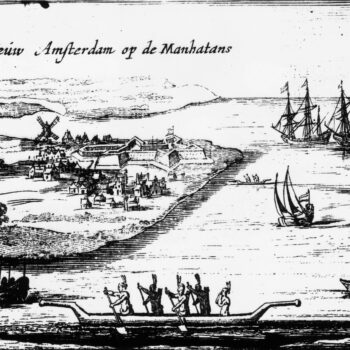
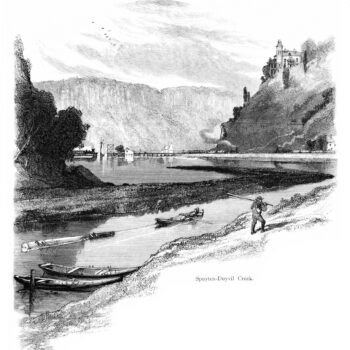
Perhaps the most peculiar name of a neighborhood in the Bronx—thee northernmost of the five boroughs of New York City— is Spuyten Duyvil.