

Scattered throughout the administrative records of New Netherland are documents relating to the wills and estates of New Netherland’s residents. These kinds of records often provide evidence of family groups; they might give clues about the marriages of daughters, include names of grandchildren, or provide details that help researchers understand the life an ancestor.
Often overlooked by researchers, land and property records offer valuable insights into ancestors’ lives. Translated volumes reveal abundant leases, sales, home transfers, and goods transactions like livestock and equipment.
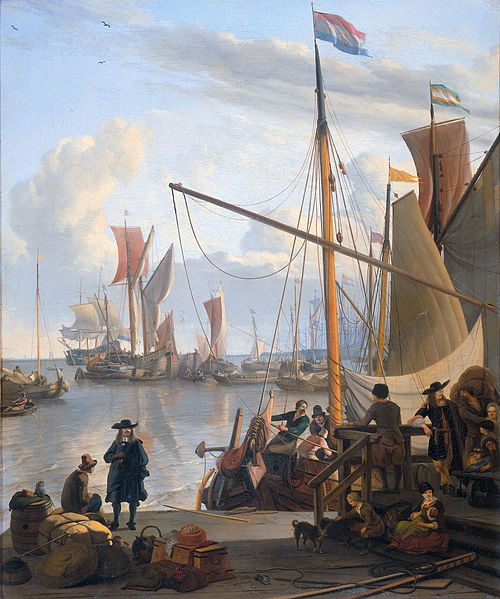
It should not be forgotten that New Netherland was at heart a commercial enterprise and, though a Dutch colony, had residents from many other places. The records reflect this focus on commerce, with frequent mentions of goods moving into and out of the colony.
Occupational details can distinguish individuals with similar names and offer deeper insight into their lives. Translated records occasionally reference trades, even when the person’s work isn’t the primary focus.
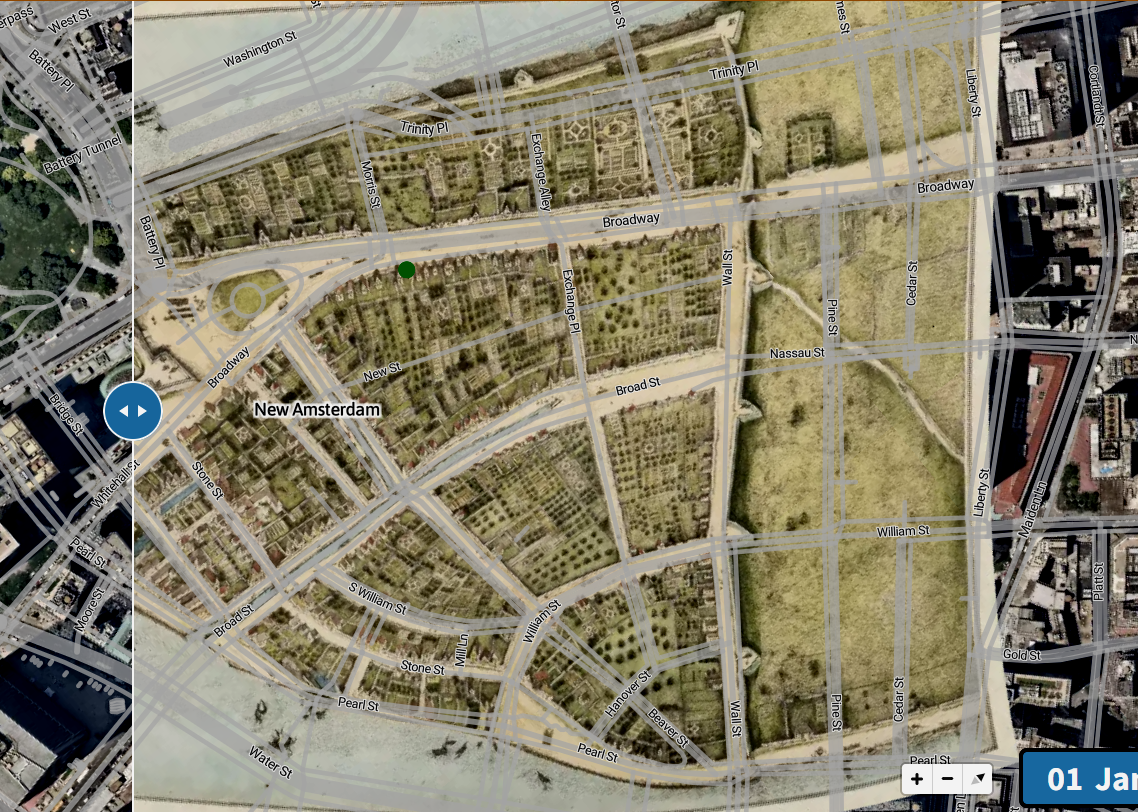
Discover the everyday lives of New Netherland ancestors through translated records—revealing their homes, values, disputes, politics, and routines that bring depth and color to family history research.
Tracking the migrations of our ancestors from either patria to colony or within the colonies can be difficult, but there are records that contain such information. While researchers are unlikely to find a list of a ship’s passengers as they might while researching more recent generations, there are a few examples that come close.
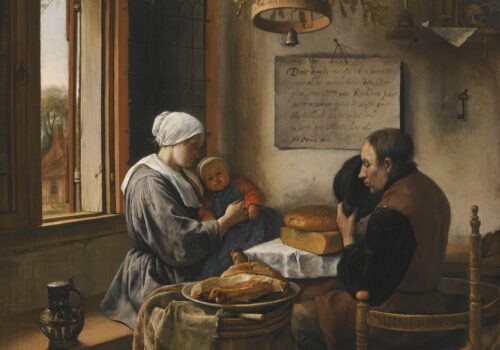
For family historians vital records offer the most basic and essential facts about an individual’s life. When researching recent generations we rely on birth certificates, marriage licenses, and death certificates held at local or state offices. Finding evidence to pinpoint these important life events in the seventeenth century, however, can be a considerable challenge.
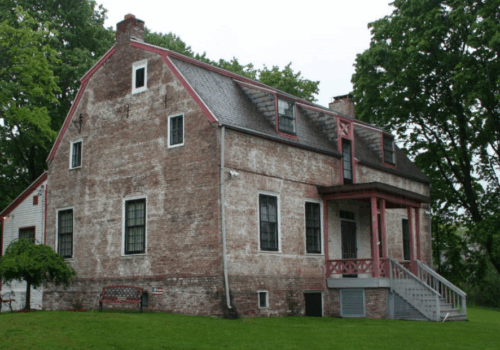
Introduction In New York, there are many houses built in the “Netherlandish Style,” a style of building found in the Netherlands and nearby in what...
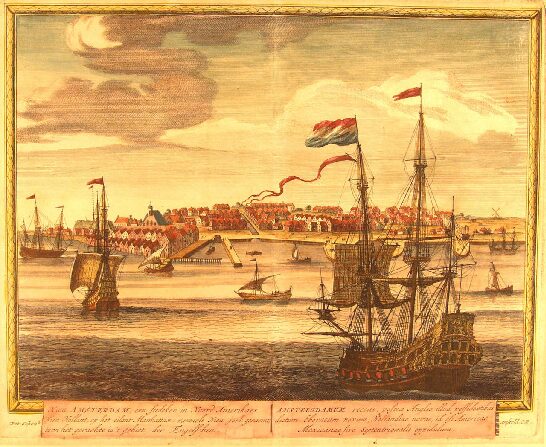
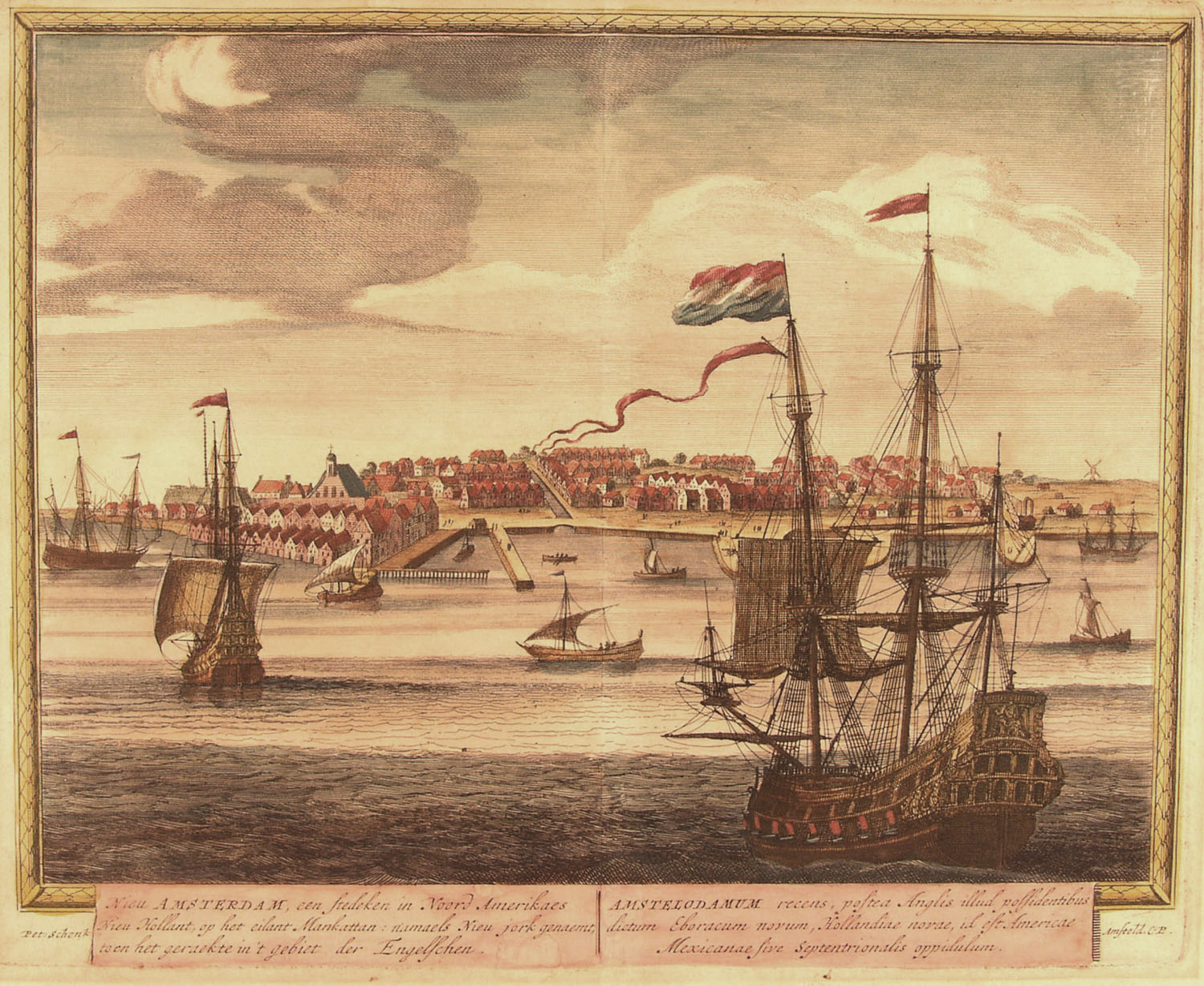
Nieu Amsterdam, een stedeken in Noord Amerikaes Nieu Hollant, op het eilant Mankattan: Namaels Nieu Jork genaemt, toen het geraekte in’t gebiet der Engelschen. (New...
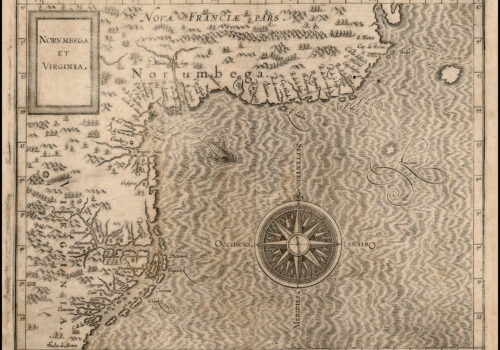
Norumbega et Virginia. (Norumbega [i.e. North America] and Virginia.) 1597. Mapmaker: Cornelius Wytfliet A well-executed engraving depicting the northeastern American coastline as it was perceived...
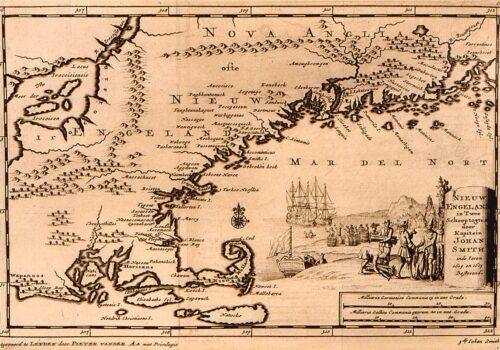
Nieuw Engeland in Twee Scheeptogen door Kapitein Johan Smith inde iaren 1614 en 1615 bestevend. (New England as Described by Captain John Smith in two...
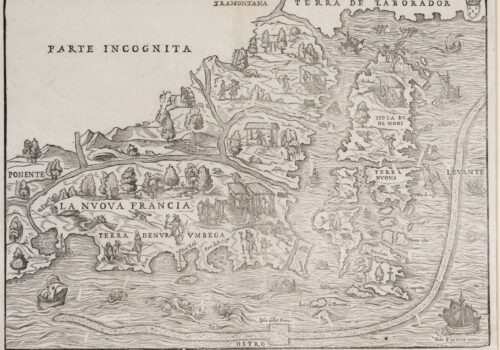
The Northeast/New York City, 1556 Mapmakers: Giacomo Gastaldi and J.B. Ramusio The first printed map devoted to the New England region. It contains the most...