

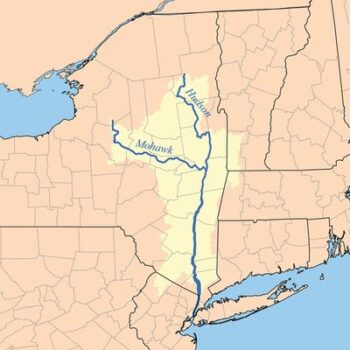
The Hudson River is known all over the world as the major waterway that runs by Manhattan Island and north into New York State. The Hudson made New York City and New York State what they are today.
In 1624, thirty Walloon families fleeing Spanish Catholic rule arrived with Cornelis May aboard the Nieu Nederlandt. Most settled upriver; eight men remained on Nut Island for fur trading.
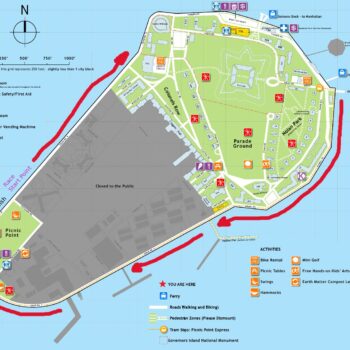
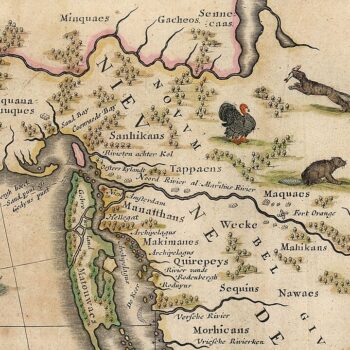
In 1624, thirty Walloon families fleeing Spanish Catholic rule arrived with Cornelis May aboard the Nieu Nederlandt. Most settled upriver; eight men remained on Nut Island for fur trading.
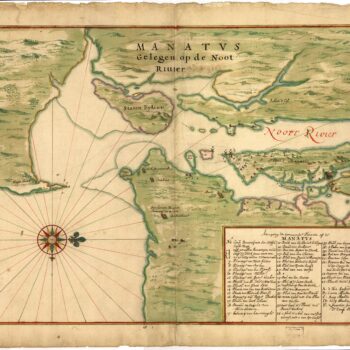
Named for the Dutch States General, Staten Island was purchased in 1630 by Pieter Minuit. Though promising, early Dutch settlements struggled after conflict erupted with local tribes in 1641.
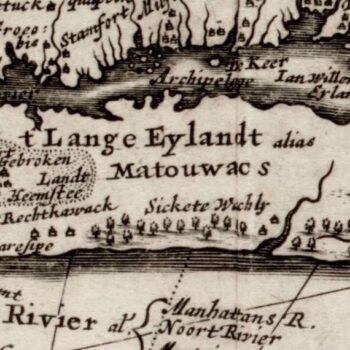
Long Island, once called 't Lange Eylandt by the Dutch, became a contested territory between New Netherland and New England. Dutch and English place names reflect its rich, conflicted colonial history.
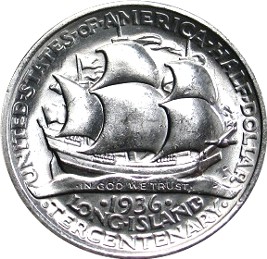
Founded in 1660 by French immigrants, Boswijck quickly grew between Breuckelen and Middleburgh. Amid war and English threats, settlers petitioned for protection—yet by 1664, Boswijck became Bushwick under English rule.
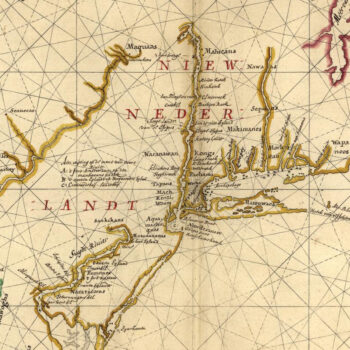
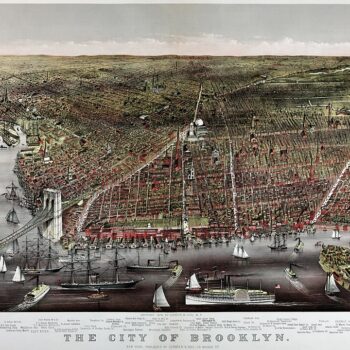
In 1636, Dutch pioneers settled western Long Island, founding Breuckelen in 1646. Farms lined an old trail, and ferry service began in 1642—later giving rise to today’s Fulton Street.
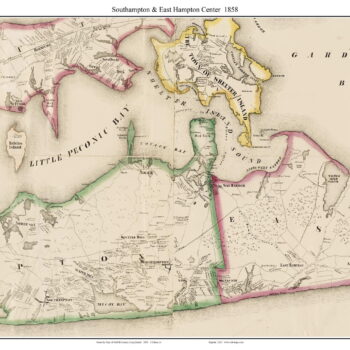
In 1640, English settlers from Massachusetts attempted to settle western Long Island but were expelled by the Dutch. They moved east, founding Southold—the first English settlement in present-day Suffolk County.
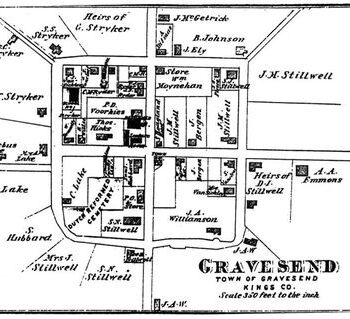
In 1643, Lady Deborah Moody, fleeing religious intolerance, founded a settlement in New Netherland. As an Anabaptist and noblewoman, she became the first woman to establish a colony in America.
In 1643, English families from Connecticut settled a fertile Long Island plain. Granted permission by the Dutch, they swore allegiance and gained autonomy in church, law enforcement, and local governance.