
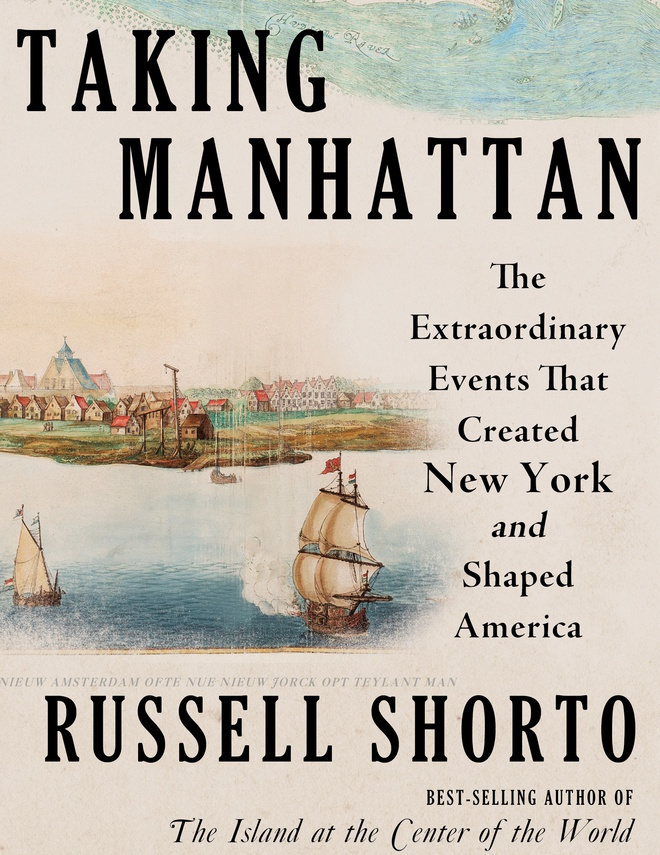

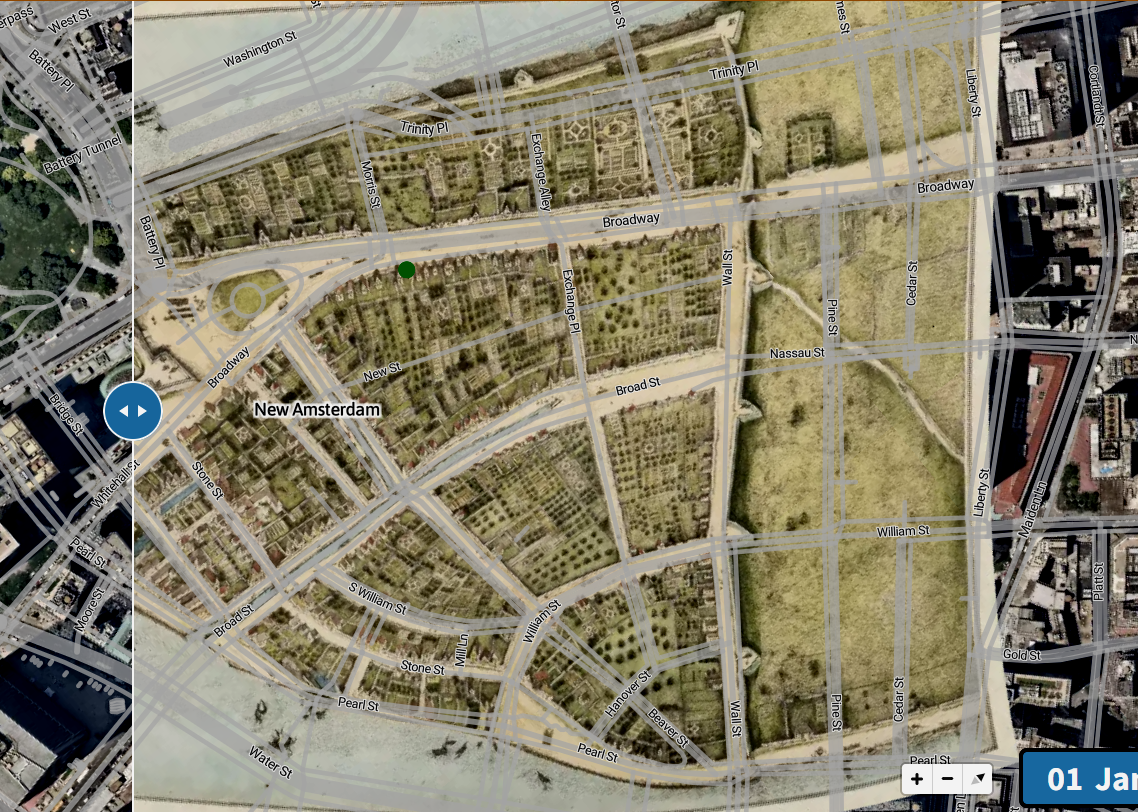
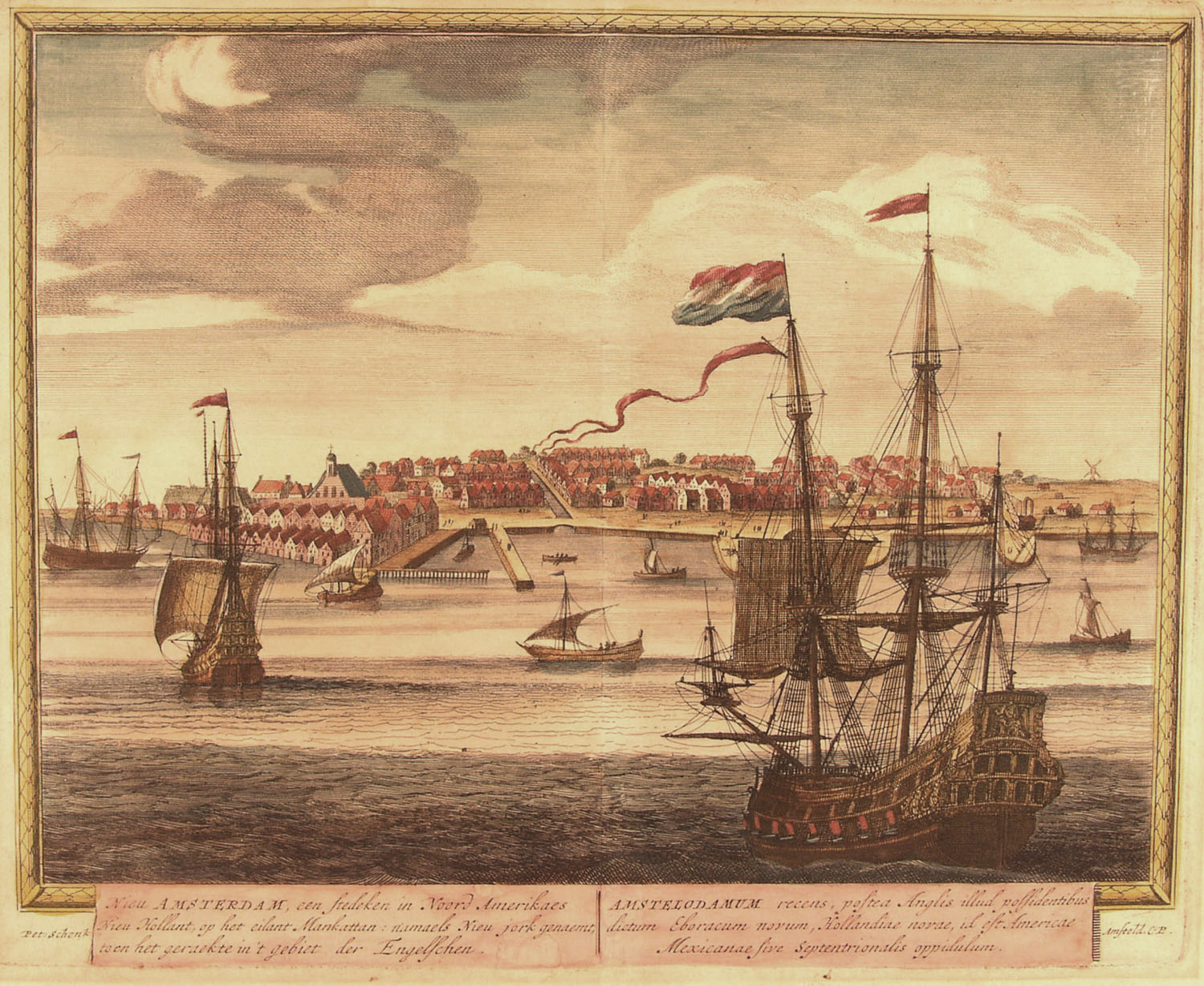

New Amsterdam, the Dutch capital on Manhattan’s southern tip, had just fifteen streets and under 1,000 residents. Yet its multicultural makeup—18 languages, many ethnicities—laid the foundation for New York City’s diversity.
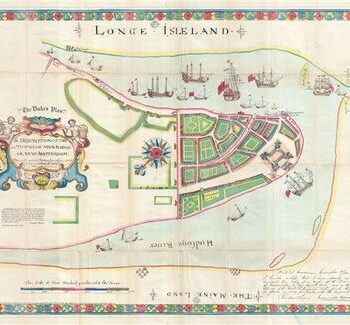
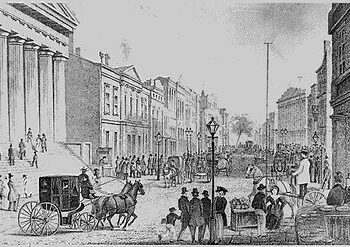
Wall Street takes its name from the wooden wall the Dutch erected in the 1650s to protect New Amsterdam from potential British or Native attacks. The wall stood near today's Wall Street.
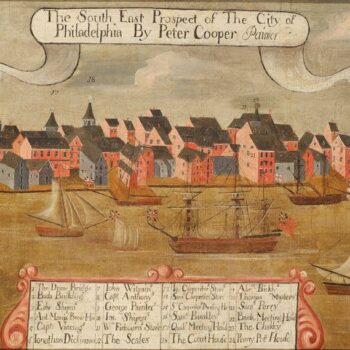
Philadelphia was founded during the English period in 1681 by William Penn, but European presence dated back to 1646, when Dutch, Swedish, and English groups competed for land and fur trade.
Before choosing Manhattan, the Dutch planned their capital on Burlington Island. Later, Fort Nassau became their fur-trading post, but the Swedes outmaneuvered them until Fort Nassau was relocated in 1651.
Ask ChatGPT
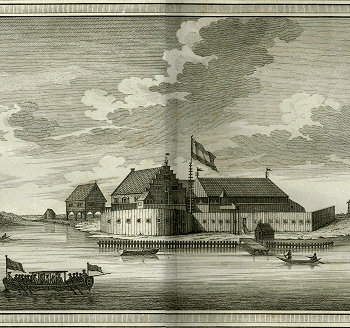
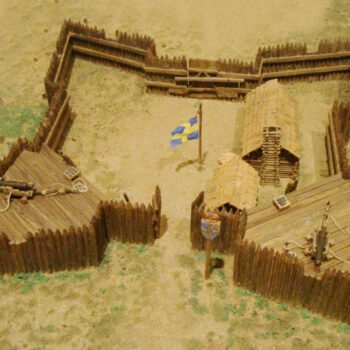
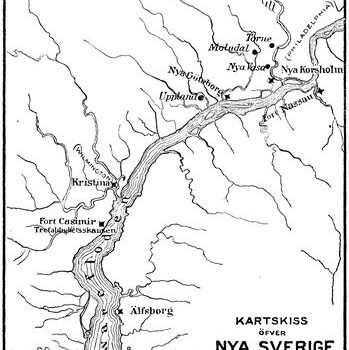
In 1638, Peter Minuit, formerly of New Netherland, led Swedish settlers to the South River, claiming it as New Sweden. At Minquas Kill, they founded Fort Christina, challenging Dutch authority.
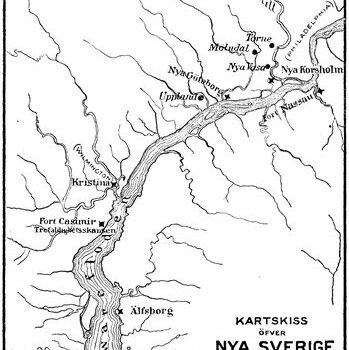
In 1638, the Swedes founded New Sweden in Dutch-claimed territory, triggering a struggle over the South River. Forts Nassau and Elfsborg marked rival positions, though Elfsborg earned the nickname “Fort Mosquito.”
ChatGPT said:
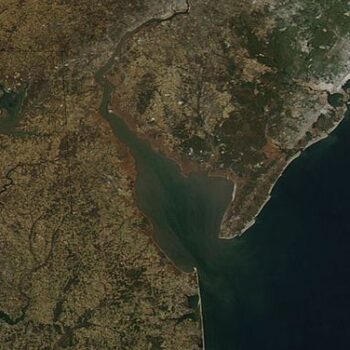
In 1631, Dutch investors established the patroonship of Swaanendael on Delaware Bay, hoping to profit from whales. Despite earlier claims, Dutch settlement lagged due to prosperity back home and colonization risks.
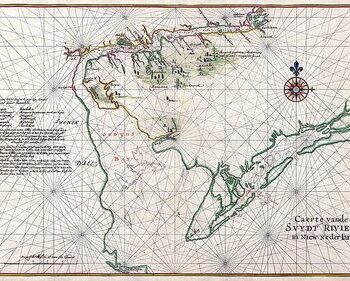
In 1631, Dutch investors established the patroonship of Swaanendael on Delaware Bay, hoping to profit from whales. Despite earlier claims, Dutch settlement lagged due to prosperity back home and colonization risks.