
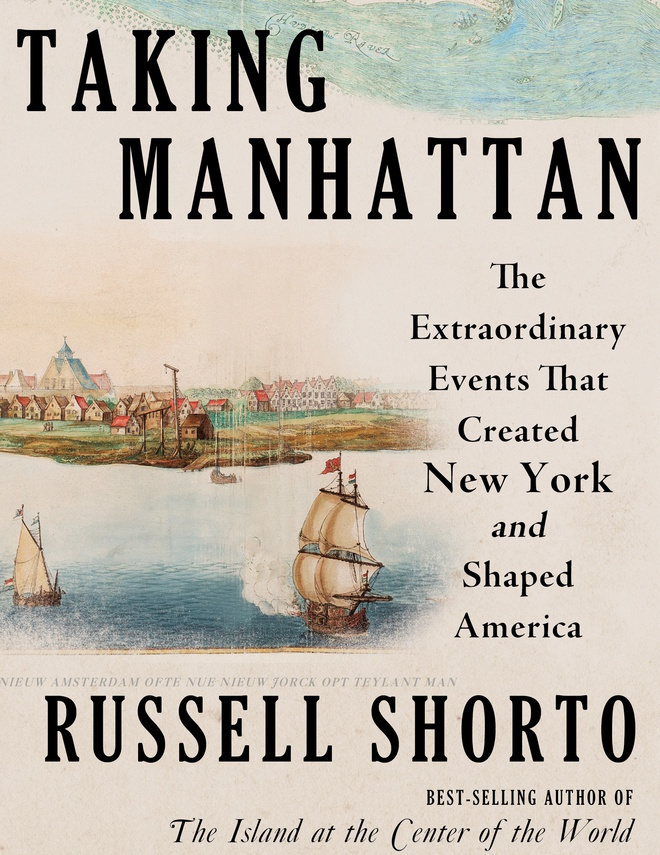

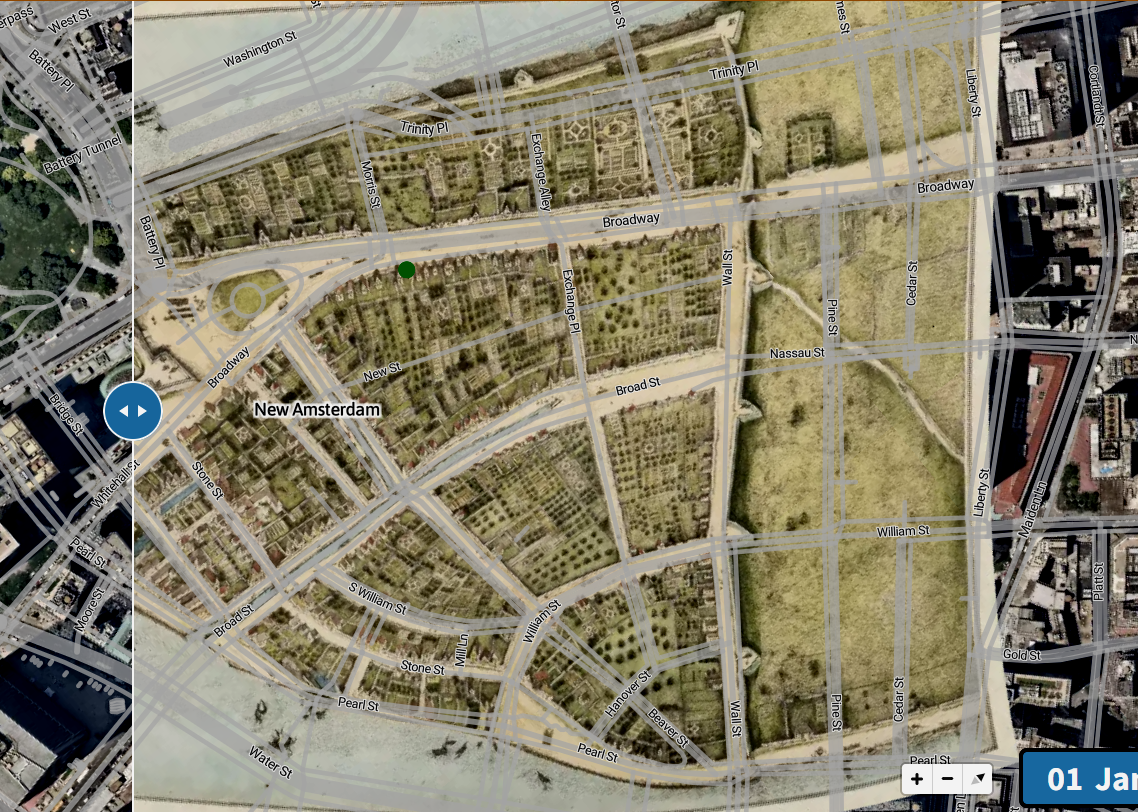
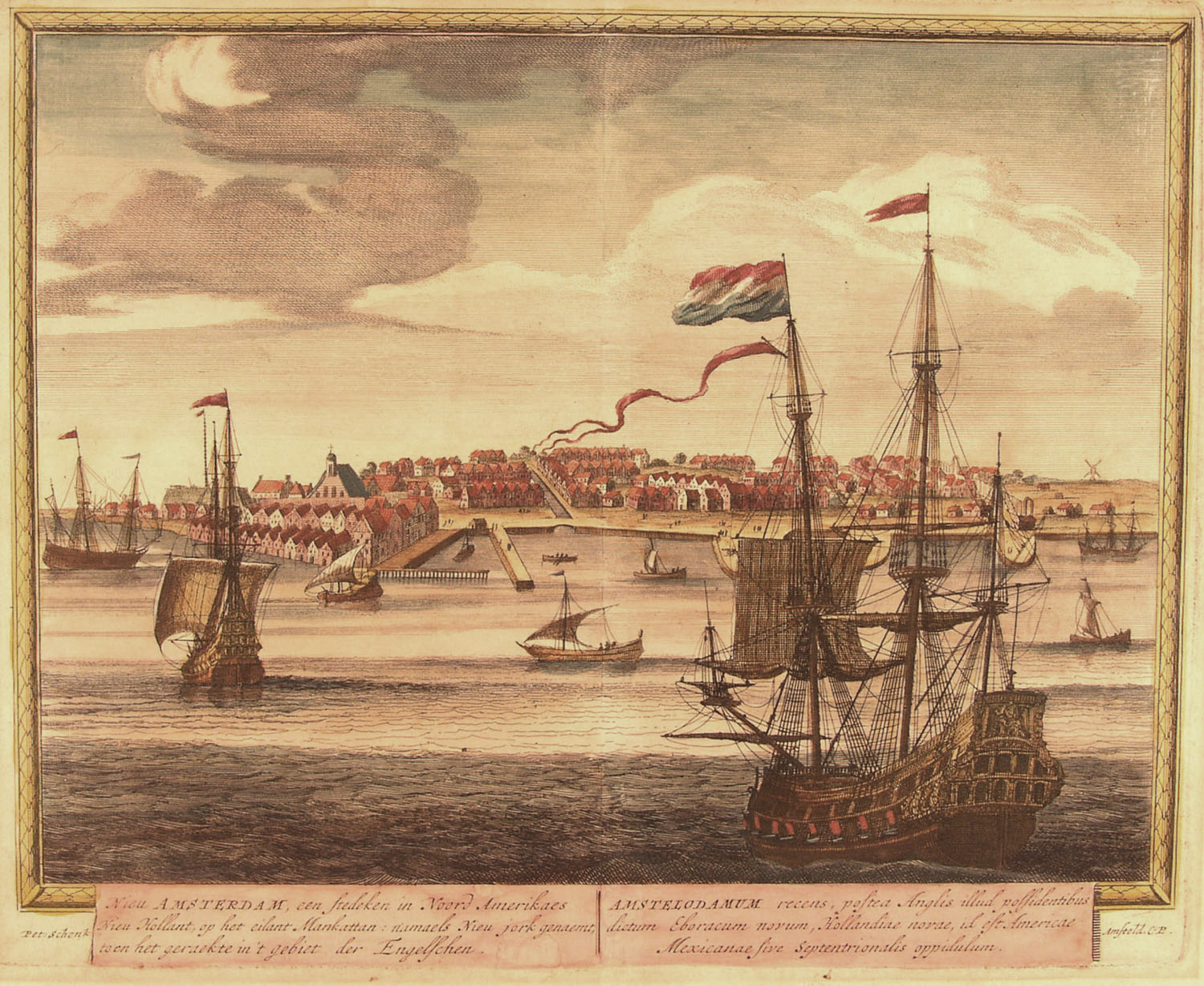
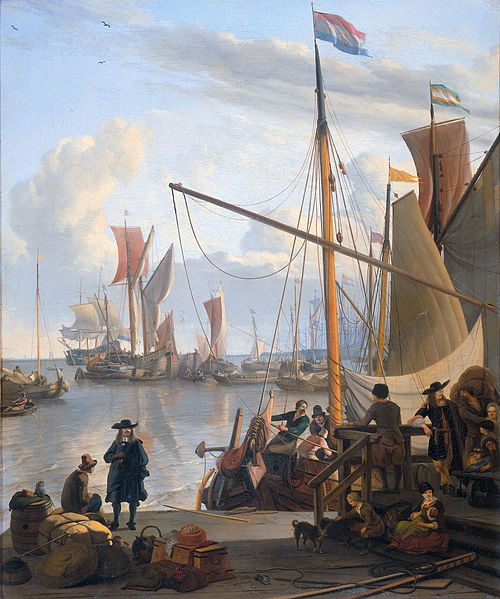

The capital city of New York has an unusually patchwork history. Needless to say, the area was under Dutch control before it fell into English hands, but even in the Dutch period there were three distinct entities that vied with one another over territory and rights.
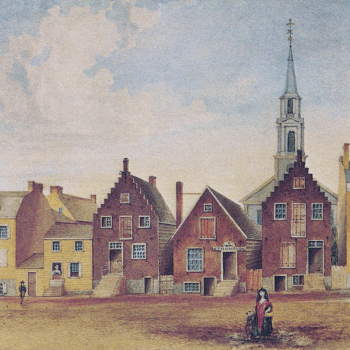
In 1614, Dutch traders built Fort Nassau on Castle Island for fur trade with inland natives. Despite strategic placement, flooding forced its abandonment by 1618, delaying permanent Dutch settlement.
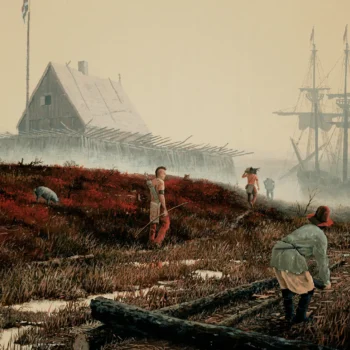
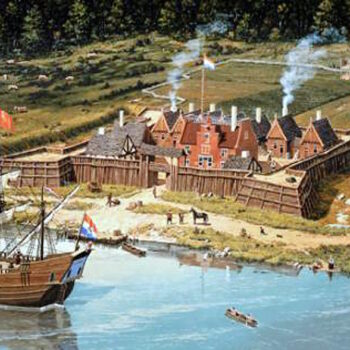
In 1624, the Dutch built Fort Orange on the mainland near Fort Nassau’s site, securing key fur trade routes. It became the foundation for Albany and a vital hub for beaver exports.
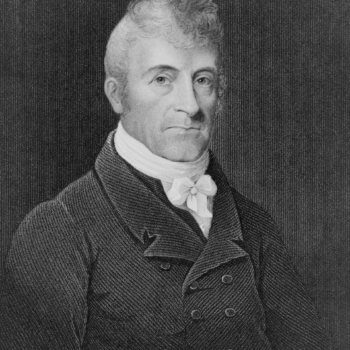
In 1631, Killiaen van Rensselaer founded Rensselaerswijck near Fort Orange, establishing the only successful Dutch patroonship. His private farming colony endured for generations, shaping early New York settlement.
In 1652, a power struggle erupted between Brant Van Slichtenhorst and Petrus Stuyvesant over control of land near Fort Orange. Stuyvesant prevailed, claiming the area and founding Beverwijck.
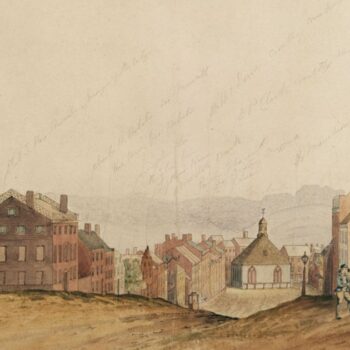
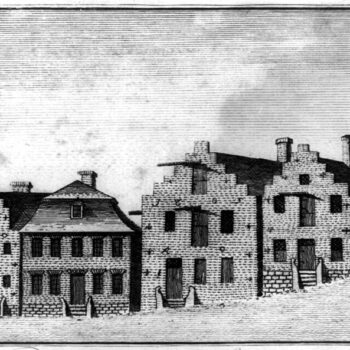
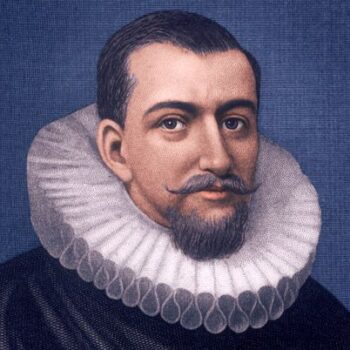
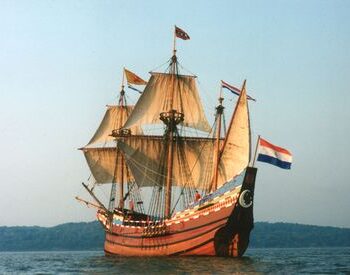
Henry Hudson’s 1609 voyage for the Dutch led to the exploration of the Hudson, Connecticut, and Delaware rivers, prompting Dutch claims and shaping New Netherland’s legacy—including New York’s unique character.
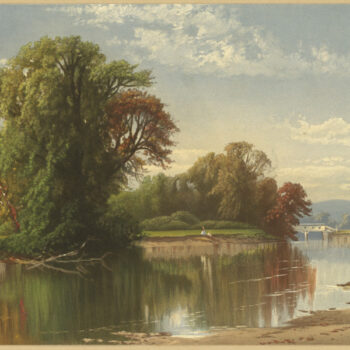
In the 1650s, settlers from Fort Orange founded Esopus midway up the Hudson River, where cargo shifted to smaller boats. Named for a local creek, it became a key farming village.
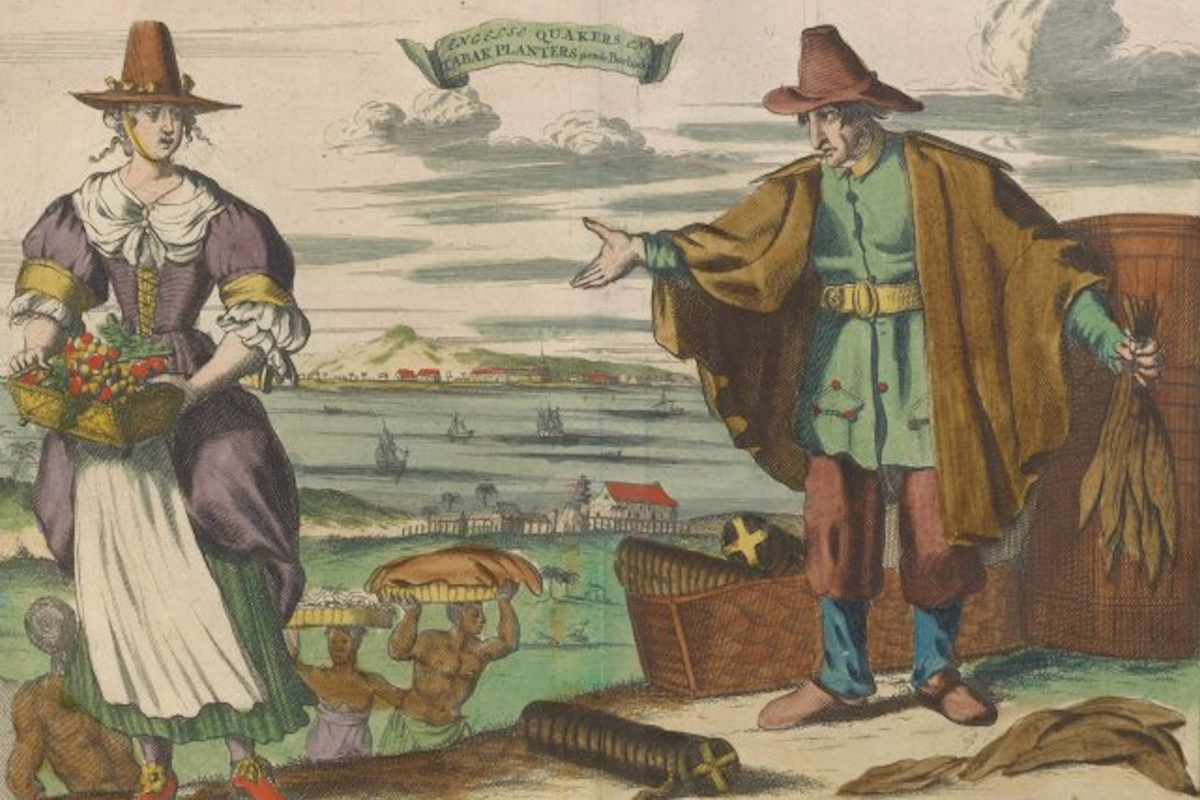
Drawn by dreams of Asian trade, the Dutch stayed in North America for beaver pelts. Beaver fur, ideal for warm felt hats, became essential in rising 17th-century European fashion.
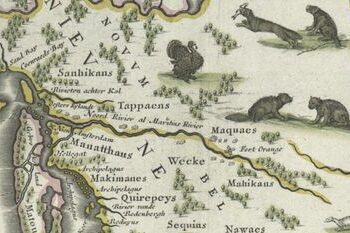
De Halve Maen (The Half Moon) was the name of the ship in which Henry Hudson charted the river that now bears his name. It was an 85-foot, square-rigged, three-masted wooden sailing vessel, which carried a crew of 15 to 20 men.