
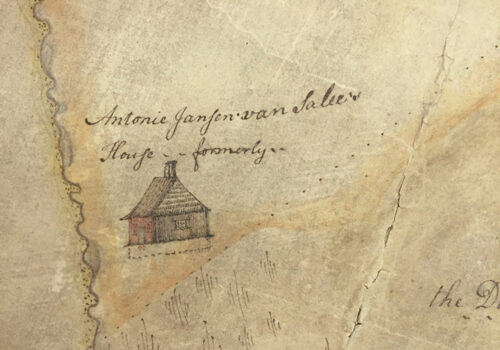
In 1643, Anthony Jansen Van Salee received land on Long Island. Later settled and organized by Jacques Cortelyou, it became New Utrecht, named for Cornelius van Werckhoven’s Dutch hometown.
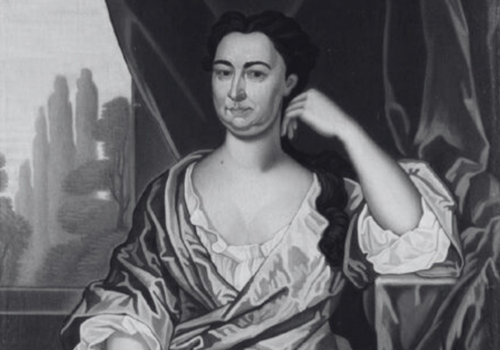
Maria Van Cortlandt Van Rensselaer (1645–1688) effectively governed the vast Rensselaerswyck estate after the death of her husband, Jeremias Van Rensselaer. For thirteen years she managed the patroonship’s farms, mills, finances, and tenants, preserving the estate for the Van Rensselaer family during a difficult period in colonial New York.
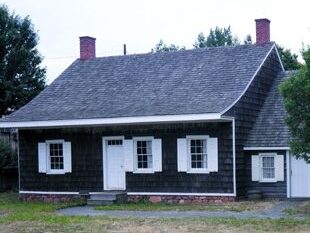
Founded in 1636, Amersfoort grew into a thriving town with farms, magistrates, and taverns. By 1656, its residents collaborated with nearby villages to support church construction and fund a minister.
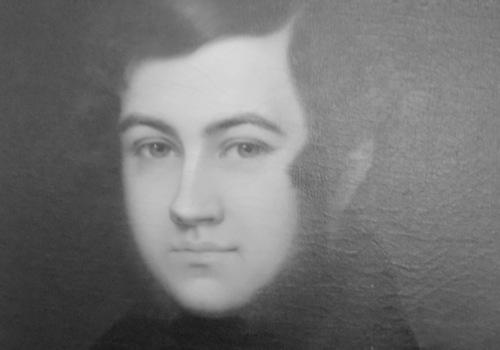
Henry Bell Van Rensselaer (1809–1864) was a U.S. congressman, farmer, and Union Army officer during the Civil War. A graduate of West Point and son of patroon Stephen Van Rensselaer III, he later served as a brigadier general and inspector general before his death in 1864.
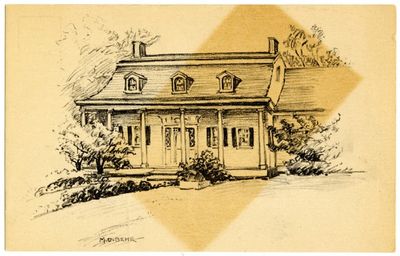
In the 1640s, Dutch settlers avoided a heavily wooded area on Long Island. By 1652, they founded Midwout—later called Flatbush, from the Dutch “vlackebos,” meaning wooded plain.

Sarah Rapalje (1625–1685) was the first recorded European female child born in New Netherland. Born at Fort Orange (later Albany), she became the matriarch of a large colonial family, marrying twice and bearing fifteen children whose descendants spread widely throughout early New York society.
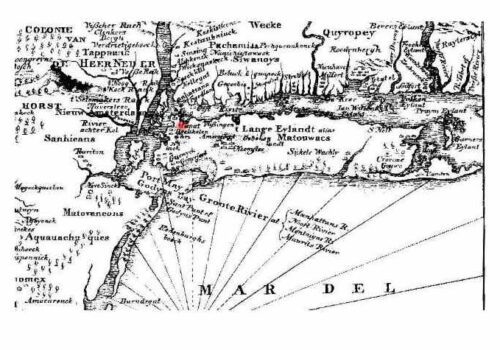
In 1642, English minister Francis Doughty founded Maspeth in Queens under Dutch rule. Expelled from Massachusetts for radical preaching, he accepted Willem Kieft’s offer of land and religious freedom.
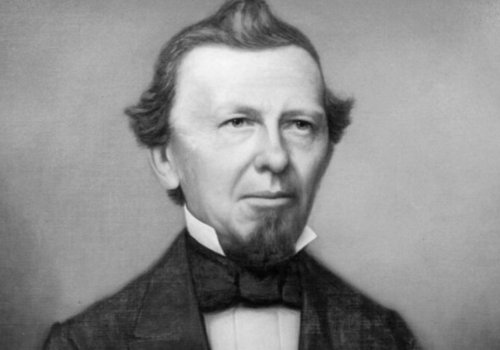
Albertus Christiaan Van Raalte (1811–1876) was a Dutch Reformed minister and immigrant leader who founded Holland, Michigan, and led nineteenth-century Dutch settlement in western Michigan.
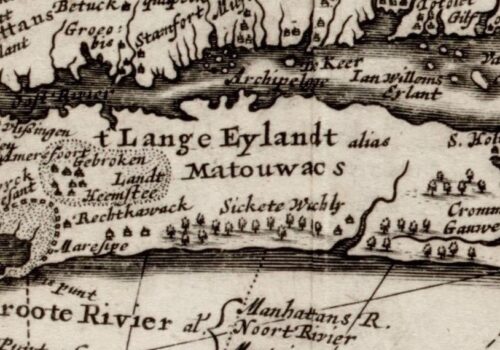
In 1643, English families from Connecticut settled a fertile Long Island plain. Granted permission by the Dutch, they swore allegiance and gained autonomy in church, law enforcement, and local governance.
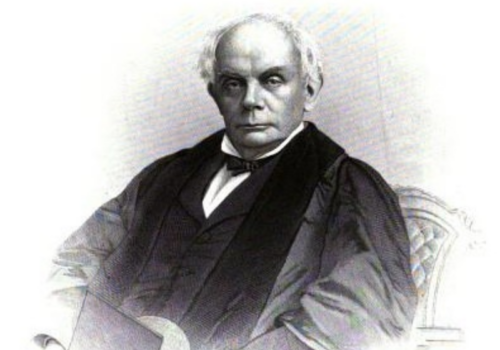
John Van Schaick Lansing Pruyn (1811–1877) was a New York lawyer, politician, and educator who served in the U.S. House of Representatives during the Civil War era and later became Chancellor of the University of the State of New York.