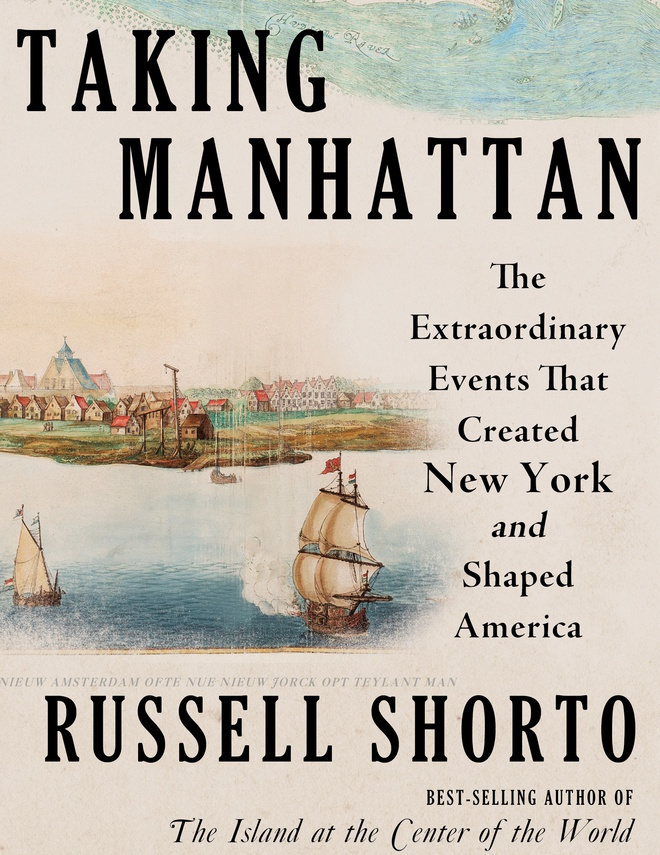
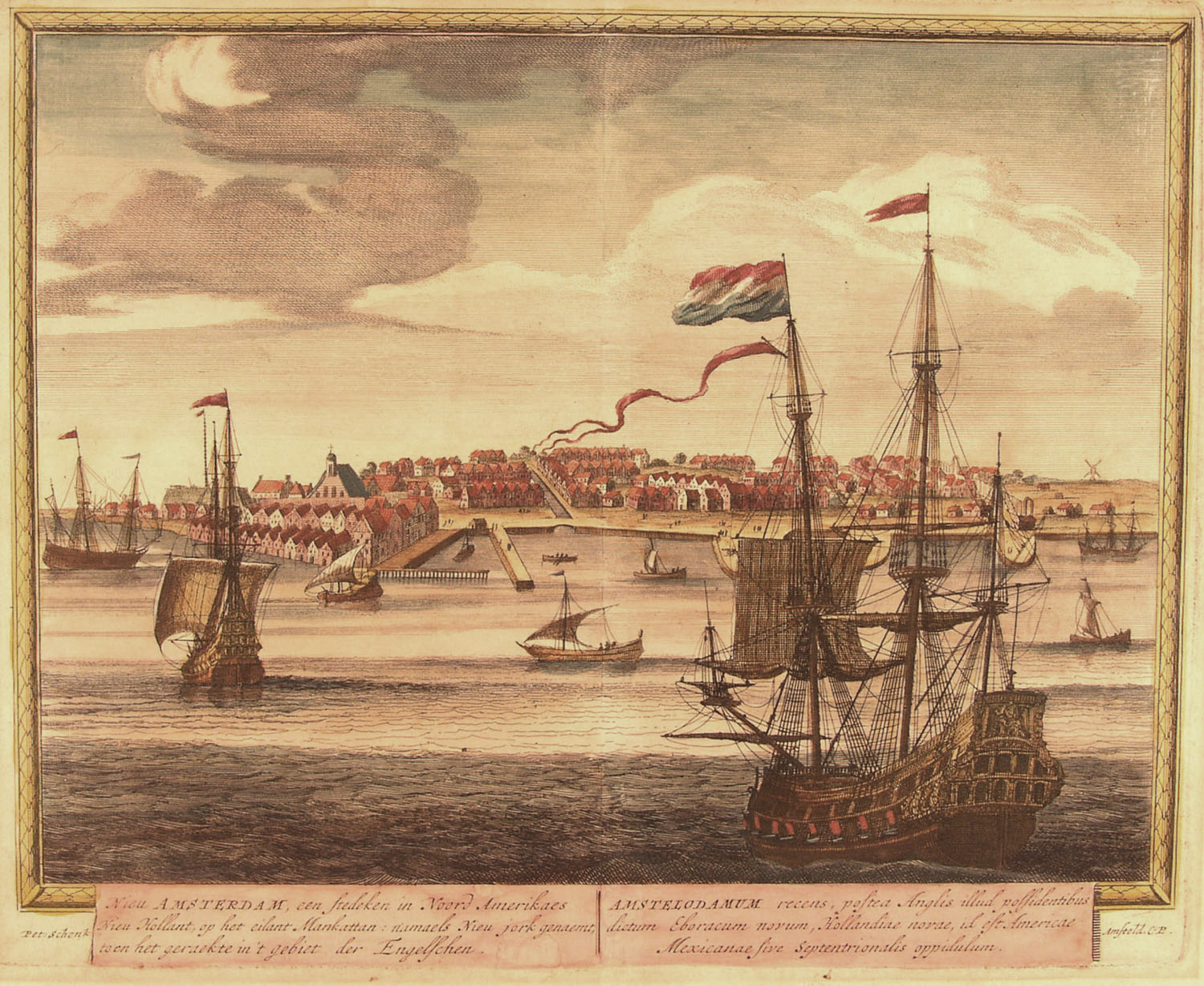

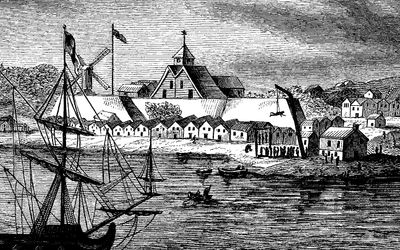
In the seventeenth century, forts were essential for trade and defense. Once Manhattan was chosen as New Netherland’s center, establishing a fort there was an obvious and necessary first step.
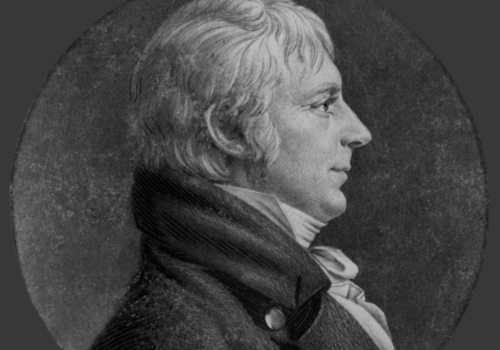
Killian K. Van Rensselaer (1763–1845) was a New York lawyer and Federalist politician who served five terms in the U.S. House of Representatives between 1801 and 1811, representing several New York congressional districts during the early years of the republic.
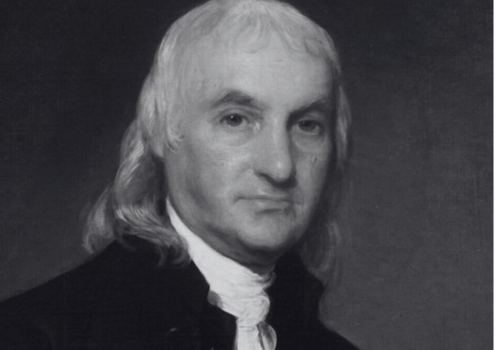
Isaac Roosevelt (1726–1794) was an American merchant, industrialist, and politician in colonial New York. A sugar refiner and cofounder of the Bank of New York, he also served in the New York Provincial Congress and State Senate and was an ancestor of President Franklin D. Roosevelt.
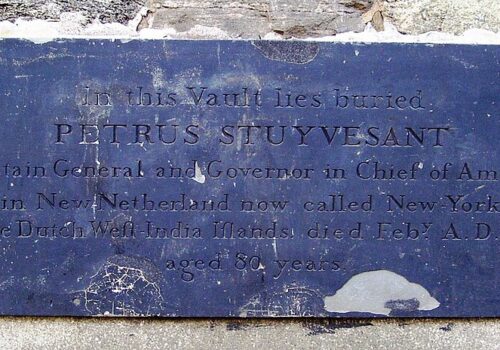
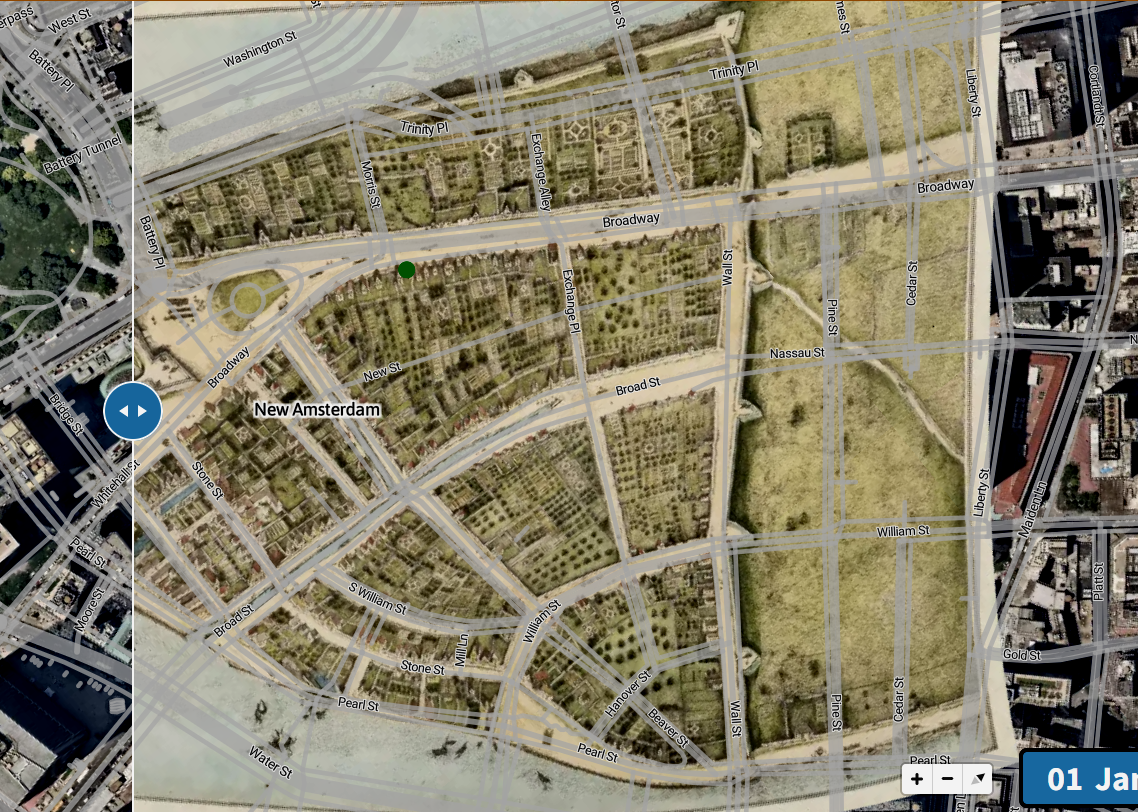
The Dutch established large farms north of New Amsterdam, including the famed Bowery Number One. Bowery Lane connected them to the city, eventually evolving into today’s Bowery between Chinatown and the Lower East Side.

Henry Kiliaen Van Rensselaer (1744–1816), also known as Hendrick Kiliaen Van Rensselaer, was a Revolutionary War officer who served as a colonel in the New York militia and played a key role in the 1777 fighting near Fort Anne during the Saratoga campaign.
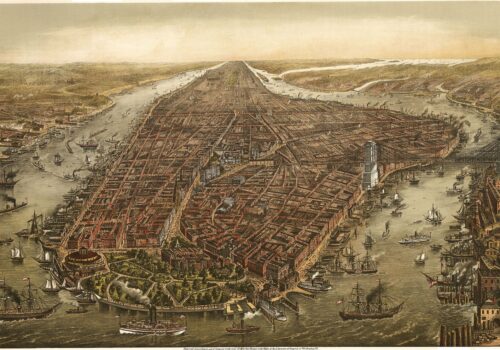
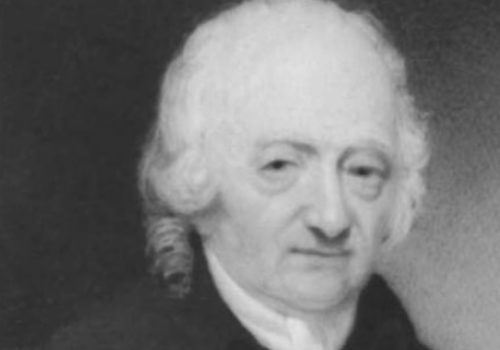
Jeremiah Van Rensselaer (1738–1810) was an early American politician, merchant, and banker who served in the First U.S. Congress and later as Lieutenant Governor of New York. A member of the prominent Van Rensselaer family, he was also active in Revolutionary War service and Albany civic life.
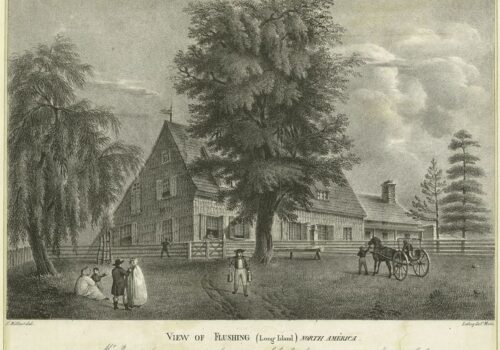
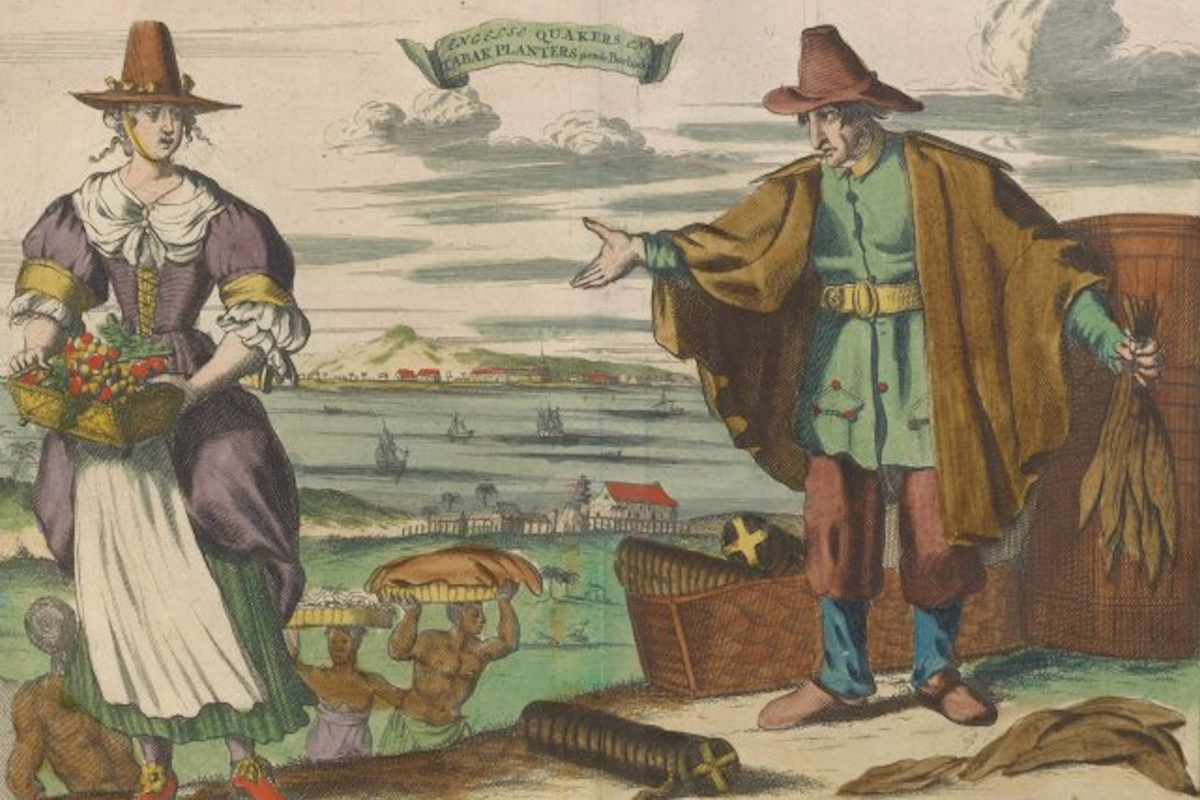
The town of Vlissingen, later Flushing, became a center of religious controversy in the 1650s. Quaker residents defied Dutch restrictions, prompting a crackdown by Director-General Petrus Stuyvesant.
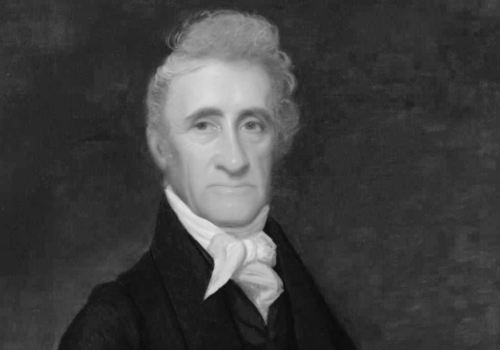
Stephen Van Rensselaer III (1765–1839) was the eighth patroon of Rensselaerswyck, a prominent New York politician, militia general in the War of 1812, and a leading supporter of education and infrastructure, including the Erie Canal and the founding of Rensselaer Polytechnic Institute.