

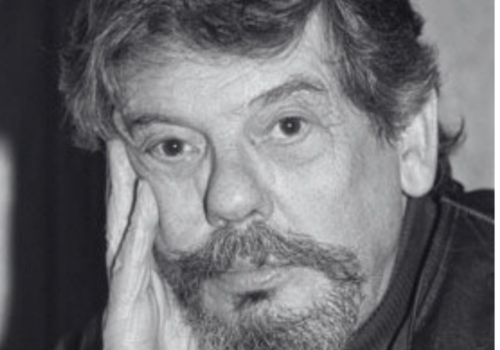
Janwillem van de Wetering (1931–2008) was a Dutch-born novelist and Zen memoirist known for his Amsterdam police detective series and philosophical writings inspired by Zen Buddhism and international experiences.

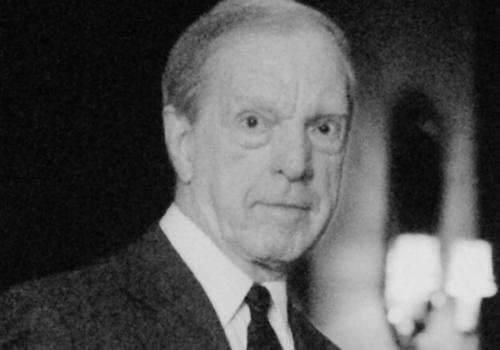
Charles Warner Wendell (1930–2015) was an American professor, historian, and genealogist whose scholarship and leadership helped advance the study of Dutch American history through organizations such as the Holland Society and the New Netherland Institute.
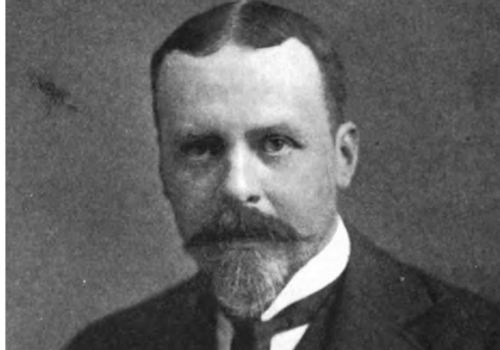
Barrett Wendell (1855–1921) was an American literary scholar and Harvard professor whose teaching and writings on English composition, American literature, and figures such as Cotton Mather shaped late nineteenth-century literary studies.
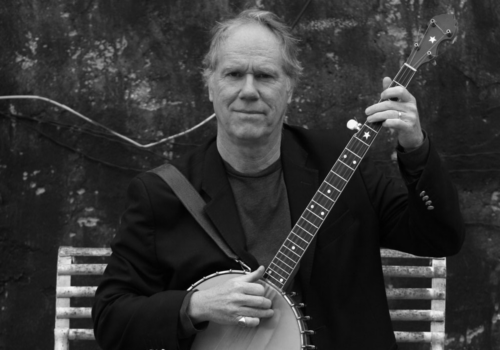
Loudon Wainwright III (b. 1946) is an American folk singer, songwriter, and actor known for humorous and autobiographical songs, including the hit “Dead Skunk,” and for a long recording career spanning dozens of albums.

Frans de Waal (1948–2024) was a Dutch-American primatologist and author whose research on chimpanzees and other primates reshaped understanding of empathy, cooperation, and conflict in animal and human behavior.
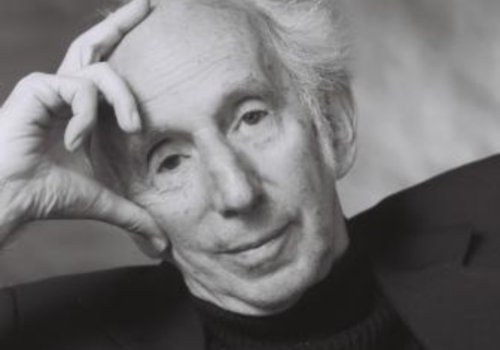
Leo Vroman (1915–2014) was a Dutch-born hematologist and poet who settled in the United States and became one of the most celebrated modern Dutch-language poets while maintaining a distinguished scientific career.
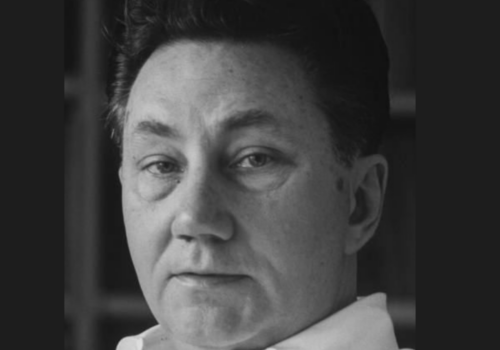
Nelson Holmes Van Vorhes (1822–1882) was an Ohio newspaper editor, Civil War officer, and Republican politician who represented Ohio in the U.S. House of Representatives from 1875 to 1879 after years of service in Ohio state politics.
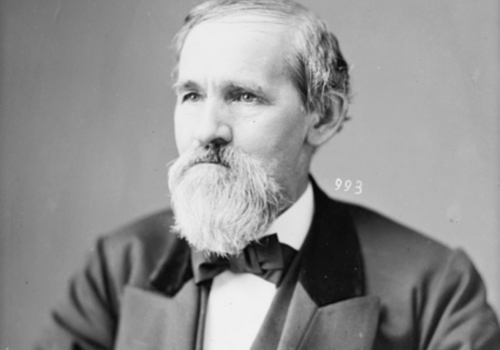
Nelson Holmes Van Vorhes (1822–1882) was an Ohio newspaper editor, Civil War officer, and Republican politician who represented Ohio in the U.S. House of Representatives from 1875 to 1879 after years of service in Ohio state politics.
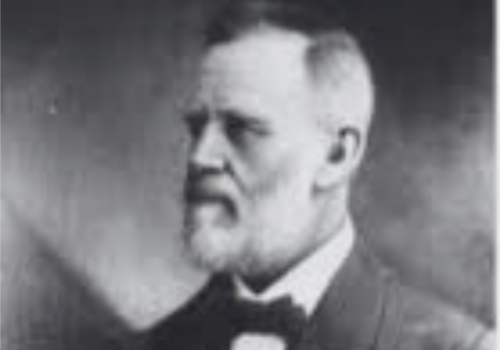
Ralph Voorhees (1835–1907) and his wife Elizabeth Rodman Voorhees were philanthropists whose charitable gifts supported education, including the founding of Voorhees College and major donations to Rutgers and several American colleges.
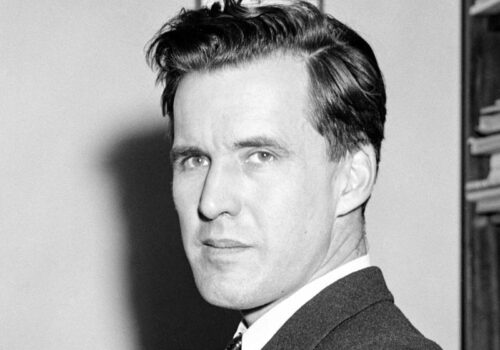
Jerry Voorhis (1901–1984) was a Democratic congressman from California who served from 1937 to 1947, known for supporting New Deal policies and for losing his seat to Richard Nixon in the highly contested 1946 election.
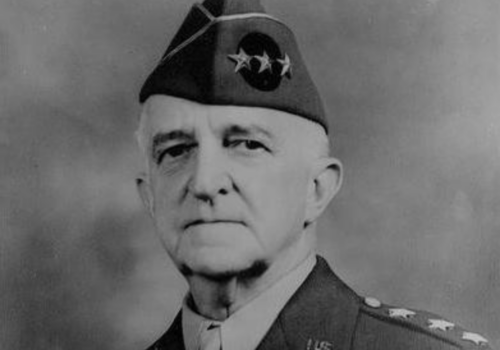
Daniel Van Voorhis (1878–1956) was a United States Army lieutenant general and pioneer of modern mechanized warfare whose leadership helped shape the development of the Army’s armored forces before and during World War II.
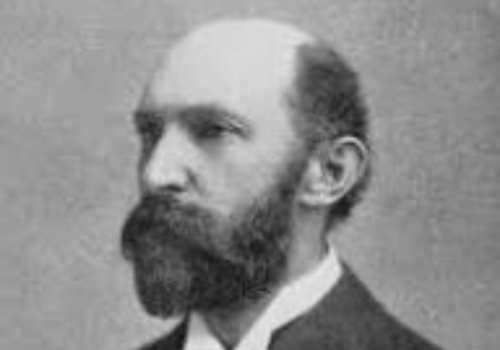
Henry Clay Van Voorhis (1852–1927) was an Ohio lawyer, banker, and Republican politician who represented Ohio in the U.S. House of Representatives from 1893 to 1905 before returning to banking and civic leadership in Zanesville.
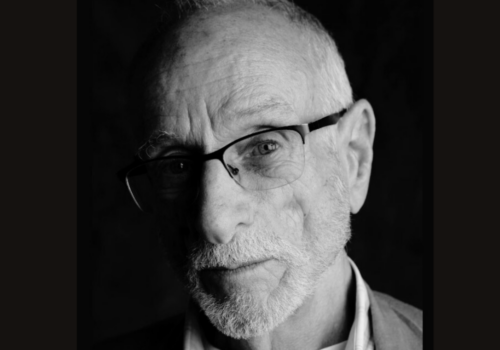
David William Voorhees (b. 1947) is an American historian and documentary editor whose scholarship on New Netherland and Dutch America includes leadership roles with the Jacob Leisler Institute and the Holland Society’s journal De Halve Maen.
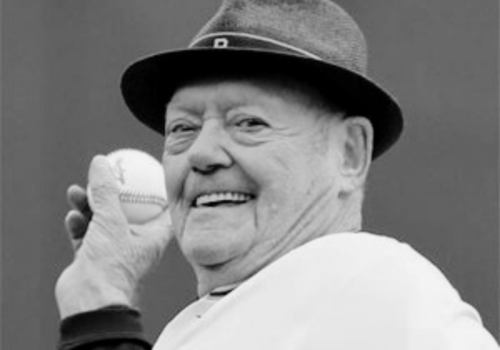
Ralph Whitaker Voorhees (1926–2013) was a Rutgers graduate, civic leader, and philanthropist whose work supported education, healthcare, and community development, especially at Rutgers University, where several programs and landmarks were established in his family’s name.
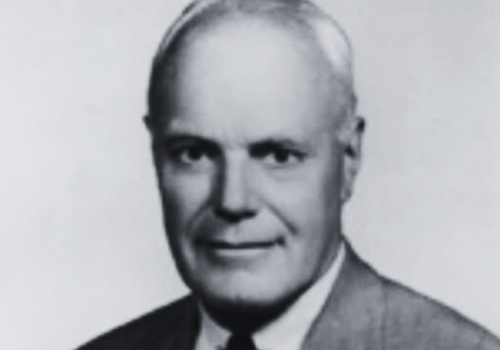
Tracy S. Voorhees (1890–1974) was an American lawyer, military officer, and public administrator who served as U.S. Under Secretary of the Army and later advised the Defense Department while remaining active in Rutgers University leadership.
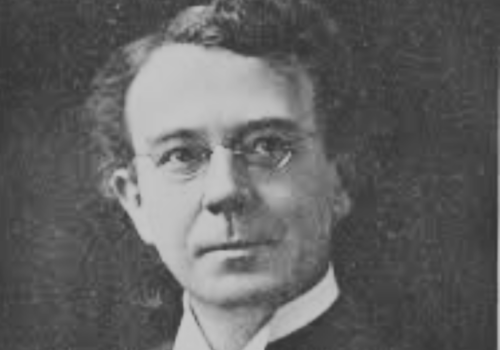
Foster M. Voorhees (1856–1927) was a Republican lawyer and politician who served as the 30th governor of New Jersey from 1899 to 1902 after earlier service in the New Jersey Senate.

Janwillem van de Wetering (1931–2008) was a Dutch-born novelist and Zen memoirist known for his Amsterdam police detective series and philosophical writings inspired by Zen Buddhism and international experiences.
Charles Warner Wendell (1930–2015) was an American professor, historian, and genealogist whose scholarship and leadership helped advance the study of Dutch American history through organizations such as the Holland Society and the New Netherland Institute.
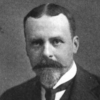
Barrett Wendell (1855–1921) was an American literary scholar and Harvard professor whose teaching and writings on English composition, American literature, and figures such as Cotton Mather shaped late nineteenth-century literary studies.

Loudon Wainwright III (b. 1946) is an American folk singer, songwriter, and actor known for humorous and autobiographical songs, including the hit “Dead Skunk,” and for a long recording career spanning dozens of albums.

Frans de Waal (1948–2024) was a Dutch-American primatologist and author whose research on chimpanzees and other primates reshaped understanding of empathy, cooperation, and conflict in animal and human behavior.
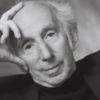
Leo Vroman (1915–2014) was a Dutch-born hematologist and poet who settled in the United States and became one of the most celebrated modern Dutch-language poets while maintaining a distinguished scientific career.
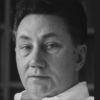
Nelson Holmes Van Vorhes (1822–1882) was an Ohio newspaper editor, Civil War officer, and Republican politician who represented Ohio in the U.S. House of Representatives from 1875 to 1879 after years of service in Ohio state politics.
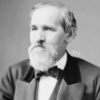
Nelson Holmes Van Vorhes (1822–1882) was an Ohio newspaper editor, Civil War officer, and Republican politician who represented Ohio in the U.S. House of Representatives from 1875 to 1879 after years of service in Ohio state politics.
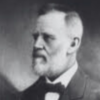
Ralph Voorhees (1835–1907) and his wife Elizabeth Rodman Voorhees were philanthropists whose charitable gifts supported education, including the founding of Voorhees College and major donations to Rutgers and several American colleges.
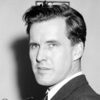
Jerry Voorhis (1901–1984) was a Democratic congressman from California who served from 1937 to 1947, known for supporting New Deal policies and for losing his seat to Richard Nixon in the highly contested 1946 election.
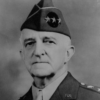
Daniel Van Voorhis (1878–1956) was a United States Army lieutenant general and pioneer of modern mechanized warfare whose leadership helped shape the development of the Army’s armored forces before and during World War II.
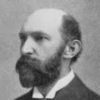
Henry Clay Van Voorhis (1852–1927) was an Ohio lawyer, banker, and Republican politician who represented Ohio in the U.S. House of Representatives from 1893 to 1905 before returning to banking and civic leadership in Zanesville.

David William Voorhees (b. 1947) is an American historian and documentary editor whose scholarship on New Netherland and Dutch America includes leadership roles with the Jacob Leisler Institute and the Holland Society’s journal De Halve Maen.
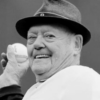
Ralph Whitaker Voorhees (1926–2013) was a Rutgers graduate, civic leader, and philanthropist whose work supported education, healthcare, and community development, especially at Rutgers University, where several programs and landmarks were established in his family’s name.
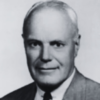
Tracy S. Voorhees (1890–1974) was an American lawyer, military officer, and public administrator who served as U.S. Under Secretary of the Army and later advised the Defense Department while remaining active in Rutgers University leadership.
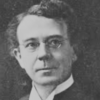
Foster M. Voorhees (1856–1927) was a Republican lawyer and politician who served as the 30th governor of New Jersey from 1899 to 1902 after earlier service in the New Jersey Senate.