

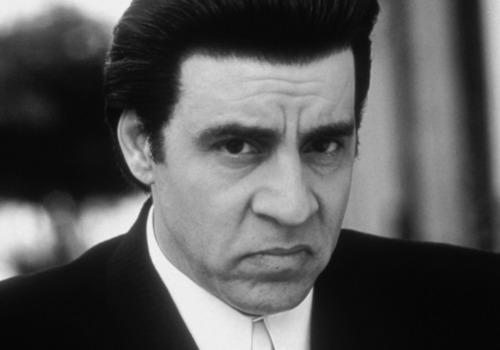
Steven Van Zandt (born 1950) is an American musician, songwriter, and actor best known as guitarist for Bruce Springsteen’s E Street Band and for roles in The Sopranos and Lilyhammer, while also recording solo music.

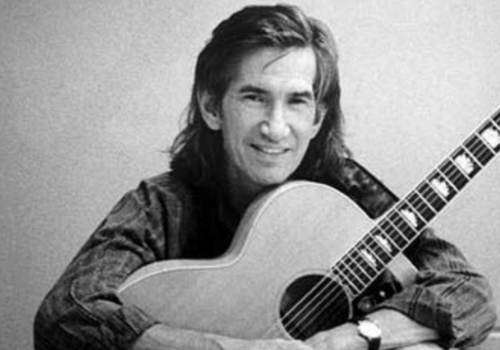
Townes Van Zandt (1944–1997) was an influential American singer-songwriter and poet known for haunting folk and country songs including “Pancho and Lefty” and “If I Needed You,” widely admired by fellow musicians and later generations.
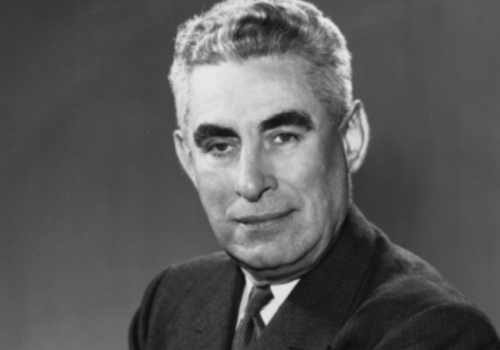
James E. Van Zandt (1898–1986) was a U.S. Navy officer and Pennsylvania congressman who served multiple terms in the House of Representatives, fought in both World Wars, and later rose to rear admiral in the Naval Reserve.
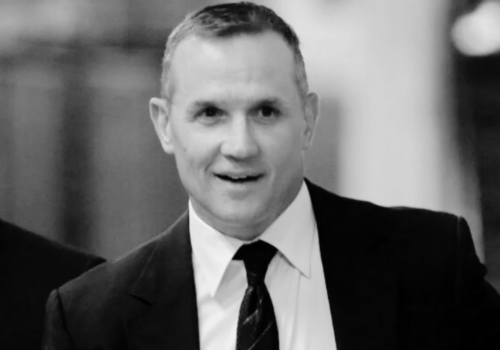
Steve Yzerman (born 1965) is a Canadian hockey legend who captained the Detroit Red Wings to three Stanley Cup championships and became one of the NHL’s greatest scorers, later serving as an executive in professional hockey.

William W. Van Wyck (1777–1840) was a New York farmer and politician who served two terms in the U.S. House of Representatives from 1821 to 1825 and chaired the House Committee on Post Office Expenditures.
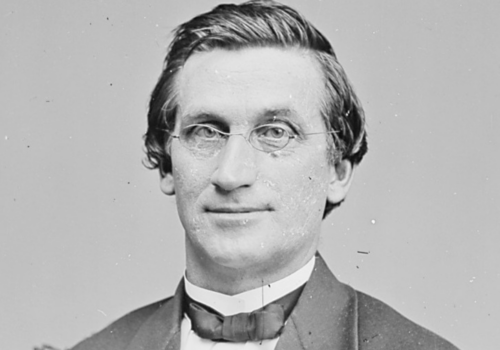
Charles Henry Van Wyck (1824–1895) was an American politician and Civil War officer who served in the U.S. House for New York and later as a U.S. senator from Nebraska, reflecting a long career in public service.
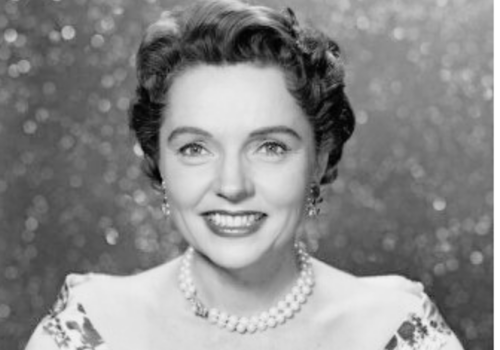
Jane Wyatt (1910–2006) was an American film and television actress best known for portraying Margaret Anderson on the long-running series Father Knows Best, earning three Emmy Awards and appearing in films, Broadway productions, and later television dramas.
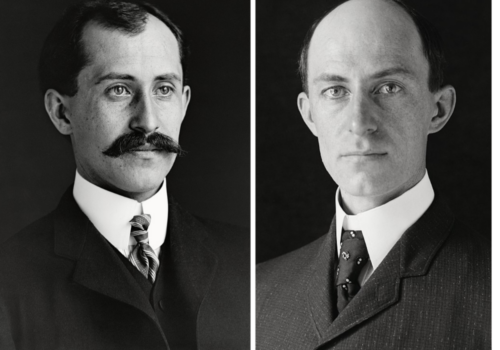
Wilbur (1867–1912) and Orville Wright (1871–1948) were American aviation pioneers who achieved the first successful powered airplane flight in 1903 at Kitty Hawk, developing the three-axis control system that became fundamental to modern aircraft design.
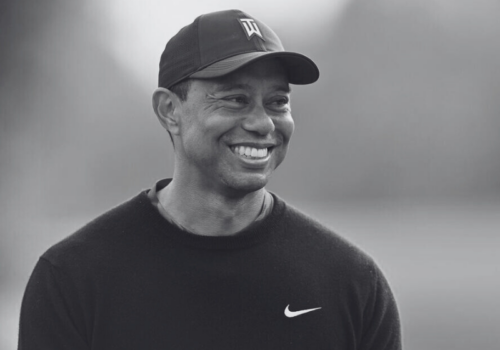
Tiger Woods (born 1975) is an American professional golfer widely regarded as one of the greatest in history. A multiple major champion, he dominated world golf rankings and transformed the sport’s global popularity and commercial success.
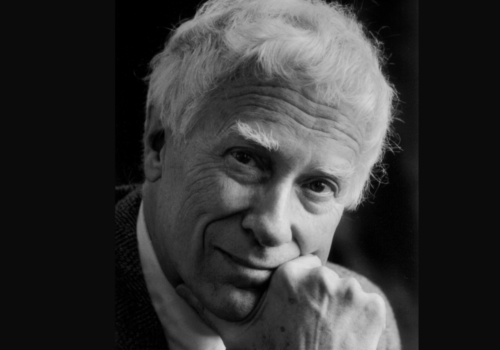
Nicholas Wolterstorff (born 1932) is an American philosopher known for work in epistemology, philosophy of religion, justice, and aesthetics. A longtime Calvin College professor, he later taught philosophical theology at Yale Divinity School.
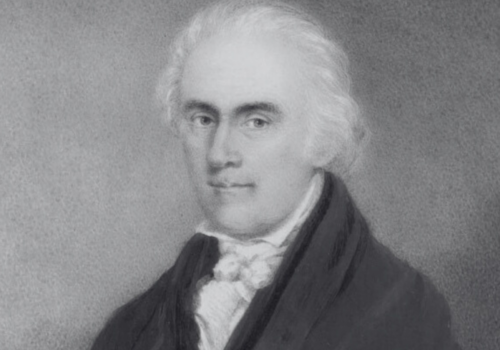
James DeWolf (1764–1837) was a Rhode Island merchant, slave trader, and politician who served as a U.S. senator and state legislator. He amassed great wealth through maritime trade and slavery while also investing in early American cotton manufacturing.k.
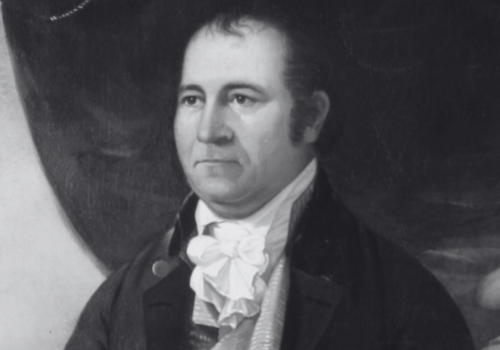
Simeon De Witt (1756–1834) was New York State’s long-serving Surveyor General, a Revolutionary War army geographer, planner of New York City’s grid street system, Erie Canal commissioner, and an early founder and land developer of Ithaca, New York.
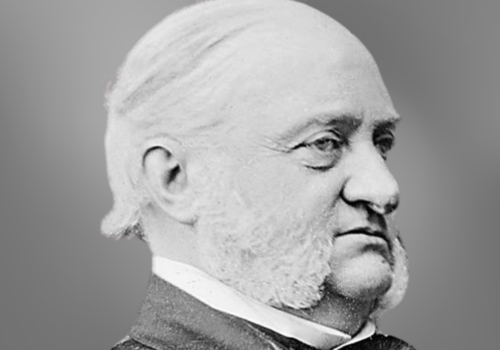
Peter Van Winkle (1808–1872) was a Unionist U.S. Senator from West Virginia during the Civil War and one of the state’s first senators after its 1863 admission, previously serving in Virginia politics and constitutional conventions.
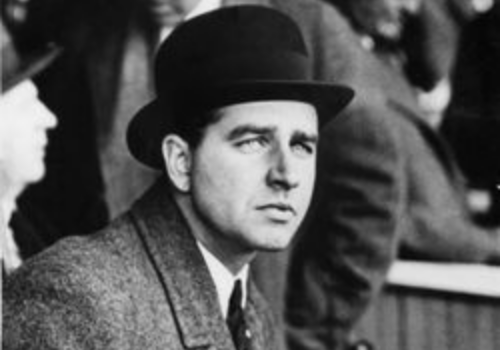
Cornelius Vanderbilt Whitney (1899–1992) was an American businessman, aviation investor, film financier, government official, and philanthropist who helped found Pan American World Airways, built mining enterprises, served in federal posts, and supported major American arts institutions.
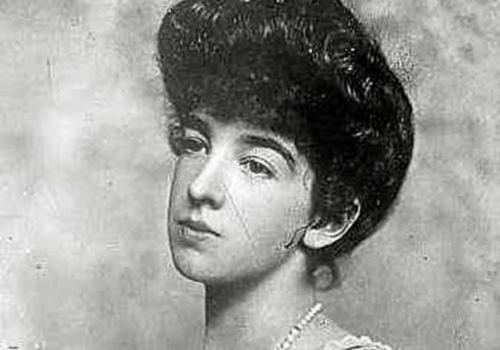
Gertrude Vanderbilt Whitney (1875–1942) was an American sculptor, patron of the arts, and founder of the Whitney Museum of American Art, whose philanthropy and support of emerging artists shaped twentieth-century American art.
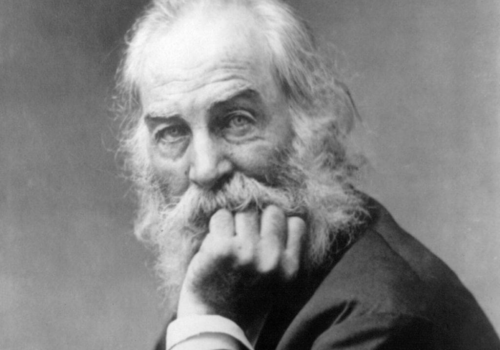
Walt Whitman (1819–1892) was an American poet, journalist, and essayist whose landmark work Leaves of Grass revolutionized modern poetry and established him as one of the most influential voices in American literature.

Steven Van Zandt (born 1950) is an American musician, songwriter, and actor best known as guitarist for Bruce Springsteen’s E Street Band and for roles in The Sopranos and Lilyhammer, while also recording solo music.

Townes Van Zandt (1944–1997) was an influential American singer-songwriter and poet known for haunting folk and country songs including “Pancho and Lefty” and “If I Needed You,” widely admired by fellow musicians and later generations.
James E. Van Zandt (1898–1986) was a U.S. Navy officer and Pennsylvania congressman who served multiple terms in the House of Representatives, fought in both World Wars, and later rose to rear admiral in the Naval Reserve.

Steve Yzerman (born 1965) is a Canadian hockey legend who captained the Detroit Red Wings to three Stanley Cup championships and became one of the NHL’s greatest scorers, later serving as an executive in professional hockey.

William W. Van Wyck (1777–1840) was a New York farmer and politician who served two terms in the U.S. House of Representatives from 1821 to 1825 and chaired the House Committee on Post Office Expenditures.
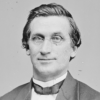
Charles Henry Van Wyck (1824–1895) was an American politician and Civil War officer who served in the U.S. House for New York and later as a U.S. senator from Nebraska, reflecting a long career in public service.

Jane Wyatt (1910–2006) was an American film and television actress best known for portraying Margaret Anderson on the long-running series Father Knows Best, earning three Emmy Awards and appearing in films, Broadway productions, and later television dramas.
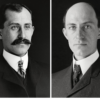
Wilbur (1867–1912) and Orville Wright (1871–1948) were American aviation pioneers who achieved the first successful powered airplane flight in 1903 at Kitty Hawk, developing the three-axis control system that became fundamental to modern aircraft design.
Tiger Woods (born 1975) is an American professional golfer widely regarded as one of the greatest in history. A multiple major champion, he dominated world golf rankings and transformed the sport’s global popularity and commercial success.
Nicholas Wolterstorff (born 1932) is an American philosopher known for work in epistemology, philosophy of religion, justice, and aesthetics. A longtime Calvin College professor, he later taught philosophical theology at Yale Divinity School.
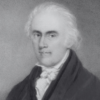
James DeWolf (1764–1837) was a Rhode Island merchant, slave trader, and politician who served as a U.S. senator and state legislator. He amassed great wealth through maritime trade and slavery while also investing in early American cotton manufacturing.k.
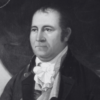
Simeon De Witt (1756–1834) was New York State’s long-serving Surveyor General, a Revolutionary War army geographer, planner of New York City’s grid street system, Erie Canal commissioner, and an early founder and land developer of Ithaca, New York.
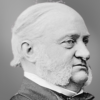
Peter Van Winkle (1808–1872) was a Unionist U.S. Senator from West Virginia during the Civil War and one of the state’s first senators after its 1863 admission, previously serving in Virginia politics and constitutional conventions.
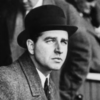
Cornelius Vanderbilt Whitney (1899–1992) was an American businessman, aviation investor, film financier, government official, and philanthropist who helped found Pan American World Airways, built mining enterprises, served in federal posts, and supported major American arts institutions.
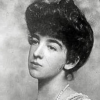
Gertrude Vanderbilt Whitney (1875–1942) was an American sculptor, patron of the arts, and founder of the Whitney Museum of American Art, whose philanthropy and support of emerging artists shaped twentieth-century American art.
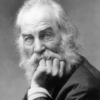
Walt Whitman (1819–1892) was an American poet, journalist, and essayist whose landmark work Leaves of Grass revolutionized modern poetry and established him as one of the most influential voices in American literature.