
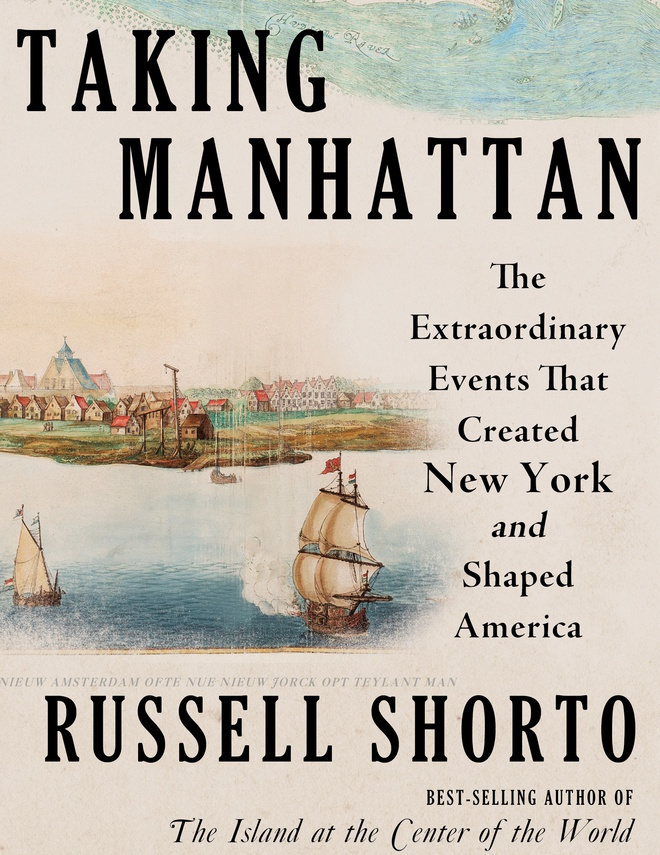
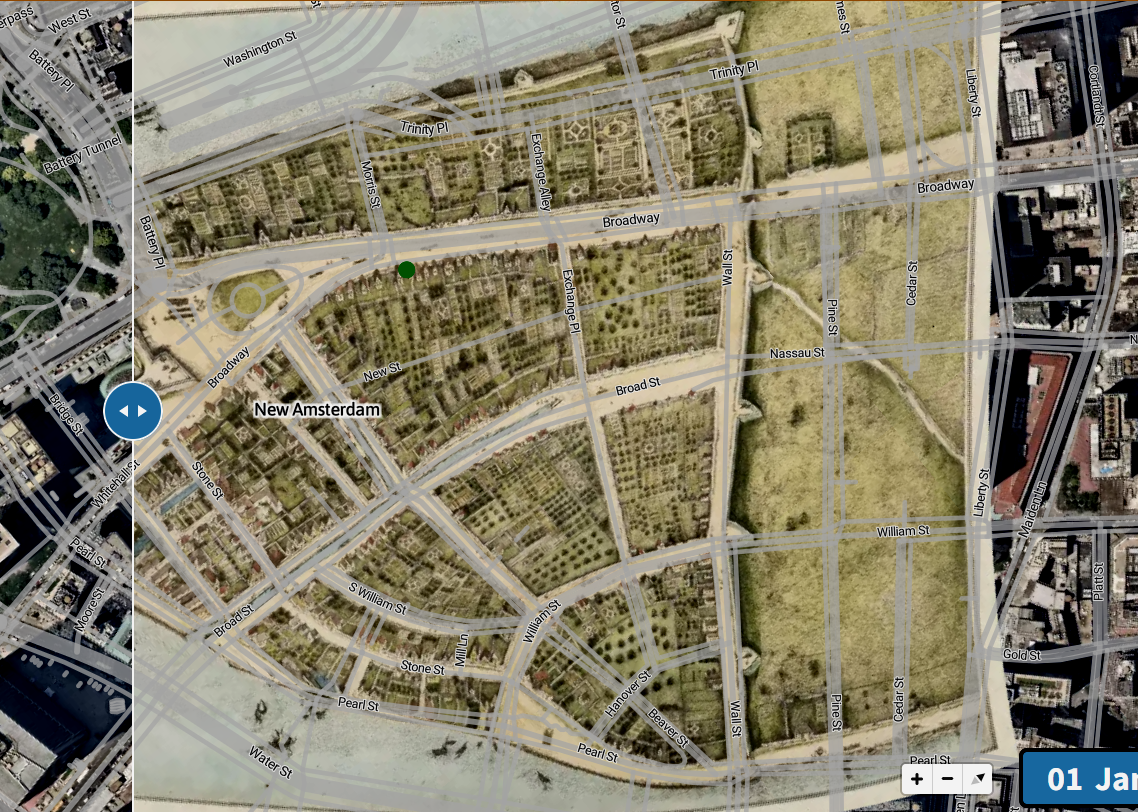
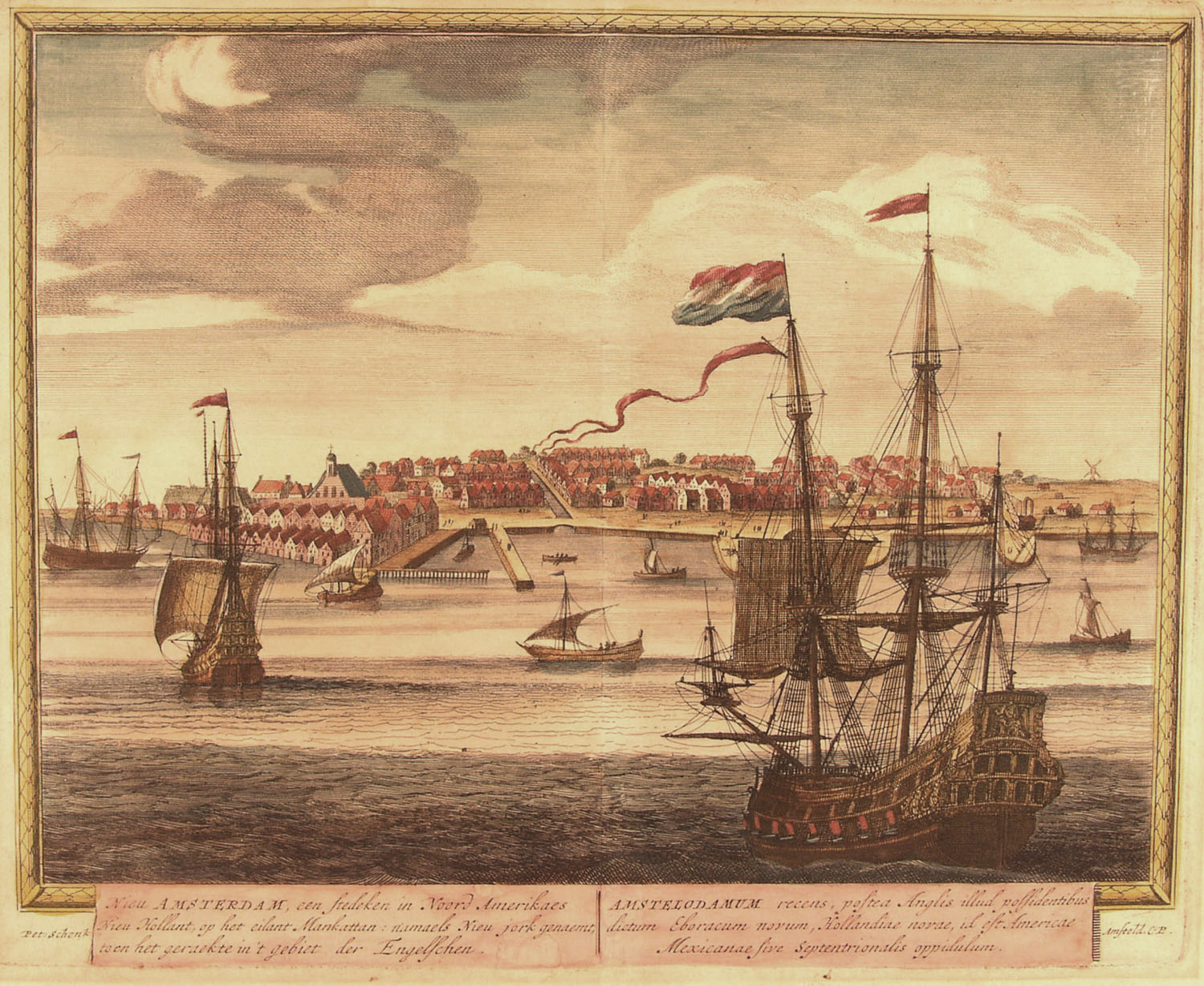

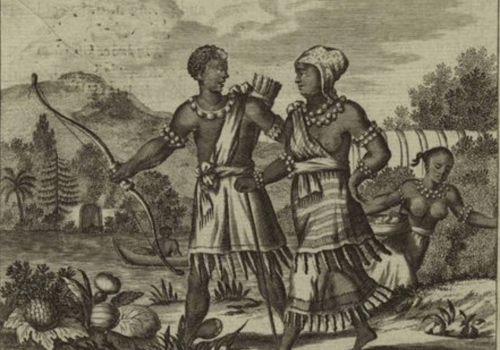
It is difficult to imagine what the first glimpse of New Netherland was like for the seventeenth-century European...

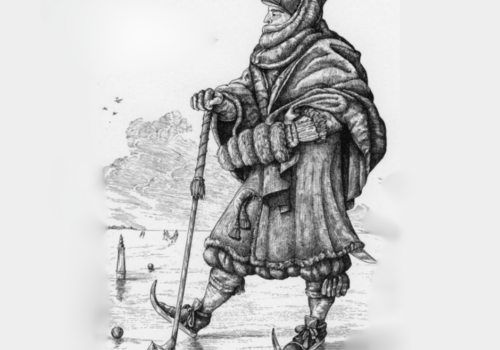
The credit for golf in its modern form is generally given to the Scots, but they certainly did not invent it from scratch.
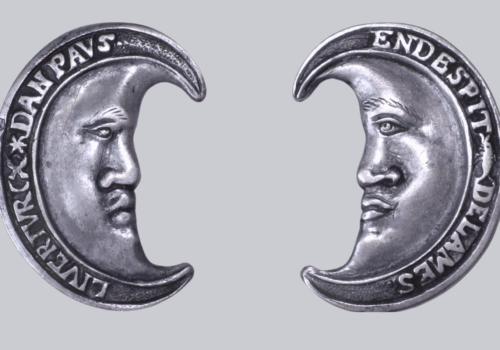
The Geuzen medal--shown here in one of its various forms--is a Dutch symbol reflecting a long history of resistance.
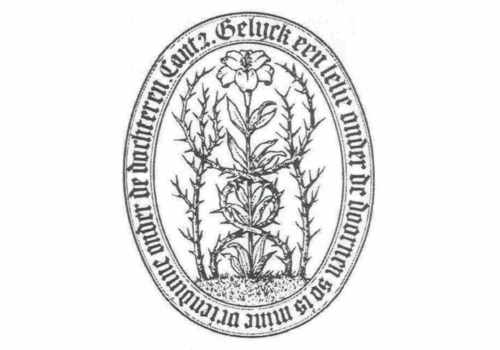
The Lily among Thorns is one of the early symbols of the Dutch Reformed Church. It originated in the mid-16th century as the rebellion of the Low Countries against Spain.
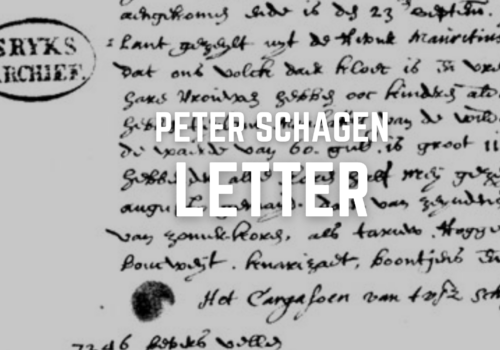
Peter Schaghen, the author of this document, was the representative of the States General in the Assembly of the Nineteen of the West India Company.
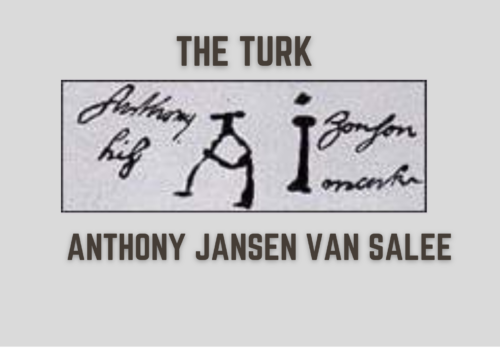
Anthony Jansen van Salee, the Turk, arrived in New Amsterdam about 1633. For the next forty years, he stirred up trouble.
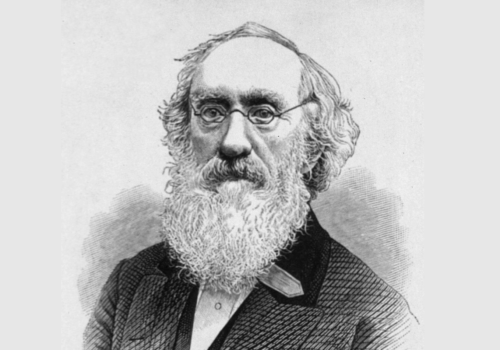
E B. O'Callaghan was keeper of historical manuscripts for the State of New York in 1848. In that role he completed the original translation of the Register of the Provincial Secretary, 1638-1642.
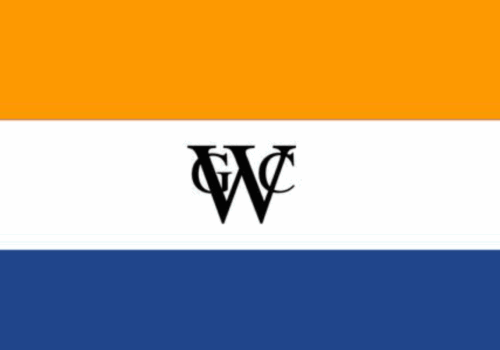
The flag of the Dutch West India Company served as the symbol of the dominant power in and around present-day New York,
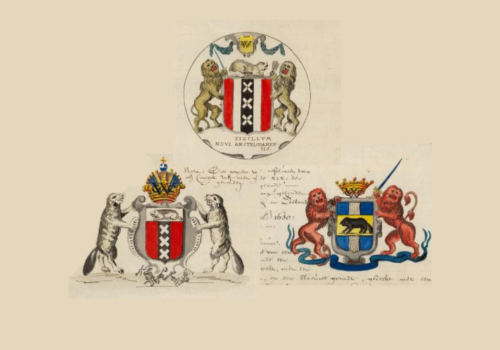
Drawings from 1630 propose coats of arms for New Netherland and New Amsterdam. One was adopted; others rejected for omitting Amsterdam’s heraldic lions.
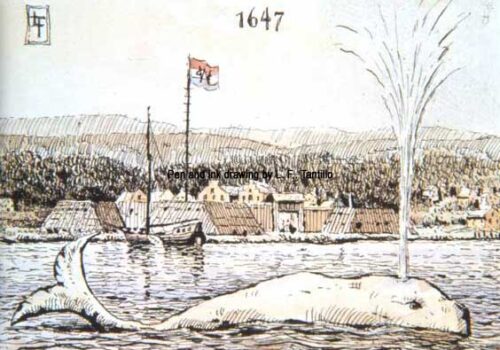
"A certain fish appeared... snow white, withouth fins, roud of body, and blew water up out of his head"
In 1647, residents of Fort Orange were treated to a rare spectacle.
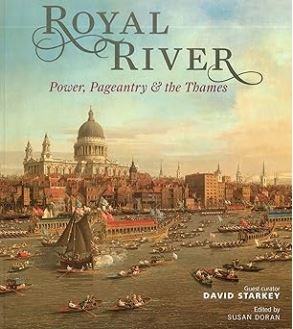
Royal River: Power, Pageantry, and the Thames by David Starkey is a richly illustrated companion to the 2012 National Maritime Museum exhibition of the same name. It explores the central role of the River Thames in the history of British monarchy, politics, and ceremony.
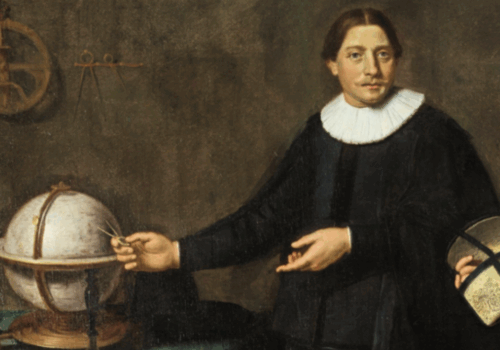
The year 1642 saw the death of Galileo and the birth of Sir Isaac Newton. In England, King Charles I raised his standard at Nottingham to begin that country’s Civil War,
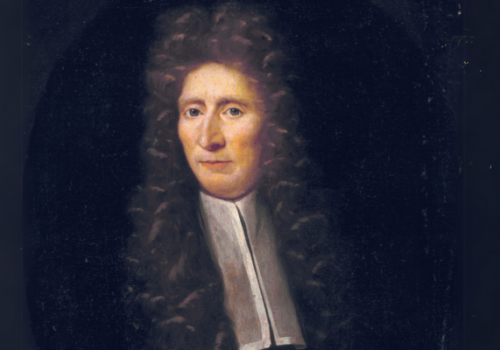
Frederik Ruysch (1638–1731) was a Dutch anatomist and a pioneer in the techniques of preserving organs and tissue. He was born in Den Haag and studied medicine at the University of Leiden, obtaining his medical doctorate in 1664.
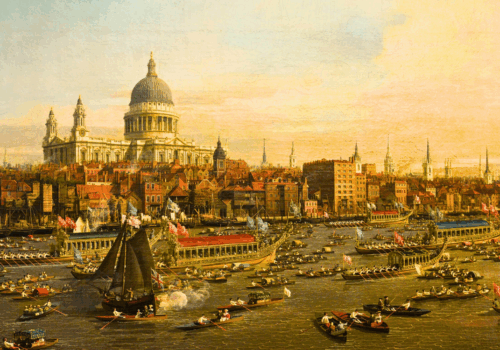
After 345 years, in March 2012, a magnificent relic of the Anglo-Dutch wars returned to England—at least temporarily. As part of the celebrations for the Diamond Jubilee of Queen Elizabeth II, the Rijksmuseum loaned to the National Maritime Museum in Greenwich the ornate stern carving from the warship Royal Charles, captured by the Dutch in 1667.
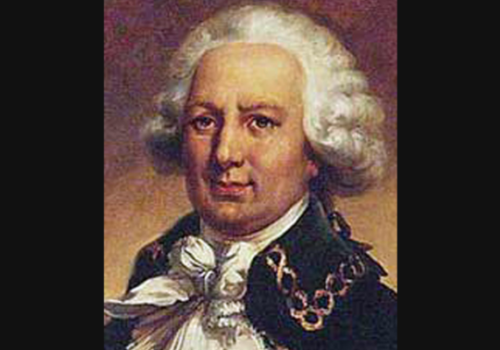
From the 15th to the 18th century, one of the great legends among the seafaring and trading nations was the existence of a vast southern continent, Terra Australis. This hypothetical continent was imagined to encompass Antarctica and extend far into the South Sea (Pacific Ocean).
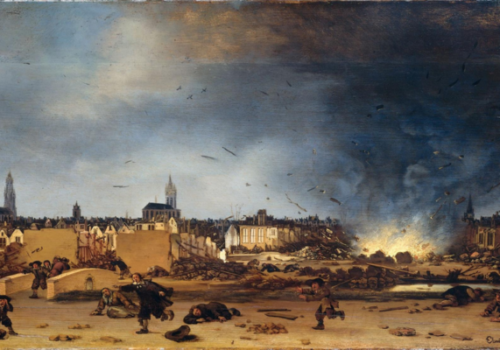
Since the start of the Eighty Years’ War, the Dutch army kept central stores of gunpowder within the city walls of Delft. In the late morning of October 12, 1654, the city was rocked by a massive explosion in the Doelenkwartier, between Geerweg and Doelstraat in the northeast section of the city.
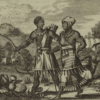
It is difficult to imagine what the first glimpse of New Netherland was like for the seventeenth-century European...
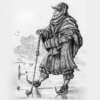
The credit for golf in its modern form is generally given to the Scots, but they certainly did not invent it from scratch.
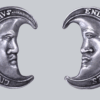
The Geuzen medal--shown here in one of its various forms--is a Dutch symbol reflecting a long history of resistance.
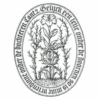
The Lily among Thorns is one of the early symbols of the Dutch Reformed Church. It originated in the mid-16th century as the rebellion of the Low Countries against Spain.
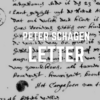
Peter Schaghen, the author of this document, was the representative of the States General in the Assembly of the Nineteen of the West India Company.
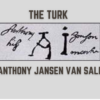
Anthony Jansen van Salee, the Turk, arrived in New Amsterdam about 1633. For the next forty years, he stirred up trouble.
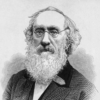
E B. O'Callaghan was keeper of historical manuscripts for the State of New York in 1848. In that role he completed the original translation of the Register of the Provincial Secretary, 1638-1642.

The flag of the Dutch West India Company served as the symbol of the dominant power in and around present-day New York,
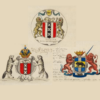
Drawings from 1630 propose coats of arms for New Netherland and New Amsterdam. One was adopted; others rejected for omitting Amsterdam’s heraldic lions.
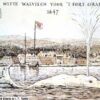
"A certain fish appeared... snow white, withouth fins, roud of body, and blew water up out of his head"
In 1647, residents of Fort Orange were treated to a rare spectacle.
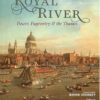
Royal River: Power, Pageantry, and the Thames by David Starkey is a richly illustrated companion to the 2012 National Maritime Museum exhibition of the same name. It explores the central role of the River Thames in the history of British monarchy, politics, and ceremony.
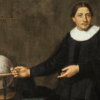
The year 1642 saw the death of Galileo and the birth of Sir Isaac Newton. In England, King Charles I raised his standard at Nottingham to begin that country’s Civil War,
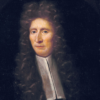
Frederik Ruysch (1638–1731) was a Dutch anatomist and a pioneer in the techniques of preserving organs and tissue. He was born in Den Haag and studied medicine at the University of Leiden, obtaining his medical doctorate in 1664.
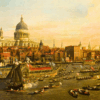
After 345 years, in March 2012, a magnificent relic of the Anglo-Dutch wars returned to England—at least temporarily. As part of the celebrations for the Diamond Jubilee of Queen Elizabeth II, the Rijksmuseum loaned to the National Maritime Museum in Greenwich the ornate stern carving from the warship Royal Charles, captured by the Dutch in 1667.
From the 15th to the 18th century, one of the great legends among the seafaring and trading nations was the existence of a vast southern continent, Terra Australis. This hypothetical continent was imagined to encompass Antarctica and extend far into the South Sea (Pacific Ocean).
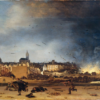
Since the start of the Eighty Years’ War, the Dutch army kept central stores of gunpowder within the city walls of Delft. In the late morning of October 12, 1654, the city was rocked by a massive explosion in the Doelenkwartier, between Geerweg and Doelstraat in the northeast section of the city.