

PDF – Volume 3, Register of the Provincial Secretary, 1648-1660 translation (published book images) PDF – Volume 3, Register of the Provincial Secretary, 1648-1660 transcription...

Volume II of the Register of the Provincial Secretary offers van Laer’s translations of 17th-century Dutch records, reorganized by O’Callaghan and preserved in the New York State Archives.
The Register contains a wide range of legal documents—from land deeds and commercial contracts to marriage agreements and criminal declarations—offering a rich record of personal, civil, and economic life.
Since 1974, over 7,000 pages of Dutch colonial records have been translated and published in twelve volumes. This collection presents the introductions from the New Netherland Documents series.
This updated guide to Dutch manuscripts on New Netherland catalogs primary sources across U.S. repositories, with descriptions, locations, and some links to online translations, transcriptions, and images.
Dagomar Degroot reveals how the Dutch Republic thrived during the Little Ice Age, turning climate challenges into opportunities in trade, warfare, and culture—offering timely insights for today’s climate crisis.

Snowshoe Country is an environmental and cultural history of winter in the colonial Northeast, closely examining indigenous and settler knowledge of snow, ice, and life in the cold.
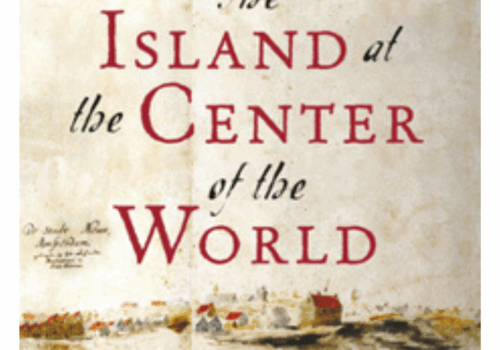
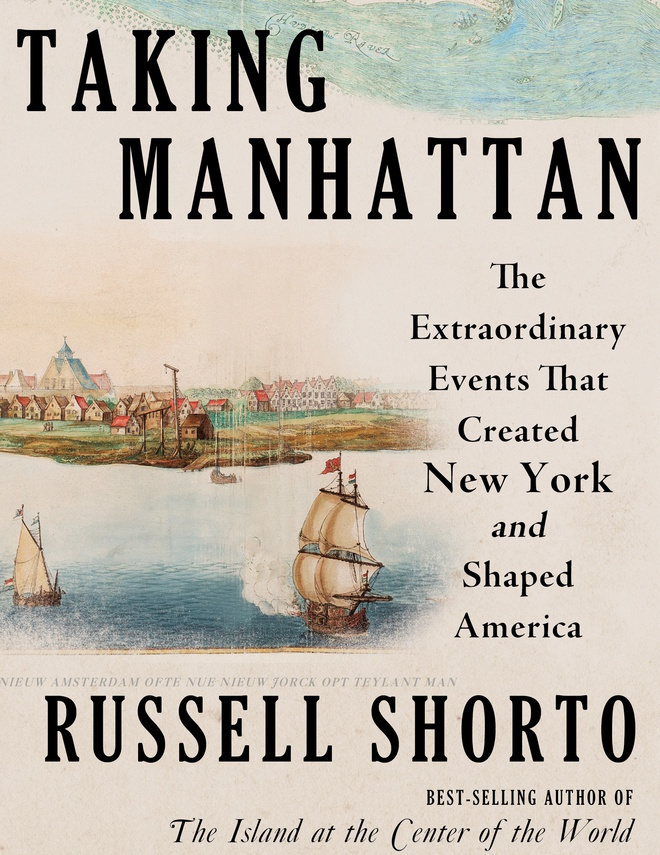
Russell Shorto's bestselling history packs a wallop of a story, moving from the halls of power in London and The Hague to bloody naval encounters on the high seas to the uncharted wilderness Manhattan once was.
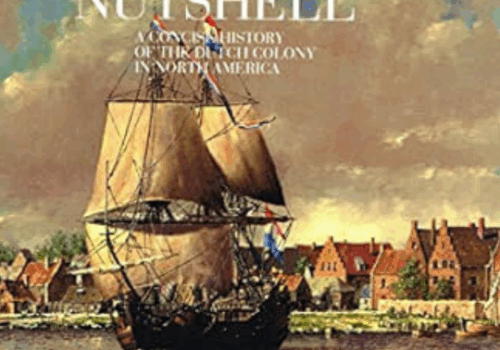
"For anyone seeking to answer the question, 'What was New Netherland?' this little volume is a handy, richly packed resource. It gives you the background, the actors, the action, and the legacy. In clear prose, it covers a lot of history in a few pages."
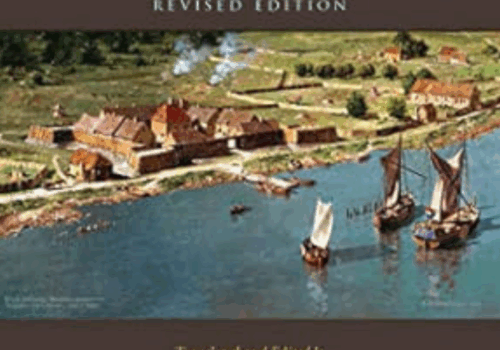
In 1634, Harmen van den Bogaert led a Dutch West India Company expedition into Iroquois territory, documenting New York’s interior and its native peoples in the earliest known surviving account.
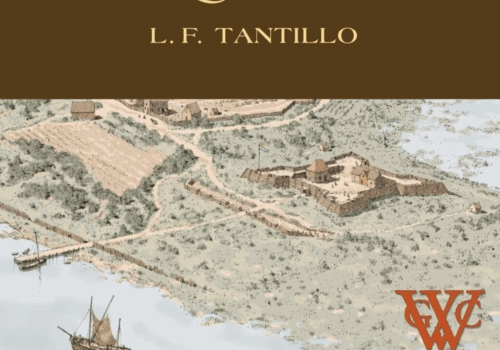
Len Tantillo brings 17th-century Delaware River rivalry to life with vivid illustrations, exploring Dutch-Swedish conflict, the fur trade, and a reconstructed fort—featuring historical insight by Dr. Charles Gehring.
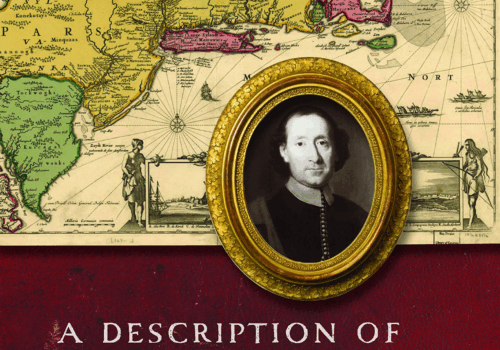
A romp through the history of New Netherland that would surely have Petrus Stuyvesant complaining about the riot transpiring between its pages ... Readers are guaranteed a genuine adventure that will evoke the full range of human emotions.
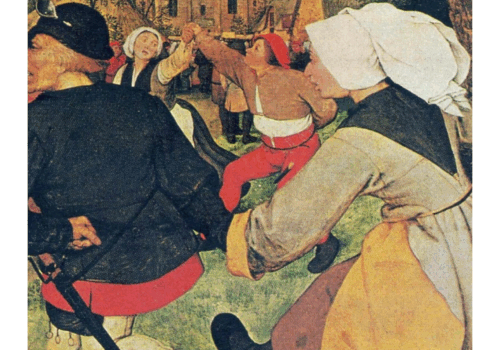
A romp through the history of New Netherland that would surely have Petrus Stuyvesant complaining about the riot transpiring between its pages ... Readers are guaranteed a genuine adventure that will evoke the full range of human emotions.
A biography from the Associate Director of the New Netherland Research Center about the visionary Amsterdam merchant. Van Rensselaer was a driving force behind the patroonship system and founded the only successful example, Rensselaerswijck.
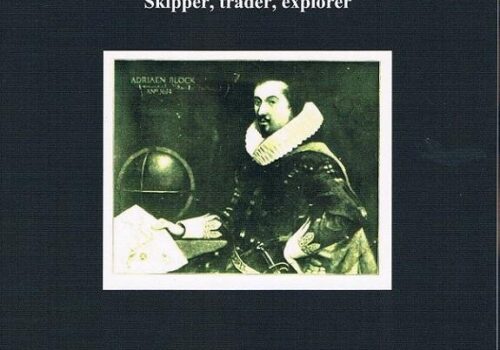
The story of Adriaen Block – either the third or fourth European to explore what became New Netherland – who played a vital role in its eventual settlement.
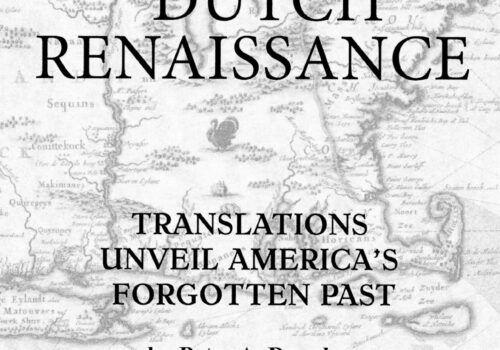
Peter Douglas’s Dutch Renaissance traces the unlikely survival of New Netherland’s records through shipwreck, war, and fire—culminating in Dr. Charles Gehring’s decades-long effort to translate the 17th-century Dutch texts and revive the colony’s forgotten voice and legacy.
PDF – Volume 3, Register of the Provincial Secretary, 1648-1660 translation (published book images) PDF – Volume 3, Register of the Provincial Secretary, 1648-1660 transcription...
Volume II of the Register of the Provincial Secretary offers van Laer’s translations of 17th-century Dutch records, reorganized by O’Callaghan and preserved in the New York State Archives.
The Register contains a wide range of legal documents—from land deeds and commercial contracts to marriage agreements and criminal declarations—offering a rich record of personal, civil, and economic life.
Since 1974, over 7,000 pages of Dutch colonial records have been translated and published in twelve volumes. This collection presents the introductions from the New Netherland Documents series.
This updated guide to Dutch manuscripts on New Netherland catalogs primary sources across U.S. repositories, with descriptions, locations, and some links to online translations, transcriptions, and images.
Dagomar Degroot reveals how the Dutch Republic thrived during the Little Ice Age, turning climate challenges into opportunities in trade, warfare, and culture—offering timely insights for today’s climate crisis.

Snowshoe Country is an environmental and cultural history of winter in the colonial Northeast, closely examining indigenous and settler knowledge of snow, ice, and life in the cold.
Russell Shorto's bestselling history packs a wallop of a story, moving from the halls of power in London and The Hague to bloody naval encounters on the high seas to the uncharted wilderness Manhattan once was.
"For anyone seeking to answer the question, 'What was New Netherland?' this little volume is a handy, richly packed resource. It gives you the background, the actors, the action, and the legacy. In clear prose, it covers a lot of history in a few pages."
In 1634, Harmen van den Bogaert led a Dutch West India Company expedition into Iroquois territory, documenting New York’s interior and its native peoples in the earliest known surviving account.
Len Tantillo brings 17th-century Delaware River rivalry to life with vivid illustrations, exploring Dutch-Swedish conflict, the fur trade, and a reconstructed fort—featuring historical insight by Dr. Charles Gehring.
A romp through the history of New Netherland that would surely have Petrus Stuyvesant complaining about the riot transpiring between its pages ... Readers are guaranteed a genuine adventure that will evoke the full range of human emotions.
A romp through the history of New Netherland that would surely have Petrus Stuyvesant complaining about the riot transpiring between its pages ... Readers are guaranteed a genuine adventure that will evoke the full range of human emotions.
A biography from the Associate Director of the New Netherland Research Center about the visionary Amsterdam merchant. Van Rensselaer was a driving force behind the patroonship system and founded the only successful example, Rensselaerswijck.
The story of Adriaen Block – either the third or fourth European to explore what became New Netherland – who played a vital role in its eventual settlement.
Peter Douglas’s Dutch Renaissance traces the unlikely survival of New Netherland’s records through shipwreck, war, and fire—culminating in Dr. Charles Gehring’s decades-long effort to translate the 17th-century Dutch texts and revive the colony’s forgotten voice and legacy.