
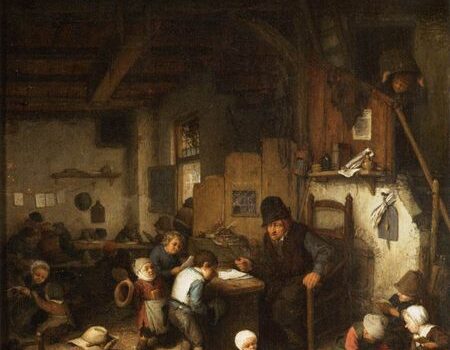
Most Dutch children--both rich and poor--attended school in New Netherland. Although most families paid a fee to the local schoolmaster, students whose parents could not afford this fee were admitted for free.

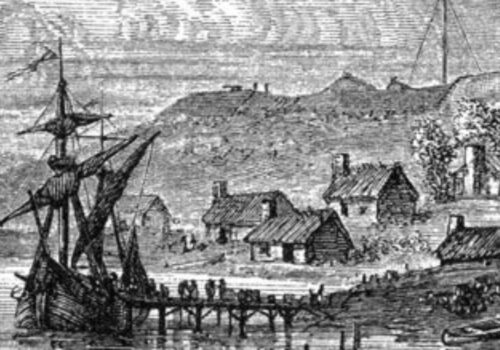
The first colonists lived in square pits, like cellars, that were covered with wood and bark. These simple shelters protected them from the elements until they could build basic cottages. Once New Netherland became more established, colonists built better wooden and later stone and brick houses.
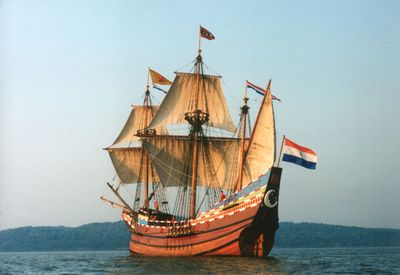
Settlers in New Netherland were a diverse group. Among them were Germans, Scandinavians, French, Scots, English, Irish, Jews, Italians, and Croats. Other residents of New Netherland were born in Africa and brought to the colony as slaves, some of whom were later freed.
The New Netherland Institute mourns the passing of Stefan Bielinski, long-time historian at the New York State Museum and creator of the Colonial Albany Social History...
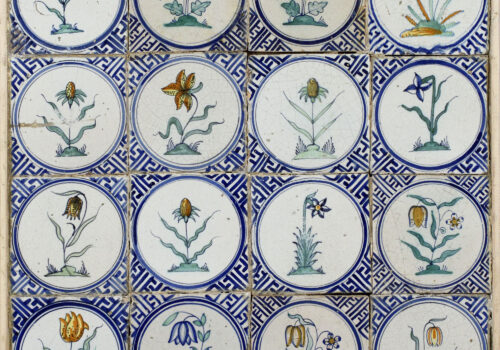
For over four decades, the Annual Conference of the New Netherland Institute (previously known as the Rensselaerswyck Seminar and subsequently the New Netherland Seminar) has brought the best research on New Netherland to a venue in the northeast in the fall.
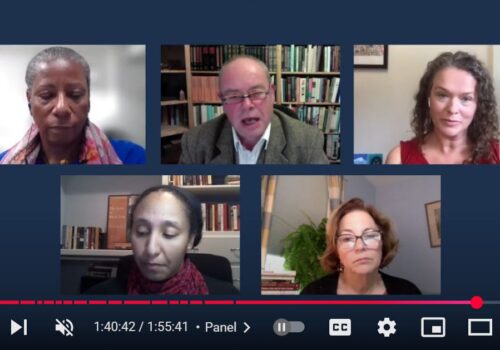
This special program brings together scholars who are at the cutting edge of this work. How did Blacks live in New Amsterdam? What was “slavery” in the colony? When did the first Africans arrive?
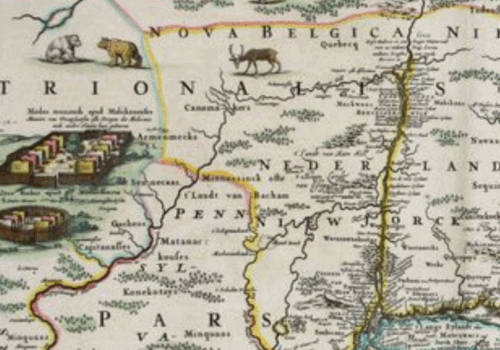
Selected papers from the Rensselaerswijck Seminar, now the New Netherland Seminar, are presented online in "A Beautiful and Fruitful Place."
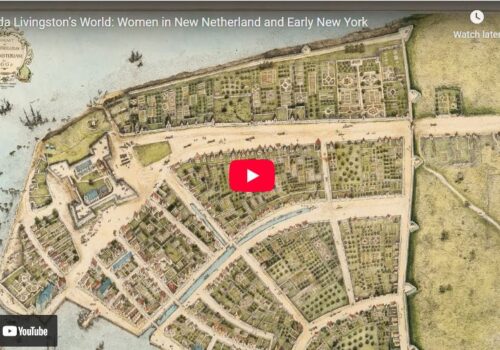
Our most recent conference, the 44th, in October 2022, was Alida Livingston's World: Women in New Netherland and Early New York, held in conjunction with the New-York Historical Society.
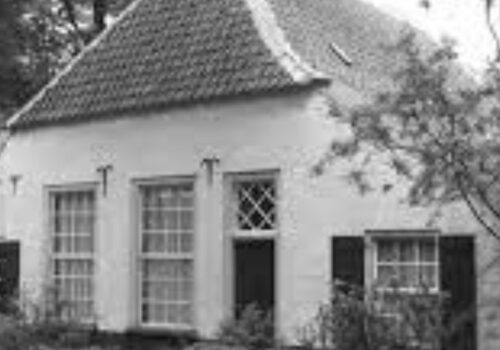
Jeroen van den Hurk uses historic documents to analyze the architecture of New Netherland.
The Story of the Holland Society's journal de Halve Maen by its editor.
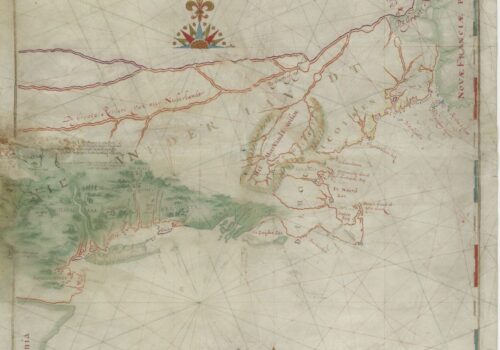
Governors Island, landing place of the first colonists from the Dutch Republic.
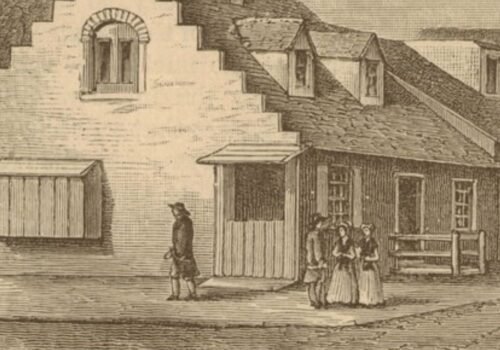
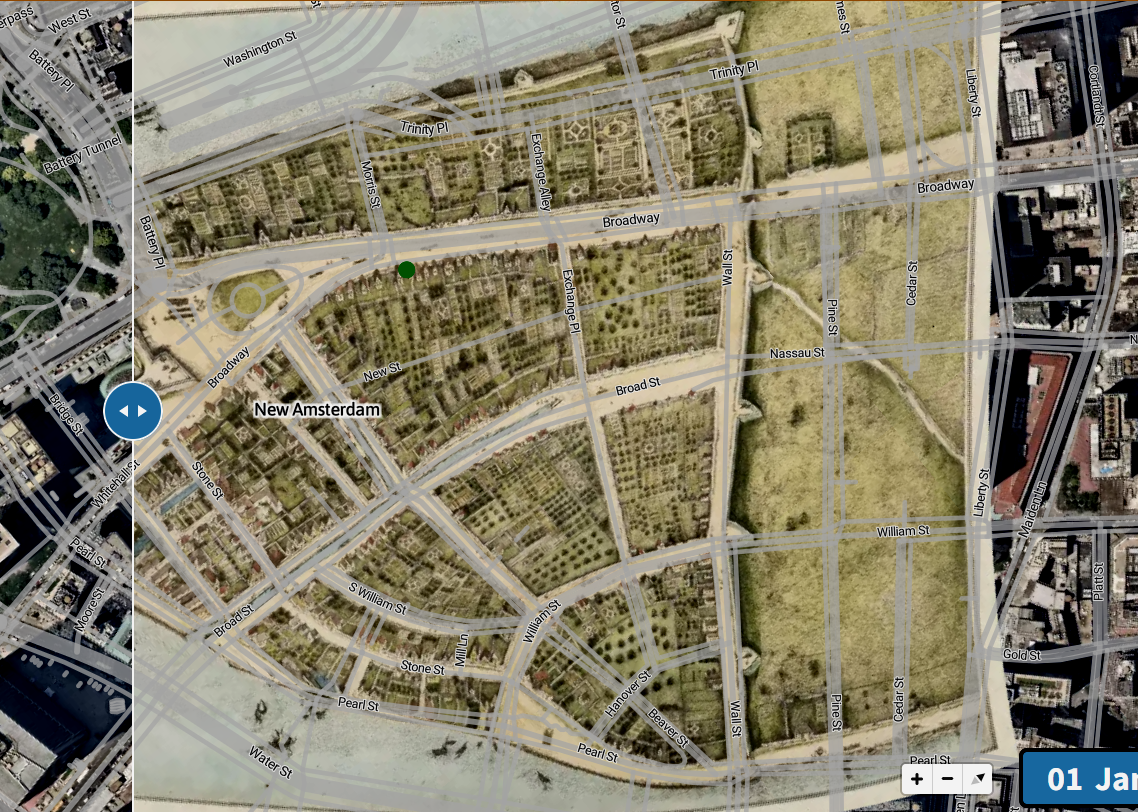
Buying and Selling Real Property in New Amsterdam.
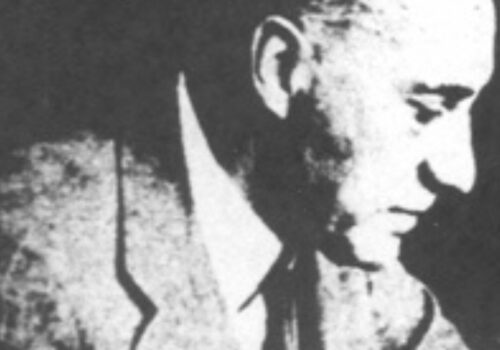
A collection of essays by the Keeper of Manuscripts at the New York State Library early in the 20th Century, edited by Dr. Gehring.

The Dutch Among the People of the Long River De Witte Leeuw (“The White Lion”) was a heavily armed trading ship of 320 tons, sailing...
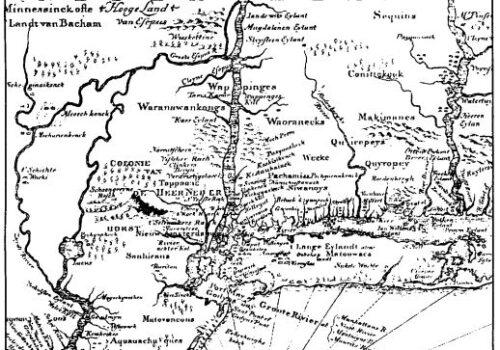
The patroonship plan of colonization was attempted in various regions. Only Rensselaerswijck proved a success.

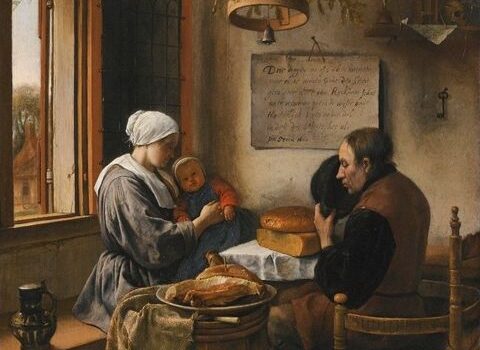
Bread was the mainstay of the Dutch diet in the seventeenth century. It was consumed with butter or cheese for breakfast, paired with meat or hutspot (a one-pot dish of meats and vegetables) for the midday main eal, and served with, or as part of, the porridge at night
Most Dutch children--both rich and poor--attended school in New Netherland. Although most families paid a fee to the local schoolmaster, students whose parents could not afford this fee were admitted for free.
The first colonists lived in square pits, like cellars, that were covered with wood and bark. These simple shelters protected them from the elements until they could build basic cottages. Once New Netherland became more established, colonists built better wooden and later stone and brick houses.

Settlers in New Netherland were a diverse group. Among them were Germans, Scandinavians, French, Scots, English, Irish, Jews, Italians, and Croats. Other residents of New Netherland were born in Africa and brought to the colony as slaves, some of whom were later freed.
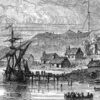
The New Netherland Institute mourns the passing of Stefan Bielinski, long-time historian at the New York State Museum and creator of the Colonial Albany Social History...
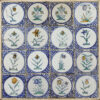
For over four decades, the Annual Conference of the New Netherland Institute (previously known as the Rensselaerswyck Seminar and subsequently the New Netherland Seminar) has brought the best research on New Netherland to a venue in the northeast in the fall.

This special program brings together scholars who are at the cutting edge of this work. How did Blacks live in New Amsterdam? What was “slavery” in the colony? When did the first Africans arrive?
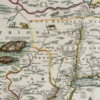
Selected papers from the Rensselaerswijck Seminar, now the New Netherland Seminar, are presented online in "A Beautiful and Fruitful Place."
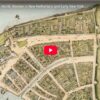
Our most recent conference, the 44th, in October 2022, was Alida Livingston's World: Women in New Netherland and Early New York, held in conjunction with the New-York Historical Society.
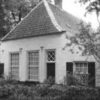
Jeroen van den Hurk uses historic documents to analyze the architecture of New Netherland.

The Story of the Holland Society's journal de Halve Maen by its editor.
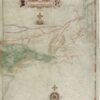
Governors Island, landing place of the first colonists from the Dutch Republic.
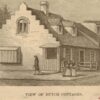
Buying and Selling Real Property in New Amsterdam.
A collection of essays by the Keeper of Manuscripts at the New York State Library early in the 20th Century, edited by Dr. Gehring.
The Dutch Among the People of the Long River De Witte Leeuw (“The White Lion”) was a heavily armed trading ship of 320 tons, sailing...
The patroonship plan of colonization was attempted in various regions. Only Rensselaerswijck proved a success.

Bread was the mainstay of the Dutch diet in the seventeenth century. It was consumed with butter or cheese for breakfast, paired with meat or hutspot (a one-pot dish of meats and vegetables) for the midday main eal, and served with, or as part of, the porridge at night