Now Reading:

The Dutch among the People of the Long River

Font Selector
Sans Serif
Serif
Font Size
A
A
You can change the font size of the content.
Share Page

Exploring Dutch Heritage Through Research 

Exploring Dutch Heritage Through Research 

The Dutch among the People of the Long River

The Dutch Among the People of the Long River

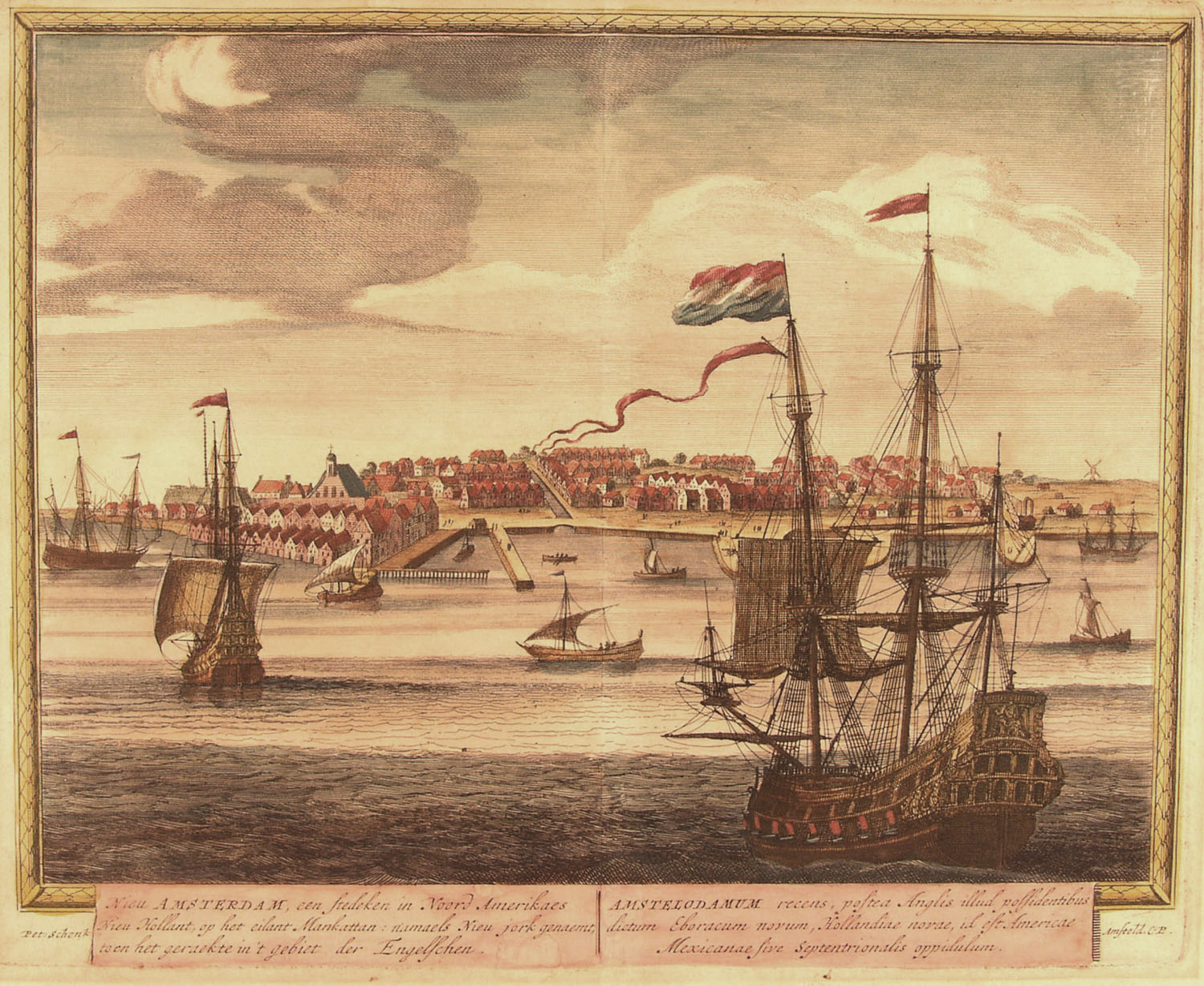
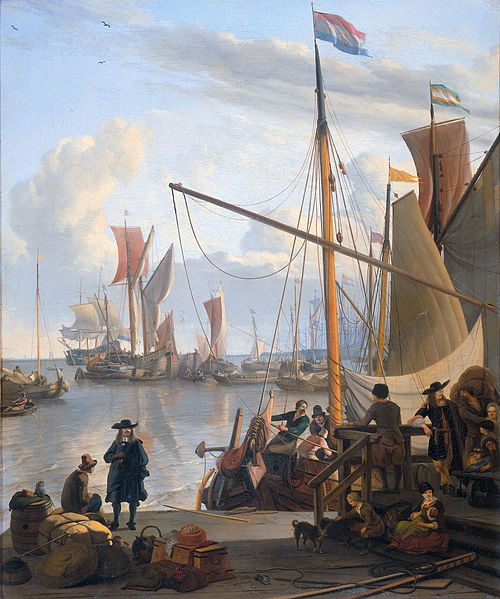
De Witte Leeuw (“The White Lion”) was a heavily armed trading ship of 320 tons, sailing out of Amsterdam. While searching for a profitable cargo in the fishing grounds off Newfoundland, it captured two vessels in St. Mary’s Bay. One was a Spanish ship from which the Dutch crew seized 107 barrels of train oil and seven guns. The other was a Portuguese vessel carrying 24,000 pieces of cod. Although a complaint to the King of France forced the owners to return the naval ordnance taken from the two ships, the merchants back in Amsterdam were likely satisfied with the return on their investment from the sale of the cod and train oil (Hart 1959: 13–14).

Nothing about this incident should particularly excite our interest—except for the year it occurred: 1606, three years before Henry Hudson’s arrival in the New World.

Hudson’s explorations in 1609 were by no means a revelation to the Dutch. They had already been sending ships to the fishing and whaling grounds from Greenland to the New England coast for decades. As subjects of the Hapsburg Empire, Dutch seamen had long served aboard Spanish ships around the world. When the Dutch eventually arrived in the New World as competitors to the French, Spanish, and English, their appearance must be understood in the context of the times.

The Dutch Republic was not merely another imperialist power driven by religious or economic ideology. It was the youngest nation in Europe—newly independent, having revolted against its powerful Spanish overlord, and struggling for survival. The Dutch appearance in the New World, whether in Connecticut or the Caribbean, was a direct response to pressing economic needs at home.

With the wealth of the country tied to the success of commercial ventures led by its burgeoning middle class, the primary concern was clear: to maximize the profits of investors.

Read More of the Article Here.


WHAT WAS NEW NETHERLAND?


About New Netherland Institute

For over three decades, NNI has helped cast light on America's Dutch roots. In 2010, it partnered with the New York State Office of Cultural Education to establish the New Netherland Research Center, with matching funds from the State of the Netherlands. NNI is registered as a 501(c)(3) non-profit organization. Contributions are tax-deductible to the extent permitted by law.