Now Reading:

Bread: Staff of Dutch Life in the Old and New World by Peter G. Rose

Font Selector
Sans Serif
Serif
Font Size
A
A
You can change the font size of the content.
Share Page

Exploring Dutch Heritage Through Research 

Exploring Dutch Heritage Through Research 
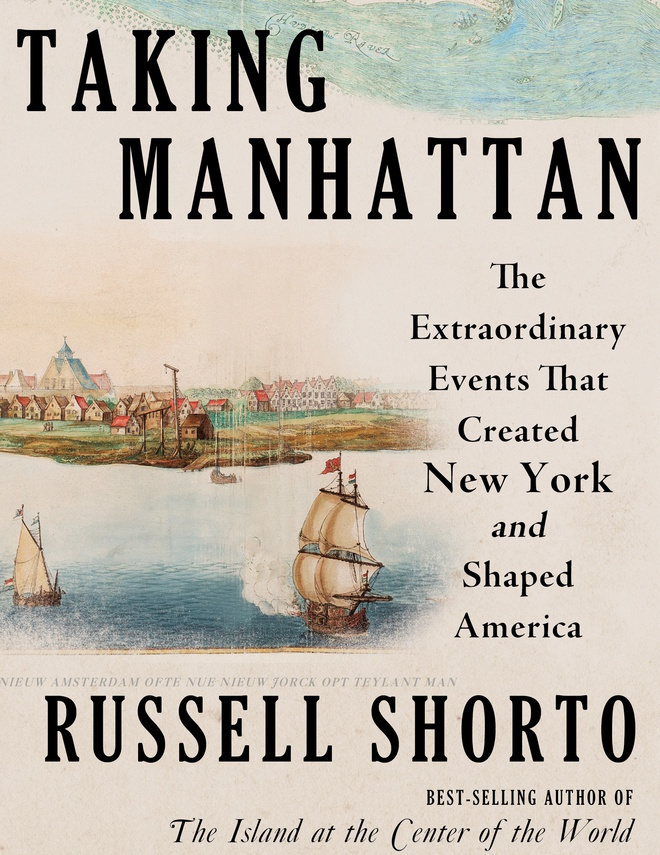
Bread: Staff of Dutch Life in the Old and New World by Peter G. Rose

Bread: Staff of Dutch Life in the Old and New World
By Peter G. Rose

Bread was the mainstay of the Dutch diet in the seventeenth century. It was consumed with butter or cheese for breakfast, paired with meat or hutspot—a one-pot dish of meats and vegetables—for the midday main meal, and served with, or as part of, the porridge at night. Baked goods accompanied the human life cycle, from the rusks with comfits served at celebrations of a birth to funeral biscuits offered at the time of death. Bread and koek—a gingerbread-style or flat, hard cake—were then, as now, prominent in Dutch food culture. These staples were brought to the New World, where they assumed a similar position in the diet of Dutch settlers and their descendants.

The detailed record books of the Amsterdam Municipal Orphanage provide valuable insight into the bread consumption of both the poor (the orphans) and the lower middle class (the staff). Ann McCants, in her analysis of the diet of burgher orphans in Amsterdam, found that the daily bread ration between the years 1639 and 1699 fluctuated between ten and eleven ounces per child, averaging about ten and a half ounces. Indeed, “bread occupied a prominent place in the daily diet of the Burgerweeshuis” and accompanied nearly every meal, as excerpts from the orphan menu for 1640 demonstrate:

Sunday noon: beans with a piece of bread; salted or smoked meat with a piece of bread
Sunday evening: whole milk with rice made into a porridge
Tuesday noon: white beans with butter and a piece of bread; smoked or salted bacon with carrots, turnip, or cabbage and bread
Tuesday evening: buttermilk with rye bread
Thursday noon: beans with a piece of bread; salted or smoked meat and bread
Thursday evening: buttermilk with wheat bread cooked together

Read the rest of the article here

Tags:

WHAT WAS NEW NETHERLAND?


About New Netherland Institute

For over three decades, NNI has helped cast light on America's Dutch roots. In 2010, it partnered with the New York State Office of Cultural Education to establish the New Netherland Research Center, with matching funds from the State of the Netherlands. NNI is registered as a 501(c)(3) non-profit organization. Contributions are tax-deductible to the extent permitted by law.