

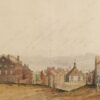
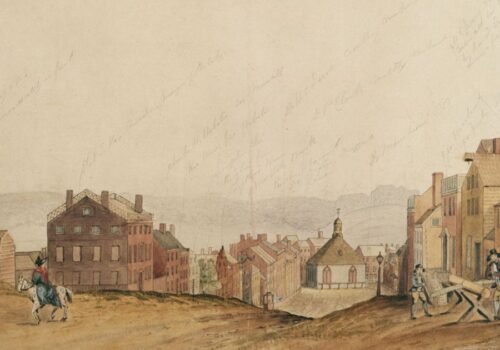
In 1652, a power struggle erupted between Brant Van Slichtenhorst and Petrus Stuyvesant over control of land near Fort Orange. Stuyvesant prevailed, claiming the area and founding Beverwijck.
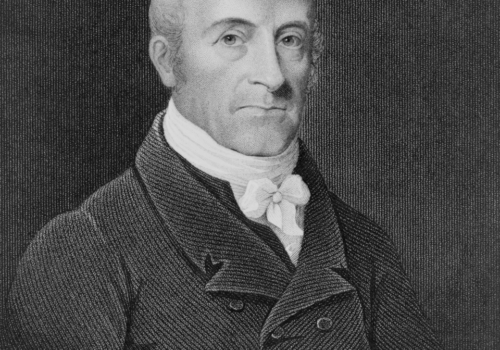
In 1631, Killiaen van Rensselaer founded Rensselaerswijck near Fort Orange, establishing the only successful Dutch patroonship. His private farming colony endured for generations, shaping early New York settlement.
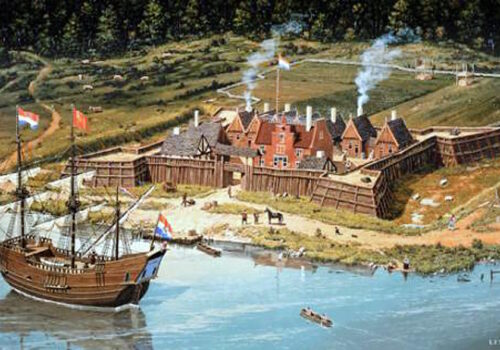
In 1624, the Dutch built Fort Orange on the mainland near Fort Nassau’s site, securing key fur trade routes. It became the foundation for Albany and a vital hub for beaver exports.
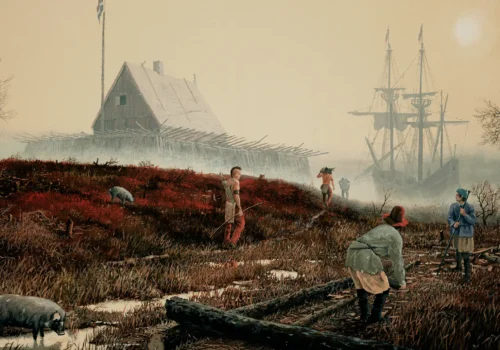
In 1614, Dutch traders built Fort Nassau on Castle Island for fur trade with inland natives. Despite strategic placement, flooding forced its abandonment by 1618, delaying permanent Dutch settlement.
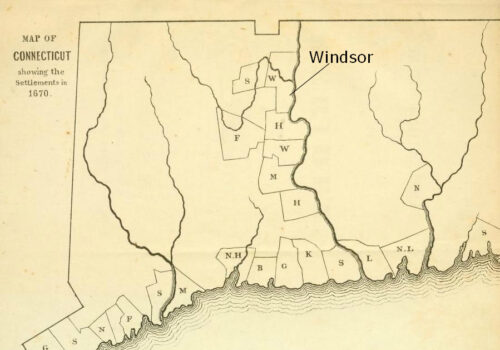
In 1633, Dutch forces at House of Hope watched as Englishman William Holmes defied threats and sailed upriver to found Windsor—the first permanent European settlement in Connecticut.
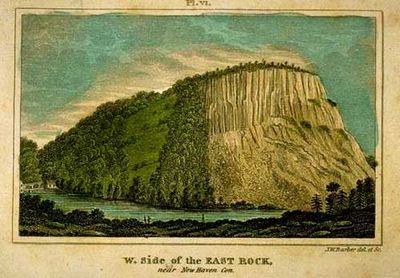
In 1614, Adriaen Block named Rodenbergh after red hills near a promising harbor. Though Dutch traders visited, English settlers soon dominated, founding a town led by minister John Davenport.
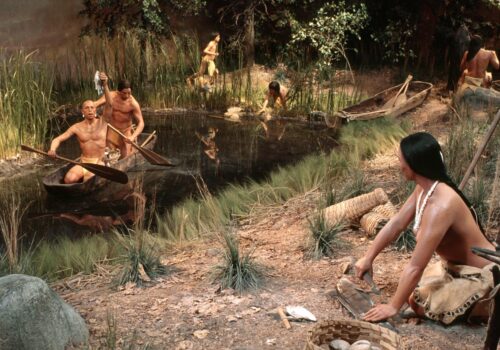
The site of Mason’s massacre of Pequots in 1637 Pequot village diorama, from the Mashantucket Peqout Museum. Source: The tribe-owned Mashantucket Pequot Museum and Research...
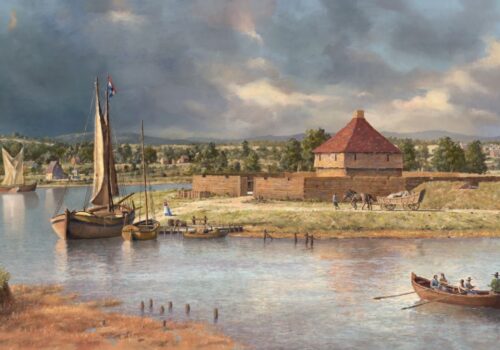
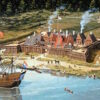
Fort Good Hope, circa 1639 L. F. Tantillo, 2023 © By Historical Artist, Len Tantillo Since no one alive today has seen Fort Good Hope—once...
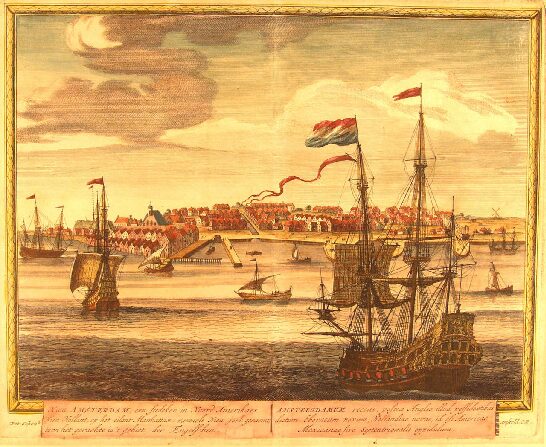
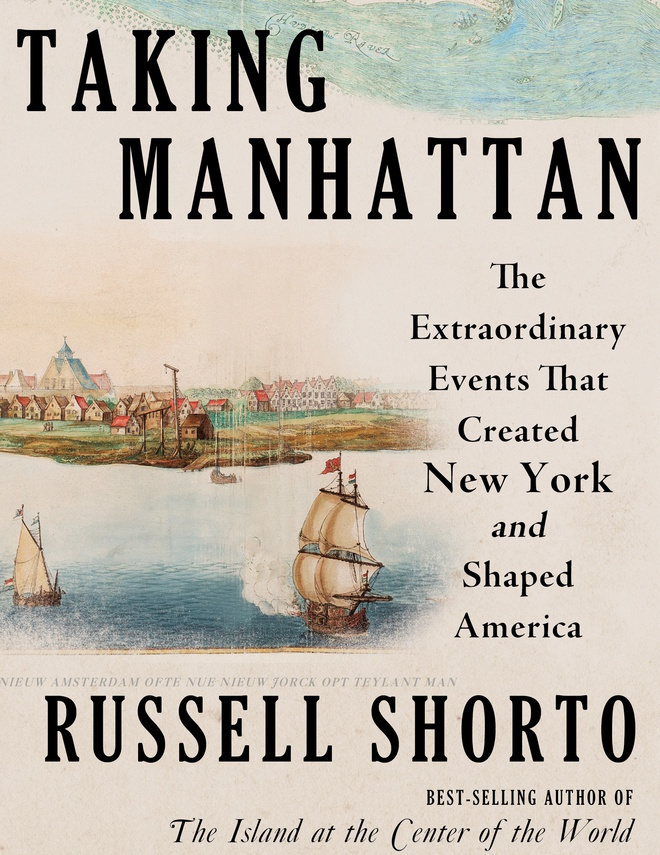
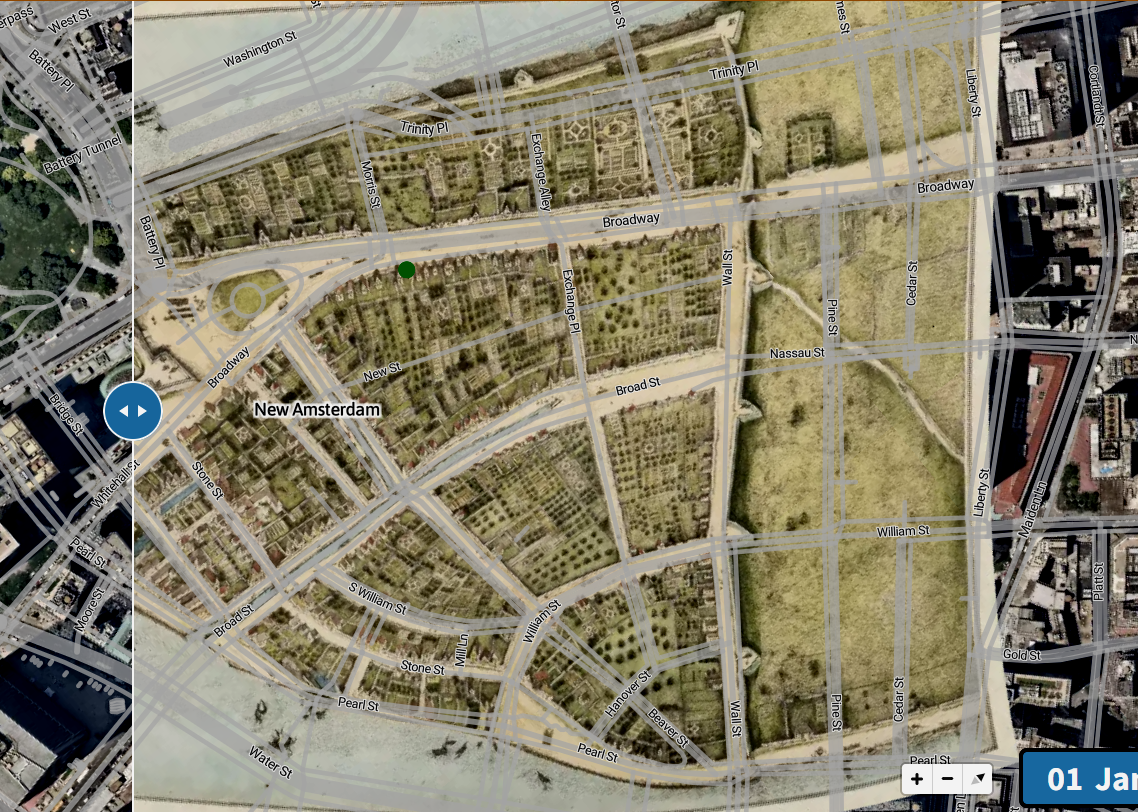
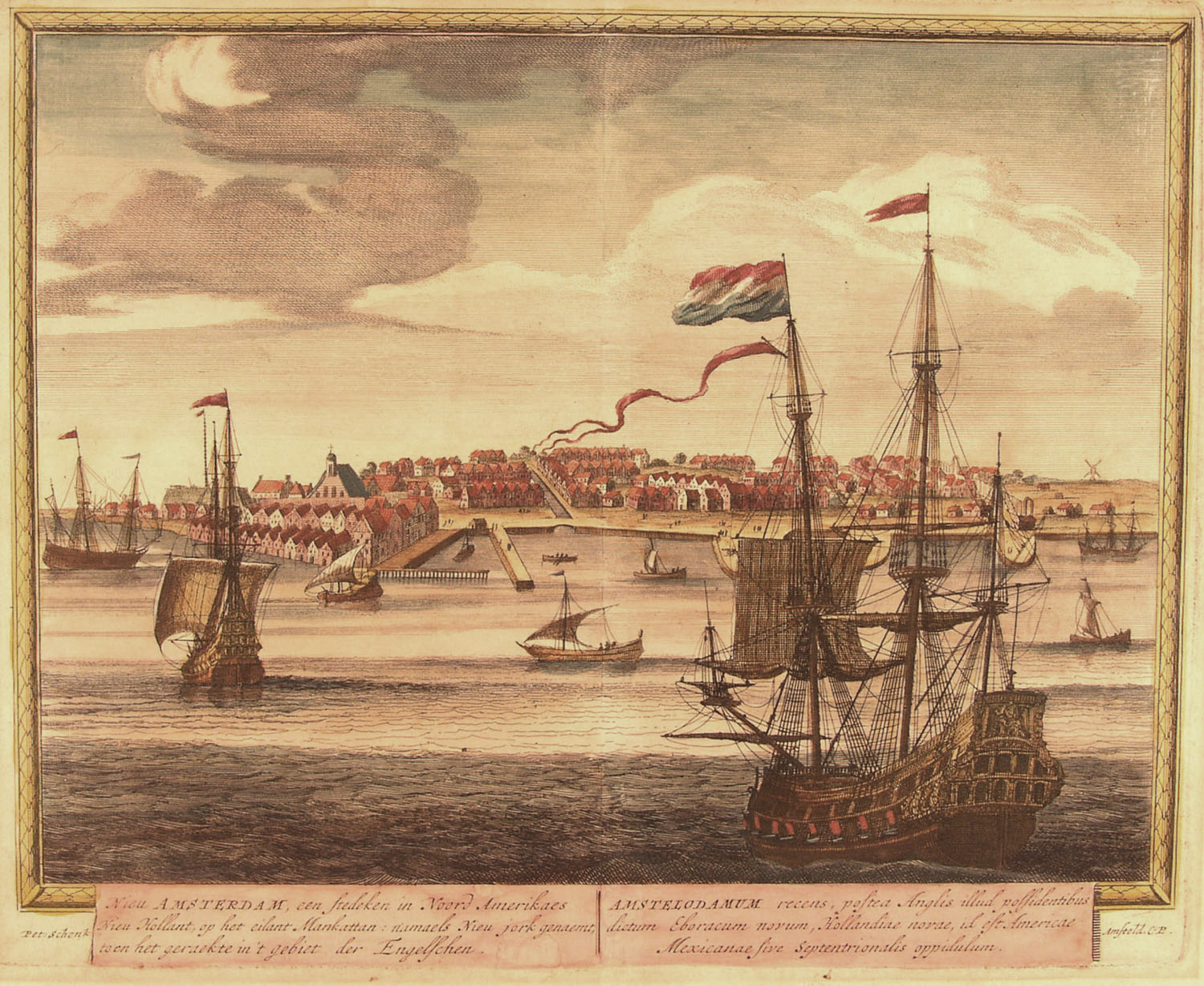
Nieu Amsterdam, een stedeken in Noord Amerikaes Nieu Hollant, op het eilant Mankattan: Namaels Nieu Jork genaemt, toen het geraekte in’t gebiet der Engelschen. (New...