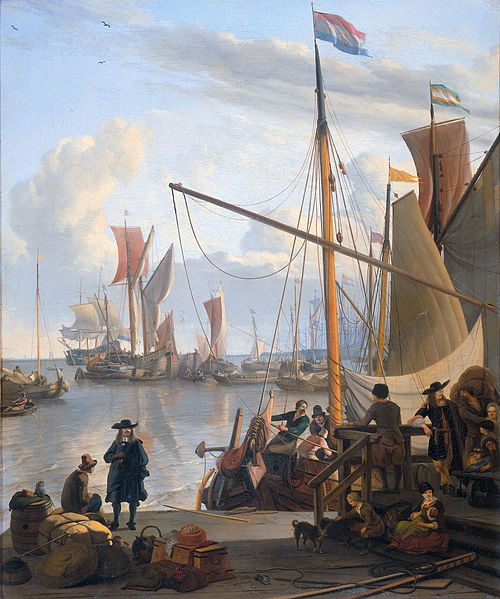

Founded in 1660 by French immigrants, Boswijck quickly grew between Breuckelen and Middleburgh. Amid war and English threats, settlers petitioned for protection—yet by 1664, Boswijck became Bushwick under English rule.
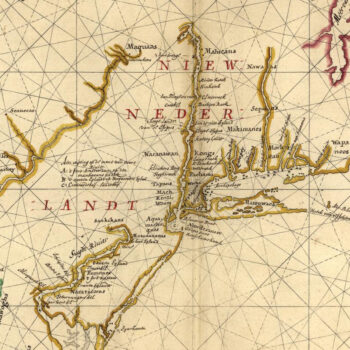
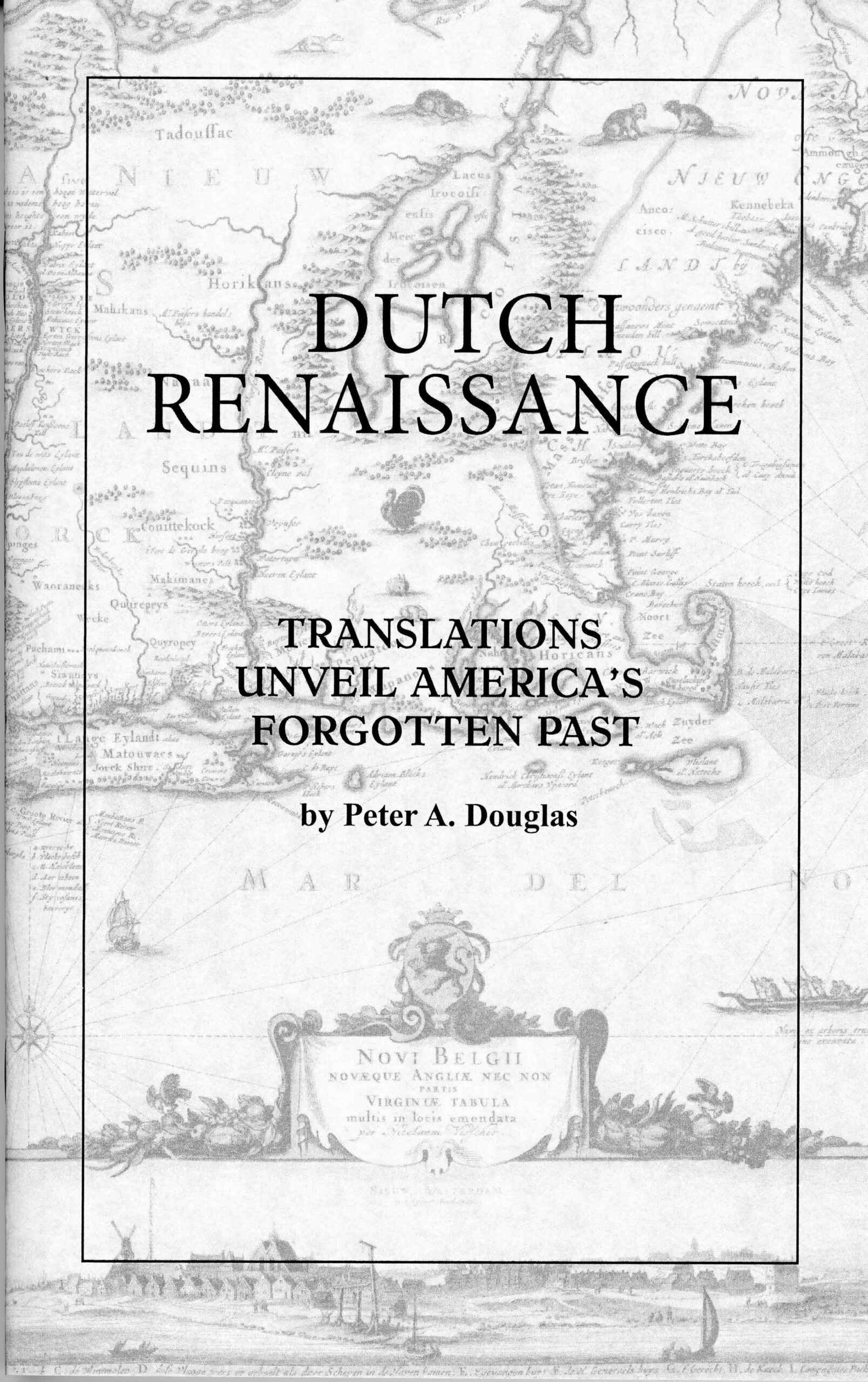
Long Island, once called 't Lange Eylandt by the Dutch, became a contested territory between New Netherland and New England. Dutch and English place names reflect its rich, conflicted colonial history.
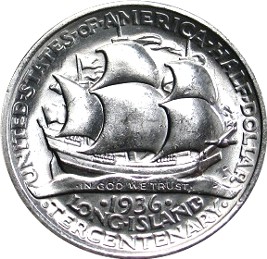
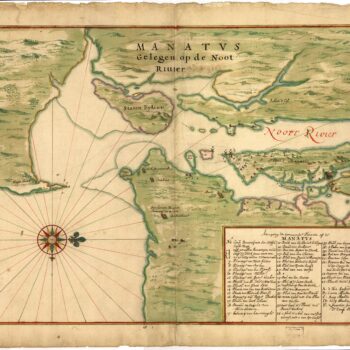
Named for the Dutch States General, Staten Island was purchased in 1630 by Pieter Minuit. Though promising, early Dutch settlements struggled after conflict erupted with local tribes in 1641.
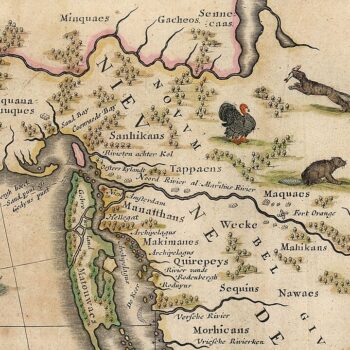
In 1624, thirty Walloon families fleeing Spanish Catholic rule arrived with Cornelis May aboard the Nieu Nederlandt. Most settled upriver; eight men remained on Nut Island for fur trading.
In 1624, thirty Walloon families fleeing Spanish Catholic rule arrived with Cornelis May aboard the Nieu Nederlandt. Most settled upriver; eight men remained on Nut Island for fur trading.
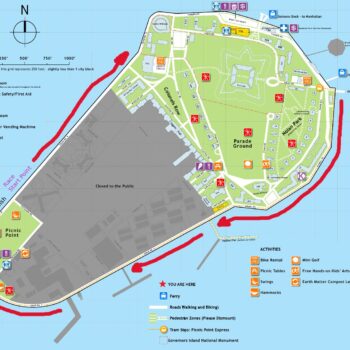
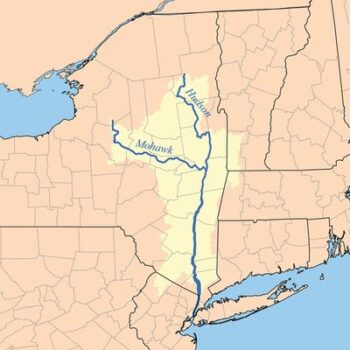
The Hudson River is known all over the world as the major waterway that runs by Manhattan Island and north into New York State. The Hudson made New York City and New York State what they are today.
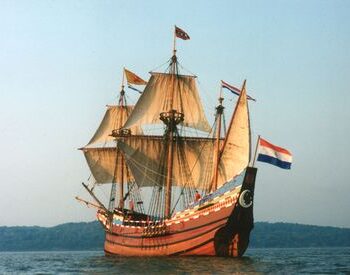
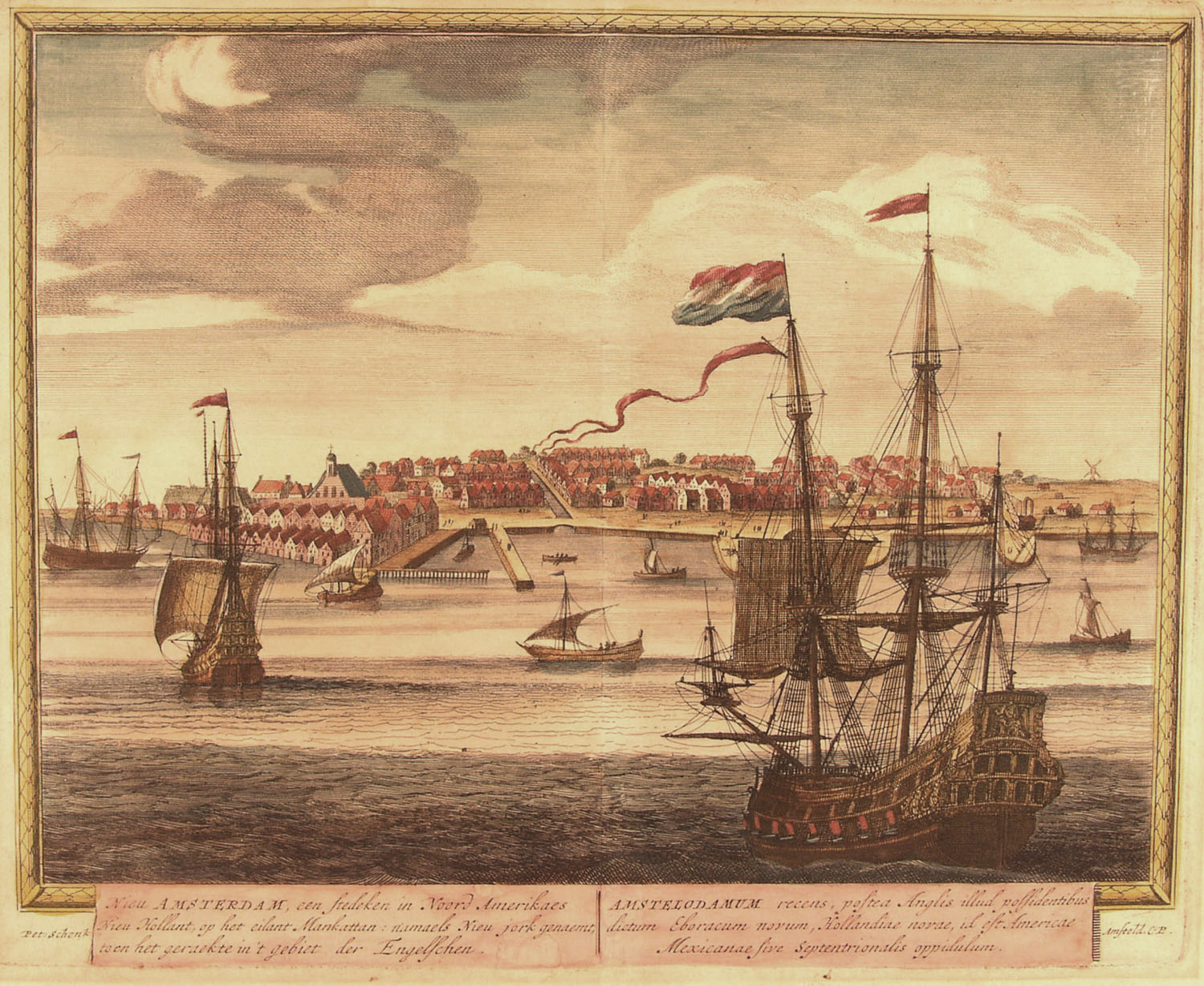
De Halve Maen (The Half Moon) was the name of the ship in which Henry Hudson charted the river that now bears his name. It was an 85-foot, square-rigged, three-masted wooden sailing vessel, which carried a crew of 15 to 20 men.
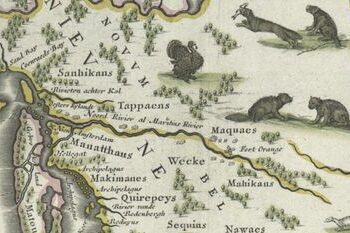
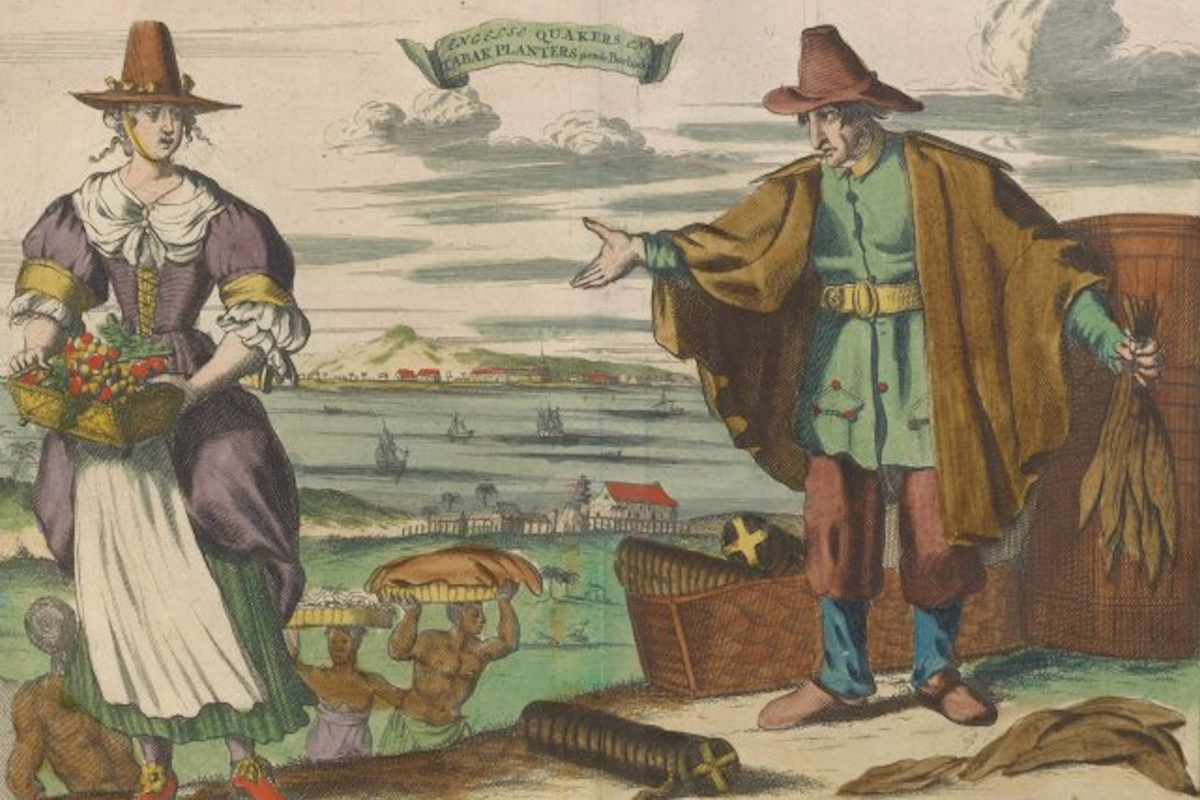
Drawn by dreams of Asian trade, the Dutch stayed in North America for beaver pelts. Beaver fur, ideal for warm felt hats, became essential in rising 17th-century European fashion.
In the 1650s, settlers from Fort Orange founded Esopus midway up the Hudson River, where cargo shifted to smaller boats. Named for a local creek, it became a key farming village.
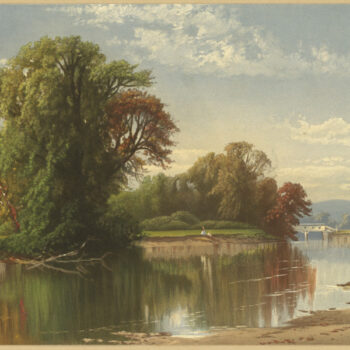
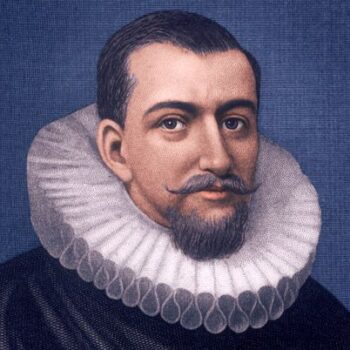
Henry Hudson’s 1609 voyage for the Dutch led to the exploration of the Hudson, Connecticut, and Delaware rivers, prompting Dutch claims and shaping New Netherland’s legacy—including New York’s unique character.