

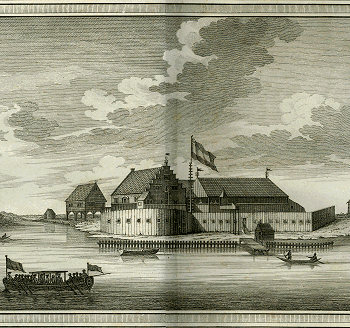
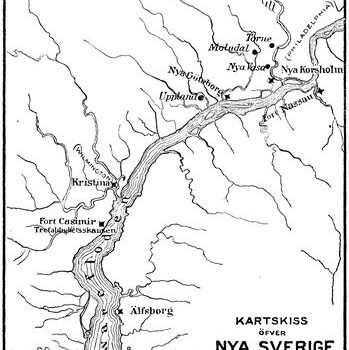
Before choosing Manhattan, the Dutch planned their capital on Burlington Island. Later, Fort Nassau became their fur-trading post, but the Swedes outmaneuvered them until Fort Nassau was relocated in 1651.
Ask ChatGPT
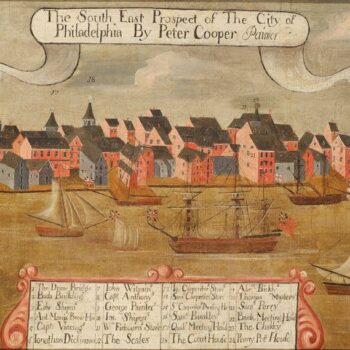
Philadelphia was founded during the English period in 1681 by William Penn, but European presence dated back to 1646, when Dutch, Swedish, and English groups competed for land and fur trade.
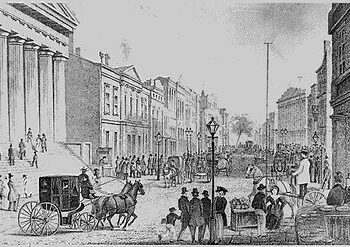
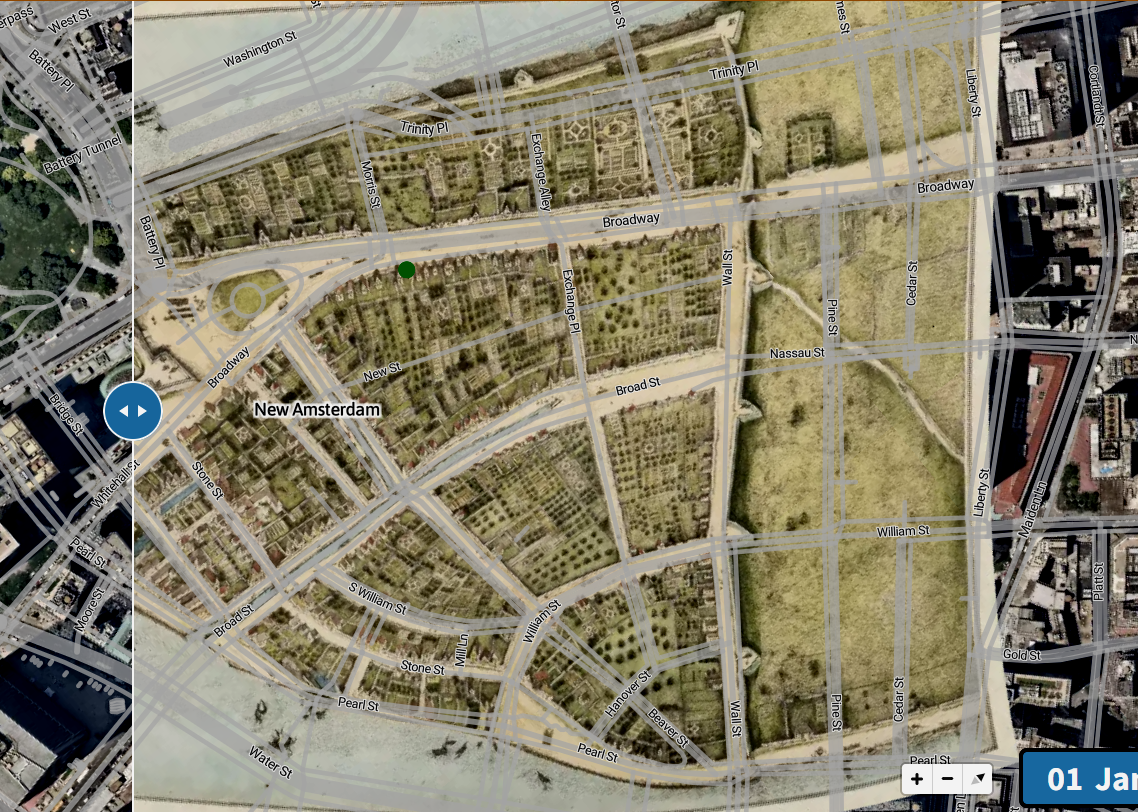
Wall Street takes its name from the wooden wall the Dutch erected in the 1650s to protect New Amsterdam from potential British or Native attacks. The wall stood near today's Wall Street.
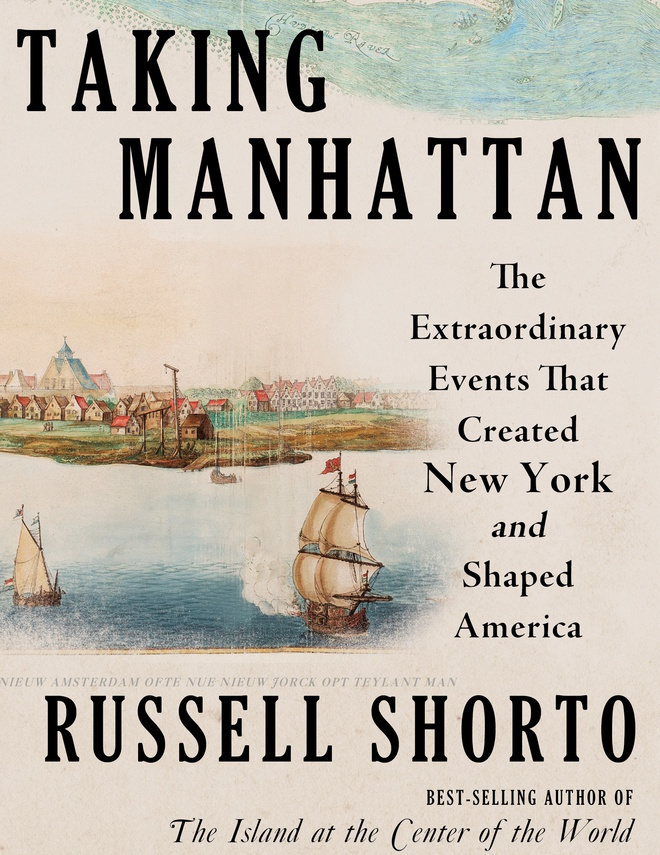
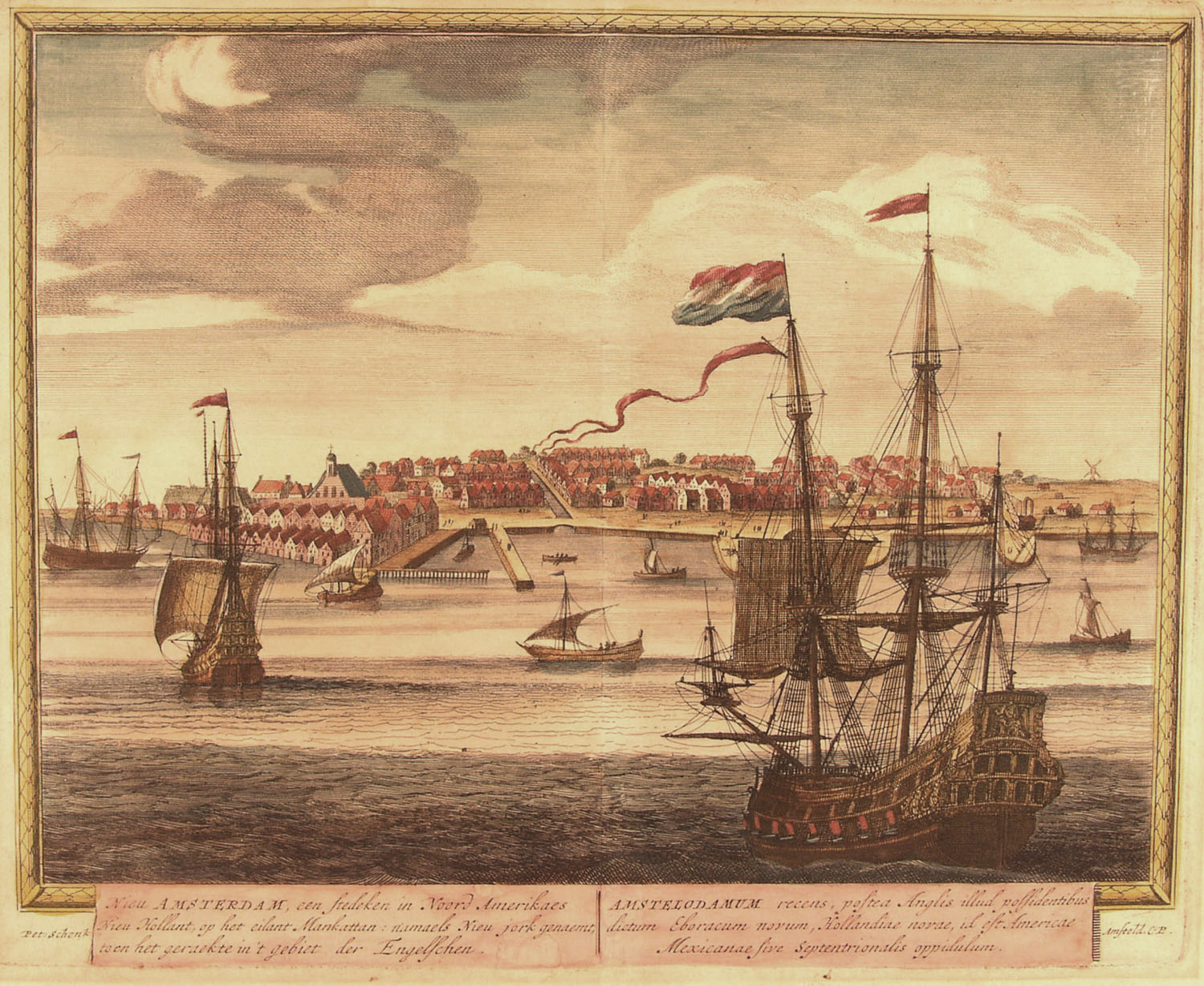
New Amsterdam, the Dutch capital on Manhattan’s southern tip, had just fifteen streets and under 1,000 residents. Yet its multicultural makeup—18 languages, many ethnicities—laid the foundation for New York City’s diversity.
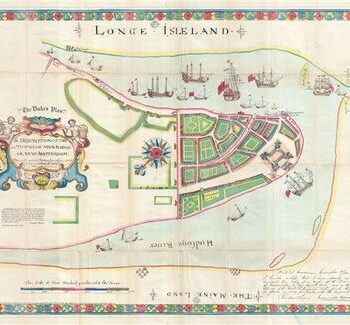
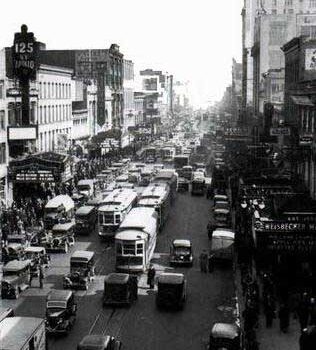
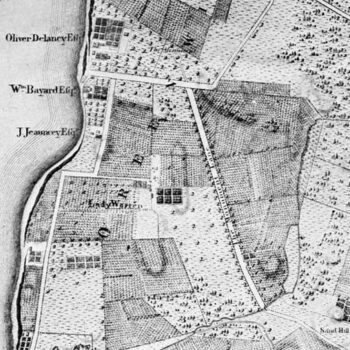
During the Dutch period, the area north of New Amsterdam was called Noortwyck. In the 1670s, Yellis Mandeville renamed it Greenwich, likely an Anglicization of the Dutch "Greenwijck," meaning Pine District.
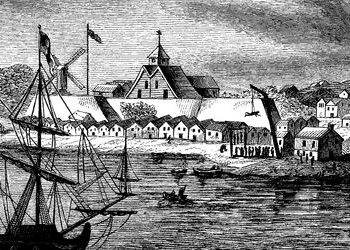
In the seventeenth century, forts were essential for trade and defense. Once Manhattan was chosen as New Netherland’s center, establishing a fort there was an obvious and necessary first step.
The Dutch established large farms north of New Amsterdam, including the famed Bowery Number One. Bowery Lane connected them to the city, eventually evolving into today’s Bowery between Chinatown and the Lower East Side.