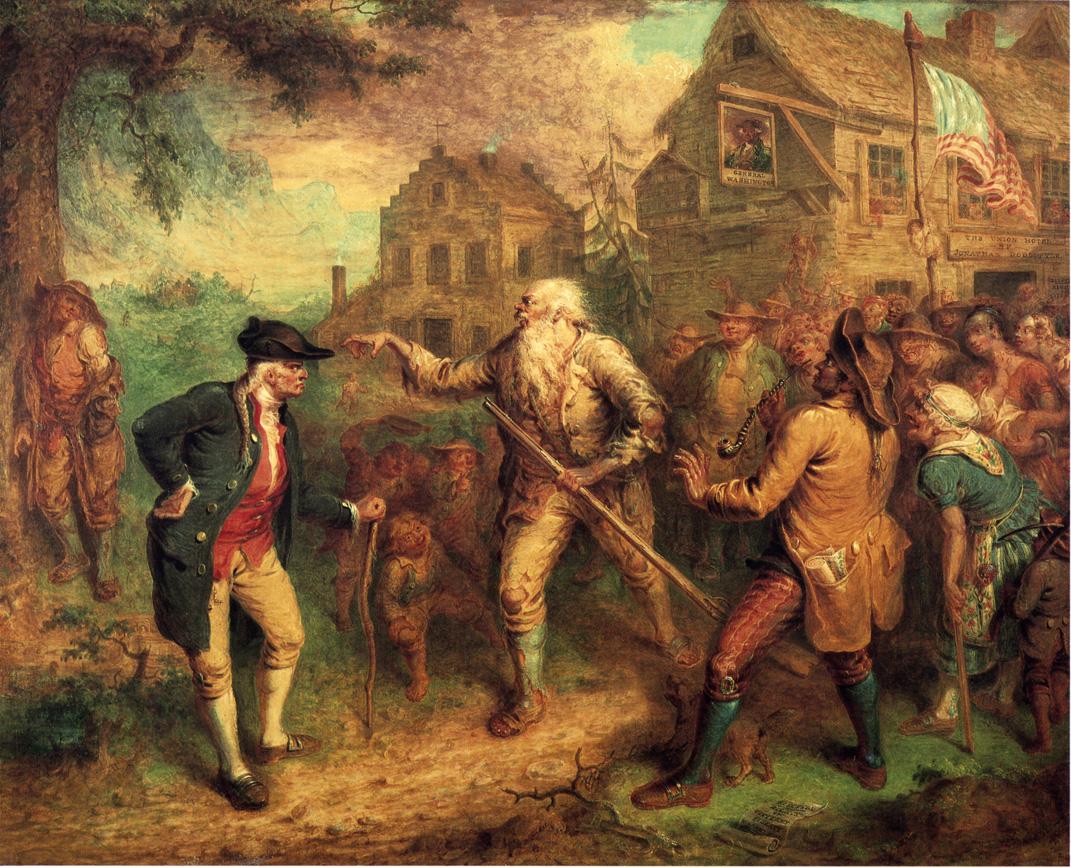
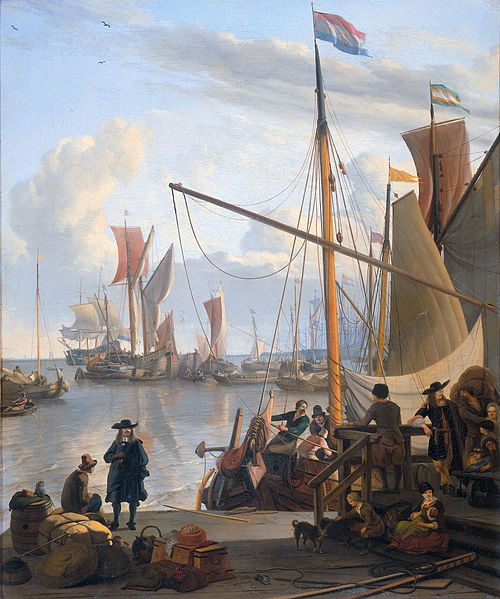

Dirk Alkemade (PhD student at Leiden University), our visiting Fulbright/NNI scholar, harrived at the NNRC on May 2 and was here. Dirk through July 31. His research was on the Dutch political refugees who came to the US in the revolutionary era (c. 1776-1815).

NNI in conjunction with the Fulbright Center of Amsterdam, the Netherlands, offers a 3-month residency and a grant of $5,000 for research in the field of New Netherland history and the Dutch Atlantic world.
The Howard G. Hageman Citation honors Dr. Howard G. Hageman, a founder of the Friends of the New Netherland Project, later known as the Friends of New Netherland and currently the New Netherland Institute.
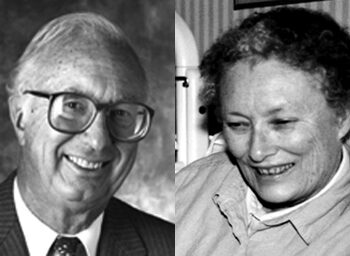
The Van Slyke Article Prize honors Clague Van Slyke and Carol Van Slyke Lazo, descendants of New Netherland settler Cornelis Van Slyck. This $1,000 annual award recognizes outstanding published articles on the Dutch colonial Atlantic, especially New Netherland, based on original research. Submissions are due by April 1.
The Charles W. Wendell Research Grant supports projects on the Dutch in North America or the Dutch Atlantic, offering $1,000–$5,000 for up to six months. Open to all researchers. Applications due February 15. Residency at NNRC encouraged.
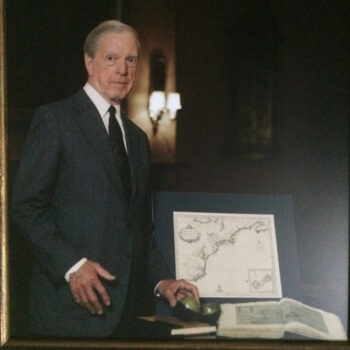
Dr. Andrew A. Hendricks Dr. Andrew A. Hendricks descended from the Colonial Dutch. A native of Orange, New Jersey, his fourth-grade assignment on the Dutch...
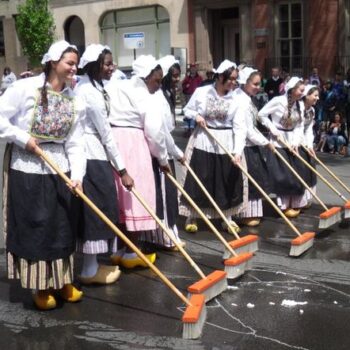
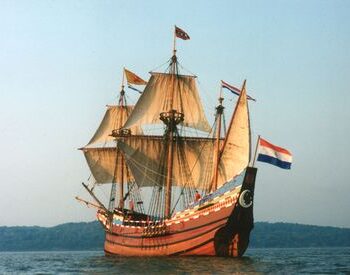
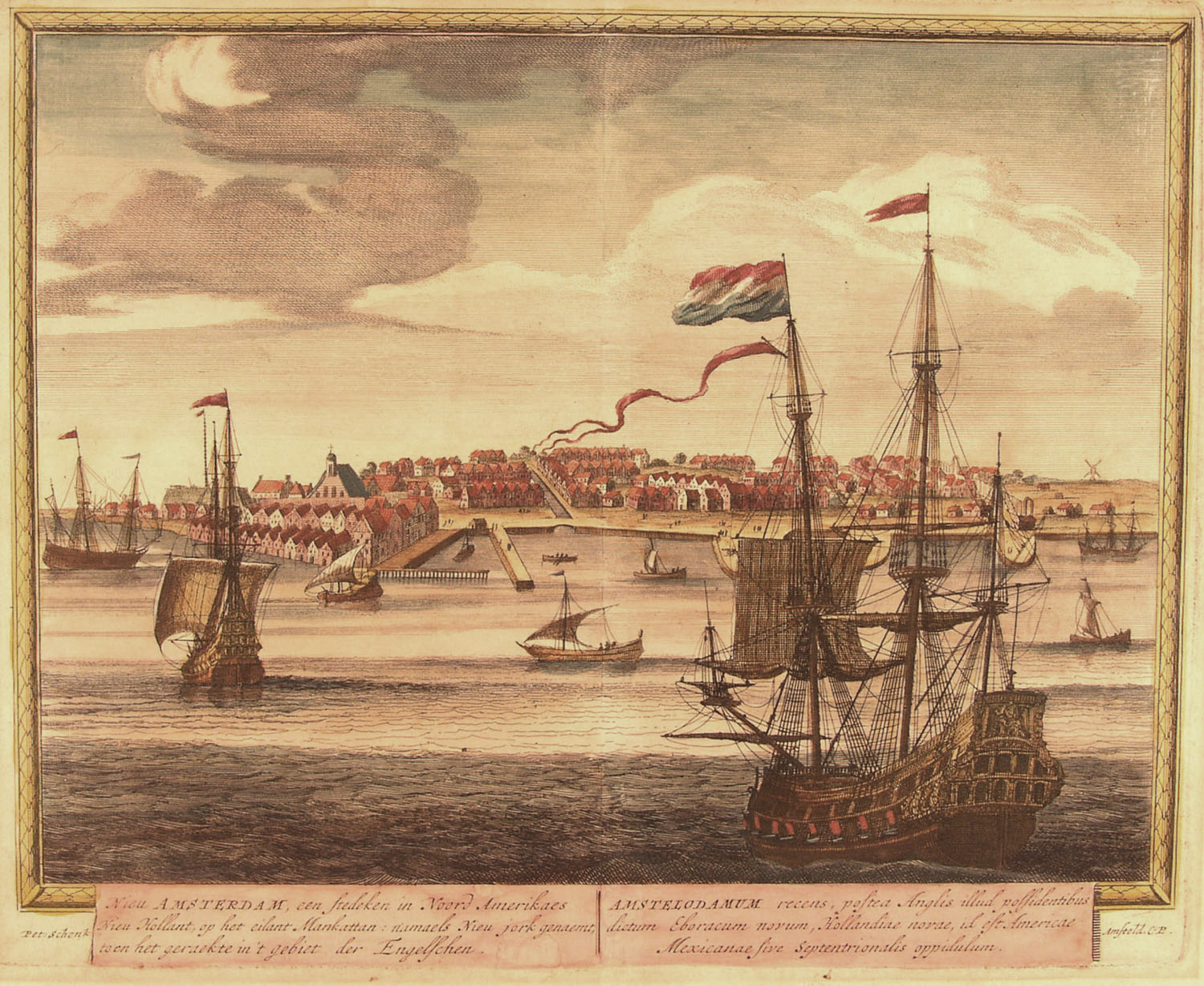
New Netherland was a Dutch colony from 1614 to 1664, about 50 years. In 1664, the English took the colony from the Dutch by force--even though the two countries were not at war and few if any shots were fired.
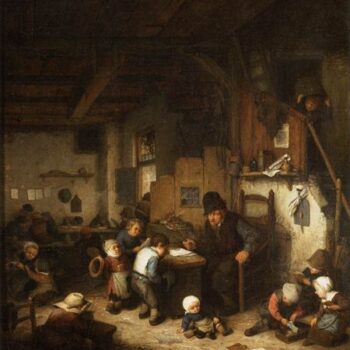
Most Dutch children--both rich and poor--attended school in New Netherland. Although most families paid a fee to the local schoolmaster, students whose parents could not afford this fee were admitted for free.
The first colonists lived in square pits, like cellars, that were covered with wood and bark. These simple shelters protected them from the elements until they could build basic cottages. Once New Netherland became more established, colonists built better wooden and later stone and brick houses.
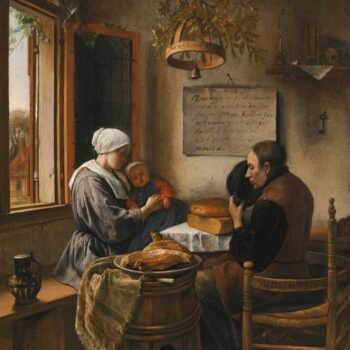
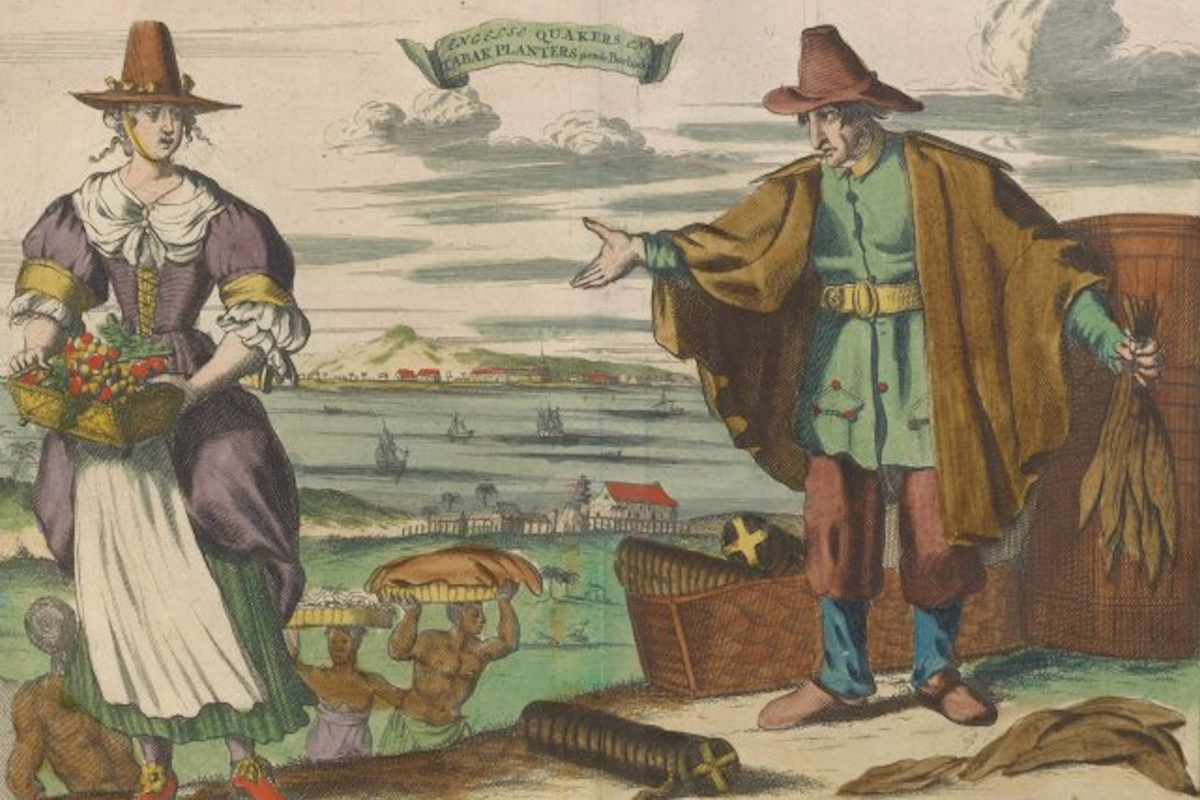
Settlers in New Netherland were a diverse group. Among them were Germans, Scandinavians, French, Scots, English, Irish, Jews, Italians, and Croats. Other residents of New Netherland were born in Africa and brought to the colony as slaves, some of whom were later freed.