
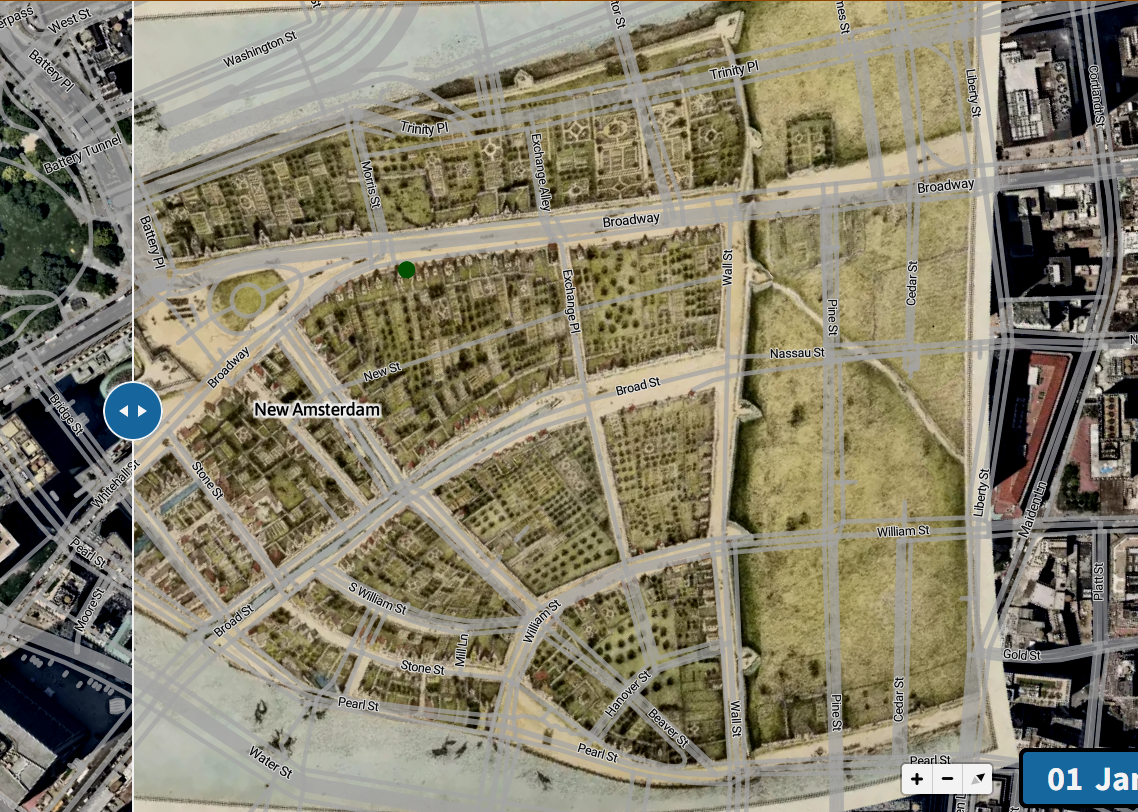
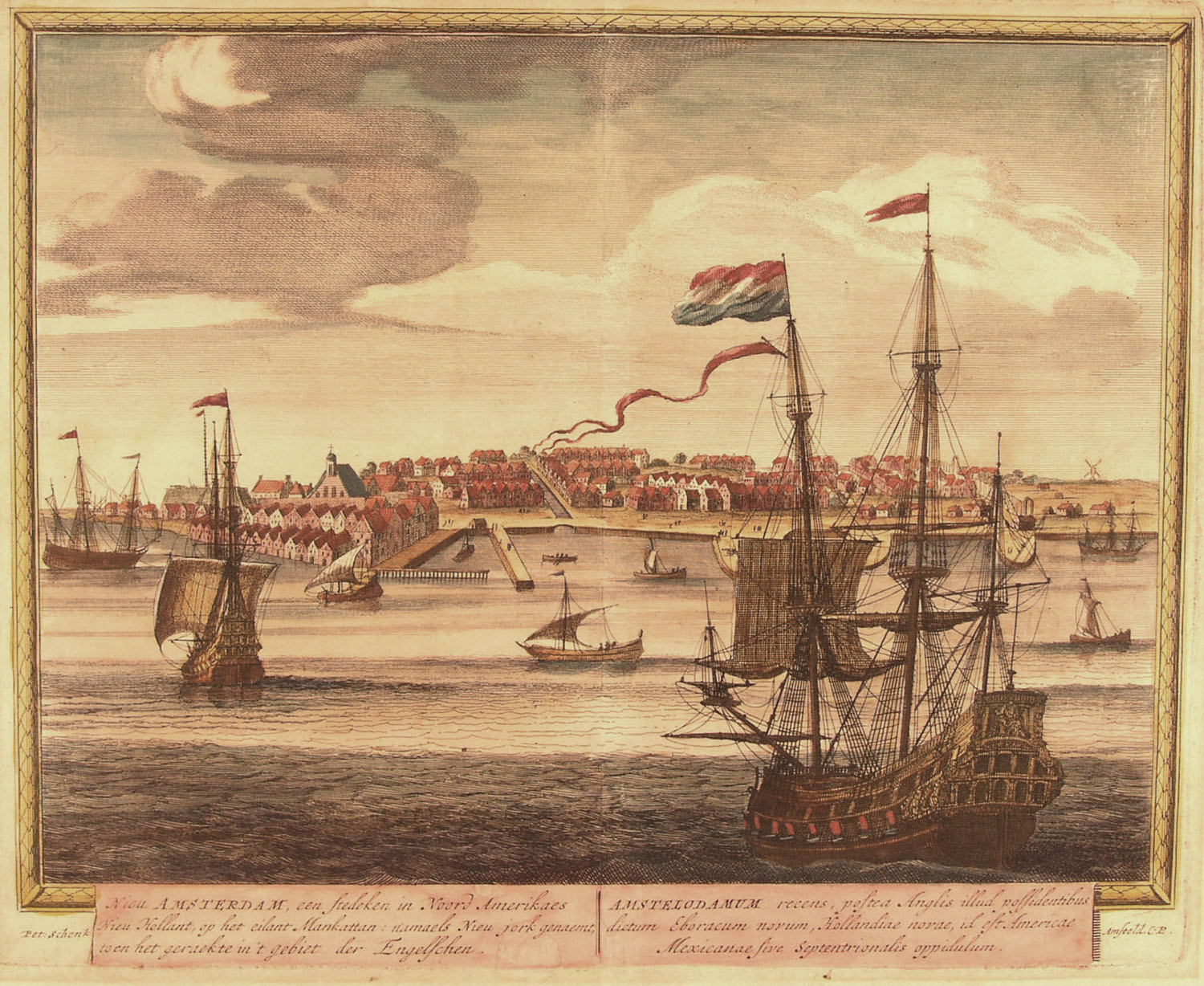
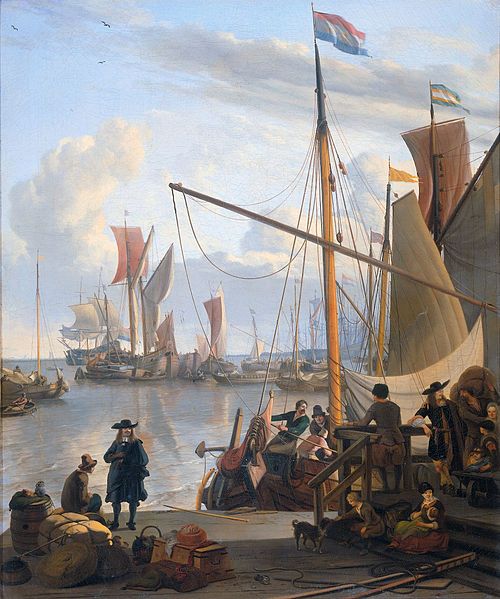

The Dutch established large farms north of New Amsterdam, including the famed Bowery Number One. Bowery Lane connected them to the city, eventually evolving into today’s Bowery between Chinatown and the Lower East Side.
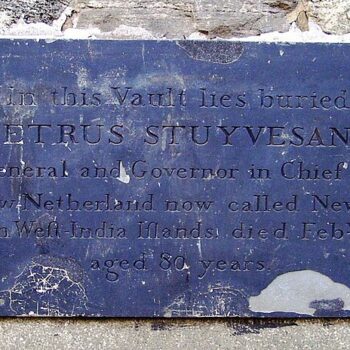
Hendrik Willem van Loon (1882–1944) was a Dutch American historian, writer, and illustrator best known for The Story of Mankind, which won the 1922 Newbery Medal and made world history accessible to younger readers.
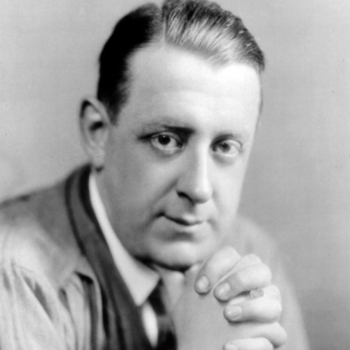
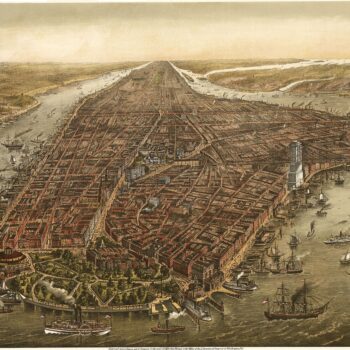
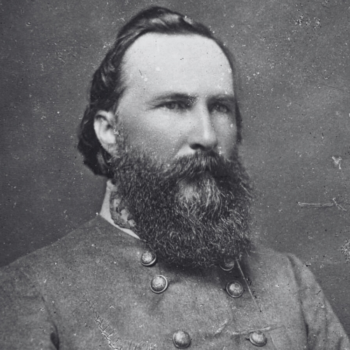
James Longstreet (1821–1904) was a senior Confederate general during the American Civil War and a principal commander under Robert E. Lee. After the war he served in several U.S. government posts and later wrote memoirs defending his wartime actions.
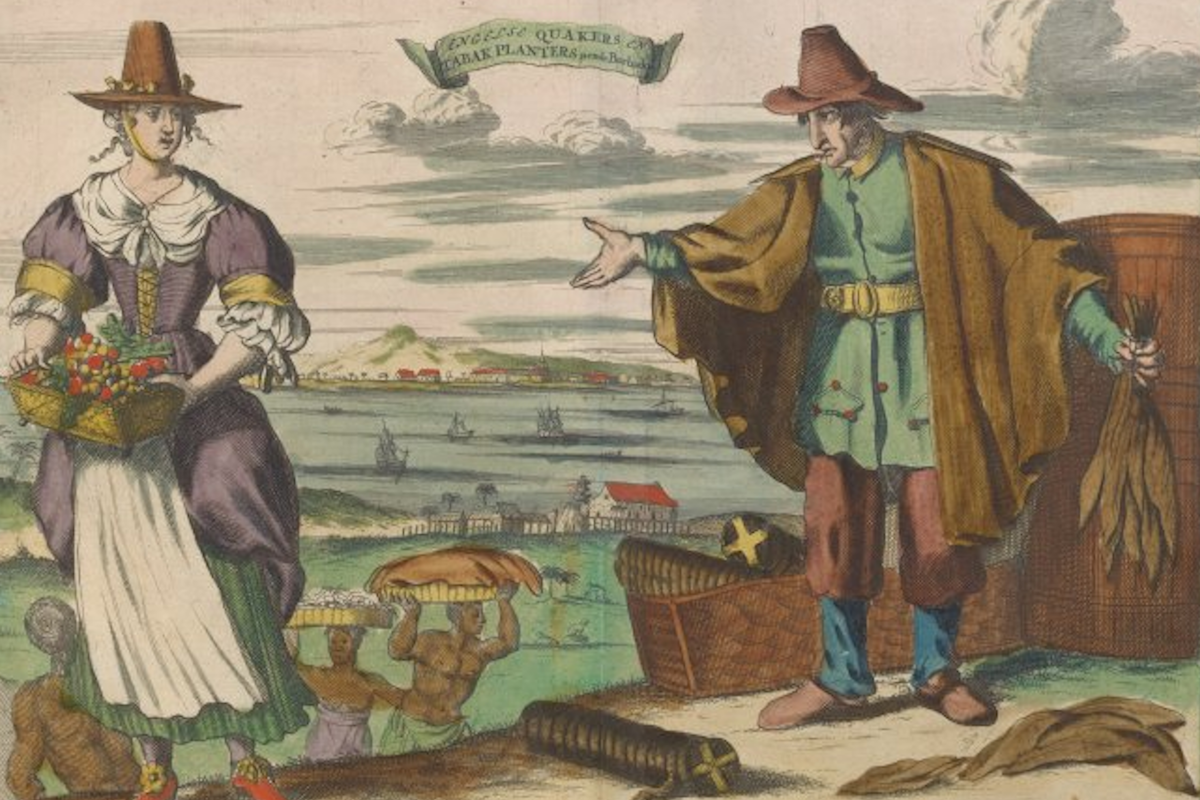
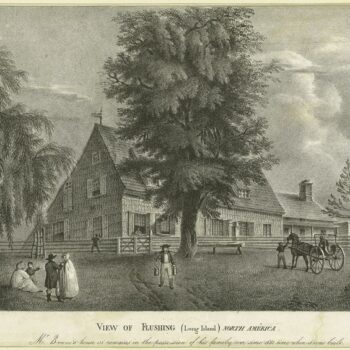
The town of Vlissingen, later Flushing, became a center of religious controversy in the 1650s. Quaker residents defied Dutch restrictions, prompting a crackdown by Director-General Petrus Stuyvesant.
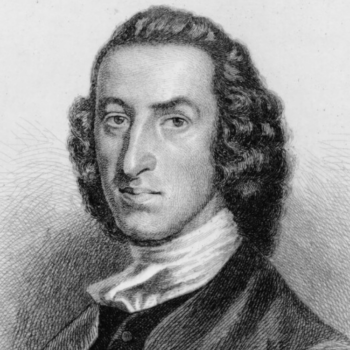
William Livingston (1723–1790) was a lawyer, patriot, and the first elected governor of New Jersey. A signer of the U.S. Constitution, he also served in the Continental Congress and supported the American cause during the Revolution.
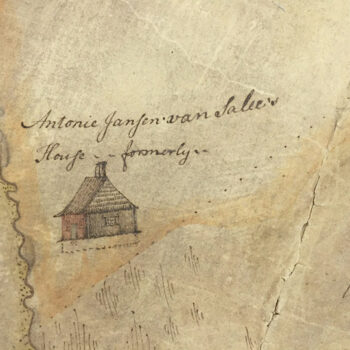
In 1643, Anthony Jansen Van Salee received land on Long Island. Later settled and organized by Jacques Cortelyou, it became New Utrecht, named for Cornelius van Werckhoven’s Dutch hometown.
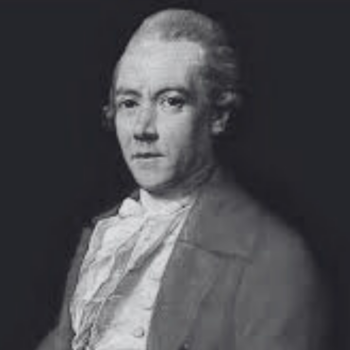
Philip Livingston (1716–1778) was a New York merchant, political leader, and signer of the Declaration of Independence. A member of the prominent Livingston family, he served in the Continental Congress and helped support the American Revolution.
Founded in 1636, Amersfoort grew into a thriving town with farms, magistrates, and taverns. By 1656, its residents collaborated with nearby villages to support church construction and fund a minister.
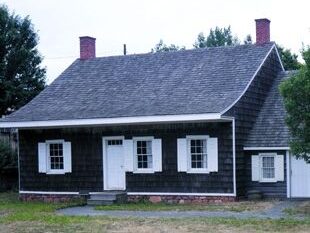
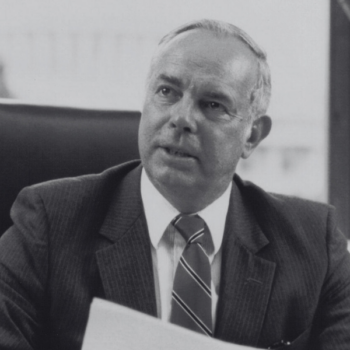
Norman F. Lent Jr. (1931–2012) was a Long Island congressman who served in the U.S. House from 1971 to 1993. A moderate Republican, he helped shape environmental legislation including the Superfund law and Clean Air Act amendments.