
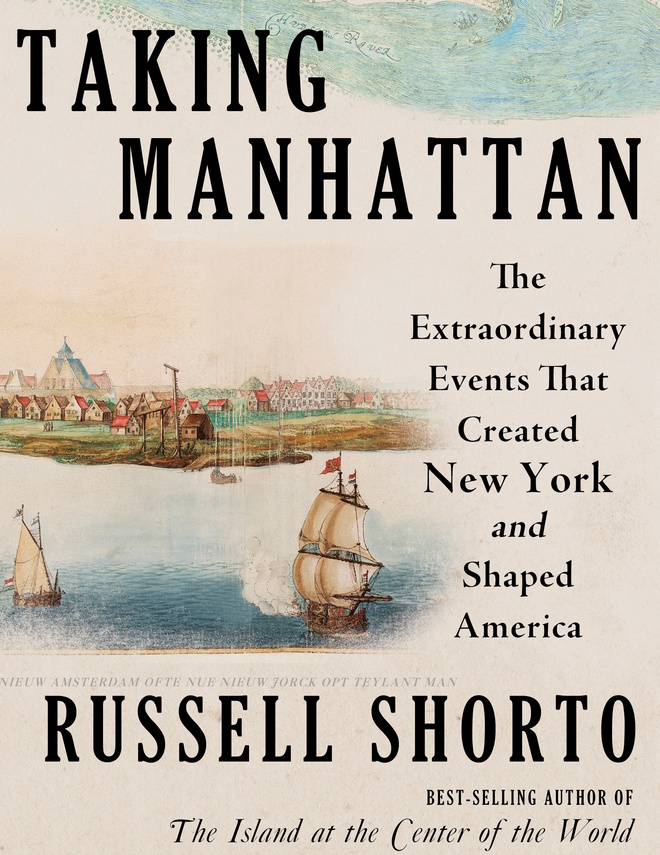
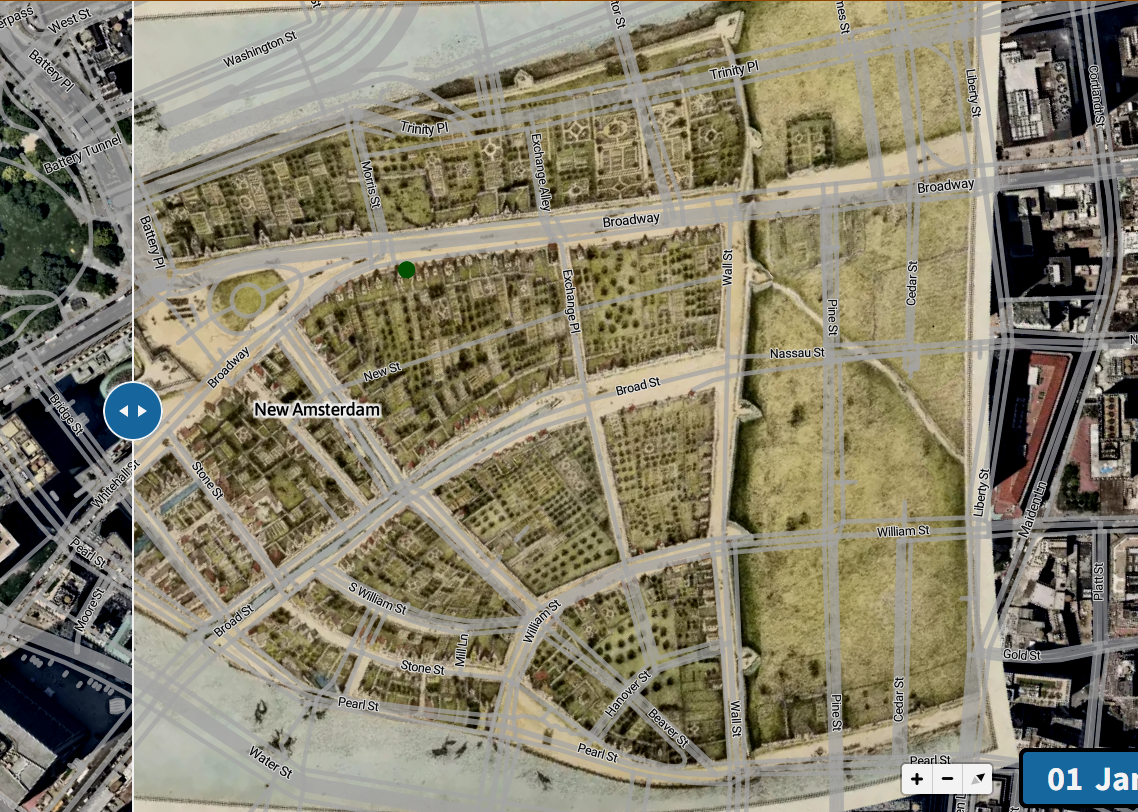
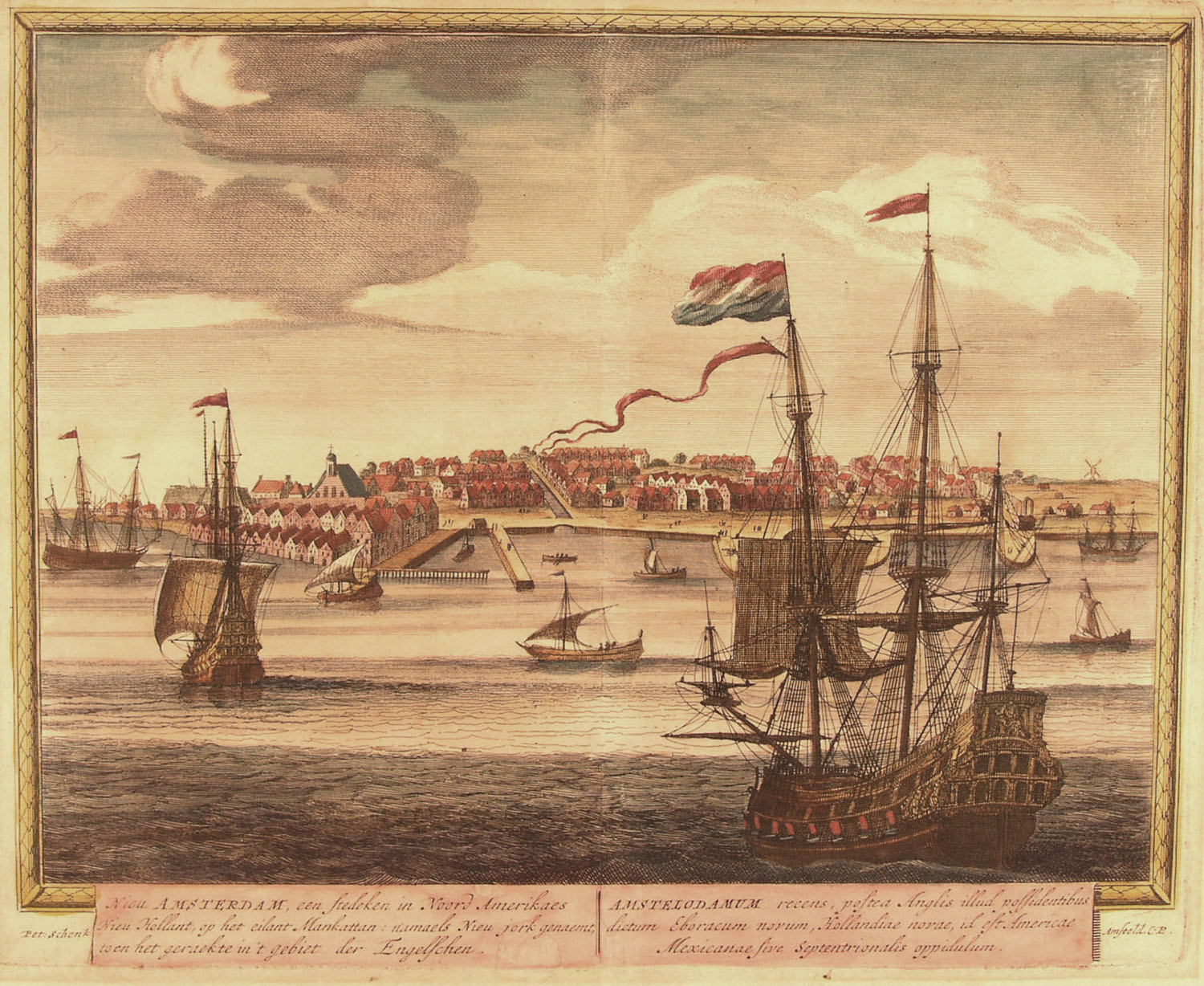
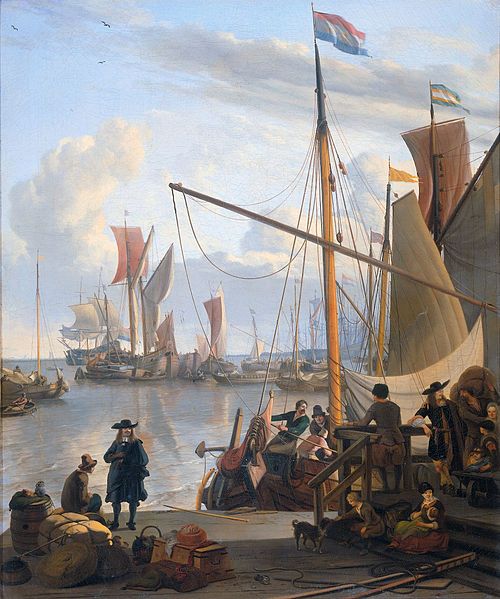

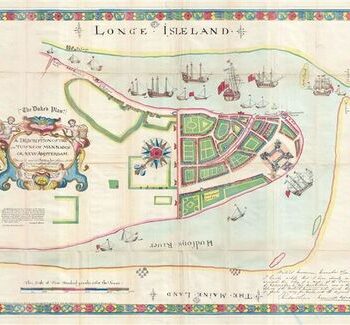
New Amsterdam, the Dutch capital on Manhattan’s southern tip, had just fifteen streets and under 1,000 residents. Yet its multicultural makeup—18 languages, many ethnicities—laid the foundation for New York City’s diversity.
Frederick Manfred (1912–1994), born Frederick Feikes Feikema VII, was a regional American novelist of Dutch Frisian heritage who wrote about the northern Plains. Over four decades he published about forty books, including the acclaimed frontier novel Lord Grizzly.
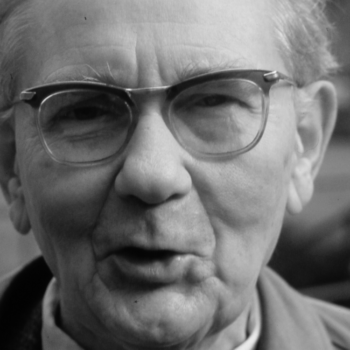
Willem Jacob Luyten (1899–1994) was a Dutch American astronomer at the University of Minnesota who became the leading authority on stellar proper motion, cataloging over 200,000 stars and discovering many nearby stars including the well-known Luyten’s Star.
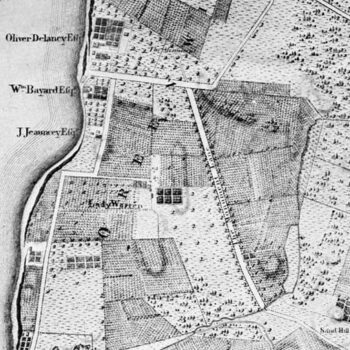
During the Dutch period, the area north of New Amsterdam was called Noortwyck. In the 1670s, Yellis Mandeville renamed it Greenwich, likely an Anglicization of the Dutch "Greenwijck," meaning Pine District.
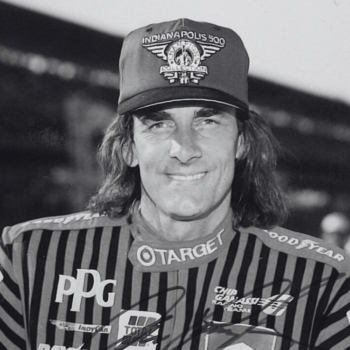
Arie Luyendyk (born 1953) is a Dutch-American race car driver and two-time Indianapolis 500 champion, winning in 1990 and 1997. A former Formula Ford champion, he later competed successfully in IndyCar and major endurance races.
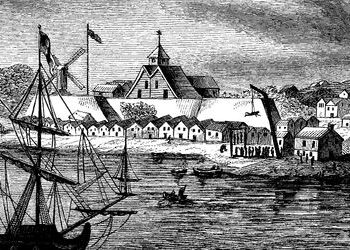
In the seventeenth century, forts were essential for trade and defense. Once Manhattan was chosen as New Netherland’s center, establishing a fort there was an obvious and necessary first step.
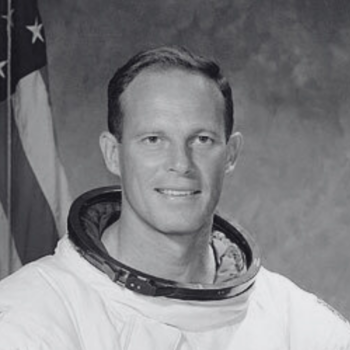
Jack R. Lousma (born 1936) is a U.S. Marine Corps aviator and NASA astronaut who flew on Skylab-3 in 1973 and commanded Space Shuttle Columbia’s STS-3 mission in 1982, logging over 1,600 hours in space.
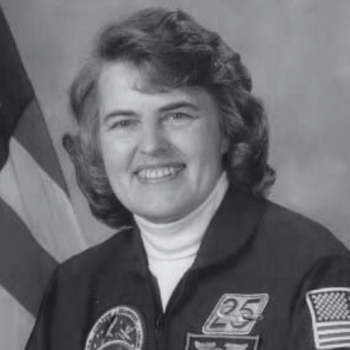
Shannon Lucid (born 1943) is an American astronaut and biochemist who flew on five NASA missions and spent 188 days aboard the Russian space station Mir in 1996, then a record for the longest spaceflight by a woman.