
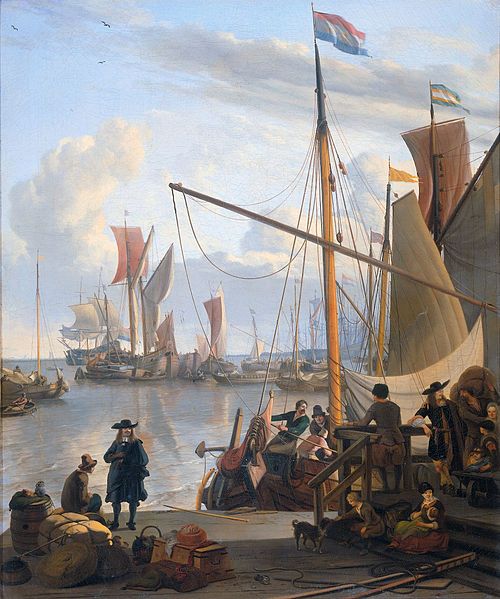

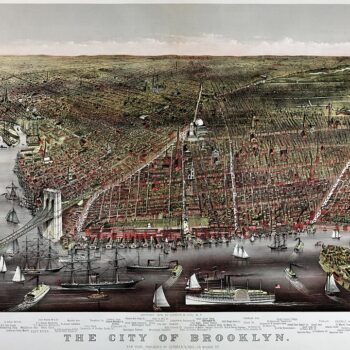
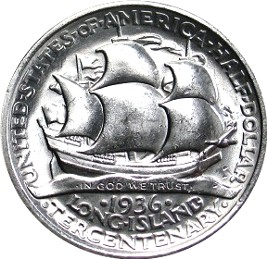
In 1636, Dutch pioneers settled western Long Island, founding Breuckelen in 1646. Farms lined an old trail, and ferry service began in 1642—later giving rise to today’s Fulton Street.
Peter Kuyper and his wife Lucille acquired the Rolscreen window screen company in 1925 and moved it to Pella, Iowa. Their firm evolved into the Pella Corporation, a major manufacturer of windows and doors.
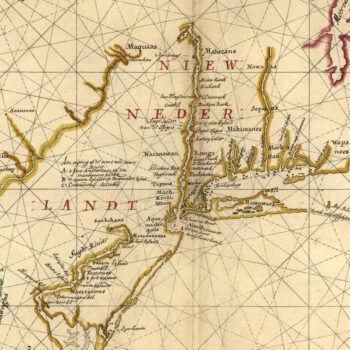
Founded in 1660 by French immigrants, Boswijck quickly grew between Breuckelen and Middleburgh. Amid war and English threats, settlers petitioned for protection—yet by 1664, Boswijck became Bushwick under English rule.
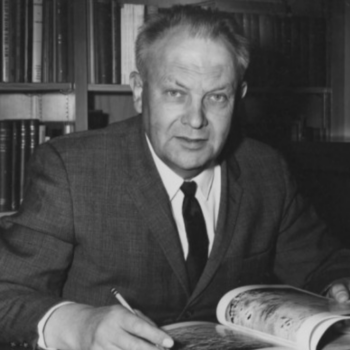
Gerard Kuiper (1905–1973) was a Dutch-born astronomer and pioneer of modern planetary science. He discovered several planetary satellites and atmospheres and proposed the Kuiper Belt, a distant region of icy bodies beyond Neptune believed to be the source of many comets.
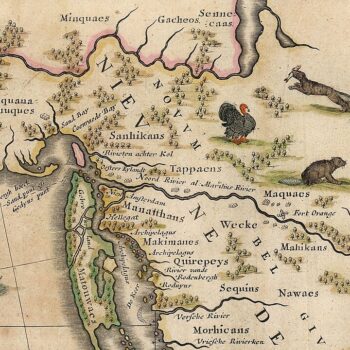
Long Island, once called 't Lange Eylandt by the Dutch, became a contested territory between New Netherland and New England. Dutch and English place names reflect its rich, conflicted colonial history.
Louis Kregel (1888–1939) and his son Robert Kregel (1919–2011) were Dutch American booksellers and publishers who built Kregel Books in Grand Rapids, Michigan into a leading distributor and publisher of Christian literature.

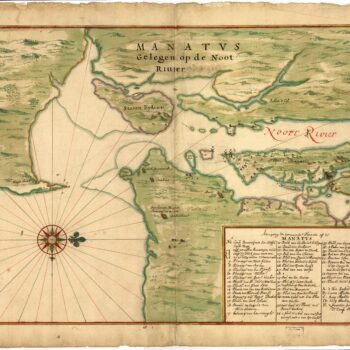
Named for the Dutch States General, Staten Island was purchased in 1630 by Pieter Minuit. Though promising, early Dutch settlements struggled after conflict erupted with local tribes in 1641.
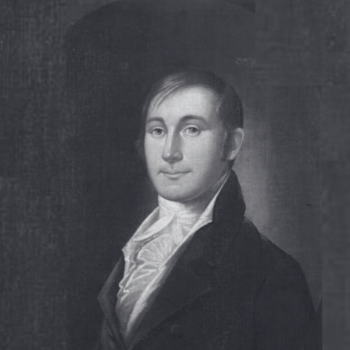
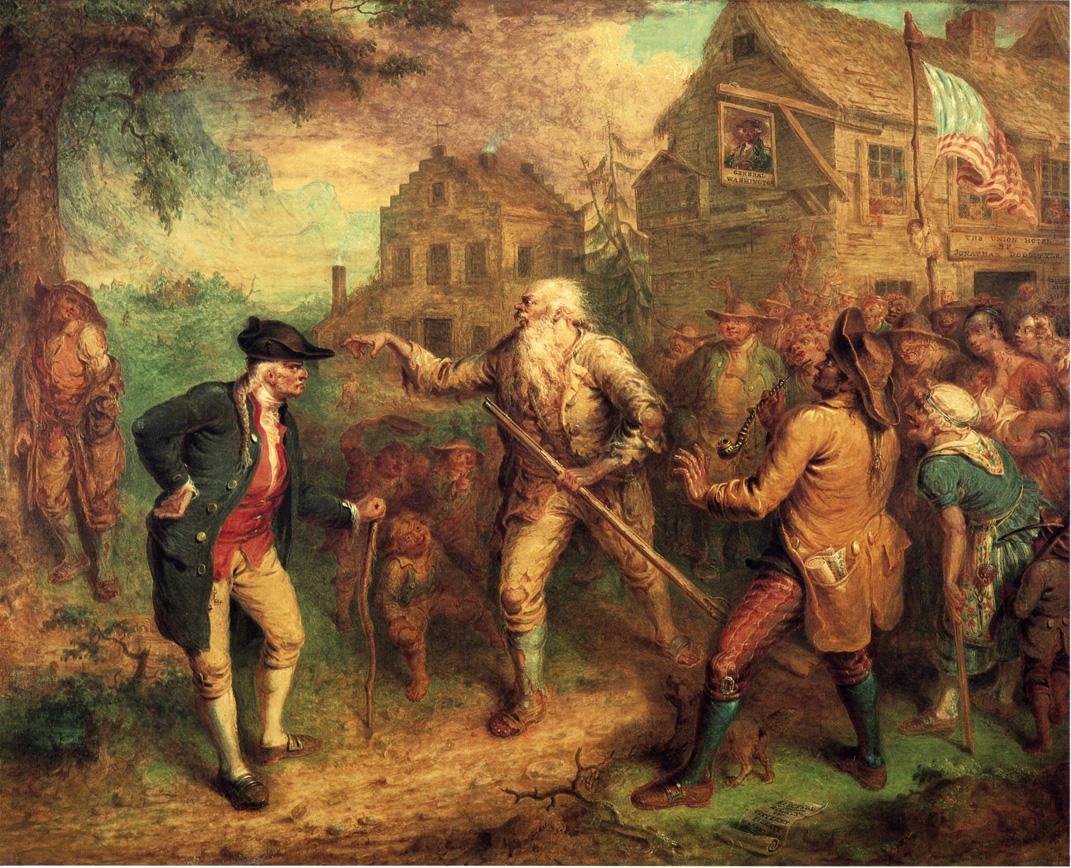
Herman Knickerbocker (1779–1855) was a New York lawyer, Federalist politician, and U.S. congressman who represented the Albany region from 1809 to 1811. A descendant of early Dutch settlers, he later managed the Knickerbocker family estate.
In 1624, thirty Walloon families fleeing Spanish Catholic rule arrived with Cornelis May aboard the Nieu Nederlandt. Most settled upriver; eight men remained on Nut Island for fur trading.
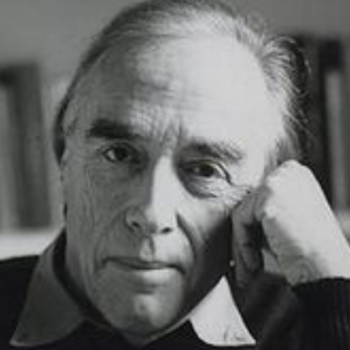
Hans Koning (1921–2007), born Hans Koningsberger, was a Dutch-born American novelist, journalist, and screenwriter. A former member of the Dutch resistance during World War II, he later wrote widely for major magazines and newspapers.