


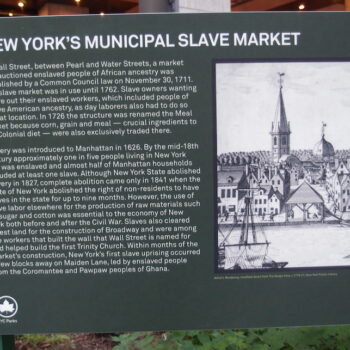
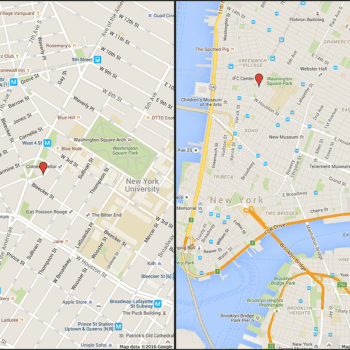
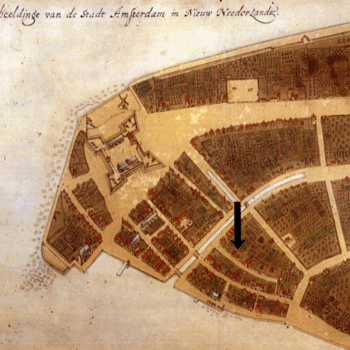
In June of 2015, Mayor Bill De Blasio unveiled a plaque in lower Manhattan to commemorate the eighteenth-century slave market that once operated at the foot of Wall Street.
Unlike the plantation systems of the southern and Caribbean colonies, New Netherland's economy did not rely on a cash crop cultivated by unfree laborers. Nevertheless, the enslaved population proved very valuable to the colony's growth and development.
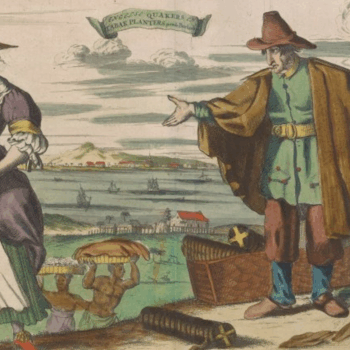
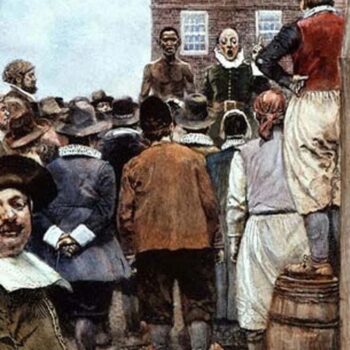
Most of New Netherland's enslaved people were brought to the colony either through the inter-colonial or transatlantic slave trade. The first enslaved laborers arrived in New Netherland as early as 1625.
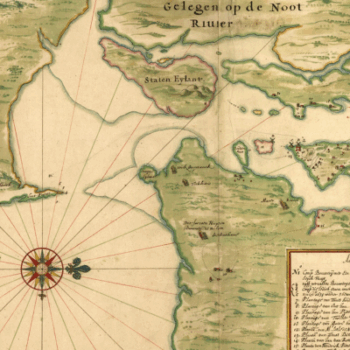
Unlike the plantation systems of the southern and Caribbean colonies, New Netherland's economy did not rely on a cash crop cultivated by unfree laborers. Nevertheless, the enslaved population proved very valuable to the colony's growth and development.
Unlike the plantation systems of the southern and Caribbean colonies, New Netherland's economy did not rely on a cash crop cultivated by unfree laborers. Nevertheless, the enslaved population proved very valuable to the colony's growth and development.
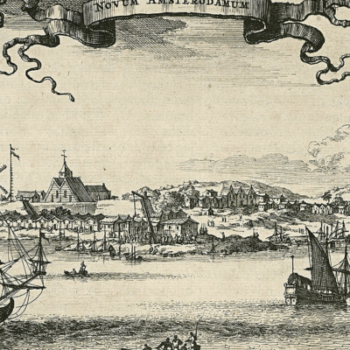
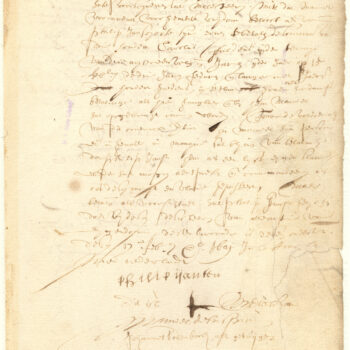
On February 25, 1644, eleven enslaved men and their wives were granted half-freedom by the Dutch West India Company after petitioning the Council, citing long service and broken promises.
Although most Africans in New Netherland were enslaved, not all interactions were oppressive—some were amicable. Whites witnessed Black marriages, socialized with enslaved people, and occasionally intermarried and raised families together.
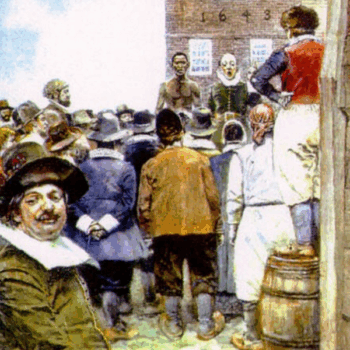
Slavery in New York State officially came to an end in 1827, roughly 200 years after the first enslaved men arrived in the region. Although slavery outlasted Dutch rule, its legacy remained strong.
Although they lived their lives in bondage, New Netherland's enslaved Africans created some stability in their lives by trying to keep families together and establishing a tight-knit community.
On January 24, 1641, Manuel de Gerrit de Reus survived a failed hanging. Spectators saw it as divine intervention and successfully petitioned the Council to spare his life.
- 1
- 2